REVIEW · DONEGAL
Bog Safari Hike
Book on Viator →Operated by Solas Ireland Walks and Hikes · Bookable on Viator
A bog safari is one of the quickest ways to understand Ireland. You’ll walk an ancient Irish peatland with a guide who leads step by step, turning a quiet marsh into a living story. I especially like how you get fabulous far views over the Wild Atlantic Way of Inishowen and West Donegal while learning what’s going on under your feet.
Two things I’d bet on for your enjoyment: the pace feels personal because the hike is limited to 12 travelers, and the guide keeps the whole experience moving with clear explanations and lore. One possible drawback is that this outing depends on good weather, so if skies are poor you may need to shift your plans.
This is a hike with moderate physical effort, so choose it if you’re comfortable walking over natural ground for about two hours.
In This Review
- Key things to know before you go
- Why a bog safari hike feels so Irish (and why it’s worth 2 hours)
- Entering the peatland: Wild Atlantic Way views without the tourist shuffle
- Stop: an ancient bog with myths, monastic traces, and turf cutting
- How a bog forms, and why it’s different from typical “wet ground”
- Myths and legends tied to the bog
- An ancient monastic site you pass and why it’s not random
- Turf cutting: how people worked with the bog
- Biodiversity and the bog’s climate role
- Green energy in action: why it belongs on this kind of tour
- What the guide brings (and why it can change everything)
- Duration, group size, and why the timing works for most itineraries
- Price and value: what $50.60 buys you in Donegal
- Practical details: where to start, what to expect, and what to plan for
- Who should book the Bog Safari Hike
- Should you book this Bog Safari Hike with Solas Ireland Walks and Hikes?
- FAQ
- How long is the Bog Safari Hike?
- How many people are in the group?
- What is the meeting point for the hike?
- What language is the tour offered in?
- Is lunch included?
- What happens if the weather is poor?
Key things to know before you go
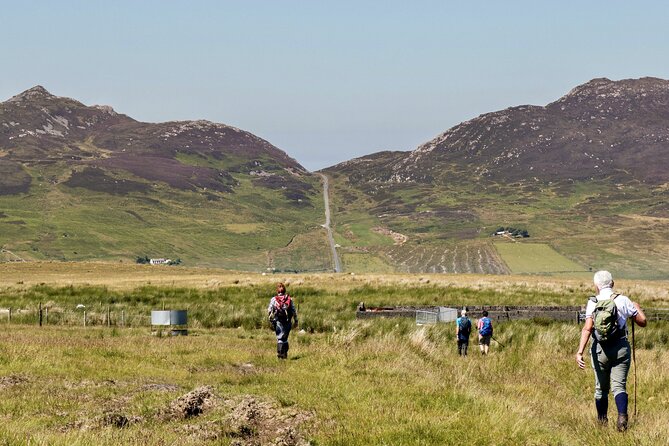
- A real peatland, not a staged nature walk: you’ll learn how the bog forms and why it matters.
- Step-by-step guiding: your leader stays with you through the hike, explaining what you’re seeing as you go.
- Limited to 12 people: smaller group size usually means more questions and a more relaxed pace.
- Turf cutting and monastic history: you’ll connect daily old practices with older sites you pass along the way.
- Wild Atlantic Way viewpoints: the walking comes with panoramic sightlines over Inishowen and West Donegal.
- Weather-dependent: plan for rescheduling if conditions aren’t right.
Why a bog safari hike feels so Irish (and why it’s worth 2 hours)
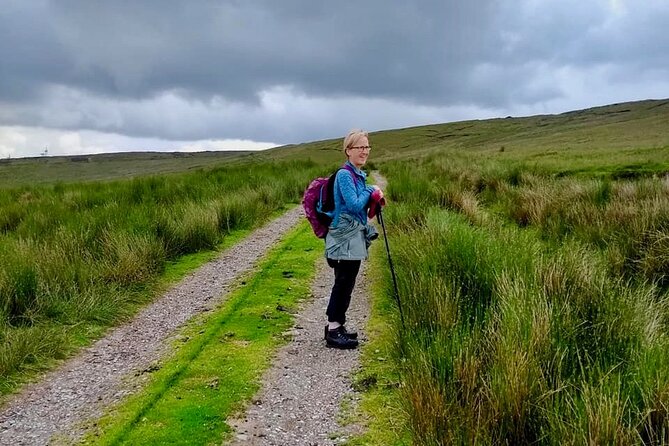
A bog in Donegal is not just a weird-looking place. It’s an ancient system that shaped how people lived, what they believed, and even how nature stores and releases carbon. That’s why this tour works so well for most visitors: it’s short enough to fit into a busy itinerary, yet it gives you real context instead of “pretty scenery only.”
I like that the focus isn’t just on views. You’re walking through a primeval Irish peatland and learning why it was formed, plus the myths and legends attached to places like this. When you understand that backdrop, you start noticing details you’d otherwise miss—like how the ground behaves and why biodiversity thrives there.
There’s also a practical angle. At $50.60 per person for a guided hike, you’re paying for expert interpretation and time on the trail. Since the duration is about two hours, it’s easier to justify the cost than longer tours that require a half day or more of your schedule.
Entering the peatland: Wild Atlantic Way views without the tourist shuffle
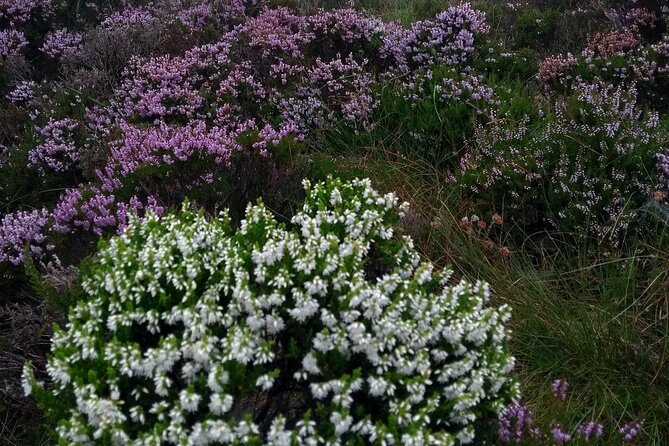
The hike starts with the Wild Atlantic Way context, then quickly becomes about the bog itself—how it was formed and why it’s still important today. You’ll be shown an ancient Irish peatland and taught to read it like a landscape with a memory.
One of the best parts for me is the combination of learning and reward. As you move through the route, you’ll enjoy panoramic views far out over the coast—specifically Inishowen and West Donegal along the Wild Atlantic Way. That means you get a visual payoff even if you’re not the type who loves long, slow walks.
Also, because this is capped at 12 people, the hike doesn’t feel crowded. You’ll still see other hikers if you’re in a popular area, but you’re not in a pack where it’s hard to hear your guide.
Stop: an ancient bog with myths, monastic traces, and turf cutting
You’ll spend the main time on the bog/peatland experience, and it’s packed with what you actually want to know while you’re walking.
How a bog forms, and why it’s different from typical “wet ground”
A peatland isn’t just damp land. It forms over long periods as vegetation builds up and decomposes slowly. Your guide helps connect that process to the way the bog looks and behaves today, so you understand why it’s such a specialized ecosystem.
This matters because once you get the formation story, the biodiversity part becomes clearer. You start seeing the bog as a system with jobs—especially its role in carbon storage.
Myths and legends tied to the bog
The tour also weaves in myths and legends connected to places like this. Even if you’re not into folklore, it adds color to what would otherwise be a purely scientific explanation. It also helps you understand why bogs show up in Irish cultural memory—people didn’t see them as empty or meaningless.
An ancient monastic site you pass and why it’s not random
You’ll also encounter an ancient monastic site during the hike. That’s a big deal for context: it ties the peatland to human history in a way that feels grounded rather than museum-like. You’re not just looking at “history in a building.” You’re learning how a religious community intersected with a challenging environment.
If you like your Irish history slightly off the main road, this piece is the reason the hike can feel memorable even for people who have seen plenty of castles and coastlines.
Turf cutting: how people worked with the bog
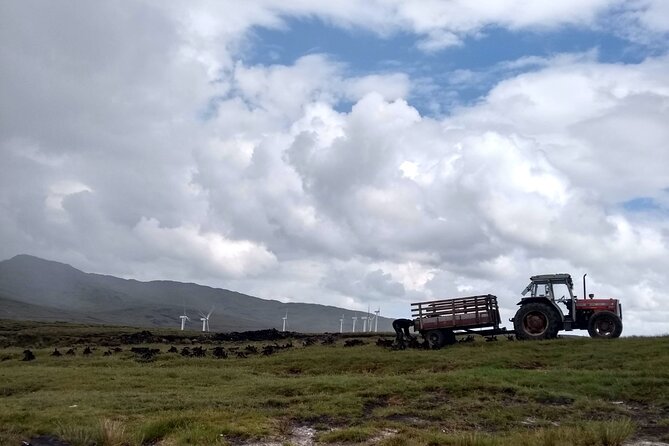
One of the most practical parts is the look at traditional turf cutting. This is the kind of detail that turns the peatland from scenery into livelihood. The bog wasn’t only something to fear or romanticize—it was something people used.
In one highly praised account, a guide named Sharon shared lore in an approachable way and arranged a moment to meet a neighbor out working in the bog. That kind of interaction is what makes the history feel alive, not academic.
Biodiversity and the bog’s climate role
Your guide explains the unique biodiversity of the peatland and its role in climate change. Even without getting technical, you’ll come away with a better sense of why protecting peatlands matters. You also get a clearer idea of how this environment helps slow climate impacts—one more reason the bog isn’t just “interesting,” it’s globally relevant.
Green energy in action: why it belongs on this kind of tour
There’s another twist: you’ll see green energy in action while rambling through the dramatic terrain. The tour doesn’t keep things frozen in the past. It connects the bog’s ancient formation and older human use to modern ways of thinking about energy and the environment.
Even if you don’t fully recognize what you’re looking at, that’s okay. The value here is the conversation your guide can spark: how the region looks forward while still living with its primeval geography.
What the guide brings (and why it can change everything)
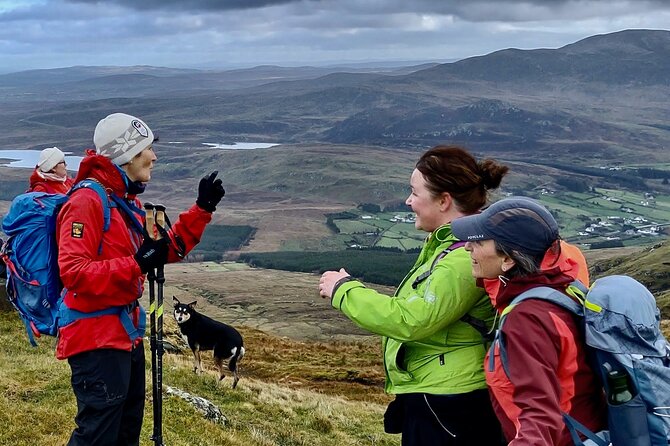
A bog hike is the sort of place where you either feel lost or you feel led. This one goes out of its way to keep you on track, with your guide leading every step.
That matters because peatland ground can be uneven, and the whole point is to help you notice what’s happening around you. When the guidance is solid, you don’t spend the time watching your footing—you spend it learning and looking.
A review also highlighted Sharon specifically, praising how she shared wisdom and lore in a friendly, chatty way. That’s the kind of guide who makes facts stick, because you’re not just getting a list—you’re getting a story with context.
Duration, group size, and why the timing works for most itineraries
This hike runs about 2 hours. That’s a sweet spot for a lot of travelers. You get a real guided experience without wiping out your whole afternoon, and you’re less likely to feel rushed.
Group size is small—max 12 travelers—which usually improves the vibe. In practice, that means you can ask questions and the guide can adjust the flow if people want explanations at different speeds. For a short hike, that personalization is a major part of the value.
You’ll also get the convenience of a mobile ticket. And since the activity ends back at the starting point, you’re not dealing with complex pickup drop-offs.
Price and value: what $50.60 buys you in Donegal
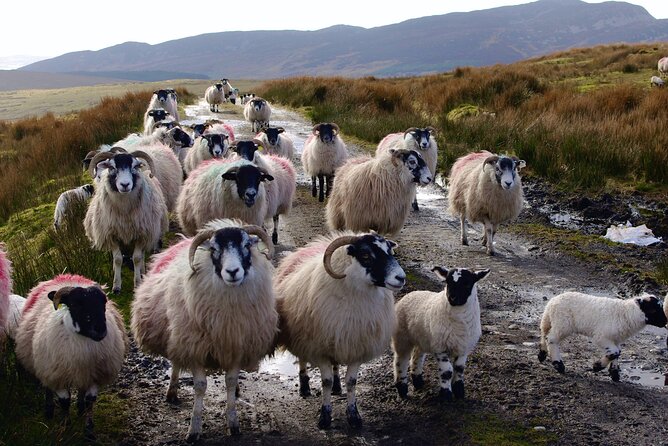
At $50.60 per person, this isn’t a free add-on. You’re paying for guided interpretation, time on the peatland, and entry where it applies. The tour also notes that admission is free (so the value isn’t just “you’re paying for a walk”).
Here’s how I think about value for this kind of outing:
- You’re buying expert guidance in a place that would be easy to misunderstand on your own.
- You’re getting a compact but multi-theme route: formation, legends, monastic history, turf cutting, biodiversity, and climate relevance.
- You’re ending with wide coastal views over Inishowen and West Donegal—something you’d likely spend extra time hunting for elsewhere.
If you’re the type who likes experiences with a “why” behind the “wow,” this price starts to feel fair.
Practical details: where to start, what to expect, and what to plan for
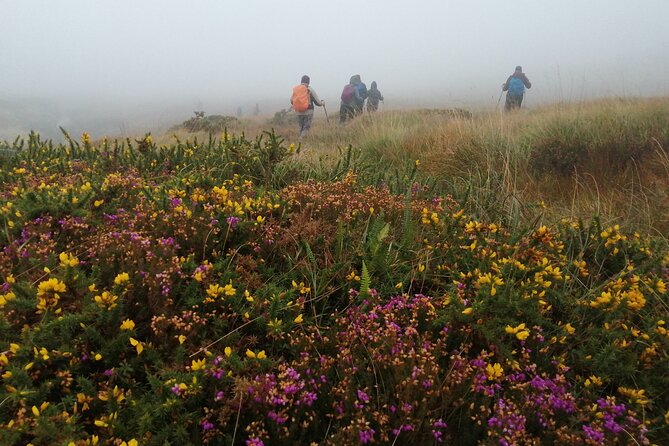
You’ll meet at 5GV4+H8 Ballyannon (County Donegal, Ireland). The hike ends back at the meeting point.
The tour language is English, and you should have moderate physical fitness. This is not described as an extreme trek, but it is a hike, and peatland terrain can demand steady footing.
Also note the weather requirement. This experience relies on good weather, so if conditions are poor, you’ll be offered a different date or a refund. So if your schedule is locked down with tight connections, it’s smart to plan some flexibility.
Service animals are allowed, and private groups can contact the provider to amend the hike to better match individual requirements.
Who should book the Bog Safari Hike
This is a great fit if you want Ireland that feels less like postcard browsing and more like understanding how people and nature interact. If you enjoy guided storytelling, scenic walking, and the feeling of being in a small group, you’ll likely love the format.
I’d especially recommend it for:
- People who like their nature education practical, not lecture-heavy
- Travelers who enjoy coastal regions but want one “under the surface” experience
- Anyone who appreciates history connected to real places, not just signs and plaques
If you’re looking for a strenuous, long-distance workout, this may feel short. And if you hate weather-based rescheduling, you’ll need a flexible plan.
Should you book this Bog Safari Hike with Solas Ireland Walks and Hikes?
If you’re in Donegal and you want a guided experience that makes peatlands feel meaningful, I think booking is an easy yes. The combination of a small group size, a step-by-step guide, and the mix of bog science plus Irish lore is exactly what turns a simple walk into a lasting memory.
I’d book this if your priority is authentic local understanding and you’re okay with a couple of weather-related uncertainties. Skip it only if you’re not comfortable walking on natural ground for about two hours, or if your travel dates are too rigid to absorb a weather change.
FAQ
How long is the Bog Safari Hike?
The hike lasts about 2 hours.
How many people are in the group?
The tour has a maximum of 12 travelers.
What is the meeting point for the hike?
The meeting point is 5GV4+H8 Ballyannon, County Donegal, Ireland, and the activity ends back at the meeting point.
What language is the tour offered in?
The tour is offered in English.
Is lunch included?
Lunch is not included. Lunch can be provided as an extra charge if you contact the provider directly to order.
What happens if the weather is poor?
This experience requires good weather. If it’s canceled due to poor weather, you’ll be offered a different date or a full refund.