REVIEW · PHUKET
Chiang Mai: Doi Inthanon and Elephant Sanctuary Tour & Hike
Book on GetYourGuide →Operated by My Holiday Centre Company Limited · Bookable on GetYourGuide
A misty mountain day and elephant quiet time in one schedule. What makes this trip special is the mix: an ethical elephant sanctuary without riding, then Doi Inthanon National Park with waterfalls and temple views. I also like how the day slows down at key moments, like herbal tea and long elephant watching windows. One drawback to plan for: the terrain can be rugged and muddy, especially if it rains—so bring footwear you don’t mind getting dirty.
The elephant part feels structured but not rushed. You’re picked up from your hotel, driven up into cooler hills, then welcomed and briefed with clear safety rules before you spend real time observing and feeding the elephants. If you get a guide like Jade, Wan, or Chai, you’ll likely appreciate the high-energy explanations and patient pace that show up in their tours.
In This Review
- Key Highlights That Matter
- Getting From Chiang Mai Into the Hills (And Why the Transport Setup Works)
- What I’d do before you go
- Elephant Sanctuary Time: Watching, Feeding, and Cooling Your Brain
- The quiet bonus: herbal tea and nature sounds
- Wildlife moments you can actually notice
- The “Rough Terrain” Reality: How the Day Changes in Rain
- Doi Inthanon National Park: Cool Air, Mist, and Big Views
- Why this stop is worth the long drive
- Phra Mahathat Naphamethanidon and the Twin Pagodas View
- A practical note
- Pha Dok Siew Nature Trail: Medium Effort, Real Rewards
- If the weather is bad
- Footwear and comfort checklist
- Waterfall Time: Pha Dok Siew and the Joy of Getting Wet
- For non-swimmers
- Ban Mae Klang Luang Hill Tribe Village: Tea, Traditions, and Handmade Souvenirs
- What you should budget for
- Lunch, Tea, Coffee, and What Your $93 Really Buys
- Who This Tour Fits Best (And Who Might Want a Different Option)
- You might reconsider if…
- Should You Book This Chiang Mai Elephant and Doi Inthanon Day Trip?
Key Highlights That Matter
- No-riding elephant sanctuary: you feed, watch, and learn without riding the animals
- A real jungle-and-waterfall day: Doi Inthanon plus the Pha Dok Siew area adds variety
- Twin Pagodas viewpoints: panoramic temple views tied to Thai royal heritage
- Hill tribe village time in Ban Mae Klang Luang: traditions, snacks/tea, and handmade souvenirs
- Karen Hill Tribe coffee stop: a practical, drinkable payoff after hiking
Getting From Chiang Mai Into the Hills (And Why the Transport Setup Works)
You start with a pickup from Chiang Mai, and the tour is built around a smooth start: you’re collected and placed into an air-conditioned 12-seater van. This matters because the day is long (roughly full-day), and you’ll want that cool reset before you start walking, hiking, and climbing in the hills.
Then comes the small “gear change” that many visitors don’t expect: the vehicle switches to a roofed 4×4 truck for the last 10 minutes to reach the sanctuary area. This helps you feel the change in terrain without turning your trip into a bumpy, uncomfortable mess. If you’re prone to motion sickness, bring something just in case—roads to Doi Inthanon and the sanctuary can be curvy.
There’s also a short stop in Mae Wang District for guided sightseeing. It’s not the main event, but it breaks up the travel and gives you a taste of Northern Thailand outside Chiang Mai city limits.
You can also read our reviews of more tours and experiences in Phuket.

What I’d do before you go
- Wear shoes with grip. Even “easy” paths can get slick.
- Charge your camera early. This day has lots of short photo opportunities, not just one big viewpoint.
Elephant Sanctuary Time: Watching, Feeding, and Cooling Your Brain
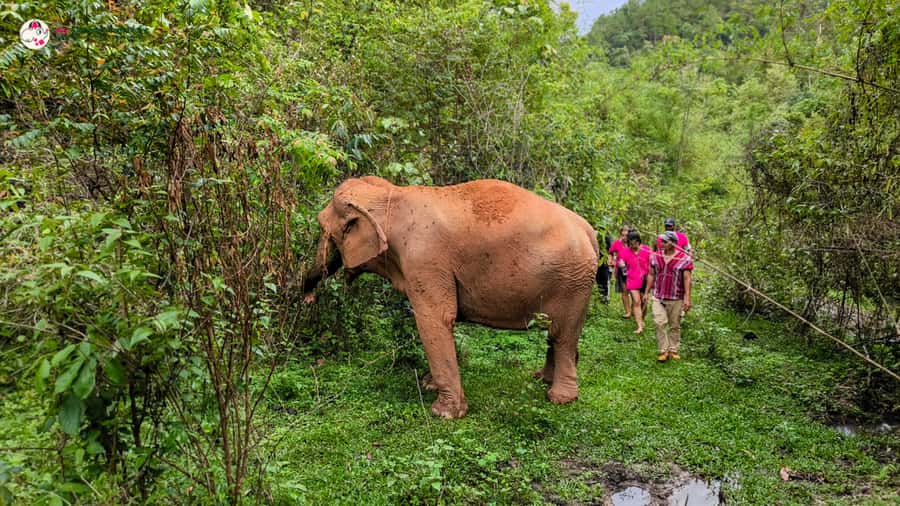
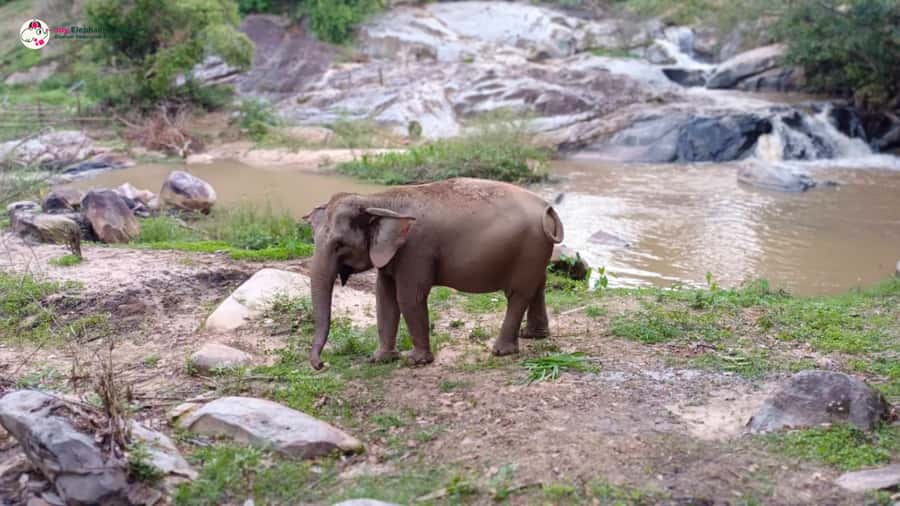
The elephant sanctuary is the emotional center of the day, and it’s set up as a no-riding experience. That single decision changes everything. Instead of sitting on an elephant, you spend your time closer to what the elephants actually do: move through their space, eat, and bathe.
When you arrive, you’re welcomed and dressed in traditional northern clothing. It’s a fun cultural touch, and it also signals you’re entering a program with rules and respect built in. Next, there’s a presentation focused on important safety rules. That briefing matters because it sets expectations for how close you should be, what behavior is helpful, and how to keep the interaction calm for both people and elephants.
Then you meet the sanctuary’s stars. Your group gets time for:
- Up-close encounters
- Feeding (you can feed the elephants; one review experience also mentions sugarcane and bananas being provided in a bag)
- Stroll-and-observe walking where you learn while you move slowly
- Designated lookouts to relax while elephants graze and bathe nearby
This is where the trip feels different from the typical “quick elephant photo” experience. You’re not sprinting from one pose to another. You’re watching real behavior, which makes your photos feel more like memories than snapshots.
The quiet bonus: herbal tea and nature sounds
A neat detail is the chance to drink freshly harvested herbal tea from the village while you watch elephants in their natural habitat. That small pause makes the whole day easier to handle. Even if you love animals, it’s mentally tiring to go-go-go. This is a breather built into the flow.
Wildlife moments you can actually notice
During the sanctuary portion, you might spot different species of butterflies and wild birds. If you like slowing down and looking around, this is your payoff.
The “Rough Terrain” Reality: How the Day Changes in Rain
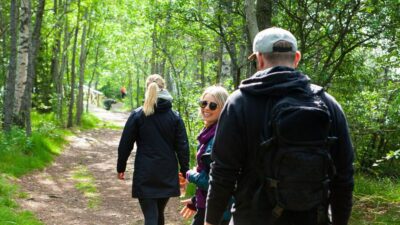
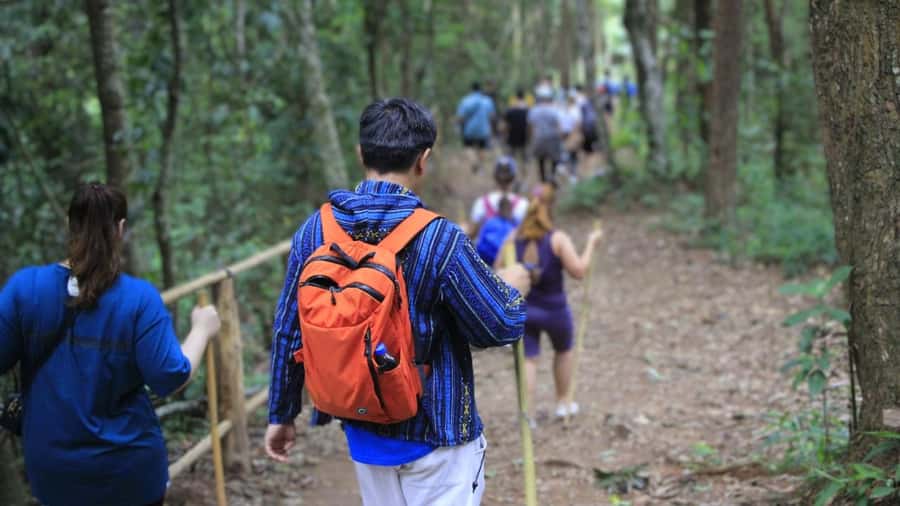
This itinerary is active. The park portion includes a nature trail hike, and the waterfall area can be slippery. If the weather turns wet, expect mud on paths and shoes, and plan for a slower pace.
In one detailed experience, hikers described being in rain and finding paths, roads, and shoes muddy—yet still feeling it was worth it. Another account noted that if conditions get too slippery or dangerous, the guide may adjust the plan and reduce the hike time to keep people safe.
So here’s the practical takeaway: don’t treat “medium difficulty” as a guarantee. Treat it as a range. Your best move is to pack for the worst-case scenario:
- Insect repellent
- Sunscreen
- Closed-toe shoes with grip
If you’re visiting with kids, the hike is recommended for children above 5 years old. That age guidance is helpful, but you’ll still want to judge based on your child’s comfort with uneven ground.
Doi Inthanon National Park: Cool Air, Mist, and Big Views
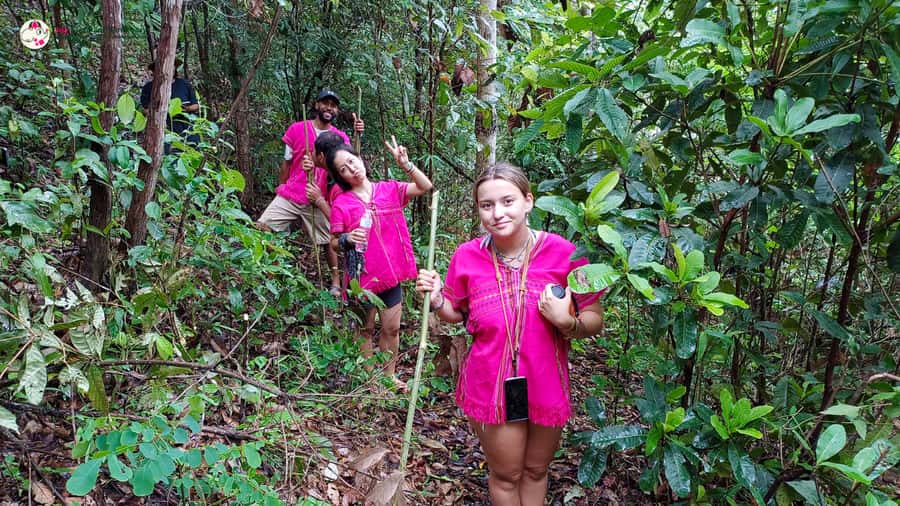
Once you leave the elephant sanctuary area, the day shifts into Doi Inthanon National Park mode: cooler air, more altitude, and a totally different sense of scale. You’ll have guided time in the park, including exploring slopes and reaching the region associated with Thailand’s highest point.
You’ll feel the difference near the top: a refreshing breeze and mist are part of the experience at the highest peak. That’s not a small detail—if you’re used to Chiang Mai’s warmer city weather, the climate change can feel like you stepped into a different country.
Why this stop is worth the long drive
Doi Inthanon adds two things your elephant visit can’t:
1) Geography (you’re dealing with altitude and weather changes)
2) Variety (waterfall and viewpoint moments, plus a nature trail that brings you through rice terraces and wildlife areas)
It turns the day from one strong theme into a full Northern Thailand sampler.
Phra Mahathat Naphamethanidon and the Twin Pagodas View
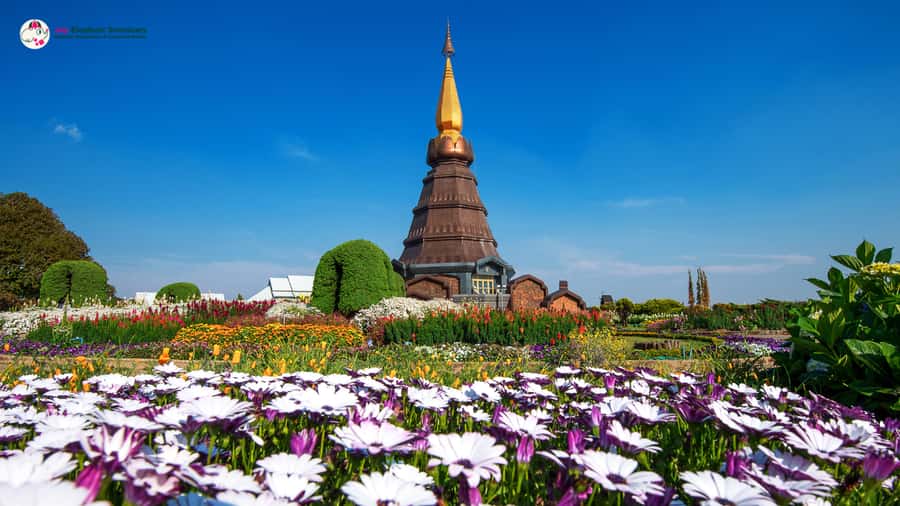
The tour includes entry to the Twin Pagodas, and one of the named stops is Phra Mahathat Naphamethanidon. Think of this as the cultural mirror to the natural climbs. You go from forest and mist to religious architecture and panoramic outlooks—often the kind of views where the distance makes your brain go quiet.
The pagodas are tied to Thai royalty, and that royal symbolism matters even if you’re not a temple expert. It’s one of those moments where you understand why locals built major monuments on a mountain: it’s a place to see far, feel small, and connect to something bigger than daily life.
A practical note
Misty viewpoints can mean lower visibility for photos. That doesn’t make the place worse—it changes the look. If your goal is crisp skyline shots, go easy on expectations. If your goal is atmosphere, you’ll likely love it.
Pha Dok Siew Nature Trail: Medium Effort, Real Rewards

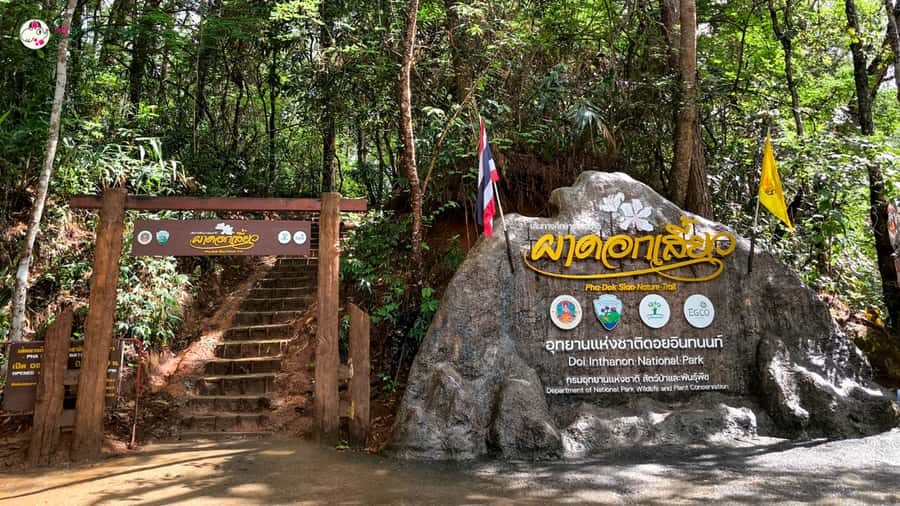
Now for the hiking portion: you’ll begin your trail at Pha Dok Siew. The hike is about 1 hour and is described as medium difficulty for people with a basic fitness level.
On the trail, you can expect:
- Rare wildlife chances (not a guarantee, but the setting supports it)
- Lush rice terraces
- A waterfall stop area
- Time to explore an organic Karen Hill Tribe coffee farm
That last part is a clever design choice. You don’t just hike and then leave. You hike, then you meet a tangible outcome: coffee (and typically a tasting-style finish).
If the weather is bad
If it’s raining heavily or the trail is slick, your guide may recommend skipping parts of the hike for safety. That’s not a failure—it’s smart risk management. In other words: keep a flexible mindset. This is a day-trip; conditions can change fast in the mountains.
Footwear and comfort checklist
- Bring shoes that can handle mud or wet leaves.
- Wear long pants if you get bothered by insects.
- Keep a small towel or wipe pack if you can. You’ll thank yourself later.
Waterfall Time: Pha Dok Siew and the Joy of Getting Wet
The day includes Pha Dok Siew Waterfall with time for sightseeing and swimming. This is one of the spots where your day can go from “photo and hike” into “play and cool off.”
If you plan to swim, bring whatever you’d use for water activities. A note from real experiences: people have enjoyed getting into the water alongside elephants earlier in the day (not here), and that same practical mindset applies to waterfalls—if you want the full fun factor, pack for it. At minimum, be ready for wet conditions.
For non-swimmers
Even if you don’t swim, waterfall time is worth it. Water makes the air feel different, and it’s one more shift in scenery that breaks up the day.
Ban Mae Klang Luang Hill Tribe Village: Tea, Traditions, and Handmade Souvenirs
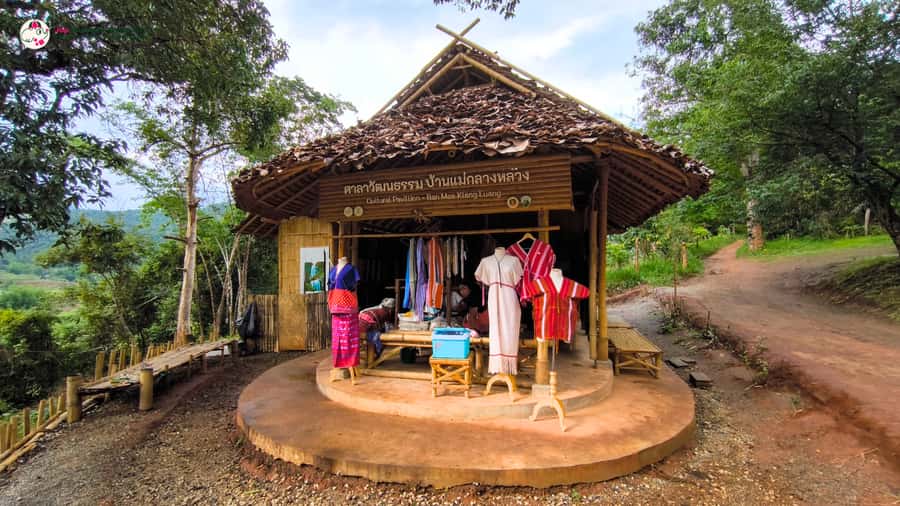
After the park and waterfall section, you’ll visit Mae Klang Luang (often written as Ban Mae Klang Luang), a hill tribe village with guided time.
This is where the trip shows its cultural side in a respectful, hands-on way. You’ll enjoy village traditions and get time to relax and observe. One of the most memorable moments is that herbal tea pause during elephant time, but you also get cultural contact here through local practices and daily life.
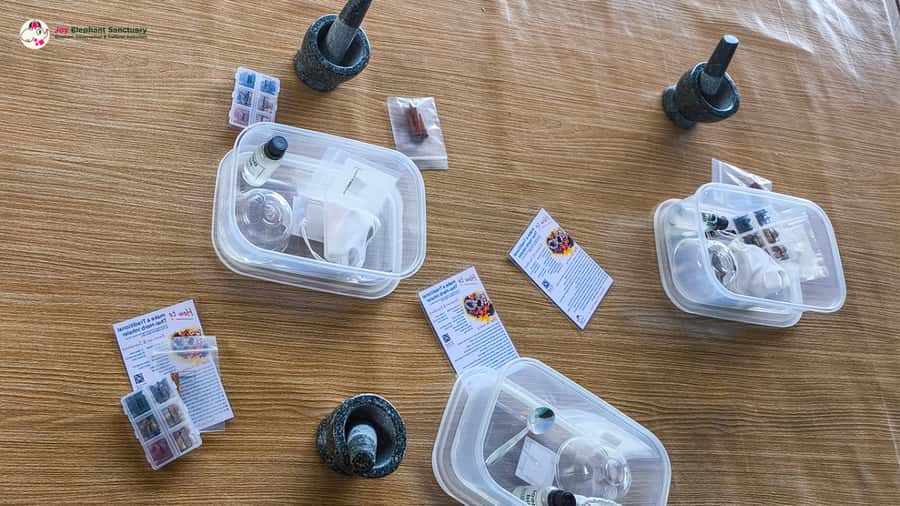
There’s also a craft component: you’ll make a Thai cultural handmade souvenir to take home. That’s a better souvenir plan than buying something at the end. You get involved, and it usually turns into a story you can tell later.
What you should budget for
The tour includes lunch and drinks, but you may want cash for additional village items like textiles or coffee. If you’re the type who loves supporting craft makers, this stop can become a “one purchase that turns into three gifts” kind of moment.
Lunch, Tea, Coffee, and What Your $93 Really Buys
At $93 per person for a full-day tour, the value depends on what you’d do on your own. The big savings are:
- Hotel pickup and drop-off (within a defined Old City radius)
- Air-conditioned transportation plus the 4×4 swap
- A guide throughout the day
- Lunch
- Water, tea, and coffee
- Entry tickets for Inthanon National Park and the Twin Pagodas
Alcohol isn’t included, so if you want a drink with lunch, you’ll need to plan for that separately.
The best part is that the day combines expensive-to-organize pieces: remote park access, elephants, pagoda entry, and village time. If you price those separately—plus the time and hassle—you’ll usually feel the tour is structured for convenience, not just sightseeing.
Who This Tour Fits Best (And Who Might Want a Different Option)
This tour is ideal if you want:
- A genuine no-riding elephant experience with time to observe and feed responsibly
- A day that mixes culture, nature, and viewpoints
- A moderate hike, with a chance to adjust if conditions get risky
It’s also a great choice for couples and solo travelers who like having a guide handle logistics. And if you’re traveling with kids, the hike guidance (children above 5) can make it workable—assuming your child can handle uneven ground.
You might reconsider if…
- You have limited mobility. The park day includes hiking and uneven terrain.
- You hate getting muddy. Rain can change the feel of the day fast.
- You’re expecting easy, flat strolling the whole time. This is active.
Should You Book This Chiang Mai Elephant and Doi Inthanon Day Trip?
Yes, I’d book it if your top priorities are ethical elephant interaction without riding and a mountain day in cooler air with pagoda views and waterfalls. The schedule feels full, but it includes built-in slow moments like tea and elephant watching areas, which keeps it from turning into a nonstop checklist.
I’d hesitate only if you’re very sensitive to slippery terrain or want a fully smooth, minimal-walking day. Bring the right shoes, expect possible rain conditions, and you’ll get one of the more satisfying combinations Chiang Mai offers.