REVIEW · NORWAY
Dovrefjell National Park: Hiking Tour and Musk Ox Safari
Book on GetYourGuide →Operated by Dovre & Lesja Aktiv · Bookable on GetYourGuide
One look at musk ox and you get why people drive north. This Dovrefjell hiking safari is all about wild musk ox sightings in Dovrefjell National Park, guided with respect and smart safety rules.
I like two things a lot: the chance to spot musk ox without crowding them, and the way the guide turns the park into something you can actually understand. On my recent read-through, guides like Kim and Uwe stood out for being both capable and fun to hike with, and that matters when you’re scanning for animals at distance.
The main drawback is that the route isn’t fixed. Depending on where the herds are, the hike can run about 6 to 15 km, so you’ll want real hiking shoes and a fit-for-weather mindset.
In This Review
- Key highlights you should care about
- First steps in Hjerkinn: meeting at Frich’s Basecamp
- The drive and trail setup: how the hike actually works
- Spotting musk ox safely: 200 meters, telescopes, and patience
- Other wildlife chances in Dovrefjell
- Learning the park: why locals care about Dovrefjell
- What to bring for mountain weather (and why it matters)
- Price and value: why $64 makes sense here
- Who should book this musk ox hike (and who shouldn’t)
- Should you book this tour?
- FAQ
- Where is the meeting point for the musk ox safari?
- What time should I arrive?
- How long does the tour last?
- Is food or drinks included?
- What spotting equipment is provided?
- How close will you get to the musk ox?
- Do I need my own vehicle to join?
- Are dogs allowed on the hike?
- Is the tour suitable for children?
- What should I pack for the hike?
Key highlights you should care about
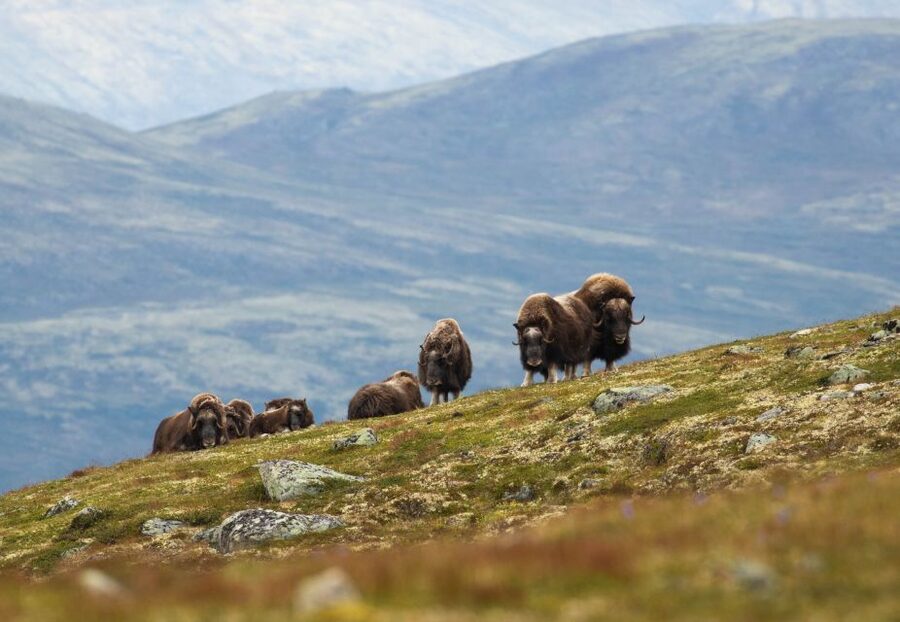
- Safe viewing at least 200 m from musk ox, so you can enjoy the animals without stress
- Telescope included for spotting what you’d miss with the naked eye
- Hike distance varies (6–15 km) based on where herds are found that day
- Guides explain behavior and history, not just where to walk
- Small-group vibe in practice, which helps you move calmly while watching wildlife
- Rain or shine, so you’ll be glad you packed warm layers
First steps in Hjerkinn: meeting at Frich’s Basecamp
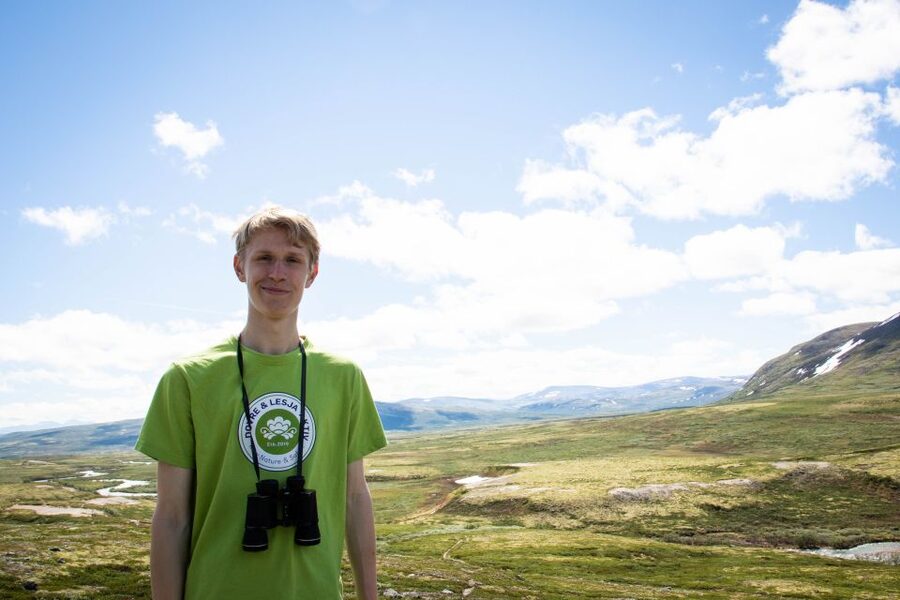
This safari starts in Hjerkinn, at the office address of Hjerkinnhusvegen 35, outside the entrance of Frich’s Hjerkinn. You’ll meet at a flag marked with the operator logo, and your guide will be in clothes with that same logo—an easy system once you arrive.
Plan to arrive at 09:45 to check in. The safari officially gets rolling at 10:00, then you’ll drive about 5 to 10 minutes to the trail start. That short drive is helpful: it gets you into the right area without wasting daylight.
One extra note for summer: there’s a shuttle bus to Snøheim that also leaves at 09:45 from the same address. Don’t hop on it. It’s not connected to this musk ox safari, and you won’t get a wait-and-redirect if you miss your group.
The drive and trail setup: how the hike actually works
Once you meet your guide, expect a simple flow: short vehicle transfer, then you start hiking in Dovrefjell National Park. There’s no guarantee you’ll walk the same exact trail each day, because the goal is wildlife—meaning the hike distance and route can shift with conditions and sightings.
Here’s the practical part. The musk ox are wild and move freely, so your hike could total anywhere from about 6 to 15 km. The safari itself usually takes around 5 to 6 hours, depending on group fitness and how the day unfolds.
This is why a “musk ox tour” here feels more like a real mountain hike with a wildlife mission. If you’re expecting flat, predictable steps and a fixed walking loop, you’ll be disappointed. But if you want the experience of searching—quietly, patiently, with purpose—this is the right setup.
Spotting musk ox safely: 200 meters, telescopes, and patience
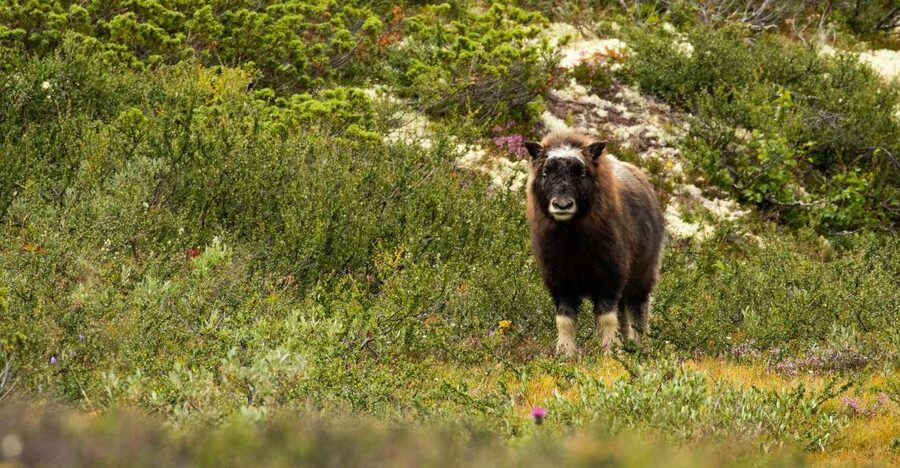
The most important rule is also the one that makes the experience better: you won’t go closer than 200 meters to musk ox. That distance protects you, and it also protects the animals from stress and unwanted attention.
In practice, that means your success depends on two things: your guide’s scanning and your willingness to slow down. Your guide will search while you hike, and you’ll learn how musk ox behave—where they tend to be, how they react, and why moving too fast around them can ruin the moment.
Equipment helps, and this is one of the value points: a telescope for spotting the musk ox is included. Binoculars aren’t required, but if you already have them, bring them. The telescope and good spotting habits help you turn a distant shape into an actual animal you can recognize.
The tone stays calm. No rushing, no pushing forward. You’re there to watch. And when you do catch sight of a herd, it’s not just a photo moment—it’s a reminder that these are ancient animals living on their own terms.
Other wildlife chances in Dovrefjell
Musk ox are the headline, but you may also see other wildlife while hiking through the park, including reindeer. Even if you don’t spot every species, the guide’s approach is useful: you start looking for tracks, signs, and movement patterns rather than only “waiting for luck.”
Also, dogs are allowed on this safari, but with a caveat. In some cases, the dog and owner have to keep a longer distance from the animals. That’s not just a rule; it’s the reality of sharing wildlife space. If you bring a dog, keep expectations flexible and follow your guide’s instructions.
The best mindset is simple: plan for musk ox, but treat the rest as bonus. In a place this big, animals aren’t forced into view. The day’s sightings are part of the experience.
Learning the park: why locals care about Dovrefjell
Dovrefjell isn’t just scenery. It’s a national park with meaning for the people nearby, and that cultural side shows up during the hike. Your guide will explain the importance of the park to local life, plus the musk ox’s background—behavior and history—so you aren’t just walking through a “wild animal place.”
I like this kind of storytelling because it changes what you notice. Instead of only scanning for movement, you start noticing why the landscape is managed, why animals are treated with care, and why the rules exist. The whole experience feels less like a hunt for a selfie and more like learning how to share space with wildlife.
If you enjoy nature interpretation—how animals live, how people protect them, and why it matters—this part of the tour is a big part of the payoff.
What to bring for mountain weather (and why it matters)
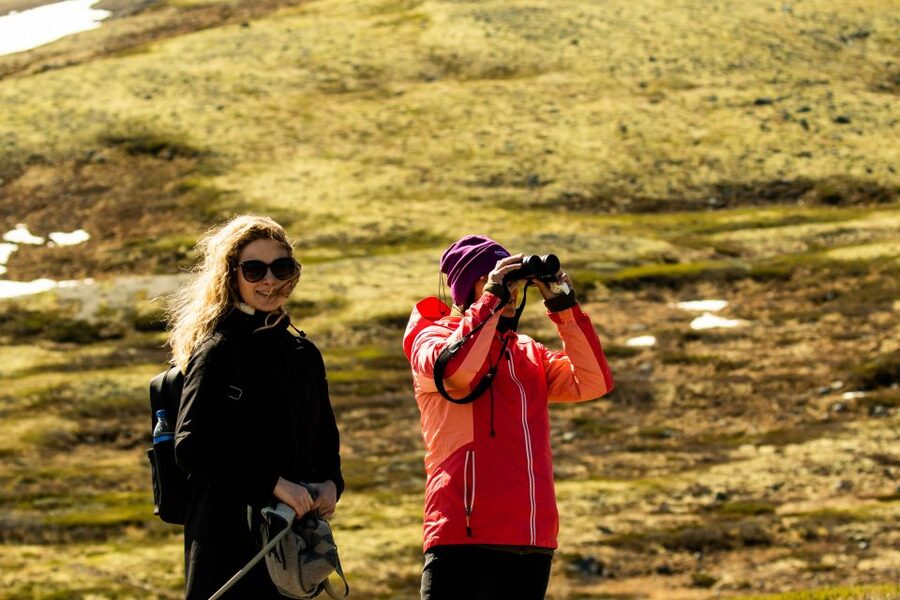
Norwegian mountain weather can shift fast, and the tour runs rain or shine. That means your clothing choice directly affects how much you enjoy the hike.
Here’s what you should plan on bringing:
- Warm layers, including something extra in case clouds roll in
- Waterproof hiking shoes (this matters more than you think)
- A packed lunch and something to drink
- If you have them, binoculars
The tour does not include food or drinks, so don’t assume there will be a stop with a snack. Bring enough for your walking time, especially since the hike distance can stretch based on herd location.
Also, think about pacing. If your feet are cold or wet, you’ll get grumpy fast and you’ll miss the joy of scanning for animals. Pack for comfort, then focus on the view and the search.
Price and value: why $64 makes sense here
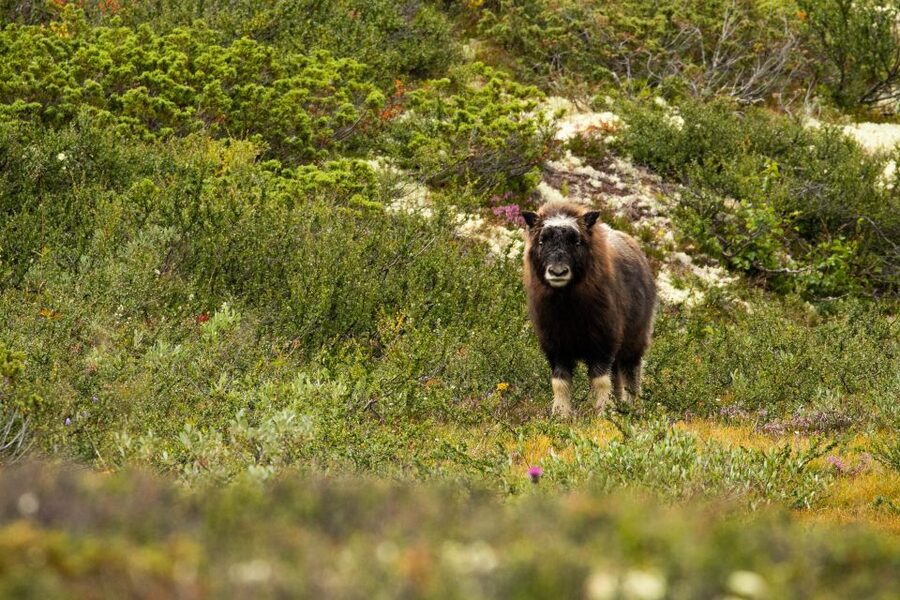
At about $64 per person for a roughly 6-hour guided experience, the value comes from three things that actually cost real money to provide.
First, you’re getting a live guide who can interpret animal behavior and manage safe distances—this is not a self-guided walk. Second, the safari includes a telescope for spotting musk ox, which helps you actually see the animals at the required distance. Third, the day includes the short vehicle transfer from the meeting point area to the hiking start.
It’s also good that the safari is structured around safety. Staying at least 200 meters away isn’t just a rule; it helps maintain a sustainable approach to viewing wildlife. That’s the kind of cost you don’t see on a brochure, but you feel in the quality of the experience.
So is it worth it? If you want a guided wildlife hike in Dovrefjell with real viewing tools and a responsible distance policy, yes. If you’re looking for an easy stroll with guaranteed close-up sightings, you’ll likely feel the limitations.
Who should book this musk ox hike (and who shouldn’t)
This is best for people who:
- Enjoy hiking and don’t mind walking up to a longer distance depending on the day
- Want a guided wildlife search with a respectful approach
- Are comfortable with mountain weather and plan ahead
It’s not suitable for:
- Children under 6 years
- People with mobility impairments
- People with low level of fitness
Dogs are allowed, but plan for extra distance rules depending on conditions. And if you’re the type who wants minimal walking and maximal certainty, this tour may feel too variable. The upside is that you’re not wasting time guessing alone—you’re with a guide and the park is huge enough that the search still feels alive.
Should you book this tour?
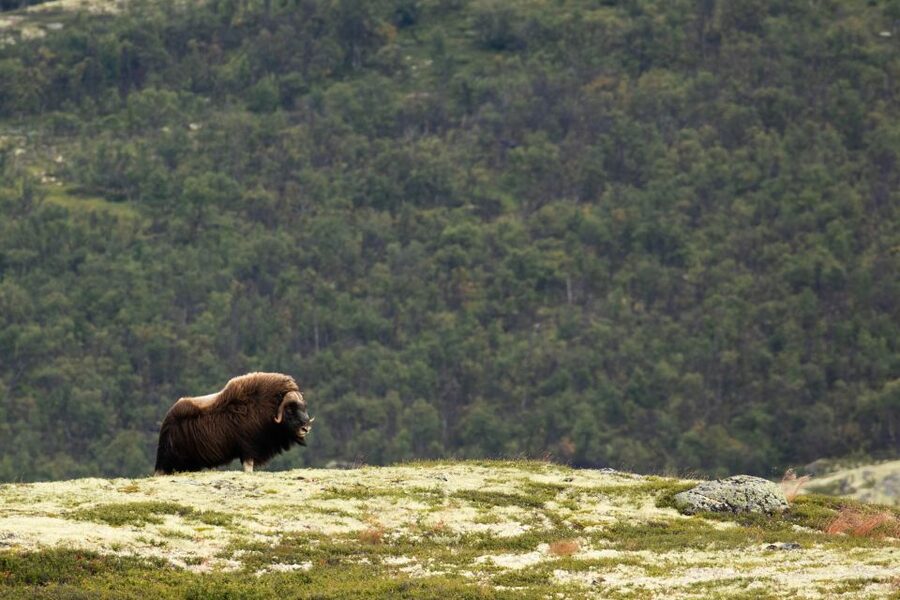
Yes, if you want a meaningful wildlife hike with safe musk ox viewing, a guide who explains behavior and park importance, and equipment that helps you see what’s really there. You’ll also feel better because the approach is clearly designed to keep both animals and people safe.
Skip it if you hate uncertainty in walking distance, struggle with longer hikes, or need an experience with guaranteed, close animal encounters. Here, the point is distance, patience, and responsible wildlife watching—so book with that mindset and you’ll have a great day in Dovrefjell.
FAQ
Where is the meeting point for the musk ox safari?
You meet at the operator’s office at Hjerkinnhusvegen 35, outside the entrance of Frich’s Hjerkinn. Look for the flag with the operator logo and check in with the guide, who wears matching logo clothing.
What time should I arrive?
Arrive at 09:45 for check-in. The safari starts at 10:00.
How long does the tour last?
The experience runs about 6 hours total. The safari part usually takes 5 to 6 hours, depending on group fitness.
Is food or drinks included?
No. Food and drinks are not included, so bring a packed lunch and something to drink.
What spotting equipment is provided?
A telescope for spotting musk ox is included. If you have binoculars, bring them as well.
How close will you get to the musk ox?
For safety and animal welfare, you don’t go closer than 200 meters.
Do I need my own vehicle to join?
You do not necessarily need your own vehicle. If you don’t have one, contact the operator beforehand so they can arrange transport.
Are dogs allowed on the hike?
Yes, dogs can join, but in some cases the owner and dog must keep a longer distance from the animals.
Is the tour suitable for children?
It is not suitable for children under 6 years.
What should I pack for the hike?
Bring waterproof hiking shoes, extra warm clothing for mountain weather, a packed lunch, and drinks. Rain or shine, so plan for changing conditions.