REVIEW · PANAJACHEL
From Antigua: 2-Day Acatenango Volcano Hiking with Guide
Book on GetYourGuide →Operated by Marvelus Travel · Bookable on GetYourGuide
Volcán de Fuego glow lights up your campsite. This 2-day Acatenango hike from Antigua pairs a hard jungle-and-volcanic climb with close-up eruption views and a sunrise summit payoff that feels unreal. I also love how much the tour includes for the price (guide, meals, sleeping setup, and 3 liters of water), which lowers the stress of figuring out logistics. One thing to watch: the included cold-weather gear and sleeping bag may not be thick enough if you run cold.
You’ll hike with a local Spanish-speaking guide and a steady group pace, then spend the night in shared cabins near the volcano base camp. Guides like Abner and Marcelo have shown up as especially attentive and encouraging, including dealing with hikers feeling altitude effects. If you want to add the extra hike to Fuego, budget for it, because that’s separate and it also adds another chunk of tough time on already-exhausting legs.
In This Review
- Key moments that make this tour worth it
- Why Acatenango feels different from other volcano treks
- The 2-day rhythm: Antigua pick-up to La Soledad trail
- Day 1: the 5-hour climb and base camp night with Fuego eruptions
- What sunset-to-night feels like in practical terms
- Day 2: the optional 4 a.m. summit run for sunrise views
- Camp gear and the cold reality: cabins, zero-degree sleeping bags, and layers
- My packing rule for the night: add warmth, not weight
- Food, drinks, and what you should actually bring
- Price and extra costs: what the $53 covers (and what doesn’t)
- Group pace, altitude, and safety on steep volcanic trails
- Who this tour is for, and who should skip it
- Booking verdict: should you do Acatenango with this 2-day setup?
- FAQ
- What time does the tour pick up in Antigua?
- How long is the Acatenango volcano hike experience?
- Is the Volcán de Fuego extra hike included?
- What does the tour include for meals and drinks?
- Are entrance fees included in the price?
- What should I bring for the hike and overnight?
Key moments that make this tour worth it
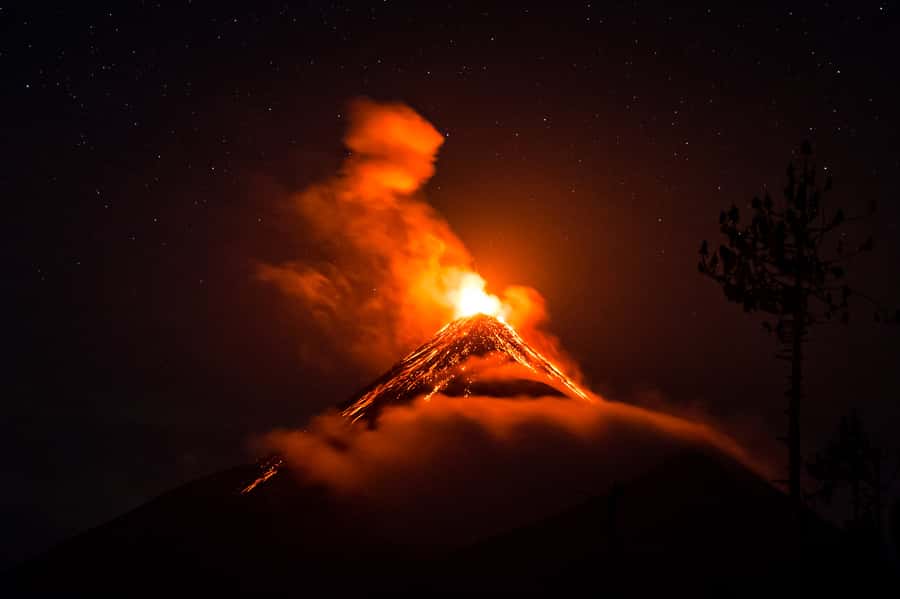
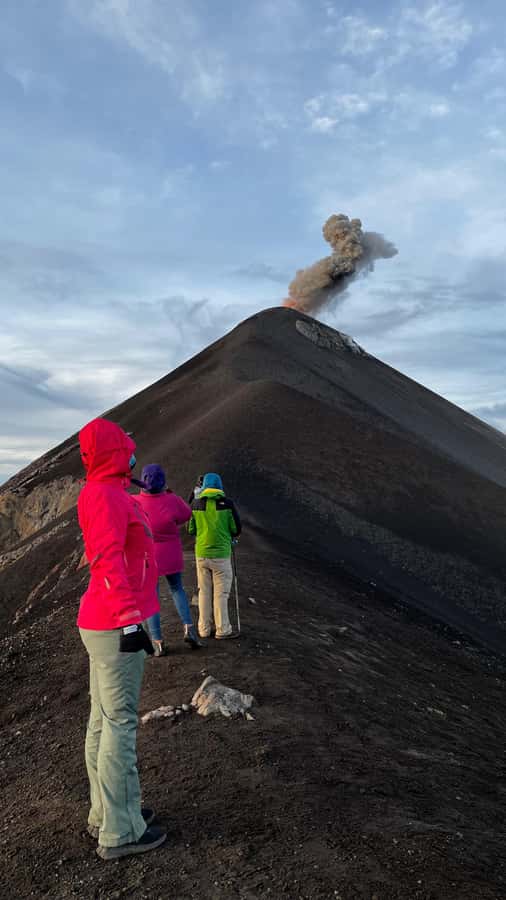
- Acatenango’s night camp: Volcán de Fuego can keep erupting from right across the valley
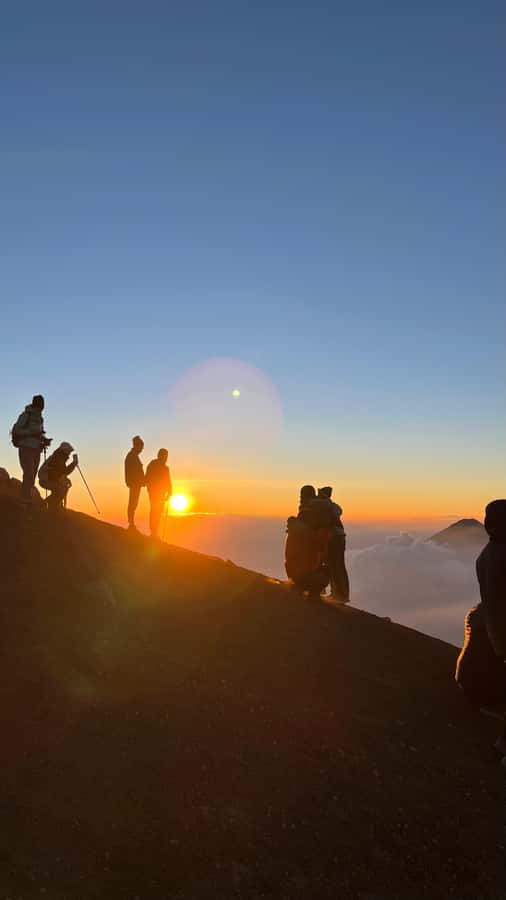
- A summit sunrise that’s not just pretty: panoramic views, and Pacific Ocean visibility on clear days
- 5-hour Day 1 climb: farmlands into cloud forest, then volcanic terrain
- Shared cabins with real sleeping gear: bed + mattress + zero-degree sleeping bag
- Optional extra Fuego hike: about 3 hours round trip, with a separate Q200 cost
- Gear is included, but you still need layers: cold at night is the main make-or-break factor
Why Acatenango feels different from other volcano treks
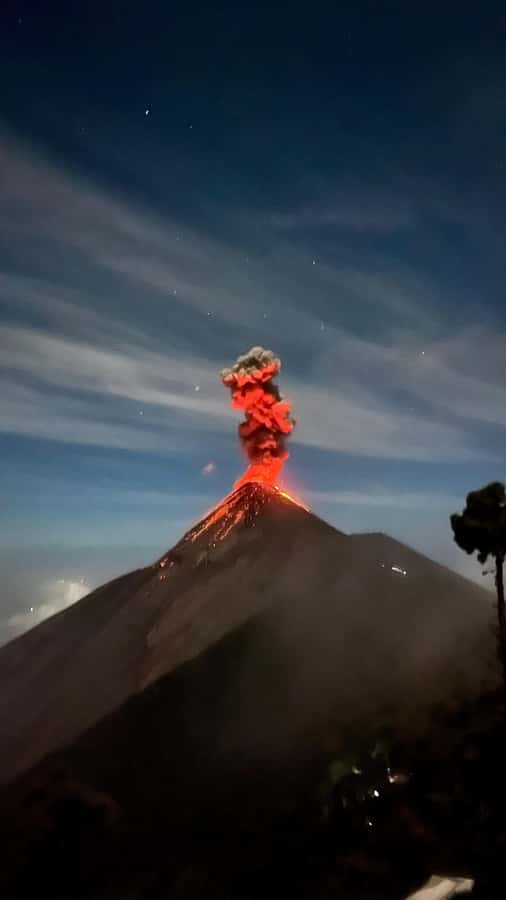
Acatenango is famous for one reason: it puts you in position to watch an active volcano next door. During the night, Volcán de Fuego eruptions can be visible from camp, which changes the vibe of the whole trip from sightseeing to something more intense and memorable.
What I like is that the tour doesn’t just promise a view. It builds a full arc: climb, camp, then climb again for sunrise. You get daytime hiking views and then the nighttime spectacle, which is why so many people call this a once-in-a-lifetime adventure.
You can also read our reviews of more tours and experiences in Panajachel.
The 2-day rhythm: Antigua pick-up to La Soledad trail
The experience starts with an Antigua meeting point pick-up between 8:30 a.m. and 9:00 a.m. at Barco Expeditions Office. You’ll ride in a shared minivan to a supply station where you’ll get included cold-weather items like a jacket, cap, and gloves, plus your food and water setup for the day. If you need it, you can also rent items like backpacks or flashlights before you begin.
After that, you head toward the trailhead near La Soledad Village. This is where you meet your local guide and get a safety briefing plus the hiking plan. It’s worth paying attention here, because the route mixes farmlands, cloud forest, and volcanic ground, and the footing can change fast.
Day 1: the 5-hour climb and base camp night with Fuego eruptions
Day 1 is built around a climb of about 5 hours up toward Acatenango’s base camp area near the summit zone. The trail starts easier than it feels later on, with stretches through farmlands and cloud forest, then it turns more volcanic and steep. You’ll stop often enough to hydrate and regroup, but it’s still strenuous.
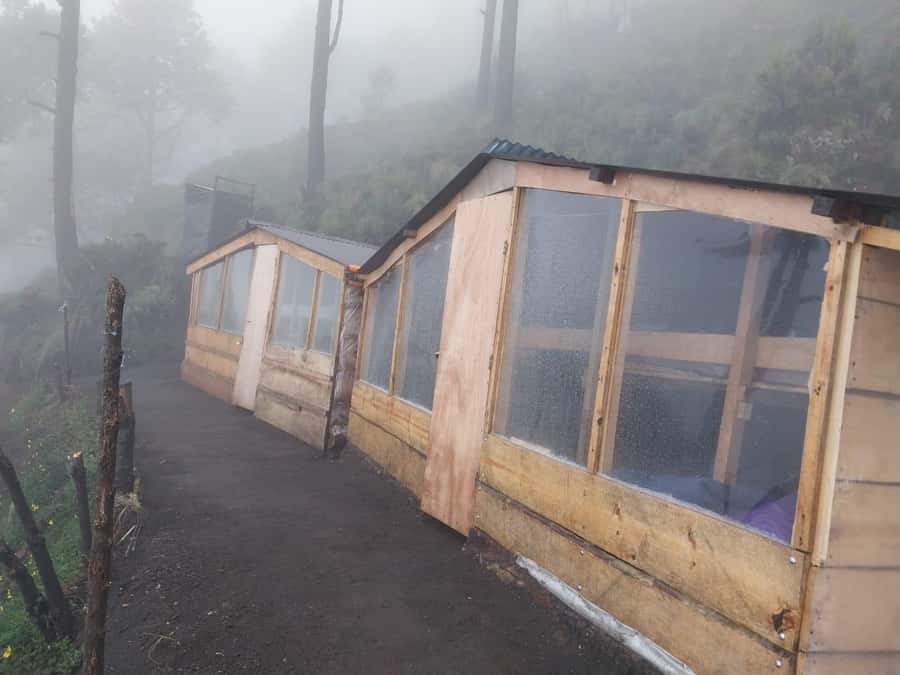
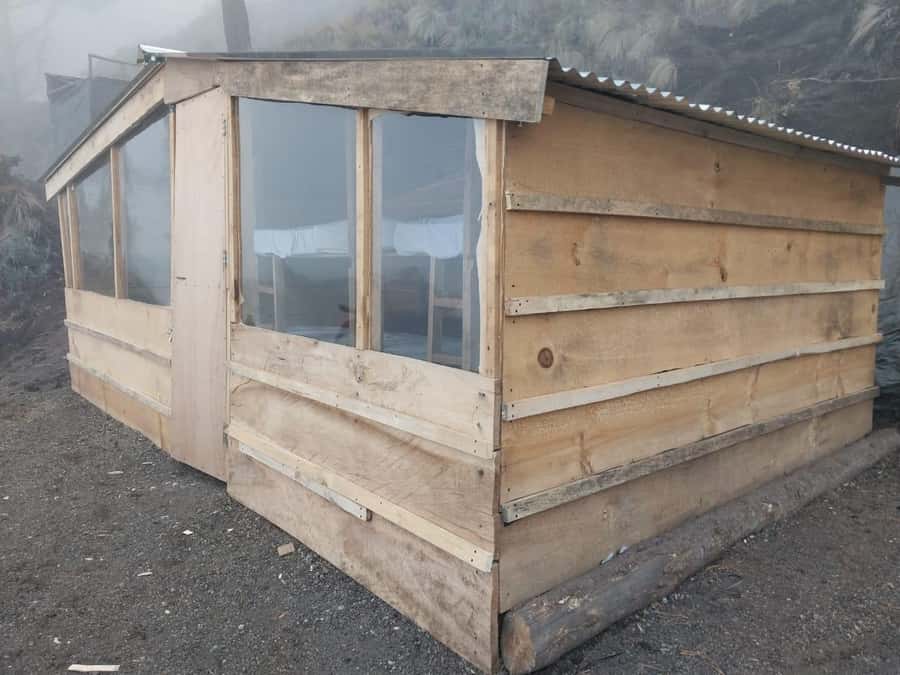
By late afternoon, you’ll reach camp and set up in shared cabins. These cabins are described as accommodating small groups (with listings stating up to 10 people per cabin, and other details noting up to 18 passengers across shared spaces). Either way, plan on close quarters and basic conditions, because this is a camping-style volcano overnight.
Then comes the big part: dinner, stars overhead, and the chance to watch Volcán de Fuego from camp. If you opt in, there’s also an optional extra trek to Fuego on Day 1 that’s about 3 hours round trip with an additional Q200 per person. If you’re thinking about doing it, I’d only add it if you’re sure you can handle one extra demanding hike on top of your first day.
Guides can make a real difference on this first night. Marcelo, for example, has been described as enthusiastic and practical, even helping with fire setup at camp. Abner has been praised for patience and keeping the group moving safely, which matters on steep, uneven ground when some people feel altitude effects late at night.
What sunset-to-night feels like in practical terms
The air gets cold quickly as the day ends, even when you’re still feeling warm from the climb. Once you’re in camp, your time becomes a mix of eating, settling in, and watching the eruption glow. If you want the best experience, plan to stay present rather than rushing back into your cabin.
Day 2: the optional 4 a.m. summit run for sunrise views
Day 2 starts early: at 4:00 a.m. there’s an optional sunrise hike to the Acatenango summit. If you go for it, you’re trading extra sleep for the big payoff—panoramic views over Guatemala’s highlands, and on clear days even a line of Pacific Ocean visibility.
The key idea: you don’t just climb for the view once. You climb once for the night camp, then you climb again for sunrise. That’s why the tour feels like a full adventure instead of a quick hike.
After the summit option (or after the return to base camp for breakfast), you pack up and descend back along the same general trail route. The descent usually feels longer than the ascent because you’re dealing with fatigue and slippery sections. By late morning or early afternoon, you’ll reach the trailhead and then head back to Antigua to end the trip.
Camp gear and the cold reality: cabins, zero-degree sleeping bags, and layers
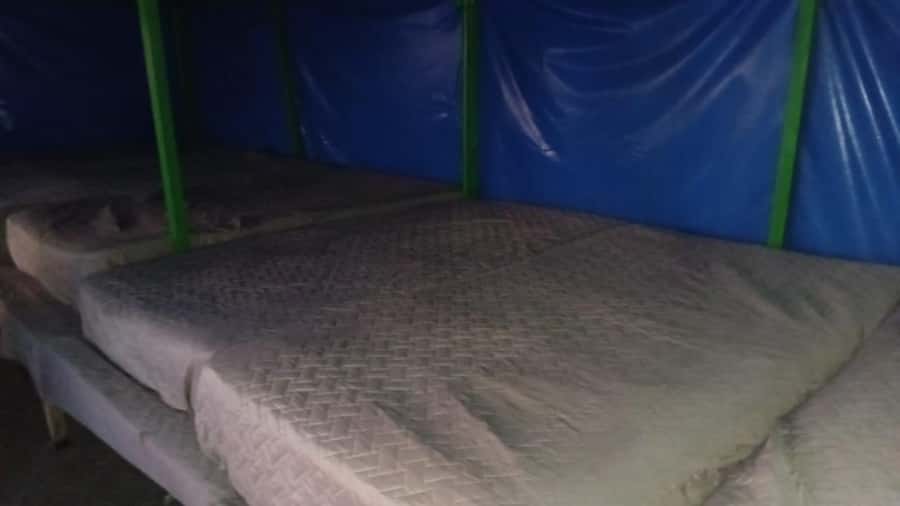
The tour includes a practical sleeping setup: bed, mattress, and a zero-degree sleeping bag, plus gloves, a cap, and a jacket. That’s a lot of value packaged into one price, and it saves you the hassle of buying or renting a full winter kit in Guatemala.
But here’s the honest consideration: the cold can still bite. One clear theme from the experience is that the included sleeping bag and clothing may not be thick enough for everyone, especially if you’re sensitive to cold or you stop moving. If you have any doubt, bring your own extra warm layers (and especially warmer socks).
Also, cabin conditions are basic. Expect a no-frills setup: shared spaces, simple bedding, and limited comfort once the temperature drops. The upside is that you’re not there to lounge—you’re there to watch eruptions and catch sunrise.
My packing rule for the night: add warmth, not weight
Don’t overthink the “perfect” gear. Focus on warmth you can layer quickly. A warm base layer, a thicker mid layer, and something wind-resistant can make you much happier at 2 a.m. than you’d expect.
Food, drinks, and what you should actually bring
On Day 1, you’ll have lunch and dinner, and you’ll be offered drinks like coffee, tea, or hot chocolate. On Day 2 you’ll have breakfast. You’ll also receive a bottle of water totaling about 3 liters, which is a big help on a steep hike.
Still, I’d treat meals as “fuel,” not a foodie event. Food is described as decent-to-basic by people who did the trek, so it’s smart to bring extra snacks for the climb. It also helps when your stomach is tired but your legs need energy.
The tour provides options for vegetarian, vegan, and gluten-free menus, which is great if you have dietary needs. You can also buy additional drinks along the trail, but don’t count on it as your main plan.
Practical items to bring from the tour list:
- warm clothing, long pants, and rain gear
- hiking shoes with grip (the ground can be slippery)
- sunglasses and sunscreen for daytime sun
- a flashlight/headlamp (you’ll appreciate it at night)
- biodegradable insect repellent
You’ll also want cash for entrance fees and any optional upgrades, because not everything comes included.
Price and extra costs: what the $53 covers (and what doesn’t)
The headline price is $53 per person for a 2-day guided volcano hike. For many hikers, this is strong value because it includes transport, a local guide, meals, and serious camping gear like a sleeping bag plus cold-weather items.
But you should budget for the costs that are separate:
- Entrance fees: Q100 (not included)
- Optional Volcán de Fuego extra hike: Q200 per person
- Luggage storage: Q15 each in Soledad Village
- Equipment rentals: wood poles (Q15 each), bag (Q50 each), and flashlight/backpack rentals if offered before you start
- Porter hire: Q250
- One-way horse support: US $100 each
On top of that, some people find that renting the gear feels more expensive if you show up without your own basics. If you already own hiking boots and a reliable cold-layer system, you can often keep costs lower than someone who needs everything from scratch.
So here’s how I’d judge value: if you have decent hiking shoes and you pack smart for cold, the base tour price looks like a bargain. If you need lots of rentals and you add the Fuego extra hike, expect the real total to climb.
Group pace, altitude, and safety on steep volcanic trails
This is a shared hike, and you’ll walk together at a steady pace with regular rest stops. The guides are supposed to manage the group so everyone stays safe and not left behind, which has been reflected positively by hikers who mentioned guides staying patient and informed.
That said, the terrain is tough. It’s steep, it can be slippery, and altitude can hit people when they’re already worn out. Some hikers have reported altitude sickness symptoms at night. The good part: guides can respond quickly by organizing help and adjusting plans.
One more practical point: language is Spanish-speaking for the live guide. If you don’t speak Spanish, you can still manage, but you’ll want to go with patience and keep instructions simple.
Who this tour is for, and who should skip it
This hike is not for everyone. It’s rated as challenging and not suitable for:
- children under 10
- people with back problems, heart problems, respiratory issues, epilepsy, diabetes, or kidney problems
- people over 309 lbs (140 kg)
- people over 70 years
If you have any health concerns, it’s smart to double-check with a medical professional before you book. And if you’re fit but new to altitude hiking, plan to take the first day slower than you think you need.
Booking verdict: should you do Acatenango with this 2-day setup?
I think you should book this tour if you want a classic Acatenango experience with the real hook: a night near camp where Volcán de Fuego can erupt across the valley, plus a sunrise summit option. The included guide time, meals, transport, and sleeping gear make it a strong value for a two-day volcano overnight.
Skip it or think twice if:
- you know you struggle in cold weather and don’t want to pack extra warm layers
- you aren’t comfortable with early morning starts and steep, slippery footing
- you want a comfortable, hotel-style overnight (this is cabins and camping-style sleep)
If you’re the type who can handle a tough climb in exchange for a view you’ll talk about for years, this is the kind of trip that delivers.
FAQ
What time does the tour pick up in Antigua?
Pickup is between 8:30 a.m. and 9:00 a.m. from the Antigua meeting point at Barco Expeditions Office.
How long is the Acatenango volcano hike experience?
The tour runs for 2 days.
Is the Volcán de Fuego extra hike included?
No. The extra hike to Volcán de Fuego is optional and costs Q200 per person.
What does the tour include for meals and drinks?
Day 1 includes lunch and dinner, and Day 2 includes breakfast. Drinks like coffee, tea, or chocolate are included, and you also receive bottled water totaling 3 liters.
Are entrance fees included in the price?
No. Entrance fees are Q100 and are not included.
What should I bring for the hike and overnight?
Bring warm clothing, hiking shoes, rain gear, sunscreen, sunglasses, a flashlight/headlamp, long pants, gloves, and biodegradable insect repellent. Extra snacks can also help.