REVIEW · BALI
From Bali: Ijen Volcano Sunrise Hike with Transfer & All Fee
Book on GetYourGuide →Operated by Jogja Borobudur Tour & Travel · Bookable on GetYourGuide
This is one of those trips where the night driving is part of the story. You get the long ferry ride over to Java, then a dawn-focused hike to Ijen’s crater to chase the rare blue fire and watch sunrise over the acid lake. I especially like the calm, organized feel—pickup in Bali, ferry tickets, and a small group capped at 12 with an English-speaking guide. One thing to weigh: it’s a tight 18-hour schedule with no food, plus the mountain top can be very cold, so you’ll need to plan for the grind.
The real emotional payoff is the human scale of it. You’re not just looking at a volcano—you’re seeing miners working sulfur up close, and that context makes the whole crater feel less like a theme park and more like daily life. The drawback is the blue fire isn’t guaranteed; you’re there for a natural phenomenon that depends on conditions.
In This Review
- Key highlights worth waking up for
- Bali to Ijen at night: why the long ride makes sense
- Price and value: what $98 actually buys you
- Crossing to Java: ferry timing, sleep strategy, and motion comfort
- Ijen basecamp to viewpoint: the dark hike plan that keeps you steady
- The crater rim: catching blue fire and staying safe around the fumes
- Sunrise over Java’s acid lake: why the timing feels magical
- Miners at work: the daily sulfur rhythm you can’t unsee
- The trek back down: tough knees, faster pace, and finishing strong
- What to pack (and what you’ll wish you brought)
- Who this trip is for (and who should skip it)
- The overall experience feel: small group, big moment
- Should you book the Bali to Ijen sunrise hike?
- FAQ
- How long is the Ijen volcano sunrise hike tour from Bali?
- How do I get from Bali to Java for Ijen?
- Is the blue fire guaranteed?
- What’s included in the price?
- Is food or drinks included?
- How much hiking is there?
- What should I bring?
- Is Ijen closed at some times?
- Is this tour suitable for everyone?
Key highlights worth waking up for
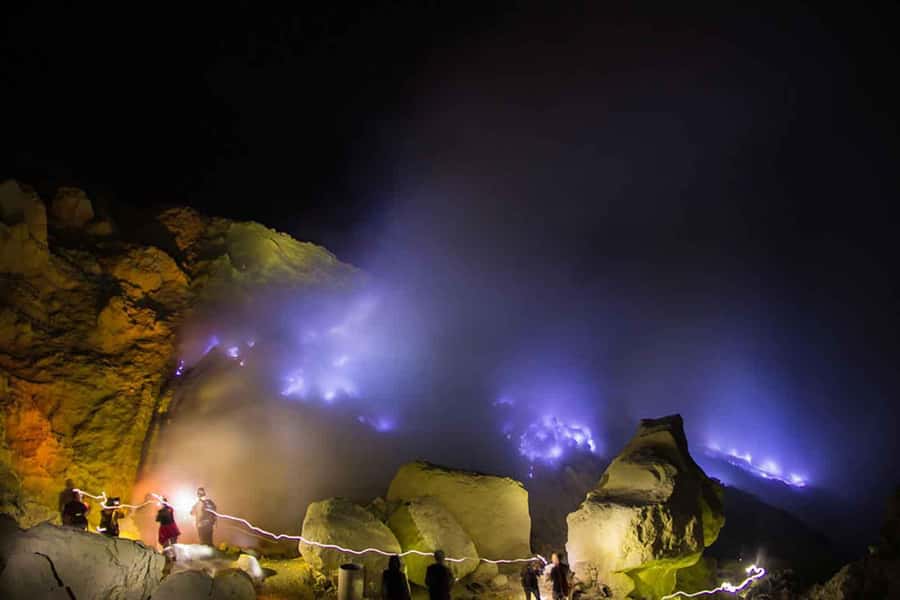
- Blue fire is the big draw, but timing and weather decide if you’ll see it
- Roundtrip Bali–Java ferry and transfers take the stress out of a long night journey
- A real dawn payoff: sunrise over Ijen’s crater lake and the glowing atmosphere at the rim
- Sulfur miners in action give you perspective on what happens here every day
- Small-group hiking (up to 12) with an English live guide and practical safety support
Bali to Ijen at night: why the long ride makes sense
First, know what kind of trip this is. It’s not a “quick day tour” from Bali—it’s an all-night push to reach Ijen in time for the crater experience, then back by mid-afternoon. That long road-and-ferry rhythm is the price you pay for getting to Java before the crater turns into daylight crowds.
I like that the planning is built around flow, not guesswork. You start with hotel pickup in Bali at night, then head toward Gilimanuk Port, cross by ferry to Ketapang Port, and continue by car to Ijen basecamp. When the timing is this tight, having transport handled end to end matters more than you’d think.
The small group size (limited to 12) also helps. When you’re hiking in the dark, the group spacing affects how smoothly the guide can keep you together and manage the descent. You’ll also have a live English guide, so you’re not hiking blind through a place that runs on local knowledge.
You can also read our reviews of more tours and experiences in Bali.

Price and value: what $98 actually buys you
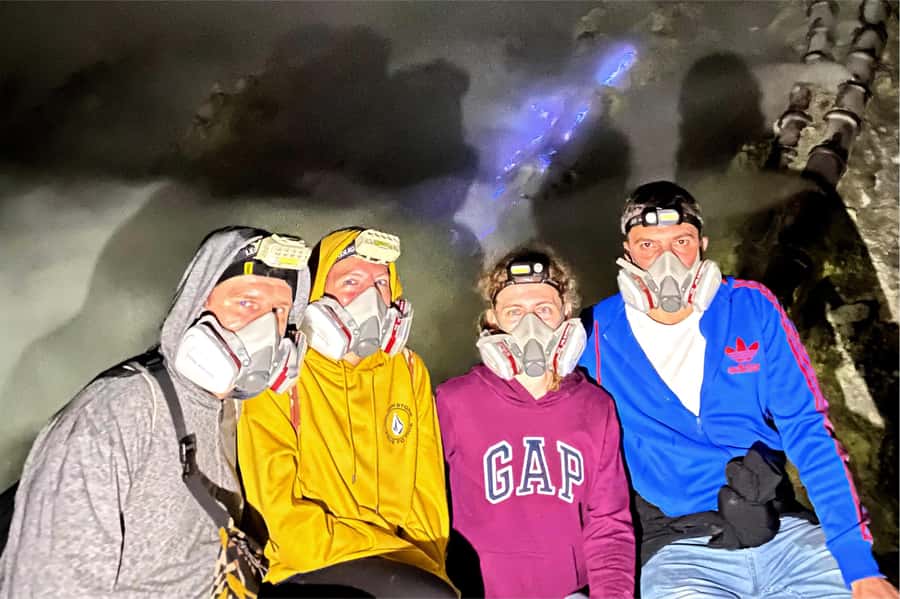
At $98 per person for an 18-hour experience, you’re paying for logistics and safety gear as much as scenery. The package includes hotel pickup and drop-off in Bali, entry fees, roundtrip ferry tickets, a local trekking guide, donations and tax fees, plus a mask and headlamp.
If you tried to do parts of this on your own, you’d quickly feel the pinch in three places: getting to the correct ferry timing, coordinating a driver for Java, and lining up a guided hike so you don’t waste energy finding the right route at night. Even if you can find a cheaper transport option, you still have the time risk—miss the schedule and you miss the crater window.
So where does the value show up most? In the stress-free part: you don’t have to figure out transfers at 2am energy levels, and you don’t have to hunt down the basic hiking gear. It’s also a good price for a small-group setup where the guide role is central to safety.
Crossing to Java: ferry timing, sleep strategy, and motion comfort
You’re traveling from Bali to Java (Banyuwangi area) specifically so you can reach Ijen at night. The route goes from your Bali pickup to Gilimanuk Port, then a ferry ride to Ketapang Port, followed by another drive to Ijen basecamp.
That ferry segment matters because it breaks up the long land route into a predictable block. It’s about 1 hour each way by ferry, so you can plan your rest instead of guessing. In practice, it’s a good time to eat a quick snack you brought, charge your phone, and settle your layers for the cooler air outside.
A practical thought: the drive is long, and roads can be busy. You might want to bring whatever helps you ride comfortably—water, a light cover for your head, and something for motion comfort if you’re sensitive. One plus from the experience format: the tour keeps the transfers organized, so you’re not getting shuffled between random local pickups.
Ijen basecamp to viewpoint: the dark hike plan that keeps you steady
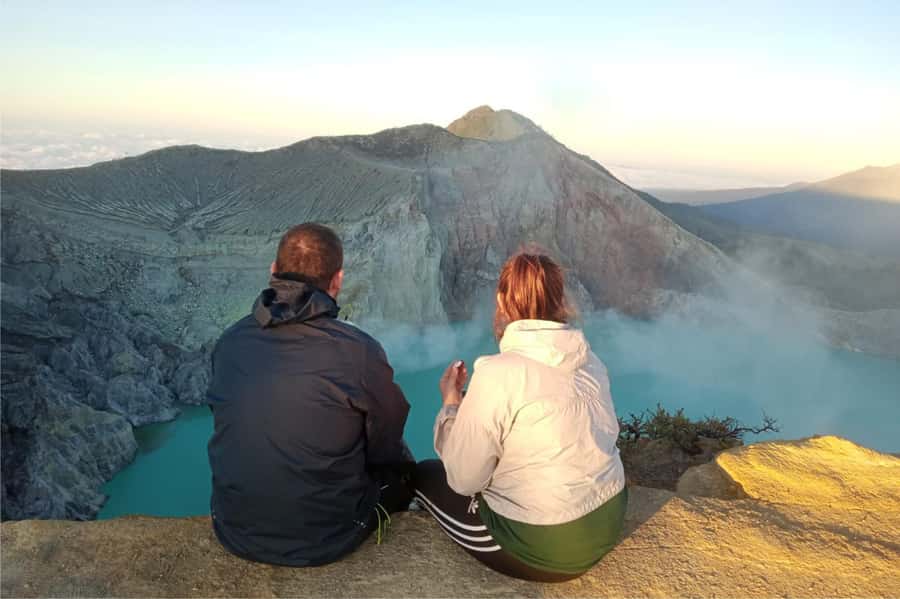
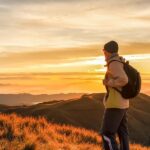
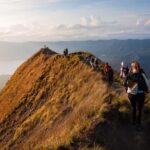
Once you arrive at Ijen basecamp, the hiking begins toward the crater viewpoint. Expect about 1.5 hours of uphill hiking before you reach your main lookout.
This part is where having a guide pays off. In the dark, you’re dealing with uneven ground and steep sections, and your pace matters. Guides on this route are repeatedly praised for keeping hikers moving at a safe rhythm—holding the group together, checking that everyone is steady, and helping people on tougher bits. If you’re going with a guide like Yanto, Sopi, or Rafi, you’ll likely get a strong safety focus and a lot of encouragement; names vary by departure, but the role is the same.
Bring warm layers even if it feels warm before you leave Bali. The top can be very cold at night, and you’ll be standing still long enough for chill to creep in. You also get a mask and headlamp as part of the experience, which is helpful because Ijen isn’t the place to rely on your phone light.
One more practical note: bring comfortable shoes and consider that you’ll be walking on rough, sometimes rocky ground later too. Good traction beats fashion every time here.
The crater rim: catching blue fire and staying safe around the fumes
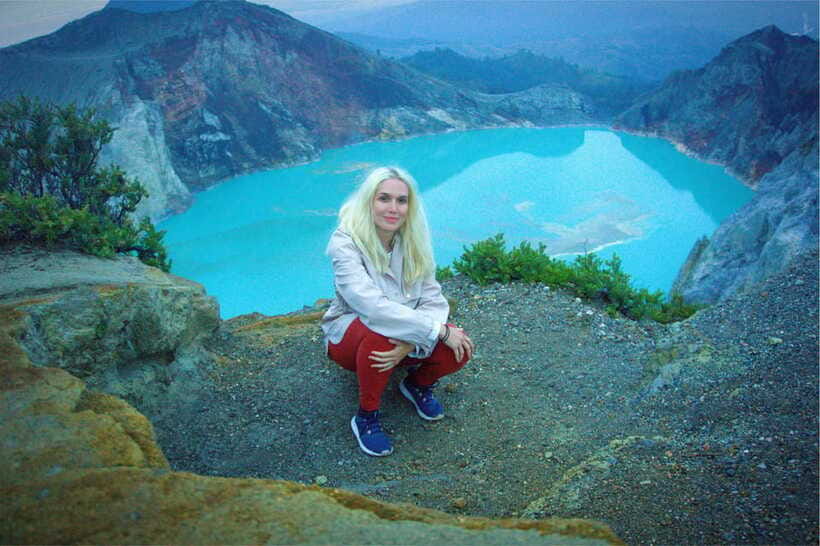
When people talk about Ijen, they usually mean the crater blue fire. You’ll have time for about 1.5 hours of crater sightseeing once you reach the viewpoint, and this is the window when the famous glow may appear.
But you should treat blue fire like weather-dependent theatre. The tour itself is clear that it’s not guaranteed. Conditions like visibility and atmospheric conditions can make it vanish or look less dramatic, even when you do everything right.
So how do you maximize your odds once you’re there? Stay positioned where your guide directs you, keep your breathing steady, and listen to safety instructions about the crater area. Your included mask is there for a reason, and it’s not something to ignore because you’re excited. You also get a headlamp, but once you’re at the rim, the guide will manage where and how you move so you don’t trip in the dark.
If you’re lucky, you’ll see the miners’ working area glowing from sulfur-related activity, and the blue fire makes that environment feel unreal. When it hits, it’s not just pretty—it’s a reminder that this landscape is actively alive with chemistry.

Sunrise over Java’s acid lake: why the timing feels magical
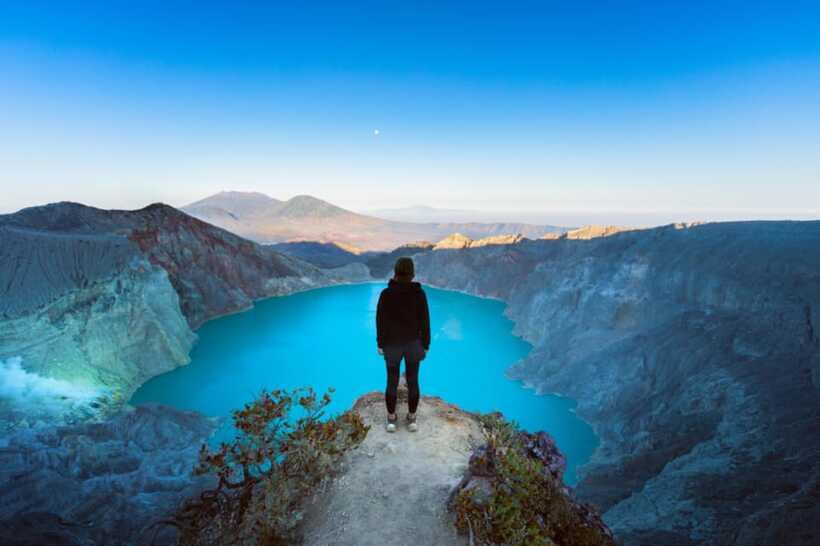
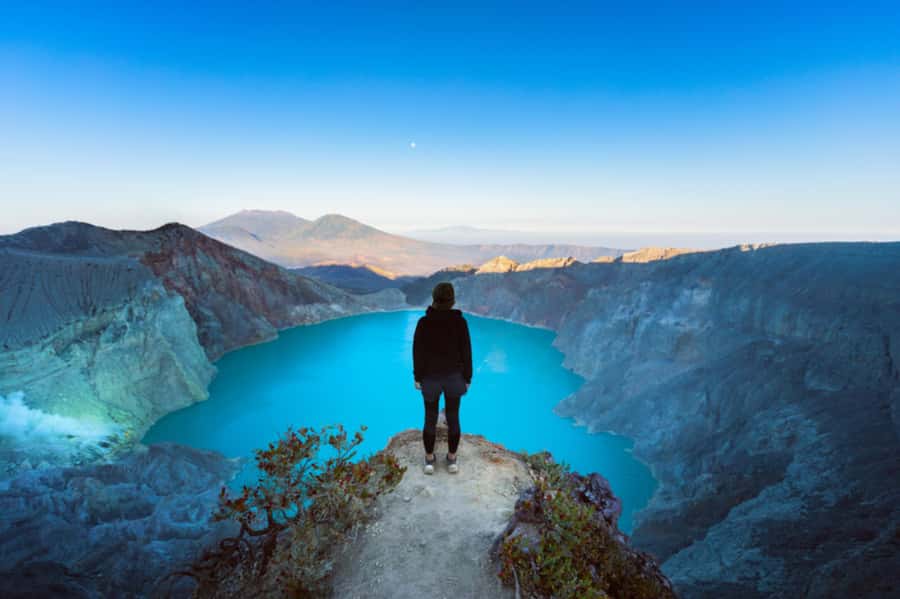
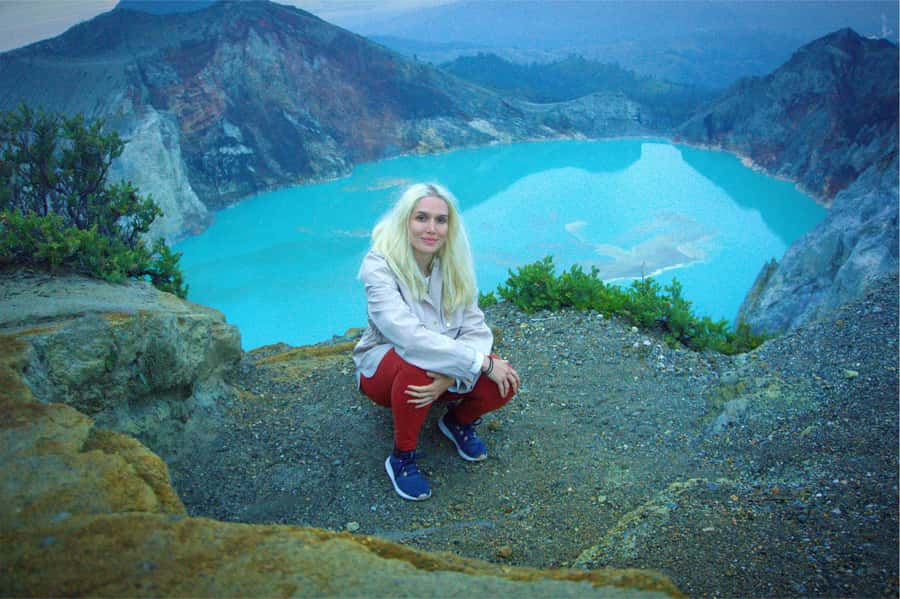
After the crater experience, the tour shifts from “stunning views” to “slow morning power.” Sunrise over the largest acid lake on Java Island is the planned payoff, and this is why you’re still going at this hour in the first place.
The acid lake is a big reason Ijen feels different from other volcano viewpoints. It’s not just a mountain; it’s an unusual water feature inside the crater, and sunrise changes how it reads visually. If you want the lake-level sunrise look specifically from the most dramatic angles, June to August is often mentioned as a strong season; outside those months, the views can still be excellent, just with different lighting and angles.
This is also when the guide’s explanations make the scene click. Your guide points out what you’re looking at—blue fire behavior, the crater layout, and how sulfur mining fits into the daily routine. Even if the science details aren’t your thing, the practical context is.
Miners at work: the daily sulfur rhythm you can’t unsee
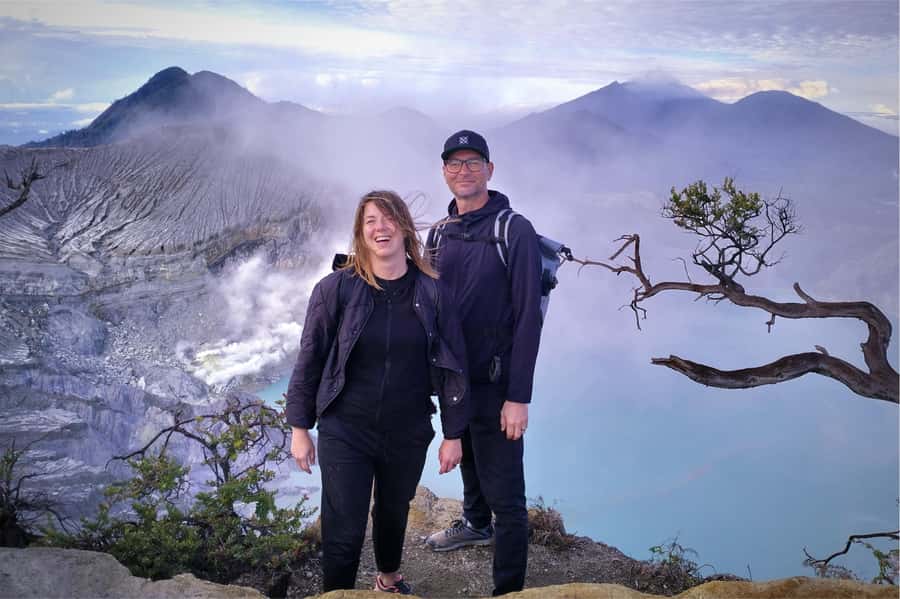
One of the most powerful parts of Ijen is seeing miners carry sulfur rock. It’s part of everyday life here, and standing at the rim gives you a stark sense of scale: you’re on a hike, but for these workers, this is a job with long hours and real physical demand.
This piece is also why I prefer Ijen with a guide. Without context, it can feel like a photo stop. With context, you see it as a human landscape—people making a living in harsh conditions, not just a backdrop for your sunrise photos.
I’d also be honest with yourself about how you react to that scene. If you’re sensitive to the sight of intense labor and harsh environments, give yourself a moment before you rush into photos. Take in what you’re seeing first, then decide how long you want to stay near the viewing points.
The trek back down: tough knees, faster pace, and finishing strong
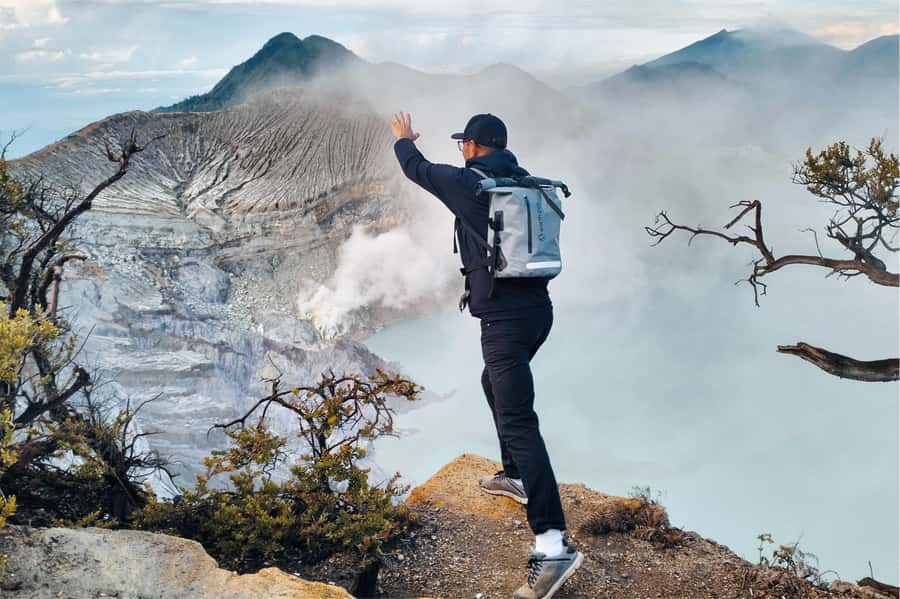
After crater time, you trek down and return toward the parking lot. Expect about 1 hour for the walk back, and it can feel harder than the uphill because you’re managing footing while your energy drops.
This is the stage where good footwear matters most. Your shoes should grip well, and you’ll want to pace carefully on uneven ground. If you have knee issues or are concerned about steep descents, this is the part to think through before booking.
The tour ends with your organized return journey to Bali, arriving back around 4:30 pm (give or take depending on departure timing and traffic). That end time is useful because you can plan your next day with less uncertainty. You won’t feel like you got stuck in a travel limbo.
What to pack (and what you’ll wish you brought)
Because the schedule is tight and food or drink isn’t included, pack snacks and water you’re comfortable carrying. Even if you eat dinner before pickup, you’ll likely want an energy boost during the long travel and between the ferry and hike start.
Here’s what you should bring, based on the experience requirements:
- Comfortable shoes with solid traction
- Warm clothing for the summit area (layering helps)
- Your passport (or a copy accepted, with a copy required after booking)
You’ll also receive a mask and headlamp, which saves weight and reduces what you need to buy. You might still want sunglasses if you hate bright glare, and a light hat or buff for the cold, because waiting at the rim can feel colder than moving.
Who this trip is for (and who should skip it)
This is for you if you want a sunrise volcano experience from Bali and you’re okay with a long day. The hike is challenging in the practical sense: you’ll be hiking in the dark, then dealing with a steep and rocky return. Guides often encourage hikers through those tough sections, but your legs still do the work.
It’s also a strong choice if you like the cultural side of travel. The miners’ presence adds real context, and your guide will connect the dots between the crater views and the sulfur mining that’s happening around you.
Skip this tour if the info says it’s not for you. It’s not suitable for pregnant women, people with heart problems, or people with respiratory issues. Also, if you know you struggle with cold nights or steep descents, plan carefully.
The overall experience feel: small group, big moment
What I like most about this tour is the balance between big spectacle and practical management. You’re chasing the blue fire, but you’re also getting structured hiking time, clear guidance, and equipment to make the climb doable.
You’ll notice that the best moments tend to happen when the group arrives early and moves with intent. The guides and drivers are part of that—long drives can be exhausting, but smooth driving and good coordination help you arrive with energy instead of wrecked nerves.
If you’re the kind of traveler who enjoys a mission-like trip—night pickup, ferry crossing, timed hike, dawn payoff—this fits your style. If you want a slow, flexible “wander and browse” day, you’ll likely feel rushed.
Should you book the Bali to Ijen sunrise hike?
If you’re willing to trade a full day of travel for one of Java’s most dramatic crater experiences, I’d say yes—with a few conditions. Book it if you want a structured night adventure, you can handle a steep hike and cold top conditions, and you’re ready for the blue fire to be a bonus rather than a guarantee.
Don’t book it if you’re not comfortable with intense physical effort, steep descent, or you fall into the trip’s listed unsuitability categories (pregnancy, heart problems, respiratory issues). And if you hate long journeys, consider that the ferry and road time are non-negotiable here.
My final advice: go in with clear expectations. Blue fire is luck, sunrise over the acid lake is the real target, and the miners are the human heartbeat of the crater. If that sounds like your kind of travel, this is a strong value way to do Ijen from Bali.
FAQ
How long is the Ijen volcano sunrise hike tour from Bali?
The total duration is listed as 18 hours, including pickup, ferry crossing, hiking, crater time, and the return drive to Bali.
How do I get from Bali to Java for Ijen?
You’re picked up in Bali at night, then travel to Gilimanuk Port, cross by ferry to Ketapang Port, and continue by vehicle to Ijen basecamp. The trip includes roundtrip ferry tickets.
Is the blue fire guaranteed?
No. Blue fire is a natural phenomenon and it’s not guaranteed, depending on conditions.
What’s included in the price?
Included: hotel pickup and drop-off in Bali, entry fees, health check certificate, English live trekking guide, roundtrip ferry tickets, donations and tax fees, plus mask and headlamp.
Is food or drinks included?
No. Food and drinks are not included, so you should bring your own snacks.
How much hiking is there?
You hike approximately 1.5 hours to the crater viewpoint, then later you walk back down with about 1 hour of walking after the sightseeing time.
What should I bring?
Bring comfortable shoes and warm clothing. The tour also requires your passport (a copy is accepted), and you may be asked to send a passport copy after booking.
Is Ijen closed at some times?
Yes. Ijen is closed on the first Friday of every month.
Is this tour suitable for everyone?
No. It is not suitable for pregnant women, people with heart problems, or people with respiratory issues.