REVIEW · AGIA ROUMELI
From Heraklion: Samaria Gorge & Agia Roumeli Hiking Day Trip
Book on GetYourGuide →Operated by Cretan Odyssey · Bookable on GetYourGuide
Samaria Gorge is Cretan hiking with a real payoff. I like how the day starts with a big White Mountains drive, then lands you in the Agia Roumeli beach at the end, so the trip feels like more than just a “walk and go back.” The trek’s the star, but the whole route does something smart: it gets you across the island fast, then rewards you with sea time.
I’ll be blunt about the downside: this is a long, downhill-heavy hike. Plan for tired legs, watch your footing, and come in with proper shoes—because this isn’t the trail for sore backs or a casual stroll.
In This Review
- Key takeaways before you commit
- From Heraklion pickup to Omalos: the scenic warm-up
- Samaria Gorge trek: where the hike earns its reputation
- What makes the gorge worth it
- Guide support: you’re not being hand-held the whole time
- A simple strategy that helps
- The Omalos stop and the start-zone planning you’ll thank yourself for
- Toilets and water: useful, but don’t treat them like vending machines
- Agia Roumeli: the beach reward after the steep work
- Why the village stop is more than a rest break
- The one catch: timing affects how much beach time you really get
- Ferry back to Sfakia and the long return by bus
- Bus logistics tip that matters
- Cost and value: what the $58 includes (and what you’ll add)
- What to pack for Samaria Gorge (so you don’t suffer on purpose)
- One safety note that comes up a lot
- Who should book this and who should skip it
- Should you book the Heraklion Samaria Gorge day trip?
- FAQ
- How long is the trip from pickup to drop-off?
- What’s included in the price?
- Is the Samaria Gorge entrance fee included?
- Is the boat ticket from Agia Roumeli to Sfakia included?
- What should I bring for the hike?
- What languages is the live tour guide available in?
- Is there free cancellation?
Key takeaways before you commit
- The gorge walk is the main event: roughly 16 km on rocky, uneven ground, with a steep downhill feel on joints.
- Omalos is your mountain gateway: you pass through the high-mountain area before you ever step into the canyon.
- Agia Roumeli gives you an actual reward: time to swim and refuel in a small seaside village.
- The boat saves time and effort: you take a ferry back to the Sfakia area, then continue by bus.
- Bring cash for the add-ons: entrance and boat are not included, and some payments are handled at the start or bottom.
- A good guide helps you stay on track: guides like Maritsa (multi-language) can make navigation and timing easier, especially for the ferry back.
From Heraklion pickup to Omalos: the scenic warm-up
You start with pickup from multiple towns around eastern Crete, including Heraklion and resorts like Malia, Sissi, Stalida, and Hersonissos (the exact stop and time come by email after booking). The early timing is part of the deal. You’ll be on the road well before most people wake up, because Samaria Gorge is on the west side of the island and you need daylight to finish at the sea.
Once you’re moving, the day shifts from “vacation mode” to “road trip mode,” with a comfortable coach ride and planned breaks. There’s typically a short stop for coffee or a snack, plus bathroom time before the long drive west. You’re also buying yourself options: if you forgot something (or want a lighter breakfast plan), there’s usually time to pick up supplies along the way.
The drive keeps the focus on what you’ll be hiking: you go toward the White Mountains region, passing through the high area around Omalos. Even before the gorge, this part matters because it sets expectations. The terrain isn’t gentle. You’re heading into a canyon, so your body will feel it later—especially on the way down.
One practical consideration: the farther east you’re picked up, the longer your transfer time tends to feel. Some people report it as a long day from Heraklion, but the payoff is that you don’t need to coordinate separate transport at the start and finish.
Samaria Gorge trek: where the hike earns its reputation
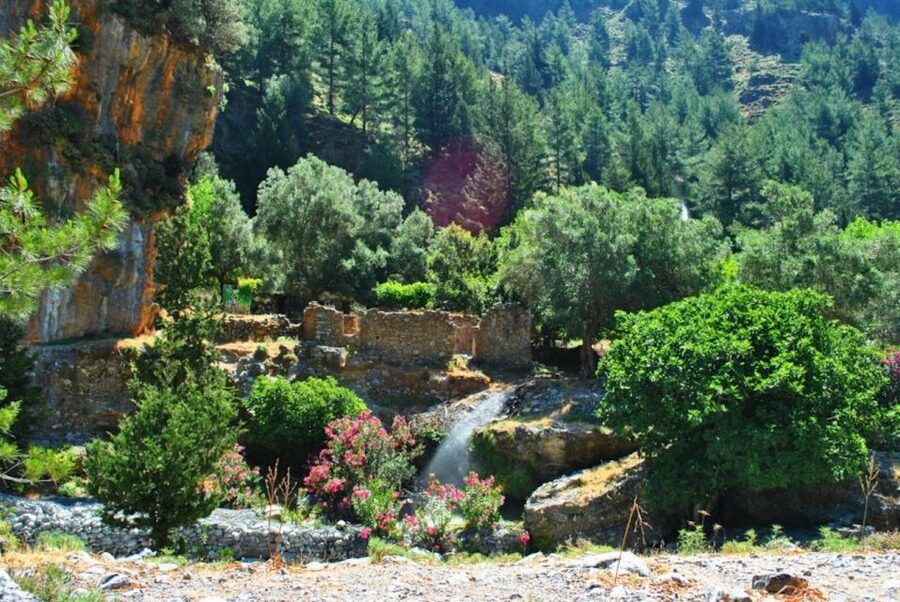
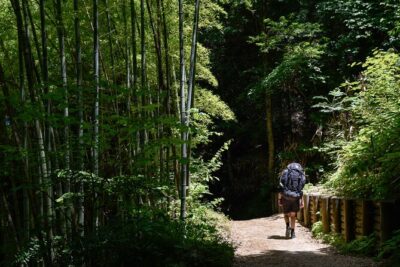
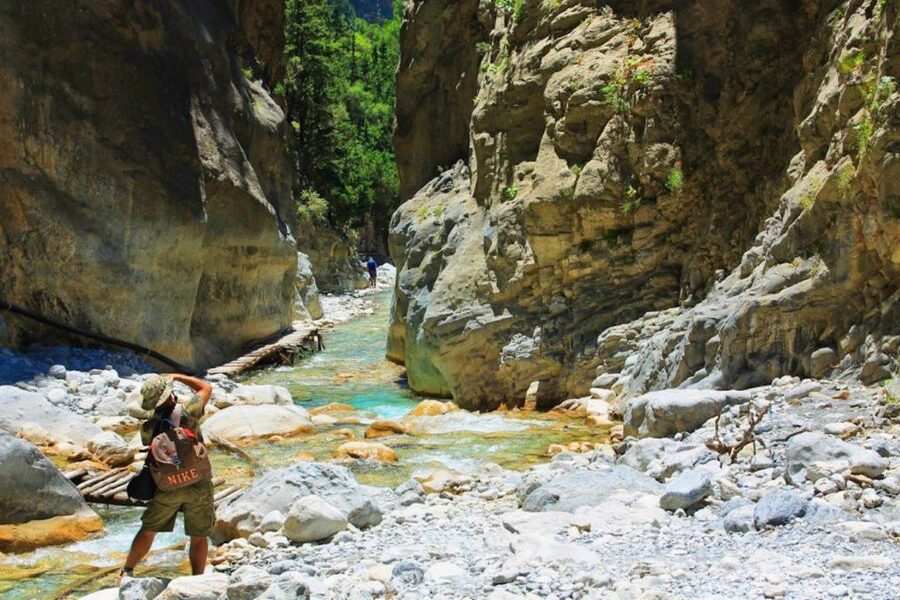
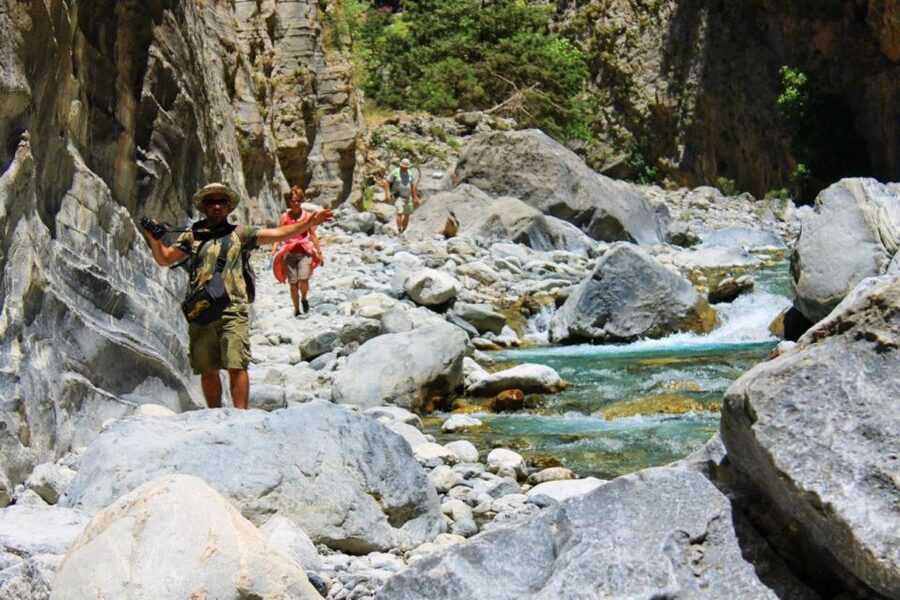
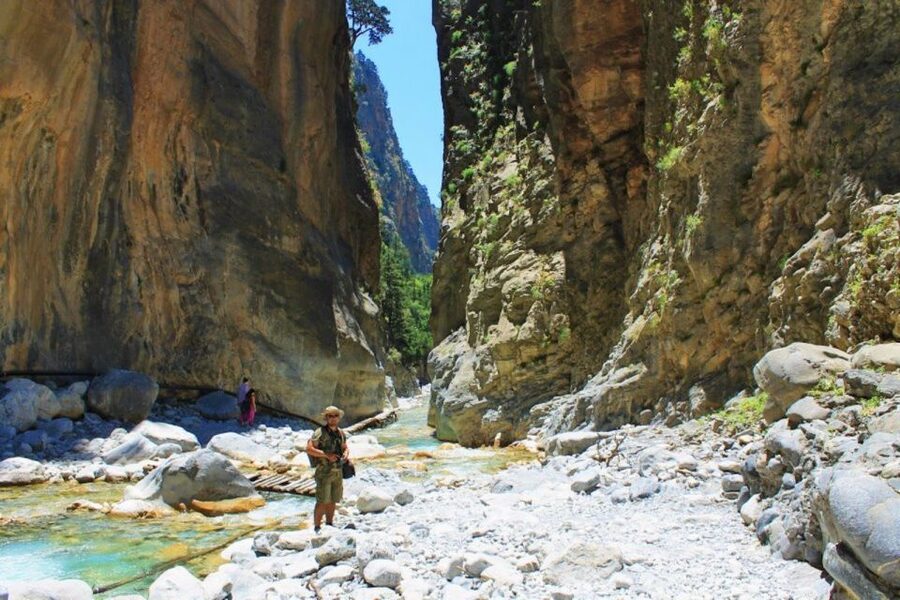
Samaria Gorge is famous for a reason: it’s dramatic, physically demanding, and built around a long downhill route. Most schedules focus on about 4.5 hours in the gorge area, with the understanding that you hike at your own pace while a guide helps keep the day structured.
Here’s the truth about how it feels on your body:
- You’re mostly going down, so your quads and knees do more work than you’d expect.
- The ground can be uneven and slick, even when it looks stable.
- The early section can be tougher than your brain expects, with rocky steps and uneven footing.
Several hikers clock the total effort as more than just 16 km, with an extra stretch once you reach the bottom area before you’re fully done. So I’d plan your day like it’s closer to an 18 km workout. It’s not the distance that scares people—it’s the downhill pressure on joints.
What makes the gorge worth it
This is one of those rare trips where the views don’t show up only at the end. You get:
- Narrowing canyon moments where the walls feel close (pay attention to where you’re stepping).
- Views toward the surrounding mountains early on and again near the later sections.
- Water points and toilets in the gorge, which makes the hike more manageable than it would be without them.
And yes—part of the fun is the wildlife vibe. You might spot the Kri-Kri, the small wild goat associated with Crete. In the best moments, you get that sense you’re walking through a living ecosystem rather than a scenic corridor.
Guide support: you’re not being hand-held the whole time
The trekking guide typically keeps the group informed, gives instructions, and stays present for safety and timing. In some departures, the guide hikes at the back with the slowest walkers to make sure no one gets separated. There are also rangers along the route if you need help, which is comforting if you’re not a confident off-trail hiker.
What this means for you: you’re not stuck listening the entire time. You hike your pace, but you still get the structure you need to catch the ferry and bus later.
A simple strategy that helps
One easy way to enjoy the best views is pacing. If there’s a forest section you feel feels slower, try not to crawl through it. Keep moving at a steady walk so you have more time for the canyon parts where the scenery is strongest.
The Omalos stop and the start-zone planning you’ll thank yourself for
Before you enter the gorge, there’s a set-up moment around Omalos/entry area where you can make sure your gear is ready. This is when you should do your “no regrets” checks:
- Put water in your bottle.
- Check you’ve got sunscreen and a hat you’ll actually keep on.
- Confirm you have the right footwear (more on this below).
- If you need to buy a trekking stick, there may be a chance at the entrance-area cafe—some hikers mention buying one there for about €15.
This pre-hike window is also when you’ll feel the gorge’s rules. Closed shoes are the expectation. Sandals are a no-go for gorge entry. If your hiking shoes are flexible and grippy, great. If they’re worn out, this is the day to replace the soles rather than “hope for the best.”
Toilets and water: useful, but don’t treat them like vending machines
There are water stations and toilets in the gorge, which helps. Still, the smarter move is to keep water use consistent from the start, not only at “emergency moments.” You’ll feel better, and it helps you maintain pace.
Agia Roumeli: the beach reward after the steep work
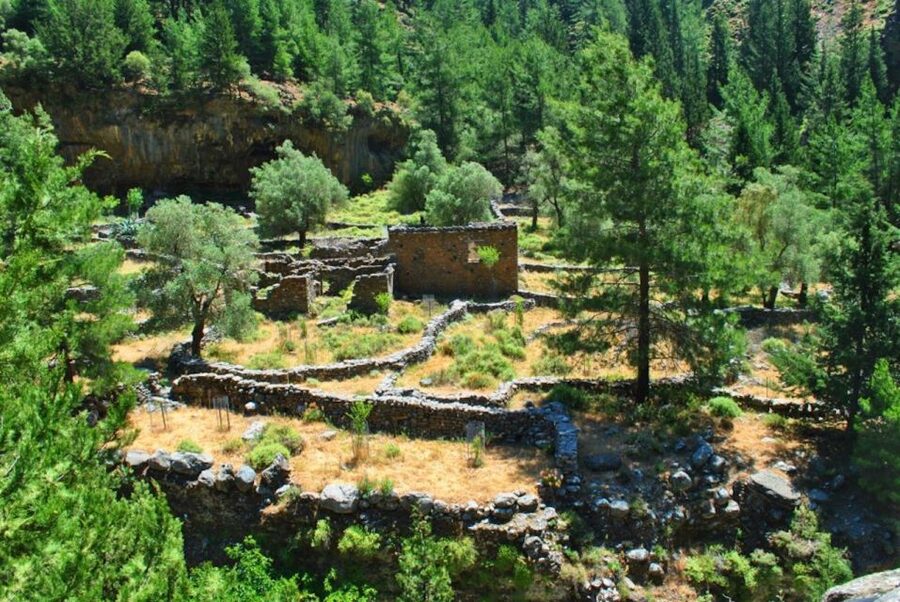
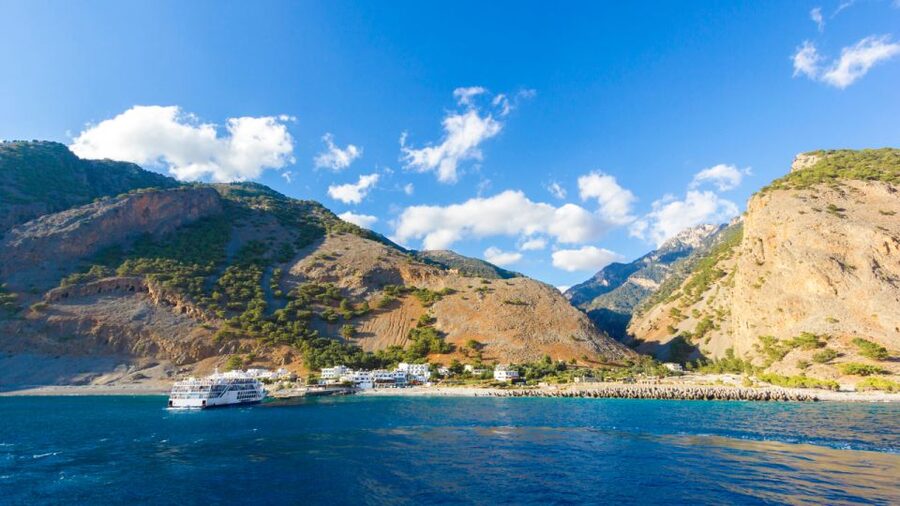
Once you exit the gorge, you land in Agia Roumeli, a small village by the Libyan Sea. This is the payoff that makes the long day feel worth it. Instead of marching back toward your hotel, you get time to reset: explore the village a bit, eat, and (if you want) cool off in the sea.
Expect the rhythm to be simple:
- A break period for lunch or snacks.
- Time to swim and enjoy the view from the waterline.
- A later meeting for the next leg of the day (ferry timing matters).
Why the village stop is more than a rest break
Agia Roumeli is isolated enough that you get a proper “end-of-hike” feeling. The surrounding rocks and sea create a different mood from Heraklion’s port energy. And because you’re arriving after a long descent, even a short swim feels like recovery therapy.
Food is available, and some hikers specifically rave about a simple end-of-gorge refresh like fresh orange juice from a cafe near the exit. I’d still come hungry. Your legs will expect it.
The one catch: timing affects how much beach time you really get
You can swim, but it depends on when you finish the gorge and how fast the group flow is that day. If you’re aiming for a full beach moment, don’t over-slow the early sections. You’re not racing, but you are managing daylight.
Ferry back to Sfakia and the long return by bus
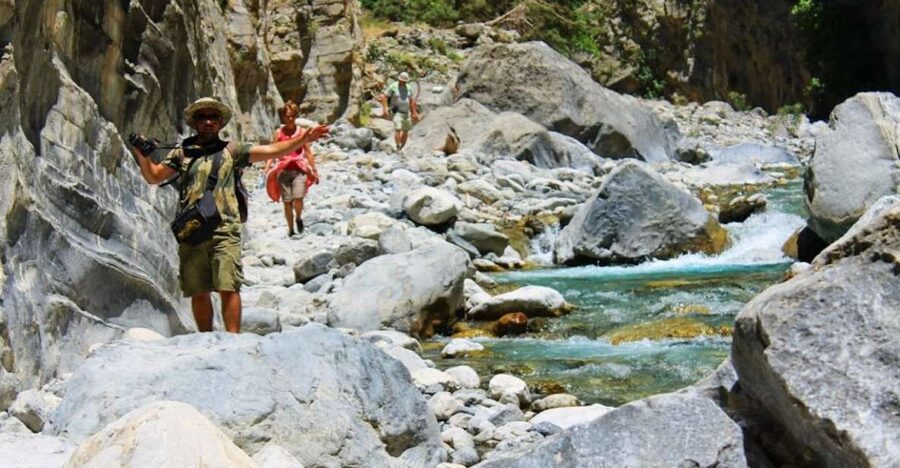
After your sea time, you take a ferry that brings you back toward the Chora Sfakion/Sfakia area. The ferry ride is often described as a highlight because it breaks up the travel fatigue. It’s also another view moment: you’re looking at the coast from the water while the day’s temperature drops a bit.
Then you continue by bus/coach for the return segments. This is where the day stretches out. Some schedules report a return to hotel around 10:30 pm, and other reports match the general pattern: early start, big travel blocks, gorge time, then a late drop-off.
Bus logistics tip that matters
Plan for the return like a marathon day, not a quick excursion. Bring a layer you can manage later in the evening, and expect your body to feel it most during the transfer back, not just on the hike.
Cost and value: what the $58 includes (and what you’ll add)
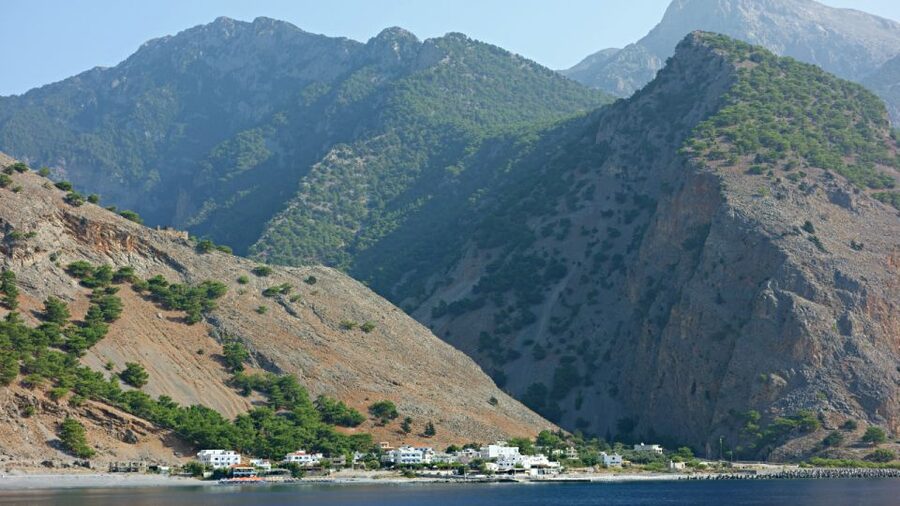
The price is advertised around $58 per person, but the best value comes from understanding what you’re paying for.
Included:
- Hotel pick-up and drop-off
- Air-conditioned bus transportation
- Professional driver
- Trek guide during the hike
- Liability travel insurance
Not included:
- Samaria Gorge entrance (about €10/person)
- Lunch and snacks
- Drinks
- Boat ticket from Agia Roumeli to Sfakia (about €15/person)
So you should budget an extra €25 for the two big must-pays (entrance + ferry), then add what you choose for lunch, drinks, and any snacks you don’t bring. In plain terms: this isn’t just “pay for the gorge.” You’re paying for transport across the island and the one-way logistics of getting back from the sea.
If you’re trying to DIY, the real hard part is coordinating the start and finish without losing daylight. That’s why this package often feels like value even when it costs more than a simple ticket.
What to pack for Samaria Gorge (so you don’t suffer on purpose)
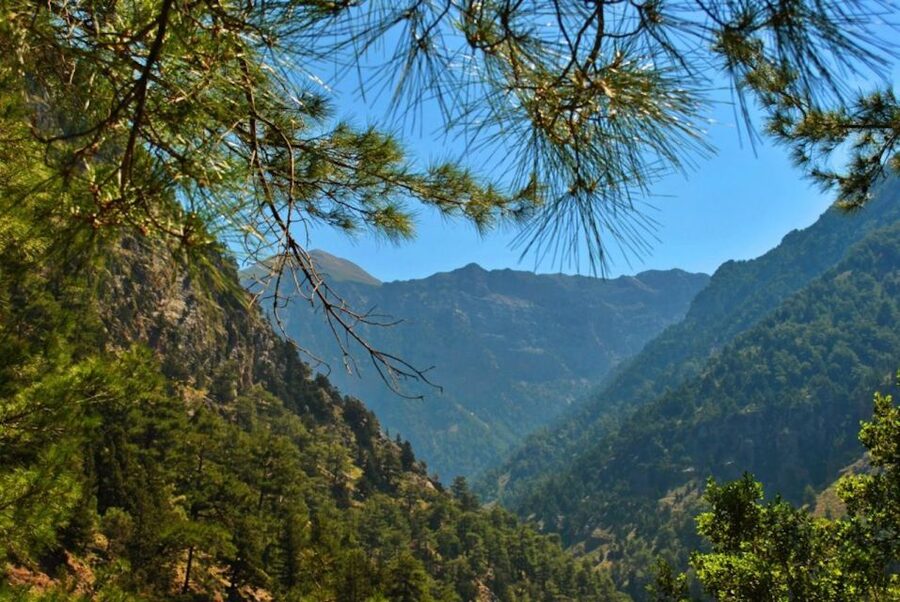
Bring what keeps your feet stable and your sun exposure under control. This is the day where small mistakes compound.
You’ll want:
- Hiking shoes with solid grip (athletic shoes can work for some, but they’re not ideal on slippery rocks)
- Sunglasses and sunscreen
- A hat
- Swimwear and a towel (for Agia Roumeli beach time)
- Water
- A simple pack you can carry without dangling straps
One safety note that comes up a lot
Descending is the trouble zone. If your shoes have enough ankle support and your soles grip well, you’ll reduce the chance of slips. If you’re prone to knee stress, plan to walk carefully early rather than “banking speed” for later.
Some hikers also mention that sticks are a lifesaver and can be bought near the entrance-area cafe. If you already use trekking poles, bring them. If you don’t, consider renting or buying a stick if the chance is there.
Who should book this and who should skip it
This trip fits best if you’re:
- In good physical shape and comfortable with a steep downhill walk
- A confident walker on uneven rock
- Ready for a long day of transport plus a real hiking workout
- Happy to finish at the sea and do a swim
It’s specifically not suitable for people listed as:
- Pregnant women
- People with back problems
- People with heart problems
If you’re on the fence because you’re not a “real hiker,” be honest about your joints. One thing that repeatedly shows up is that the downhill pressure is what hurts most, not the walking mechanics alone.
Should you book the Heraklion Samaria Gorge day trip?
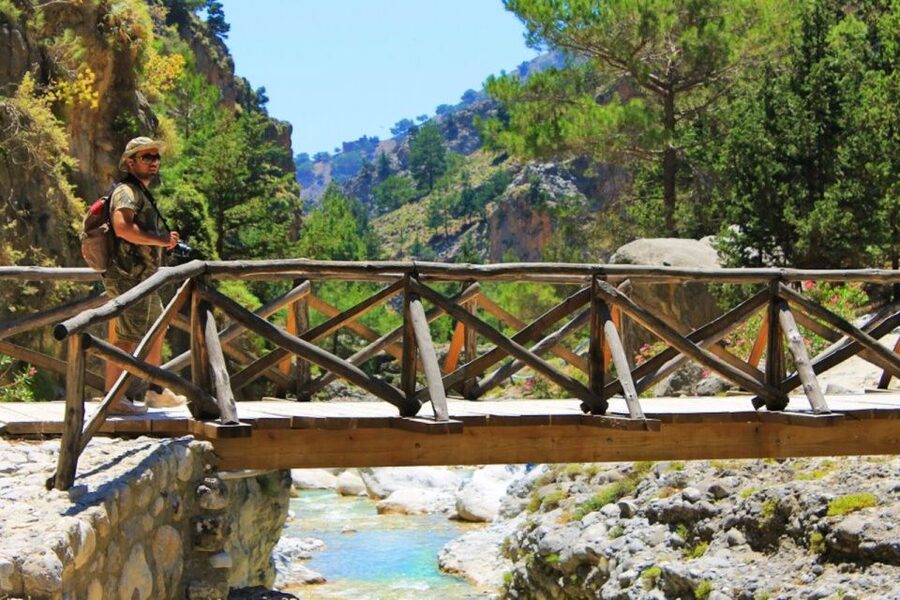
Book it if you want an all-in-one day that combines a famous canyon hike with a genuine beach ending—without the chaos of coordinating transport from start to finish. The value is strongest if you’re staying on the east side of Crete, since the included pickup and return transfers handle the hardest logistics.
Don’t book it if you:
- Can’t handle long travel and an all-day schedule
- Hate uneven rocky terrain or have knee/back issues
- Don’t have proper footwear and aren’t willing to buy the right gear
If you do book, go in smart: wear your best grippy shoes, keep water steady, and treat the hike like a carefully paced descent rather than a sprint. You’ll still earn the view.
FAQ
How long is the trip from pickup to drop-off?
The day runs about 15.5 to 17.5 hours total, including pickup, travel, time in the gorge, beach time in Agia Roumeli, and the return ferry and bus ride.
What’s included in the price?
Your ticket includes hotel pick-up and drop-off, transportation in an air-conditioned bus, a professional driver, a trek guide during the hike, and liability travel insurance.
Is the Samaria Gorge entrance fee included?
No. Entrance to Samaria Gorge costs about €10 per person and is not included.
Is the boat ticket from Agia Roumeli to Sfakia included?
No. The boat ticket costs about €15 per person and is not included.
What should I bring for the hike?
Bring sunglasses, a hat, swimwear, a towel, hiking shoes, sunscreen, and water.
What languages is the live tour guide available in?
The live tour guide is available in Dutch, English, French, Polish, and German.
Is there free cancellation?
Yes. You can cancel up to 24 hours in advance for a full refund.