REVIEW · PUEBLA
From Puebla: Hiking in the Iztaccíhuatl all included
Book on GetYourGuide →Operated by Unlimited Experiences Puebla · Bookable on GetYourGuide
One wrong breath at altitude is enough to make you respect this day. The payoff is a guided high-altitude hike in Iztaccíhuatl-Popocatépetl National Park at about 3,500m, plus the historic Paso de Cortés route with big volcano views. I like how the day is structured around a clear goal (La Joya), and I like the way you get real support from a bilingual guide on a demanding trek. The main drawback to plan around is visibility: if it’s cloudy, you may not get the dramatic Popocatépetl/Iztaccíhuatl panorama the day is famous for.
Guides can make or break a long mountain day, and this one has a strong track record. In different groups, I saw names like Hiram, Arron, Ariel, Pablo, Olivia, Juan Pablo, and driver Eduardo tied to calm pacing, friendly energy, and useful context about what you’re seeing. Just be aware this isn’t a casual walk, and the park is closed on Mondays, so you’ll want to pick the right day.
In This Review
- Key things I’d bet you’ll care about
- A High-Altitude Day Trip From Puebla: What You’re Really Signing Up For
- Hotel Pickup and the Drive to the Iztaccíhuatl-Popocatépetl Checkpoint
- Paso de Cortés: The 14 km Trail and Why the Route Matters
- La Joya at 3,900m: Views, Breathing, and Photo Stops
- Guides, Safety Gear, and Altitude Monitoring (What’s Included)
- Gear and Pacing Tips: Footwear, Water, and Food Planning
- Weather, Visibility, and the Popocatépetl View Reality
- Who This Hike Is For (and Who Should Skip It)
- Price Value: Is $110 Worth It for This Volcano-Adjacent Adventure?
- Should You Book This Iztaccíhuatl Hike From Puebla?
- FAQ
- How long is the hiking tour?
- Where does the tour start?
- How long is the hike and how far do we walk?
- How high do we hike?
- Are the guides bilingual?
- What safety items are included?
- What should I bring?
- What footwear is required?
- Is lunch included?
- Is the park open every day?
Key things I’d bet you’ll care about
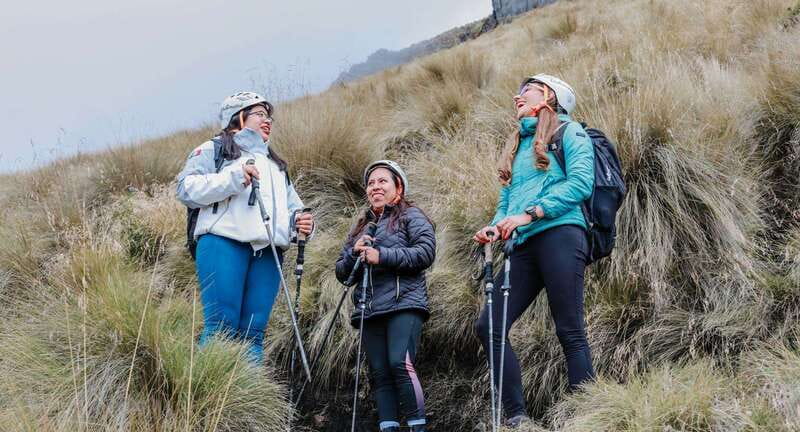
- Paso de Cortés (14 km round trip): a historic mountain pass route with repeated chances to stop, breathe, and look back.
- La Joya at 3,900m: the hike’s main viewpoint where you’ll pause for panoramas.
- Bilingual guiding (English/Spanish): support for pace plus interpretation of geology and biodiversity.
- Altitude safety kit included: first-aid supplies and an oximeter for monitoring.
- You bring your own lunch: the tour doesn’t include food, so plan snacks and meals.
A High-Altitude Day Trip From Puebla: What You’re Really Signing Up For
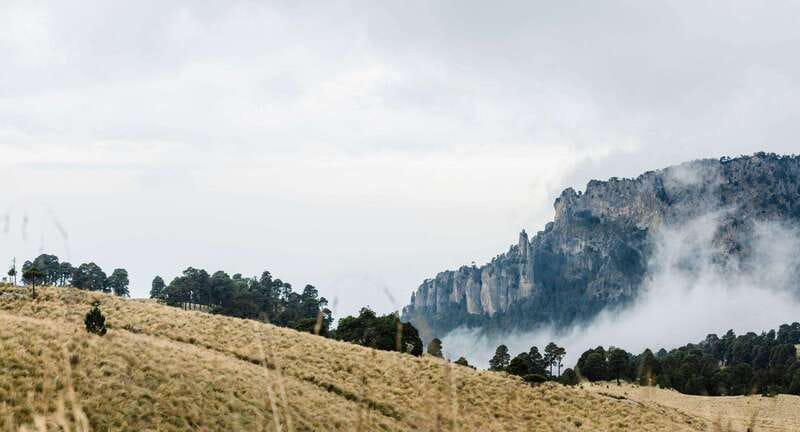
This is a serious mountain day, not a “stretch your legs” outing. You’ll start hiking in Iztaccíhuatl-Popocatépetl National Park at roughly 3,500m and head for La Joya at 3,900m, where the air gets thin and slow walking feels like work.
What I like is that the tour’s design matches the reality of altitude: you have an expert guide setting the pace, time to rest and take photos, and safety gear in the group. That matters because at these heights, confidence comes from preparation, not bravado.
The other truth: you’re going for volcano views. If the sky is socked in, you still get the hike and the pass, but the famous sightlines can disappoint. That’s not the tour’s fault, but it is the key variable you should respect.
Hotel Pickup and the Drive to the Iztaccíhuatl-Popocatépetl Checkpoint
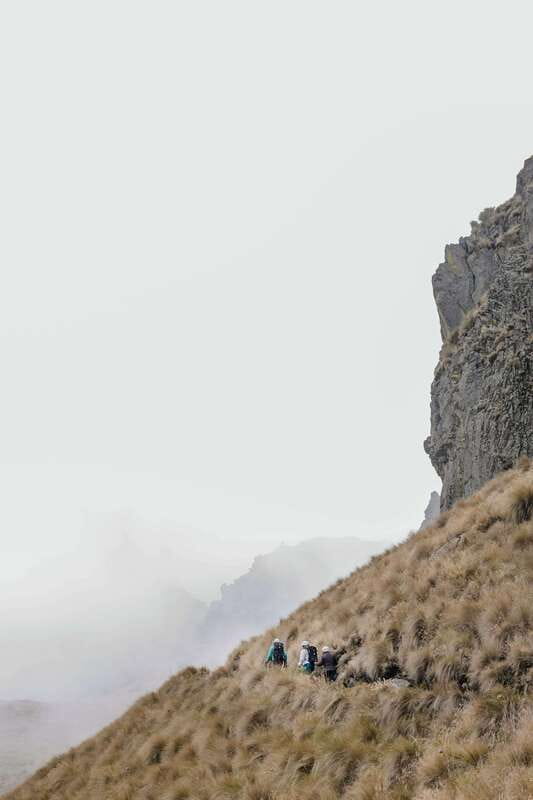
Your day begins in Puebla with pickup from your hotel in the city center (meeting in the lobby if you’re choosing optional pickup). After that, you’ll ride out toward the park. This drive isn’t just transportation; it’s part of the experience, because you get big glimpses of Mexico’s legendary volcanoes before you ever strap on your boots.
Once you arrive, you register at the park checkpoint. It’s a practical step, but it also sets expectations: you’re in a managed protected area, and the hike is run with real procedures. The tour includes round-trip transportation in a comfortable vehicle, so you’re not clinging to public transit while your body adjusts to altitude.
Paso de Cortés: The 14 km Trail and Why the Route Matters
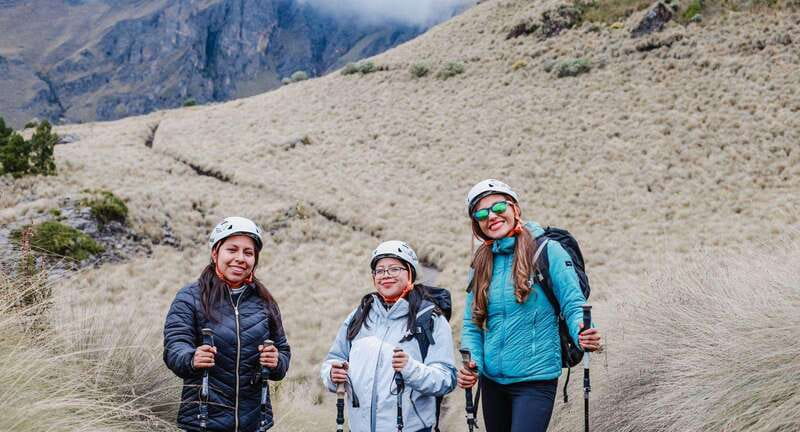
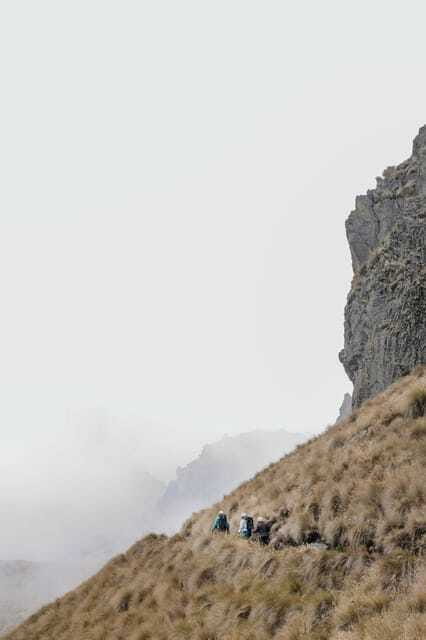
The core of the tour is the guided trek along Paso de Cortés, a historic mountain pass. This route is about 14 km round trip (8.7 miles), and it runs through changing terrain—from pine forest zones to higher, more open meadows as you climb.
The reason I think this is a strong hike choice is simple: the pass gives you repeated viewpoints. Even when you’re focused on foot placement, you get chances to look around, breathe, and get context for where you are relative to Iztaccíhuatl and Popocatépetl.
Your guide plays a big role here. The itinerary is built for an all-day rhythm: the guide keeps you moving at a sustainable pace, supports you as needed, and shares insight about the region’s geology, history, and biodiversity. From the guide names that came up in feedback—Hiram, Juan Pablo, Ariel, and others—you can see the pattern: friendly, prepared leaders who don’t just herd the group.
One practical note: reviews have included mixed experiences about how clear the description felt ahead of time. If you’re the type who needs exact expectations, read the hike length and altitude info carefully, and be ready for a real climb on thin air.
La Joya at 3,900m: Views, Breathing, and Photo Stops
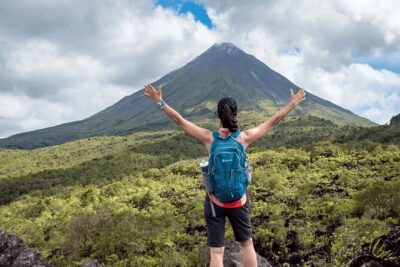
Your hike’s destination is La Joya at 3,900m (12,795 ft). This is where you shift from “moving” to “looking.” Expect panoramic views of surrounding peaks and valleys, plus that classic sense of standing on the edge of the Valley of Mexico.
At this altitude, even short pauses matter. You’ll want to treat La Joya like a checkpoint for your breathing: slow down, take water, and let your body catch up. The tour builds in time to rest, take photos, and enjoy the scenery before turning back for the descent.
Some feedback also hints that actual high points can vary. One group reported reaching around 4,500m, and another shared an altitude gain pace that made the effort feel trackable. That’s a good reminder that conditions, weather, and group pace can shift what you experience, even on the same planned route.
Guides, Safety Gear, and Altitude Monitoring (What’s Included)
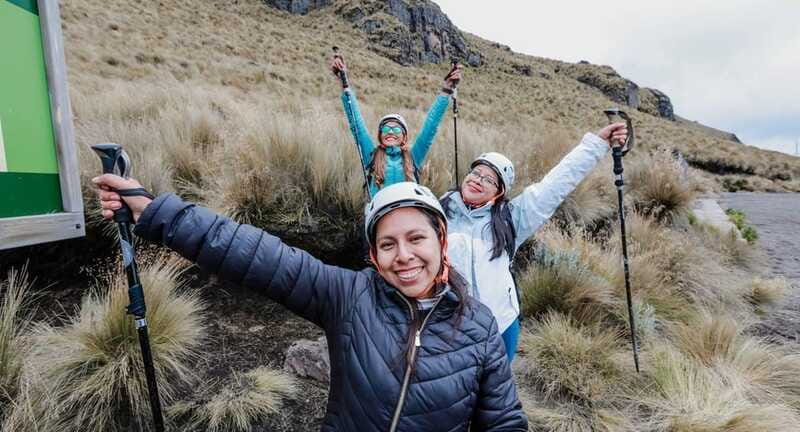
This is where the tour earns its place for many hikers: safety support isn’t an afterthought. Included gear includes trekking poles and a helmet for safety and support. The group also carries a first-aid kit and an oximeter for altitude monitoring.
That oximeter detail matters because altitude discomfort can be sneaky. You’re not just hoping for the best; you’re getting an extra tool to spot trouble early. Add in “professional bilingual guide” support (English and Spanish), and you’ve got a plan for both communication and pacing.
I also appreciate that many people highlighted organization and clear instructions before the hike. In particular, feedback mentioned good pre-trip communication, plus guidance on what to bring and what to expect on the mountain day.
If you hate surprises, this is one of the better setups: your guide is working the tempo while you focus on staying steady on your feet.
Gear and Pacing Tips: Footwear, Water, and Food Planning
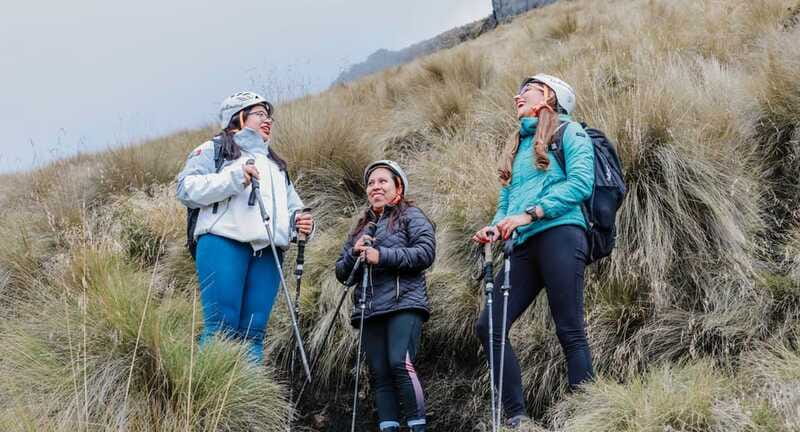
The tour is clear about footwear: hiking boots are required. Tennis shoes don’t fit the terrain, and waterproof shoes are recommended. Jeans and sports shoes are not allowed, which is a little unusual but honestly makes sense—this is uneven, higher-altitude ground where you want grip and support.
What to bring is also straightforward:
- Food and drinks
- Water
- Waterproof shoes
Lunch isn’t included. That’s worth planning for, because you don’t want to spend the hike hunting for food while your energy dips. One review called out that buying food can feel pricey on the day, so I’d rather you pack a realistic meal and snacks.
A small but smart move: treat the start like a warm-up. Don’t race uphill because you’re excited. You’ll feel it later. Let the guide set the pace, then match it. Your body adapts better when you don’t spike effort early.
Weather, Visibility, and the Popocatépetl View Reality
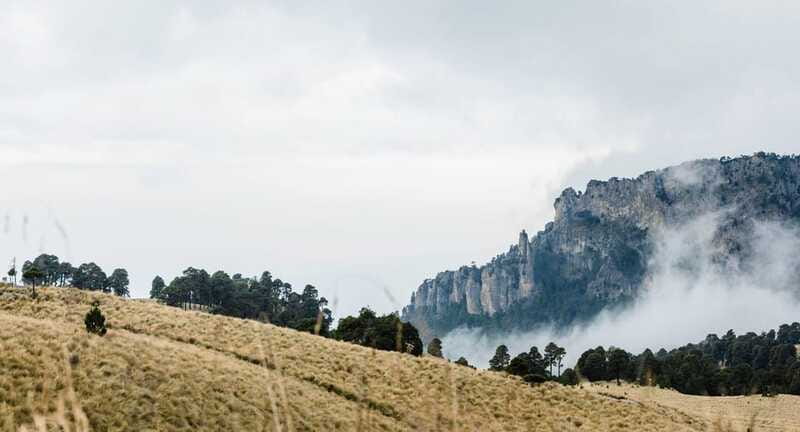
This hike is sold on volcano views, but weather controls the show. If it’s cloudy, you may still hike the route and reach La Joya, yet the iconic sights can fade behind mist.
One piece of feedback specifically blamed cloudy conditions for less-than-expected Vulkan visibility. Another noted that a view from a point near the route toward El Popo was great, and that higher elevation effort was a highlight. Put them together and you get the real takeaway: you’re paying for the experience of hiking and reaching a viewpoint, but you’re not guaranteed perfect views every day.
So how do you handle that? You go with the right mindset. Bring layers, move steadily, accept the mountain’s mood, and focus on the whole day—not just the photo.
Who This Hike Is For (and Who Should Skip It)
This is best for adults who are comfortable with strenuous hiking at altitude. It’s not suitable for children under 13, and it’s also not for people with back problems, mobility impairments, heart problems, or respiratory issues. If you have any of those concerns, this tour may be a hard no.
If you’re healthy and you want a guided, structured mountain day with safety support, it fits well. It’s also a great pick if you’re a Puebla visitor looking for an experience that feels distinctly “Mexican highlands” rather than a generic day trip.
A practical match:
- If you like guided pacing and interpretation, this is your kind of hike.
- If you want total freedom with no structure, you might prefer a different option.
- If you’re sensitive to altitude or not sure how you’ll react, you should think carefully before signing up.
Price Value: Is $110 Worth It for This Volcano-Adjacent Adventure?
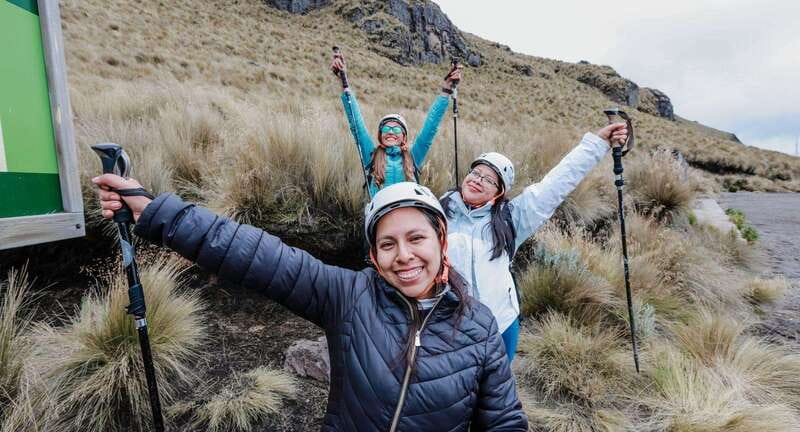
At $110 per person, this looks like a value-driven day trip when you consider what’s included. You’re getting hotel pickup and drop-off in Puebla city center, park entrance and registration, round-trip transportation, a bilingual professional guide, trekking poles and helmet, first-aid kit and oximeter, plus guided hiking along the Paso de Cortés route to La Joya.
What’s not included is also clear: lunch and gratuities. That means your real total cost depends on how you plan meals. But the hike itself isn’t a barebones tour. For many people, poles, altitude monitoring, and guided pacing are the difference between “I survived” and “I had a good day.”
You should also know there can be extra costs in some booking scenarios. One review mentioned a last-minute single person supplement fee that caused stress. I can’t speak to what will apply to you, but I’d check your booking details carefully so you’re not surprised when you’re trying to enjoy vacation.
Should You Book This Iztaccíhuatl Hike From Puebla?
If you want a guided Iztaccíhuatl-Popocatépetl National Park hike with a clear goal and real safety support, I think it’s a solid choice. The combination of a structured trek, bilingual guide support, altitude monitoring gear, and the historic feel of Paso de Cortés makes it more than just “walking uphill.”
Book it if:
- you’re comfortable with hiking on rough terrain
- you can handle 3,500m+ altitude conditions
- you want a day with interpretation, not just views
- you’ll pack food and water so you’re not relying on purchases
Skip or reconsider if:
- you’re likely to struggle with altitude
- you have respiratory/heart issues or mobility limitations
- you need guaranteed Popocatépetl visibility (weather is the wildcard)
FAQ
How long is the hiking tour?
The total duration is 11 hours.
Where does the tour start?
Pickup is from your hotel in Puebla city center (meeting in the lobby if you select optional pickup).
How long is the hike and how far do we walk?
The guided trek along Paso de Cortés is about 14 km round trip.
How high do we hike?
You’ll hike in the Iztaccíhuatl-Popocatépetl National Park around 3,500m, and the route includes a visit to La Joya at 3,900m.
Are the guides bilingual?
Yes. The tour provides a professional bilingual guide in English and Spanish.
What safety items are included?
The tour includes a first-aid kit and an oximeter for altitude monitoring, plus trekking poles and a helmet.
What should I bring?
Bring food and drinks, water, and waterproof shoes.
What footwear is required?
Hiking boots are required. Tennis shoes are not suitable for the terrain, and sports shoes are not allowed.
Is lunch included?
No. Lunch is not included.
Is the park open every day?
No. The Iztaccíhuatl-Popocatépetl National Park is closed on Mondays.