REVIEW · YELLOWSTONE NATIONAL PARK
Grand Canyon of the Yellowstone Day Hike
Book on Viator →Operated by Wildland Trekking · Bookable on Viator
Yellowstone is better when you hike it. This Grand Canyon of the Yellowstone day hike strings together waterfalls, forests, meadows, lakes, and geothermal features, with a small group size that keeps the pace personal. You start at Artist Point, then move toward canyon viewpoints and on to a backcountry-style thermal area where you can see mud pots and fumaroles without boardwalks.
I love how this outing lets you choose your effort level. You’ll get a route that can run about 3.5 or 8 miles, with variations in between, and your guide adjusts based on your goals for the day. I also like the practical finish: you stop for a guide-prepared picnic lunch right along the trail, so the day stays fun instead of turning into a snack scramble.
One thing to consider: this is for people with moderate physical fitness, and you’ll be walking for several hours on park paths. Also, bottled water is not included, so plan to bring your own water.
In This Review
- Key points that make this hike worth your time
- Grand Canyon of the Yellowstone: the hike that mixes big views and calm pace
- Meeting at Canyon Visitor Education Center: early starts and simple logistics
- Artist Point to Grand Canyon viewpoints: waterfalls first, then canyon magic
- Forests, meadows, and lakes: the walk that keeps you from feeling rushed
- Mud pots and fumaroles in a backcountry-style basin
- Choosing 3.5 vs 8 miles: how to match the day to your energy
- Picnic lunch along the trail: a Yellowstone break that actually works
- What’s included (and what you still need to plan)
- Group size, fitness, and the kind of day this creates for you
- Should you book this Grand Canyon of the Yellowstone day hike?
- FAQ
- How long is the Grand Canyon of the Yellowstone day hike?
- What hiking distances are available?
- Is this tour private?
- How many people are in the group?
- Where do we meet?
- When does the tour run?
- What’s included in the price?
- Is bottled water included?
- What fitness level do I need?
- What happens if I cancel or change my booking?
Key points that make this hike worth your time
- Maximum seven hikers, private style: you get a quieter experience and more flexibility during the walk.
- Artist Point waterfall start: one of the Park’s standout views early in the day.
- Mud pots and fumaroles without the boardwalk: you experience the geothermal zone more directly.
- Route flexibility from 3.5 to 8 miles: pick the distance that matches your energy.
- Picnic lunch on the trail: guided food stop that doesn’t waste your morning.
Grand Canyon of the Yellowstone: the hike that mixes big views and calm pace
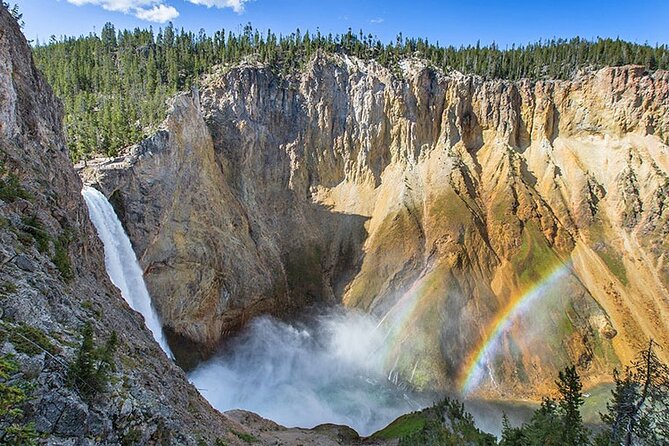
The Grand Canyon of the Yellowstone is famous for its canyon walls and color, but what I like about this hike is that you don’t just do the obvious photo spots and run. You start with the Park’s best-known waterfall viewpoint at Artist Point, then you head out on foot through changing scenery—forest shade, open meadows, and lake edges—before you reach a geothermal area that feels more like you’re moving through Yellowstone than simply watching it.
This is also a smart way to do Yellowstone if you want views without feeling pinned down by big-group logistics. With a max of seven hikers and a private setup, you’re more likely to move at a pace that feels right for you, and your guide can steer you toward what you care about most (waterfalls, thermal features, or a slower day with extra time for photos).
The route includes the highlights you came for—water, canyon viewpoints, and geothermal activity—but it also gives you the in-between moments. Those are the parts that often make a day hike feel special: the smell of the forest, the quiet lake stretches, and the gradual build toward the geothermal zone.
You can also read our reviews of more tours and experiences in Yellowstone National Park.
Meeting at Canyon Visitor Education Center: early starts and simple logistics
Your morning begins at the Canyon Visitor Education Center in Canyon Village, specifically the parking lot area. The tour runs during a defined summer window (from 07/01/2026 to 09/22/2026) and the listed operating window is 6:00 AM to 8:00 AM, Monday through Sunday.
That early start matters. Yellowstone is best when you’re moving before the busiest crowds fully settle in, and it also helps you stay comfortable if you’re hiking in warmer hours later on. If you’ve ever been stuck walking mid-day heat, you’ll appreciate that this one is scheduled to get the heavy walking out of the way while the morning still feels workable.
You’ll also be back at the same meeting point when the hike ends, so you don’t need a complex plan for where to go next. And since it’s a mobile-ticket experience with confirmation received at booking, you should be able to show up with what you need without hunting through paperwork.
Artist Point to Grand Canyon viewpoints: waterfalls first, then canyon magic
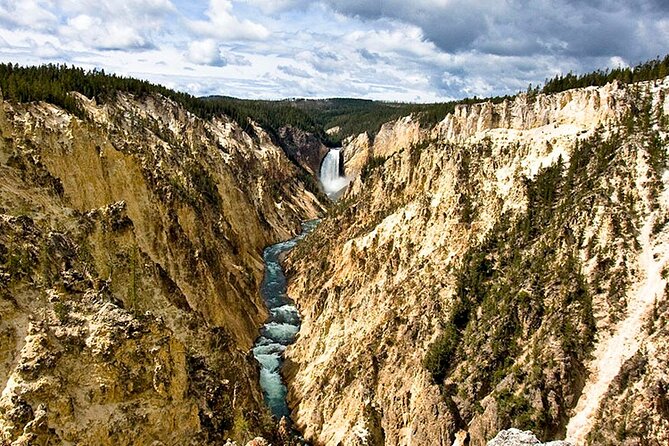
The hike kicks off at Artist Point, described as one of the most phenomenal waterfall views in North America. Even if you’ve seen canyon images online, this is the kind of view that’s hard to understand until you’re there in person: the waterfall energy plus the canyon’s color bands create a scene that feels bigger than a single viewpoint.
After you take in Artist Point, you head onto the trail for more canyon perspectives. This section is where you get that Yellowstone feeling—walk a bit, look up and around, and realize the canyon view keeps evolving. You’re moving through forest and along trail segments that open up to spectacular sights, so you’re not staring at one angle for hours.
A practical benefit here: starting with the waterfall viewpoint sets expectations. You know you’re doing the biggest “wow” moment early, and then the rest of the hike becomes about savoring the way the Park changes as you travel through it.
Forests, meadows, and lakes: the walk that keeps you from feeling rushed
One of the best ways to ruin a day hike is to make it one long scramble from viewpoint to viewpoint. This route avoids that with a sequence that naturally spaces out the highlights.
After the initial canyon focus, you’ll move into a fragrant forest section that shifts the mood. Then the trail opens up to meadows and lakes, giving you periods where the scenery feels wider and calmer. This matters because those open stretches are where you can catch your breath, settle your pace, and enjoy Yellowstone in a less intense way.
These middle sections also tend to be the most memorable on a smaller-group hike. When you’re not packed in, you can slow down for the details that are easy to miss from a car window: the way light falls through trees, the quiet of open land, and how the thermal story becomes more believable as you near the geothermal zones later on.
It’s not a sightseeing-only stroll, though. You’re still hiking, and the day includes enough walking to count as a real outing. The difference is that it feels varied instead of repetitive.
Mud pots and fumaroles in a backcountry-style basin
This is the part of the day hike that many people remember most: reaching a backcountry geyser basin and seeing thermal features without the boardwalk framing.
You’ll spend time in an area where you can view mud pots and fumaroles, and the key detail here is that you’re not confined to boardwalk-only viewing. That changes the experience. Boardwalks are useful for safety, but stepping into a more direct viewing zone makes the geothermal activity feel closer and more immediate.
A smart way to think about this section: treat it like a slow-watching chapter of the hike, not another “move fast” photo stop. Mud pots and fumaroles can be hard to capture well in pictures because they’re active and change subtly. If you want the best payoff, give yourself a few minutes just to look, pause, and watch.
You’ll also have a built-in comfort moment here: the guide helps you find a pleasant spot to sit for your picnic lunch. That makes the thermal section more than a visual checkmark—it becomes a full sensory moment in Yellowstone’s geothermal world.
Choosing 3.5 vs 8 miles: how to match the day to your energy
This hike is designed around flexibility. The route can be anywhere between about 3.5 and 8 miles, with couple variations in between, and all options still include the highlights.
Here’s how I’d decide:
- If you want more time to stop, snack, take photos, and soak in the geothermal area without pushing your legs, go for the shorter distance.
- If you feel strong, want a longer day, and like having extra time to explore the thermal basin in a slower rhythm, choose the longer hike.
The guide matters in this decision. The day is described as customizable: you tell the guide what your goals are, and they pick the best route. That’s important because “3.5 miles” or “8 miles” doesn’t just mean distance. It changes how long you’ll be moving, how many viewpoint moments you’ll fit in, and how much time you’ll have to sit and watch mud pots and fumaroles.
Also, because this is a small private group (max seven hikers), it’s easier for the guide to keep you comfortable with the pace and route selection. That’s not guaranteed on bigger group hikes, where you’re often stuck with a fixed plan.
Picnic lunch along the trail: a Yellowstone break that actually works
One of the standout features here is that lunch isn’t an afterthought. You’ll have a picnic lunch prepared by your guide, eaten along the route, with a setting that fits the terrain—especially near the geothermal basin area.
I like this approach because it keeps the day from turning into a logistics problem. You’re not spending energy figuring out where to eat, and you’re not forced to choose between hiking satisfaction and hunger. You can focus on the experience.
It also changes the feel of the geothermal segment. Instead of rushing through the mud pots and fumaroles, you can pause, sit down, and let your senses reset. Yellowstone thermal areas can be visually intense, and a meal break makes the day feel more balanced.
In addition, snacks are included, so you’re less likely to get that late-afternoon slump if your pace runs slower than expected.
What’s included (and what you still need to plan)
This hike is set up to reduce what you carry. What’s included:
- Backpack
- Trekking poles
- Lunch
- Snacks
Those inclusions matter more than they sound. Trekking poles can make a big difference on uneven ground, and having them provided means you don’t have to rent or worry about bringing the right gear. A provided backpack also reduces the hassle of packing up a day-hike kit from scratch.
What is not included:
- Private transportation
- Bottled water
So you’ll want to handle water yourself. Since bottled water isn’t provided, bring enough for your comfort and consider using a refill option where you can access it on your own schedule. The hike lasts roughly 4 to 7 hours, and you’ll be walking in a Park environment where hydration needs can sneak up.
One more small practical tip: because the tour starts in the 6:00 AM to 8:00 AM window during the season, plan to arrive early enough to get situated and ready before you roll.
Group size, fitness, and the kind of day this creates for you
This is a private tour/activity, and it’s capped at a maximum of seven hikers. That size creates a noticeable shift: you’re more likely to feel like a group with shared pace, not a line of strangers marching to a schedule.
Fitness-wise, the requirement is moderate physical fitness. That’s consistent with a day hike covering up to around 8 miles (depending on route choice), plus terrain that can include forest paths and open-area walking. If you’re comfortable with multi-hour hikes, you’ll likely enjoy it. If you’re new to hiking or you’re recovering from an injury, you should choose the shorter option and be honest with your guide about what feels manageable.
Language is English, and the day runs with an included guide who prepares your picnic lunch and supports route choice based on your goals.
One detail worth noting from the experience feedback: a guide named Adriana is praised for guiding the group and delivering an outstanding overall experience. That lines up with what you want from this kind of hike—someone who can manage the pace, keep things safe, and still make time for the views.
Should you book this Grand Canyon of the Yellowstone day hike?
If you want a Yellowstone day that mixes major scenery with a calmer, smaller-group pace, this is a strong choice. The combination of Artist Point, canyon viewpoints, forest-meadow-lake scenery, and a backcountry-style geothermal area with mud pots and fumaroles without boardwalks gives you a full day that doesn’t feel like a checklist.
Book it if:
- You like guided hiking where the route can match your goals.
- You want included gear help (t trekking poles and a backpack).
- You care about thermal features and want a closer, more direct experience.
Skip it or choose a shorter distance if:
- You’re not comfortable with a moderate physical fitness requirement or multi-hour walking.
- You prefer a fully boardwalk-style thermal viewing setup.
FAQ
How long is the Grand Canyon of the Yellowstone day hike?
The hike is approximately 4 to 7 hours, depending on the route you choose and your pace.
What hiking distances are available?
You can choose a route around 3.5 miles or about 8 miles, with a couple variations in between. All options include the main highlights.
Is this tour private?
Yes. It’s a private tour/activity, and only your group will participate.
How many people are in the group?
The experience is limited to a maximum of seven hikers.
Where do we meet?
You meet at Canyon Visitor Education Center, Canyon Village, Yellowstone National Park, parking lot, Yellowstone National Park, WY 82190, USA.
When does the tour run?
During the listed season, it operates daily (Monday through Sunday) with opening hours from 6:00 AM to 8:00 AM between 07/01/2026 and 09/22/2026.
What’s included in the price?
Included items are a backpack, trekking poles, lunch, and snacks. Admission ticket is listed as free, and you’ll use a mobile ticket.
Is bottled water included?
No. Bottled water is not included.
What fitness level do I need?
You should have a moderate physical fitness level.
What happens if I cancel or change my booking?
This experience is non-refundable and cannot be changed for any reason. If you cancel or ask for an amendment, the amount you paid will not be refunded.
If you tell me your hiking comfort level (for example, how many miles you usually do in a day), I can suggest whether the 3.5-mile or 8-mile option is the better match.