REVIEW · YELLOWSTONE NATIONAL PARK
Lamar Valley Safari Hiking Tour with Lunch
Book on Viator →Operated by Yellowstone Hiking Guides · Bookable on Viator
Yellowstone without the bottleneck feeling. This Lamar Valley safari hike gets you off the road and into bison country with an expert guide leading the way. I also like that your lunch is handled with a filling packed meal, coffee/tea, and snacks so you’re not scrambling mid-hike.
One thing to plan for: this is a moderate hike through uneven terrain and sometimes scrub, so you’ll want proper layers and water.
In This Review
- Lamar Valley Safari: Why This Hike Feels Different
- What You Get on the Trail (So You Don’t Overpack)
- 6 Hours in Lamar Valley: How the Day Flows
- The Lamar Valley Route: Wildlife Viewing Without the Road Crowd
- What you might spot (and why)
- Bison Handling: The Part That Makes Safety Actually Work
- Lunch by the River: What Makes the Break Worth It
- Practical lunch tip from real conditions
- Meeting at Lamar River Trailhead: Timing and Arrival Tips
- Where the tour meets
- The Guide Makes the Difference (Names You’ll Hear)
- How Strenuous Is It, Really?
- Comfort advice
- Weather Reality: Rain, Thunder, and Route Changes
- What to Bring (Your Must-Haves)
- Bring:
- Bring less stress by leaving extra gear at your hotel
- Price and Value: Is $182 Worth It?
- Where the money goes:
- Who Should Book This Lamar Valley Safari Hike
- Should You Book This Tour or Skip?
- FAQ
- How long is the Lamar Valley Safari Hiking Tour?
- Where does the tour start and where do you return to?
- What time does the tour begin?
- How far do you hike?
- Is Yellowstone park admission included in the price?
- What’s included for lunch and snacks?
- What gear is provided during the hike?
- What should I bring besides the included gear?
- What group size is this tour limited to?
Lamar Valley Safari: Why This Hike Feels Different
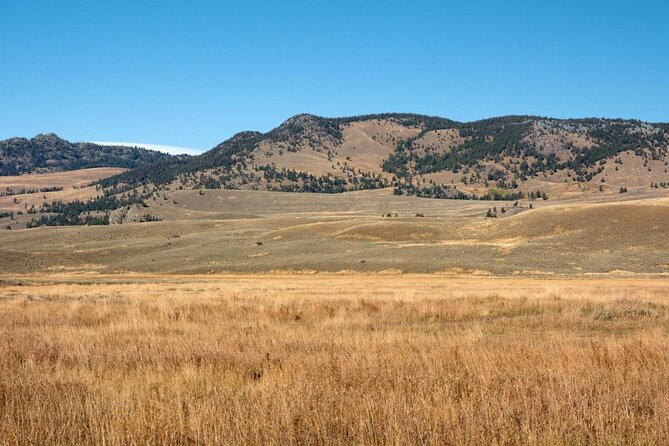
If you’ve ever tried to watch Yellowstone wildlife from a car window, you already know the problem: too far, too loud, too quick. This tour is built around the idea that the best viewing in Lamar Valley is often where you can walk a bit and look with patience. The payoff is a calmer rhythm and safer distances, especially when bison are the main attraction.
A big win for me is the way the guide supports wildlife viewing. You’re not just pointed in a direction; you’re led to specific spots where you can see animals without crowding them. Another plus is the practical food setup—lunch and snacks come with options for turkey, veggie, vegan, and gluten-free, so most diets are covered. The third consideration is simple: you need to bring real water and dress for real weather, because the park isn’t a controlled environment.
What You Get on the Trail (So You Don’t Overpack)
This is one of those tours where gear is included, and that saves you time and weight. You’ll travel with the tools you need to watch safely and hike comfortably, without turning it into a DIY expedition.
Key included items that change the experience:
- Bear spray and binoculars for safer, smarter viewing
- Trekking poles and a backpack (if necessary) to help on uneven ground
- Coffee/tea/hot cocoa to keep the morning start comfortable
- Sandwich lunch plus snacks (apple, nuts, and more), with dietary options
- A light breakfast snack before you head out
You can also read our reviews of more tours and experiences in Yellowstone National Park.
6 Hours in Lamar Valley: How the Day Flows
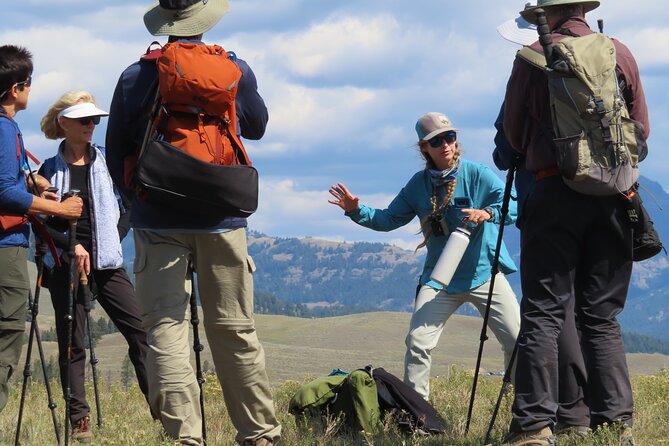
The tour is about 6 hours total, built around one main area: Lamar Valley. Think of it as a guided walking circuit that focuses on wildlife and viewpoints rather than a long, nonstop grind. You’ll start at 8:00 am at the Lamar River Trailhead area and return to the meeting point when you finish.
The day is paced with stops for viewing and a picnic lunch break. That structure matters because in Lamar Valley, wildlife sighting timing is everything. When bison decide to move, you don’t control it—your guide does the next best thing: adjusts the route and keeps the group safe while you watch.
The Lamar Valley Route: Wildlife Viewing Without the Road Crowd
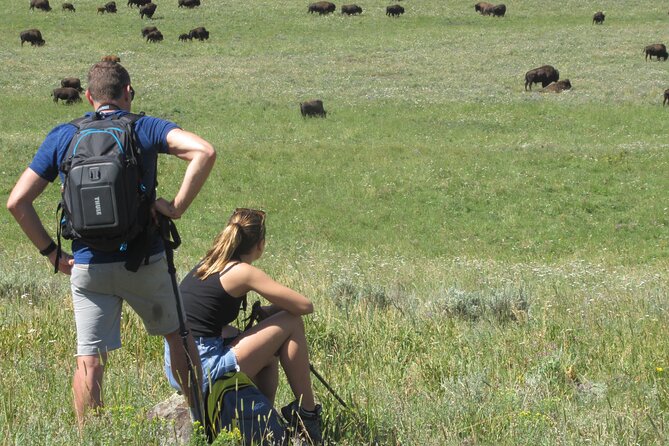
The core part of the hike is a six-mile trek through Lamar Valley designed for seeing wildlife from the ground. You’ll walk routes and paths that can’t be reached from the road in the same way. That’s what turns Lamar Valley from a photo-op into an actual experience.
The guide helps you navigate around large bison herds. This matters because bison aren’t just big; they’re unpredictable in how they use space. Guides also carry viewing support—like a scope—to help you watch farther animals safely.
What you might spot (and why)
You’re in one of North America’s best zones for wildlife, so it’s realistic to see more than one kind of animal in a single morning. The tour setting offers chances for:
- Pronghorn, elk, and moose
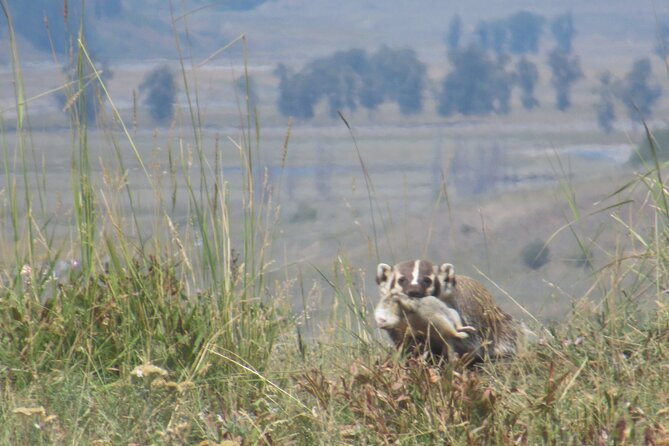
- Badger and ground squirrels
- A range of birds
- Sometimes wolf or bear sightings, usually at a distance for safety
In practice, the morning’s “animal moment” can change based on where the herds are. That’s why the guided approach is so valuable: you’re not guessing.
Bison Handling: The Part That Makes Safety Actually Work
Bison are the headline, but the real trick is moving around them correctly. A good bison strategy is slow, quiet, and predictable—and that’s exactly the style a wildlife-focused guide brings.
You’ll likely spend time watching herds and taking detours around their preferred paths. In some cases, the group may walk through sagebrush areas to route around bison. It’s also common for plans to flex if there’s a closure affecting bear activity in the area; in those moments, guides may shift the route and find a new way to reach lunch or viewpoints.
This is one of the most praised parts of the experience, because it’s where people realize that a “hike” is also a wildlife operations lesson. You learn what to look for, how animals move, and how to stay respectful without feeling locked in.
Lunch by the River: What Makes the Break Worth It
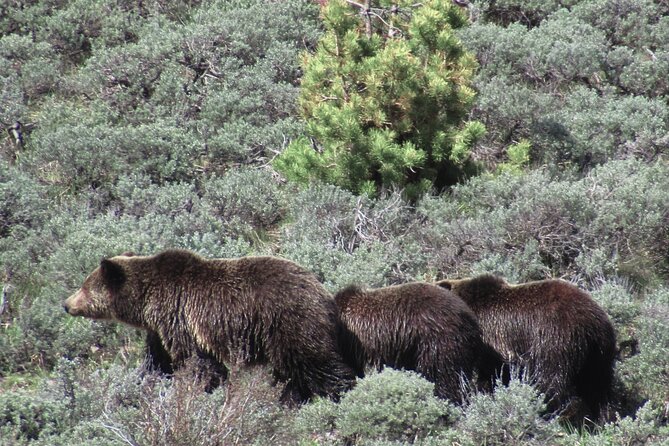
Lunch is built into the hike at a scenic spot with valley or river views. It’s a packed meal designed for the field: a sandwich plus apple, nuts, and snacks, with hot coffee/tea available. You also get the practical benefit of not having to hunt for food once you’ve committed to the morning in the park.
From the way guides plan the lunch spot, you can expect a pause that actually helps your energy. Many people describe lunch time as a calm reset point—shade by the river, logs to sit on, and a comfortable moment to watch the valley while you eat.
Practical lunch tip from real conditions
Bring your water bottle system and expect weather changes. One reason people rate this tour highly is that even when it’s raining or the hike gets shortened, the meal and guidance still keep the day satisfying.
Meeting at Lamar River Trailhead: Timing and Arrival Tips
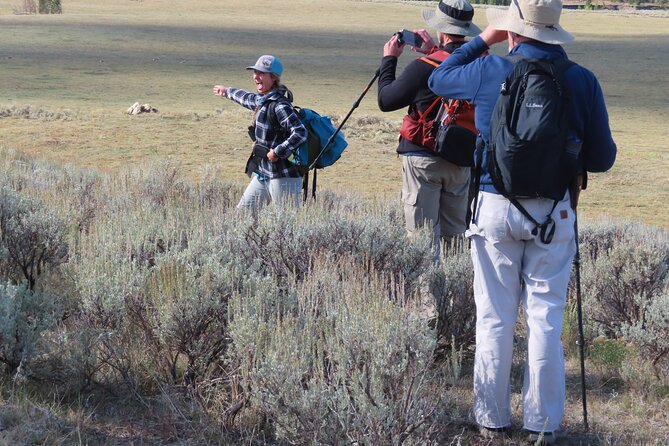
You’ll meet at the Lamar River Trailhead with a start time of 8:00 am, and the tour ends back at the meeting point. This early start is key in Lamar Valley, because wildlife activity and visibility can shift fast as the day warms up.
Arriving matters more than you’d think. Lamar Valley road access can be slow in the morning because bison may block or slow traffic, and road work can add delays. If you’re staying anywhere nearby, I’d plan extra cushion time and treat the drive like part of the experience—not just a transfer.
Where the tour meets
A small but important detail: this hike meets at Lamar River Trailhead, not a nearby similarly named area. Double-check the exact pin and meeting-location instructions you receive so you don’t waste time circling in the park.
The Guide Makes the Difference (Names You’ll Hear)
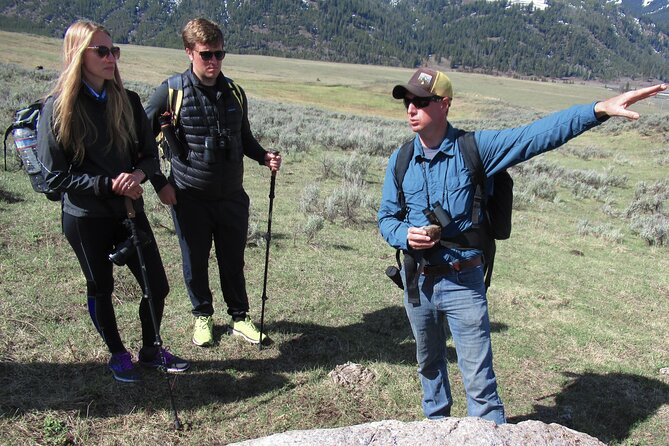
This is a small-group hike with a maximum of 14 travelers, which keeps the group easier to manage when someone spots an animal or when bison movement requires a reroute. It also makes it feel more like a shared morning outdoors than a big group shuffle.
What I like most is the range of what guides bring beyond spotting wildlife. You’ll hear stories, see animal clues, and get help interpreting the area.
Guides mentioned in prior tours include:
- Josh (often praised for energy, preparation, and wildlife facts)
- Emily Jo (praised for easing concerns for younger hikers and for adapting routes)
- Spencer (praised for being easy going and informative)
- Michelle and Kim (praised for answering questions and keeping the group comfortable)
- Jake, Karlie, Marisa, Chris, Jason, Audrey, and Anne-Marie (praised for plant/animal education, safety, and thoughtful touches like hot drinks)
That spread of names matters because it tells you the program isn’t a one-person show. The guides are consistent about packing the essentials and keeping the group engaged, even when conditions change.
How Strenuous Is It, Really?
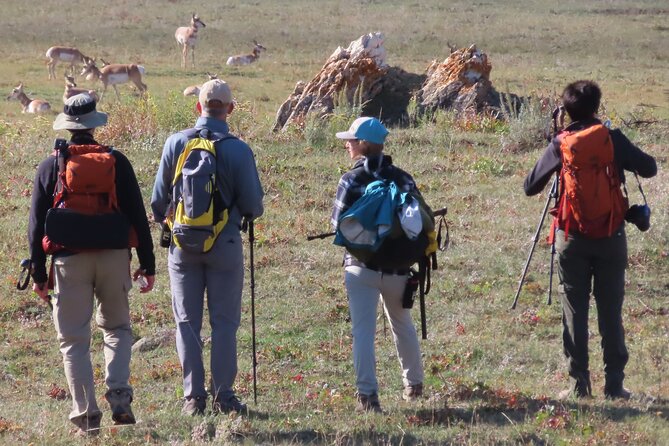
The tour is described as suitable for moderate physical fitness, and you’ll be walking about six miles. In many cases it’s closer to a long walk than a strenuous trail hike, but don’t assume it will feel identical every day.
Reviews point out that you may see mixed terrain: path segments plus occasional sagebrush routes when the group needs to navigate around bison. In wet weather, traction and footing matter, and guides may shorten the hike to keep everyone safe and comfortable.
Comfort advice
- Wear footwear you trust on muddy or uneven ground.
- Pack layers so you can handle sun, rain, and cool mornings.
- If you run warm easily, plan for a breathable layer under a rain shell.
Weather Reality: Rain, Thunder, and Route Changes
Yellowstone weather can switch without asking. If it’s raining, the day can still work, but you should be ready for wet conditions and possible thunder.
Some past tours reported rain and even shortened hiking in stormy conditions, but the experience remained worthwhile thanks to the guide’s adjustments. Another common theme is flexibility when route access changes due to bear closures—guides shift the plan while maintaining safety and still aim for strong wildlife viewing.
The big takeaway: you’re not locked into one fixed track. Your guide reads the situation and makes decisions that protect the group while maximizing wildlife time.
What to Bring (Your Must-Haves)
The tour provides a lot, but you’ll still need to show up prepared. The biggest practical gap is water and personal weather protection.
Bring:
- 2 liters of water per person
- Rain jacket and a fleece layer
- Long pants can help if you hit knee-high scrub
Bring less stress by leaving extra gear at your hotel
Since binoculars, bear spray, and poles are included, you don’t need to guess which equipment will matter. Use that saved packing space for layers and water.
Price and Value: Is $182 Worth It?
At $182 per person, this isn’t a cheap add-on. But it also isn’t priced like a random walking tour that happens to include lunch. The value comes from three places that matter in Yellowstone: safety equipment, guide decision-making, and food that keeps you moving.
Where the money goes:
- Included safety and viewing tools: bear spray and binoculars, plus a guide who knows where to go
- A guide who can adjust in real time when bison and closures change the situation
- Packed lunch plus snacks and hot drinks, which means you don’t lose half the morning to food errands
If you plan to drive yourself and “hope” for wildlife, you’ll spend time and risk guessing wrong. This tour turns that uncertainty into a guided routine—with less wasted time and more meaningful viewing from the right distances.
Who Should Book This Lamar Valley Safari Hike
This hike fits best if you want wildlife viewing with structure. It’s also a good match if you travel with kids or multi-age groups, as long as everyone can handle a moderate six-mile walk.
It’s especially appealing for:
- First-timers who want to see Lamar Valley correctly, not just quickly
- Couples who want a calmer alternative to road-stopping
- Families and mixed ages, since guides often help with comfort and questions
- Bird and animal fans who like learning what they’re looking at
If you’re expecting a gentle stroll with no navigation around wildlife, keep your expectations realistic. Bison change the plan, and the hike adapts.
Should You Book This Tour or Skip?
I’d book it if you want Lamar Valley wildlife viewing with fewer headaches: safer distances, smarter route choices, and a lunch plan that actually supports the day. The small-group size and included gear make it feel like you’re paying for expertise, not just a walk.
Skip it if you’re looking for a purely easy flat hike with zero unpredictability. In Lamar Valley, wildlife isn’t background. It’s the boss, and you’ll walk accordingly.
If you’re unsure, this is the kind of tour where good preparation pays off: bring water, dress for rain, and give yourself extra drive time so you arrive calm and ready at Lamar River Trailhead.
FAQ
How long is the Lamar Valley Safari Hiking Tour?
It runs about 6 hours total.
Where does the tour start and where do you return to?
The hike starts at Lamar River Trailhead and ends back at the same meeting point.
What time does the tour begin?
Start time is 8:00 am.
How far do you hike?
It’s a six-mile hiking experience through Lamar Valley.
Is Yellowstone park admission included in the price?
No. Yellowstone National Park admission is not included and is listed as $35 per vehicle, valid for one week.
What’s included for lunch and snacks?
You get a lunch sandwich, apple, nuts, and snacks, with Turkey/Veggie/Vegan/Gluten Free options if you notify the provider. You also get coffee and/or tea (hot coffee/tea/cocoa).
What gear is provided during the hike?
Included gear can include bear spray, binoculars, trekking poles, and a backpack if necessary.
What should I bring besides the included gear?
Plan to bring 2 liters of water per person, plus a rain jacket and fleece layer.
What group size is this tour limited to?
The tour has a maximum of 14 travelers.