REVIEW · VIK
Sólheimajökull Glacier Hike & Ice Climbing Intro – Small Group
Book on Viator →Operated by Arctic Adventures · Bookable on Viator
Ice climbing sounds like a dream, then you do it.
At Sólheimajökull near Vik, this small-group tour lets you climb real ice walls and explore crevasses, ridges, and blue ice with an English-speaking certified glacier guide. I like how hands-on the training feels, from getting strapped in to using the ice tools, and I especially appreciate the human side of it too, with guides such as Daniel from Arctic Adventures, Monica, and Gaia described as patient and confident.
There’s one key consideration before you book: the right boots and shoe size matter. You must wear hiking boots with ankle support, and glacier crampons are only available for shoe sizes 35–50 EU—below or above that range means you may not be able to join. (One guest also noted that required boots weren’t covered in the ticket cost, so budget for rentals if you need them.)
In This Review
- Key Highlights You’ll Remember
- Why Sólheimajökull Turns a Hike Into a Story You Tell
- Meeting the Guide by the Yellow Bus (Then Getting Ready Fast)
- The Glacier Walk: Crevasses, Ridgelines, and Uneven Footing
- Intro Ice Climbing: What Beginners Really Practice
- Waterfalls Along the Way: Seljalandsfoss and Skogafoss Stops
- Gear and Clothing: Don’t Guess, Check Before You Go
- The Timing: 4 Hours of Ice Work, Plus Everything Around It
- Small-Group Size Changes the Experience
- Value for Money: Is $211.72 Worth It?
- Who This Tour Suits Best
- Should You Book This Sólheimajökull Glacier Hike & Ice Climbing Intro?
- FAQ
- FAQ
- How long is the Sólheimajökull glacier hike and ice climbing intro?
- Do I need prior ice-climbing experience?
- Is pickup available?
- What happens during the glacier portion?
- What gear and clothing are required or provided?
- What are the age and shoe-size requirements?
- What if weather is bad?
Key Highlights You’ll Remember
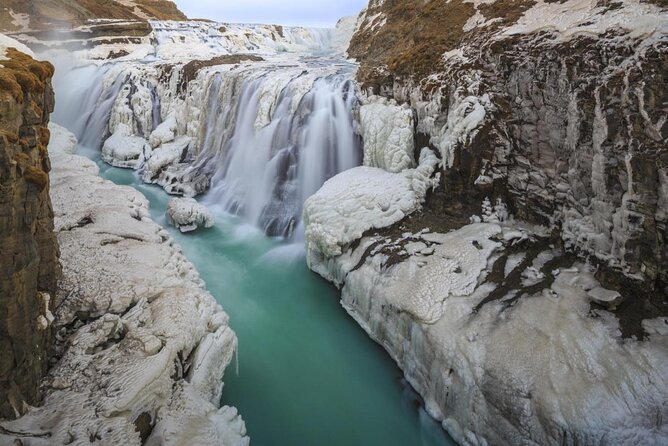
- Real glacier time: hiking over frozen crevasses, caves, and sinkholes
- Intro ice climbing for beginners: you don’t need prior experience
- Small group limits: up to 8 participants per glacier guide for more attention
- Safety gear included: harness, helmet, glacier crampons, and ice axe
- Guides who teach while they protect: expect clear safety instruction and encouragement
Why Sólheimajökull Turns a Hike Into a Story You Tell
Sólheimajökull is one of Iceland’s easiest glaciers to access for a guided intro, which is exactly why this kind of half-day feels like a once-in-a-lifetime switch. You start on the glacier’s edge, then move onto a surface that’s not just pretty ice—it’s broken, uneven, and full of hidden shapes. That’s what makes it memorable: you aren’t looking at a glacier from a viewpoint. You’re learning how to move safely on it.
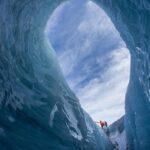
I also like that the guide explains what you’re seeing as you go. You’ll hear about how the glacier forms and changes over time, which gives context when you’re standing near ridges, crevasses, and ice formations that can look totally alien. And the ice itself can look “impossibly” blue in spots. Not every minute is about climbing; there’s also real time for cautious exploring and observation.
One more reason this tour works well: it’s built around people who want adventure without pretending they’re already climbers. The goal is to help you learn the basics on real glacier ice, under strict safety procedures.
You can also read our reviews of more tours and experiences in Vik.
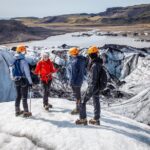
Meeting the Guide by the Yellow Bus (Then Getting Ready Fast)
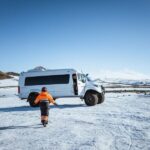
You head to the Sólheimajökull glacier parking lot on your own, then meet your guide by the yellow school bus. That part matters more than it sounds. In Iceland, weather and timing can be tricky, and meeting at a clear landmark makes the whole experience less stressful.
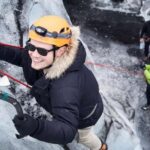
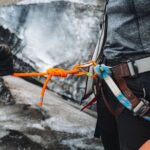
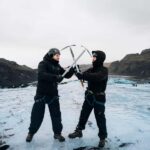
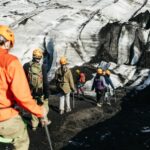
After you meet, you get fitted with the gear and hear a thorough safety briefing. You’ll be shown how the harness and helmet work, then how the crampons and ice axe fit your body and movement. This is the moment where the tour earns its value. You’re not just handed equipment—you’re taught how to use it and how to behave on ice where a wrong step can be serious.
From what’s shared by previous participants, guides also keep the tone steady and encouraging. People name-drop guides like Daniel (Artic Adventures), Monica, Gaia, and teams like Steve and Francesco, plus Alberto and Claudia. The common theme is that they manage the pace and keep everyone comfortable while still making sure you get real climbing time.
The Glacier Walk: Crevasses, Ridgelines, and Uneven Footing
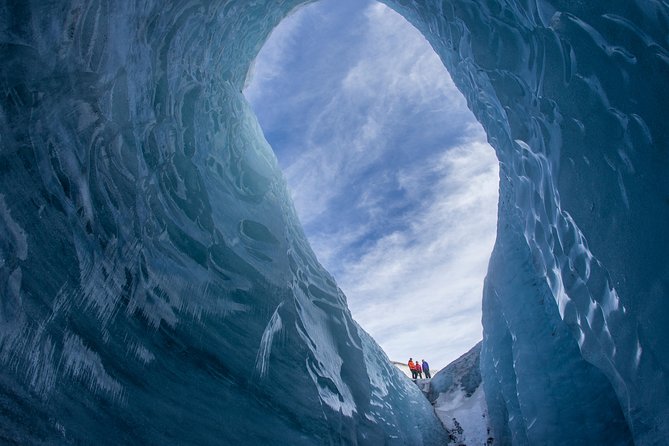
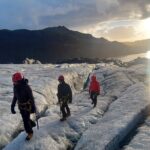
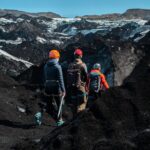
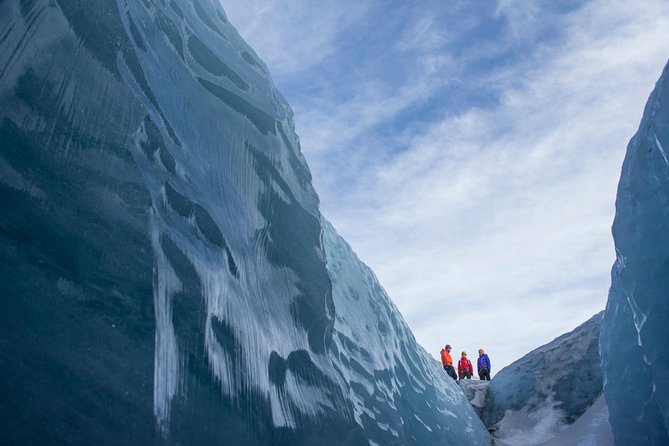
Plan on more than a casual stroll. You’ll be walking about 3–4 km on uneven terrain, and it’s not flat ground. Even with crampons, you’ll feel the unevenness underfoot, plus the mental focus of watching where to place each step.
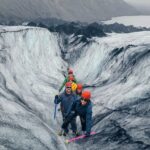
A smart way to think about this hike: you’re building control first, then using it to climb. Early on, your guide will likely route you along safer lines and teach you how to balance with crampons. You’ll move over frozen crevices and through areas with features like caves or sinkholes (at least as part of the broader routes you’re guided through). This is one of those activities where you’re learning while you’re walking, so it can feel more intense than you expected—especially later in the day when calves start talking back.
If you’ve done “regular hikes” before, you’ll probably be fine with the physical effort—just don’t assume it’ll feel easy. One key tip from the vibe of the experience: your calves can get very sore if you’re even slightly stiff or trying to rush. Take your time, and follow the form cues.
Intro Ice Climbing: What Beginners Really Practice
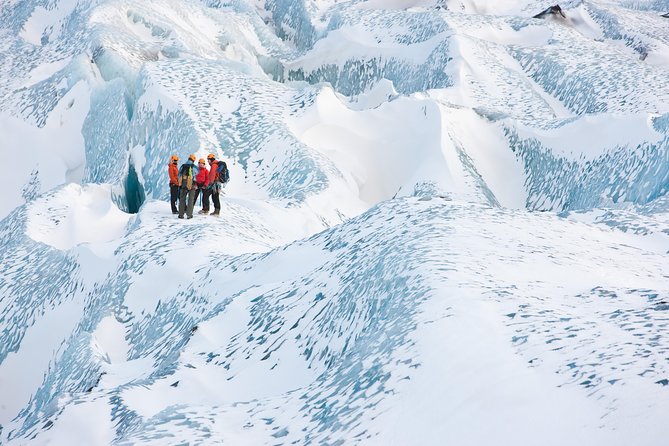
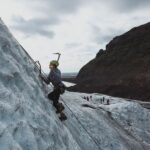
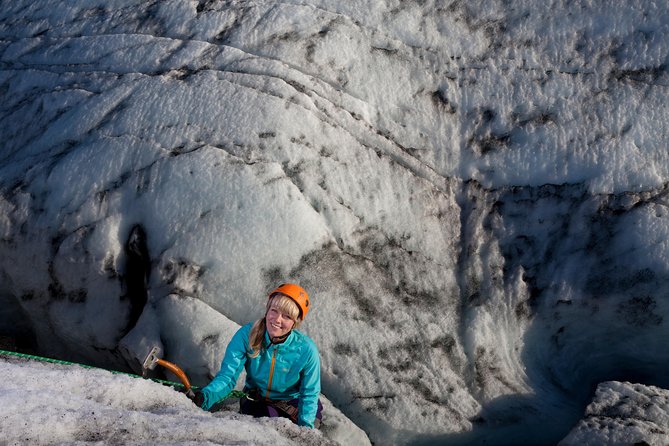
The headline is intro ice climbing, and the nice part is that you don’t need prior experience. The guide teaches the basics and then lets you test them on the glacier. You’ll climb ice walls while moving carefully around the ice features nearby—crevasses, ridges, and different ice formations.
Because safety gear is included (harness, helmet, glacier crampons, ice axe), your job isn’t to source gear. Your job is to learn how to trust your setup. During the climb, you’ll get close attention from the guide, and small-group sizing is a big part of why that works. With up to 8 people per guide, there’s enough time for corrections—like grip position, where to put your feet, and how to shift weight.
Some guides are specifically praised for how they belay and keep everyone comfortable. That’s a meaningful detail for you as a first-timer, because climbing fear usually comes from uncertainty. When the belay and safety rhythm is explained clearly, you can focus on the technique and the experience instead of worrying whether you’re doing it wrong.
You’ll also get the satisfaction of seeing how quickly your movement improves. The ice looks dramatic, but the learning curve is real. By the time you’re stepping up and testing your holds, it starts to feel like a skill—not just a photo opportunity.
Waterfalls Along the Way: Seljalandsfoss and Skogafoss Stops
This tour includes waterfall stops, but there’s a catch: Seljalandsfoss and Skogafoss are listed as part of the experience from Reykjavík only. So if you’re being picked up from Reykjavík, you should expect these stops on the way.
If you’re not starting from Reykjavík, you may not get those waterfall add-ons as part of your day. The core of the experience stays the same: the real focus is the glacier hike and ice climbing session. The waterfalls are a bonus for the longer drive day, when you’d otherwise be spending the trip staring at roads.
In practice, that means you should plan your day with the glacier as the main event. Waterfalls are great, but ice climbing is what you’ll remember when you’re back indoors later.
Gear and Clothing: Don’t Guess, Check Before You Go
You must wear hiking boots with ankle support. This is non-negotiable in the tour rules. Sturdy boots help you keep your footing when the terrain gets uneven and when crampons add a new layer of control.
The tour also calls for waterproof outerwear. Sturdy hiking shoes and a waterproof jacket and pants can be rented if you need them. The rentals are worth considering if you show up with just trail runners or questionable waterproofs.
Then comes the part that can genuinely end your participation if you’re not careful: crampon sizing. Specialized glacier crampons are only available for shoe sizes 35–50 EU. If your shoe size is outside that range, you unfortunately won’t be able to join the glacier climbing. The minimum shoe size is listed as 35 EU as well.
One additional practical note: one participant said they were charged extra for boots required for participation. Even if that’s not universal, it’s a good reminder to check what’s included with your ticket and what might cost extra on the day.
The Timing: 4 Hours of Ice Work, Plus Everything Around It
The duration is listed as about 4 hours 30 minutes. In that window, you’ll do more than climb. You’ll spend time meeting the guide, getting fitted with gear, listening to the safety briefing, hiking onto the glacier route, and then doing your intro ice climbing.
Another time reality: you’ll likely feel the effort even if you don’t think you’re a hard-core hiker. The walking portion plus careful climbing mechanics can leave your calves and legs sore the next day. That’s normal. If you’ve been active recently, you’ll probably enjoy the challenge rather than suffer through it.
Also, because this requires good weather, your timing may be planned around conditions. Ice climbing isn’t something you can safely rush.
Small-Group Size Changes the Experience
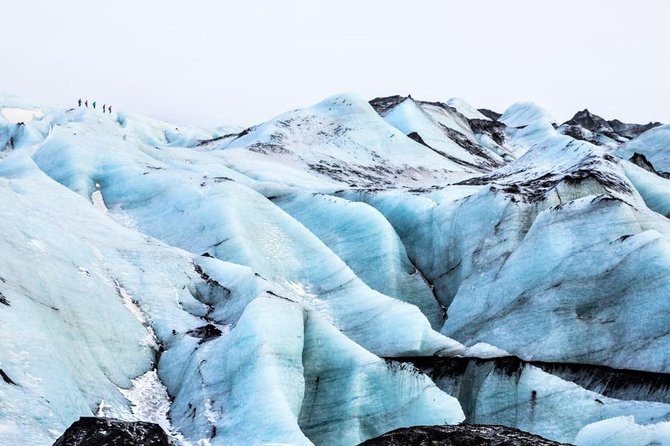
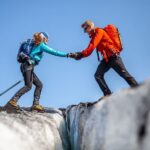
This is a small-group adventure with a maximum of 8 travelers, and that number shows up in how the tour feels. You’ll get more personal attention from the guide during safety moments and while climbing. You’re not standing around waiting for someone else’s turn with gear or instruction.
Small group also helps when conditions change. On a glacier, routes can depend on safety conditions. With fewer people, guides can adjust without leaving you behind or forcing the group to move in a one-size-fits-all way.
Guides are repeatedly described as professional, patient, and fun. People specifically mention guides like Steve and Francesco as detail-focused and cautious. Others name Monica as cheerful and competent, and Gaia as effective at teaching the basics while still making it enjoyable. That combination matters: you want real safety, not just adrenaline.
Value for Money: Is $211.72 Worth It?
At $211.72 per person, you’re paying for a focused, high-risk activity done right. The big value piece is what’s included: an English-speaking certified glacier guide, safety gear (harness, helmet, crampons, ice axe), and the glacier time itself.
If you select Reykjavík pickup, you may also get pickup and drop-off plus the waterfall stops at Seljalandsfoss and Skogafoss. Those add value if you’re coming from Reykjavík anyway.
What’s not included is food and drinks. That’s pretty standard for half-day activities, but it’s still important. Bring snacks or plan to eat after so you don’t end the day hungry and cold.
When I judge value for this kind of tour, I look for three things: (1) instruction quality, (2) safety support, and (3) equipment provided. This tour checks all three. If you’re a first-timer who wants the experience of climbing on real glacier ice without dealing with gear sourcing and uncertainty, the price starts to feel very reasonable.
Who This Tour Suits Best
You should strongly consider this tour if you want:
- A beginner-friendly intro ice climbing session on an actual glacier
- A guided day where safety and technique are explained before you climb
- A moderate level of fitness and comfort walking 3–4 km on uneven terrain
- A chance to see real glacier features up close, not just from a bus window
It’s also a good fit for teens and older kids, since the minimum age is 14. If you’ve never done anything like this before, this is still intended to work.
It’s not a fit if you can’t meet the footwear rules or crampon sizing range. Check your shoe size early, not the day of.
Should You Book This Sólheimajökull Glacier Hike & Ice Climbing Intro?
If you’re choosing between a “photo tour” and a “do it for real” glacier experience, book this. You’ll get a genuine first taste of glacier climbing, with gear and instruction handled for you, plus enough small-group attention to learn instead of just survive the activity.
Do it when you’re physically up for an uneven hike and you can meet the boot and shoe size requirements. If cold weather is in your comfort zone and you’re the type who likes learning a new skill with clear coaching, you’ll be in the right place.
If you don’t fit the shoe size range, or if you’re unwilling to wear ankle-support boots, you’ll likely miss out on the main point of the day. In that case, you should consider a different glacier option that doesn’t require crampon sizing.
FAQ
FAQ
How long is the Sólheimajökull glacier hike and ice climbing intro?
It runs for about 4 hours 30 minutes (approx.).
Do I need prior ice-climbing experience?
No. This is an introductory ice-climbing experience and no prior ice-climbing experience is needed.
Is pickup available?
Pickup is offered. Reykjavík pickup and drop-off is included if you select it.
What happens during the glacier portion?
You meet your guide, get fitted with safety gear, go out on the glacier for hiking and exploration, and then do an introductory ice-climbing session with guidance.
What gear and clothing are required or provided?
You get glacier safety gear including a harness, helmet, glacier crampons, and an ice axe. You must wear hiking boots with ankle support. Waterproof jacket and pants can be rented. Food and drinks are not included.
What are the age and shoe-size requirements?
Minimum age is 14 years and minimum shoe size is 35 EU. Specialized glacier crampons are only available for shoe sizes 35–50 EU, and those outside that range can’t participate.
What if weather is bad?
This experience requires good weather. If it’s canceled due to poor weather, you’ll be offered a different date or a full refund. You also can cancel for free up to 24 hours in advance for a full refund.