REVIEW · MONTANA
Guided Alpine Lake Float and Hike – Northern Bitterroot Mountains
Book on Viator →Operated by Bitterroot Backpacking · Bookable on Viator
Packrafts plus alpine lakes equals a great day. This Northern Bitterroot outing mixes an 8-mile canyon hike with a calm high-elevation lake float, plus backcountry meals and practical skills you can actually use later. You’ll be moving through real wilderness, not just walking from one photo spot to the next.
I especially love the gear support. Packrafts, backpacks, trekking poles, bear spray, and safety equipment rentals are included, and the guide handles the big safety details with GPS communication and a first aid kit. I also love the food experience: you’ll get a backpacker-style lunch (Pad Thai, Pasta Primavera, or Beef Stroganoff) and then learn how to cook in the backcountry while leaving no trace.
One thing to think about first: this is a serious hike. You’re looking at about 1,000 feet of elevation gain over roughly 4 miles each way, so you’ll want solid hiking legs and good closed-toe shoes.
In This Review
- Key Highlights You’ll Feel Right Away
- Northern Bitterroots Packraft Hike: The Mix That Makes It Worth It
- Price and Value: What $169 Buys You in the Real World
- Before You Go: Fitness, Timing, and Weather Reality
- Fred Burr Trailhead Start Near Victor: Getting Set for the Day
- The Canyon Hike: Glacial Scouring and a Steady 1,000 Feet
- The Lake Float in Packrafts: Calm Water After Hard Work
- Lunch in the Backcountry: Pad Thai, Pasta Primavera, or Beef Stroganoff
- Water, Snacks, and Micro-Lessons That Make the Day Feel Full
- Huckleberries and Seasonal Fun in the Mid-High Months
- What to Bring (So You Don’t Regret It Later)
- Small Group Advantage: Why Max 7 Matters
- Who This Tour Suits Best (And Who Might Want a Different Plan)
- Should You Book This Northern Bitterroot Hike and Float?
- FAQ
- How long is the hike and float?
- How far do I hike, and how much elevation gain is there?
- Are packrafts, trekking poles, and other gear included?
- What food is provided during the tour?
- Can the tour accommodate food restrictions?
- Is huckleberry picking included?
- What should I bring with me?
- What happens if the weather is bad?
- What is the cancellation policy?
Key Highlights You’ll Feel Right Away
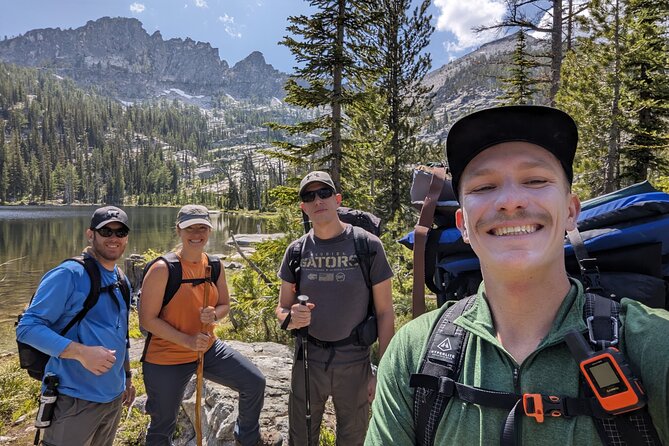
- Packraft floating time on a calm alpine lake after a canyon hike that earns the view
- Lunch cooked for you in the backcountry and tailored options like Pad Thai or Beef Stroganoff
- Leave No Trace cooking tips right when you’ll need the mindset
- Small groups (max 7) with a guide carrying key safety gear
- Fresh filtered snowmelt and water filtering so you’re not stuck hauling everything
- Huckleberry picking mid July through September
Northern Bitterroots Packraft Hike: The Mix That Makes It Worth It
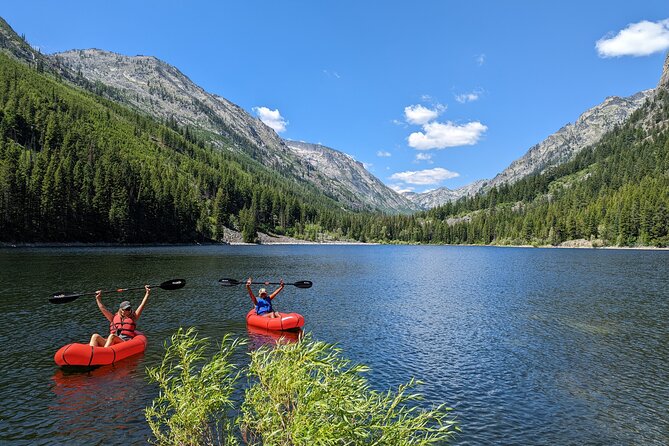
If you’ve ever wanted Montana to feel bigger than a drive-by, this is the kind of day that delivers. You start with a real climb into a glacially scoured canyon in the Bitterroot National Forest. Then you switch from “trail pace” to “float pace,” paddling inflatable packrafts while the mountains do their best scenery impression.
What makes this outing click is the balance. You earn the destination with steady uphill effort, and you don’t just arrive and sit. You move again on the water, and the guide keeps the day moving with food, short lessons, and plenty of local nature talk.
The vibe is active but not chaotic. The whole trip is built around a guided flow: hike out, eat and learn, paddle, then head back the same way you went. And with a maximum of 7 travelers, you’re not swallowed by a big group machine.
You can also read our reviews of more tours and experiences in Montana.
Price and Value: What $169 Buys You in the Real World
At $169 per person, you’re paying for more than a ticket to a trail. You’re paying for a full “backcountry day kit” plus a guide who manages safety, pacing, and logistics.
Here’s the value you’re actually getting:
- Packraft rentals (inflatable packrafts) and the paddle/life vest setup
- Backpack rentals and trekking poles
- Bear spray and other safety equipment rentals
- A guide who brings a GPS communicator and first aid gear
- Snacks in a snack bag, plus a backpacker-style lunch cooked by the guide
- Water support: a water filter and freshly filtered snowmelt into bottles
That matters because most people underestimate how expensive and annoying gear can be when you’re trying to do a canyon hike + lake float. Even if you already own hiking shoes, bringing packraft gear is another story. Here, you show up with your body and your basics, and the rest is handled.
Also, the trip runs in English and includes a mobile ticket, which keeps things smooth on the day.
Before You Go: Fitness, Timing, and Weather Reality
Plan for about 6 hours 30 minutes total, and assume that most of that time is genuinely outdoors. The hike portion is about 8 miles total, with 4 miles each way. Elevation gain is around 1,000 feet, which is enough climb to feel it.
The good news: you don’t need to be a mountain athlete. The trip is described as doable for anyone in generally good health with moderate fitness. The reviews also point to strong pay-off views, not a “you must be trail-racing fit” vibe.
The not-so-fun news: this tour depends on good weather. If conditions are too rough, you’ll be offered a different date or a full refund. So check the forecast close to departure and don’t plan this as your only outdoor window.
Fred Burr Trailhead Start Near Victor: Getting Set for the Day
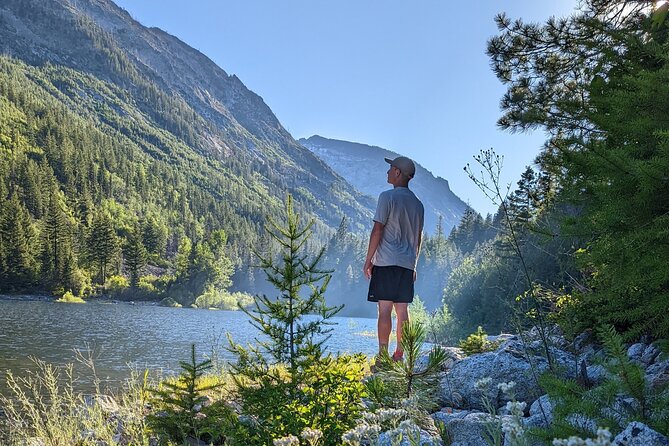
You meet at the Fred Burr Trailhead on Fred Burr Rd in Victor, Montana, and the tour ends back at the same meeting point. That’s helpful for planning, because you don’t have to coordinate a shuttle or worry about “where do we finish?”
At the start, you’ll get the essentials: safety basics, how the day’s flow works, and how gear will be handled. The operator provides the core rentals, including packrafts and backpacks, so you’re not showing up with a bag of mystery equipment.
One important operational detail: one packraft setup is provided for each adult or youth ticket (packraft, paddle, and life vest). The guide carries two packraft setups, and the remaining gear is carried by other adults in the group. Translation: you’ll want to be ready for a steady, not-stop hike where carrying weight is part of the day.
The Canyon Hike: Glacial Scouring and a Steady 1,000 Feet
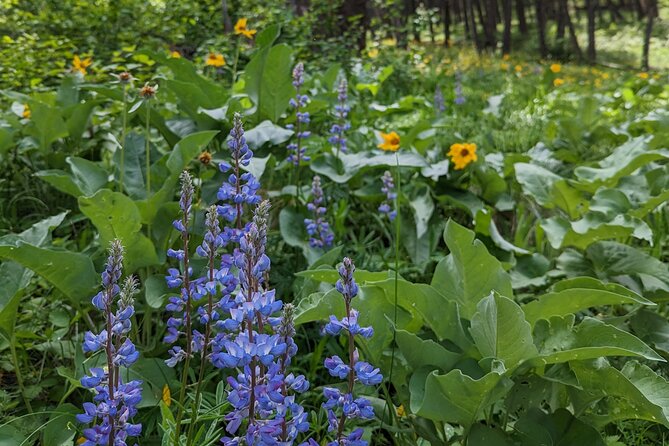
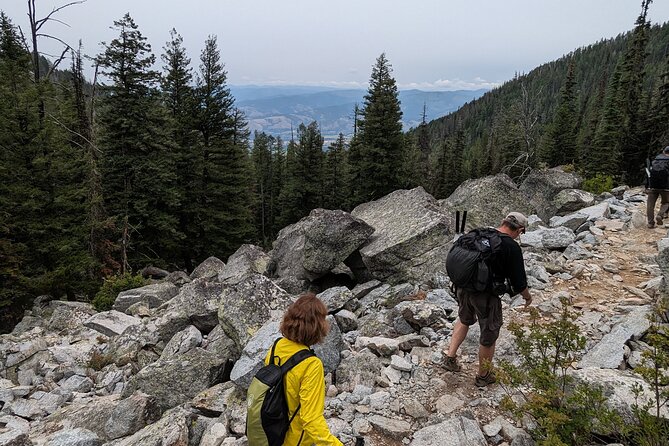
This trip climbs through a glacially scoured canyon in the Bitterroot National Forest. That phrasing isn’t just geology flex. It hints at what you’ll see: a trail shaped by ancient ice, with a more dramatic feel than flat hikes.
You’ll hike about 4 miles up, reaching a high-elevation backcountry lake. The elevation gain totals about 1,000 feet for the round trip, which means your legs will notice it in the middle miles. Use the trekking poles. They’re included for a reason.
Along the route, you’ll also get:
- Local plant and animal identification
- Short “sciency” nature talks
- Breaks where you can drink filtered water from the guide’s water filter
This is one of those days where your attention shifts. Early on you focus on footing and effort. Later, you notice the details the guide points out: plants, animal signs, and how the landscape got the way it is.
The Lake Float in Packrafts: Calm Water After Hard Work
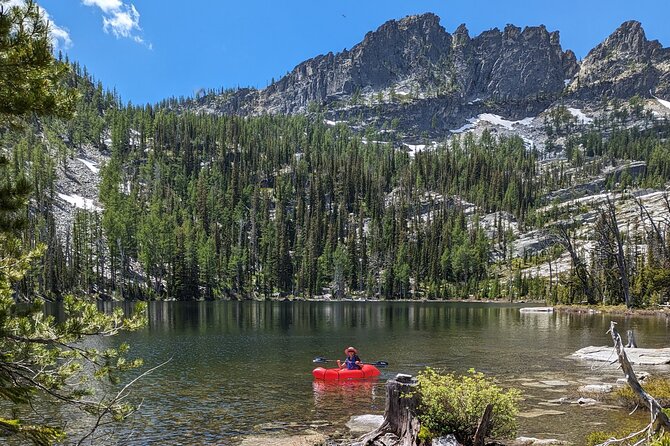
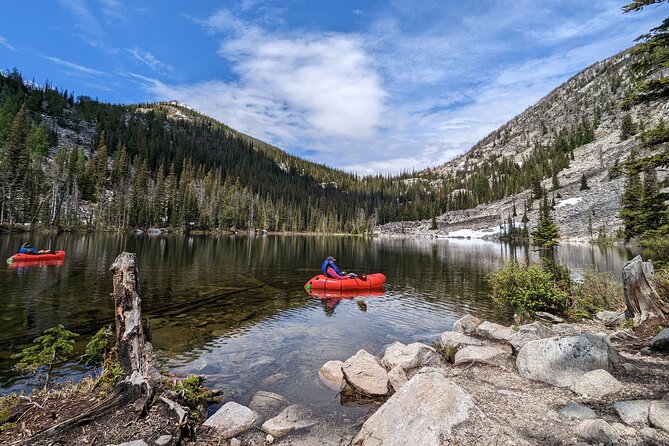
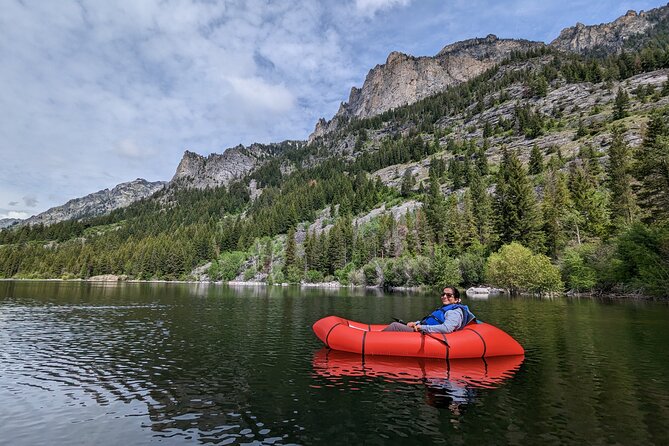
Once you reach the lake area, the day changes gears fast. You’ll paddle inflatable packrafts on a calm alpine lake. This is where the payoff really hits: you’ve hiked, you’ve earned your spot, and now you’re floating in a quiet basin with mountain views all around.
The guide leads the setup and safety approach, and you’ll be wearing a life vest. One of the best parts is the sense that you’re not just sharing a tiny pond with a bunch of people. The trip is built to keep the float experience feeling spacious and peaceful.
You’ll spend time paddling while the guide prepares lunch in a backpacker style. This timing matters. Eating right after your hike, before you get too tired, makes it feel like a true outdoor meal instead of a rushed snack.
Lunch in the Backcountry: Pad Thai, Pasta Primavera, or Beef Stroganoff
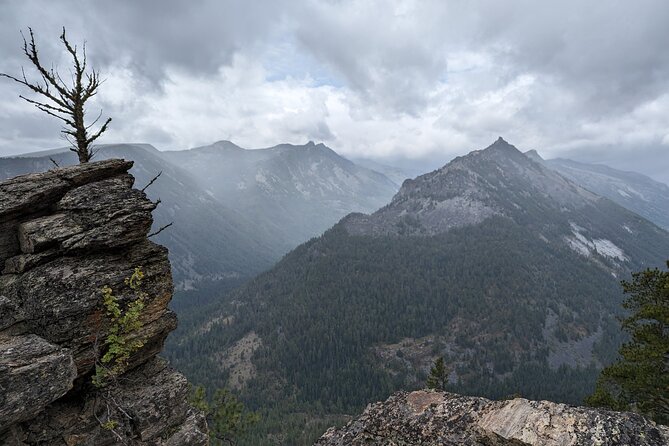
I like this lunch setup because it’s not just “we brought food.” The guide prepares the meal for you as you enjoy the lake. You choose between three options:
- Pad Thai
- Pasta Primavera
- Beef Stroganoff
Along with that, you’ll have a snack bag with treats like Shar Trail Mix, beef and vegan jerky, and Lara Bars. Additional snacks can include fruit leather, granola/protein bars, chocolate, and even a seafood option if you ask (smoked mussels are mentioned as something to check on if you’re a seafood fan).
After you eat and return to shore, you’ll learn a bit about cooking in the backcountry without leaving a trace. This is the practical part: how to think about waste, cleanup, and responsible habits when you’re cooking outdoors. It’s the kind of lesson that sticks because you experience it immediately.
Water, Snacks, and Micro-Lessons That Make the Day Feel Full
This trip doesn’t waste time. You’re offered water support and frequent chances to refuel, which keeps the energy steady for both hike and paddle.
Here’s what’s provided:
- A guide carries a water filter
- You can sip mountain creek water during breaks
- The team filters snowmelt into bottles, and filtered snowmelt is said to taste better than bottled water
And you’re not just relying on one “big meal.” You get the snack bag throughout the day. The details matter here because a long day hike plus floating can drain you faster than you expect. Having jerky, trail mix, and bars on hand keeps you from turning snack time into a hangry negotiation with the next bend in the trail.
Also, your guide adds humor and local wildlife/plant ID on the way. It sounds simple, but it changes the feel of the hike. Instead of thinking only about your pace, you start noticing what’s around you.
Huckleberries and Seasonal Fun in the Mid-High Months
If you’re traveling in the right window, you may add a bonus activity: huckleberry picking. It’s listed as mid July to September. If that’s on your calendar, this is one of those “small but memorable” experiences that makes the trip feel more like you’re part of the region, not just passing through it.
Even if huckleberry picking isn’t happening on your dates, the guide’s local nature talks still give you a sense of place. You’re learning while you move, which makes the hours fly.
What to Bring (So You Don’t Regret It Later)
The tour provides a lot, but you still have a few essentials to bring. Plan on:
- Closed-toe shoes (required)
- A raincoat (recommended as an emergency backup)
- Sunscreen
- Your own water bottle (they’ll provide water if you need it, and they’ll filter snowmelt into bottles)
Depending on conditions, consider:
- A bathing suit for July and August (recommended if you want to take advantage of water time)
- Warm clothing if the forecast is chilly (they have backups if you need)
Also think about a fly rod. A fly rod is not included, but you can rent one from a local outfitter or bring your own if you want to fish.
Small Group Advantage: Why Max 7 Matters
With a maximum of 7 travelers, the day stays manageable. This matters for packraft time, gear handling, and how much attention you get from the guide.
It also helps with how the group carries equipment. Because not every packraft setup is carried by the guide, you benefit from a group size where logistics are handled without turning the hike into a constant gear shuffling exercise.
The reviews reflect that feeling of a well-run day. One guide named Luke is mentioned as especially knowledgeable and friendly, and that kind of guide style usually makes the whole hike feel lighter, even when your legs are working.
Who This Tour Suits Best (And Who Might Want a Different Plan)
This is a great match if you want:
- A serious day hike with a clear endpoint
- A packraft lake experience, not just a short pond paddle
- A guide-led meal and practical Leave No Trace cooking mindset
- A small group day in Montana that feels authentic and not overstuffed
You might think twice if:
- Your hiking comfort zone is very limited, because 4 miles each way with about 1,000 feet of gain is a real push
- You’re expecting an easy stroll and quick photo stop (this is a full “outdoors day” commitment)
If you’re comfortable hiking moderate terrain and you’re excited to float after a climb, this is the kind of trip that feels worth every step.
Should You Book This Northern Bitterroot Hike and Float?
If you want a single day that combines effort, scenery, and hands-on outdoor cooking lessons, I think this is a smart book. The price makes sense when you factor in packrafts, trekking poles, safety gear, lunch, and the snack bag. It’s also one of those tours where the guide’s job is hard, and that helps you relax: you focus on hiking, paddling, and enjoying the lake.
Book it if:
- You’re ready for a hike with real elevation gain
- You want both a trail day and a water day
- You’ll appreciate Leave No Trace cooking tips that are taught right when you need them
Skip it or consider another format if:
- You want a low-effort hike
- You’re not comfortable with the outdoors weather-dependent part
If you do book, show up with closed-toe shoes, a raincoat in your bag, and a good attitude. Then let the day do its work: hike up, float out, eat well, and come back feeling like you actually experienced Montana.
FAQ
How long is the hike and float?
The tour runs about 6 hours 30 minutes (approximately), including the hike up, the packraft time, lunch, and the return back to the trailhead.
How far do I hike, and how much elevation gain is there?
You hike about 8 miles total, split as roughly 4 miles each way. Elevation gain is about 1,000 feet.
Are packrafts, trekking poles, and other gear included?
Yes. Packraft rentals are included, and you’ll also get backpack rentals and trekking pole rentals. Bear spray and safety equipment rentals are included as well.
What food is provided during the tour?
You get a backpacking-style lunch prepared by the guide, with options listed as Pad Thai, Pasta Primavera, or Beef Stroganoff. There’s also a snack bag, plus other snacks such as trail mix, jerky, Lara Bars, and additional treats.
Can the tour accommodate food restrictions?
They say they can accommodate most food restrictions. It’s a good idea to mention your needs when booking.
Is huckleberry picking included?
Huckleberry picking is included as part of the experience, and it’s listed as mid July to September.
What should I bring with me?
Bring closed-toe shoes, a water bottle, sunscreen, and a raincoat as an emergency backup. Warm clothing may be useful if conditions are chilly (they have backups if you need them). A bathing suit is recommended for July and August.
What happens if the weather is bad?
The experience requires good weather. If it’s canceled due to poor weather, you’ll be offered a different date or a full refund.
What is the cancellation policy?
You can cancel for free up to 24 hours in advance for a full refund. If you cancel less than 24 hours before the start time, the amount paid is not refunded.