Pine-oak hikes above Oaxaca beat city life. This day trip into the Sierra Norte mixes altitude forest walking, microclimates, and real community food stops, with a guide who adjusts the route to your group.
I love the way Luis Fernando leads: you’ll get practical pacing, plus plenty of talk about plants, fungi, and local customs as you walk. I also love the food rhythm—breakfast first, then a second mountain meal after your hike, so the day feels like an experience, not just exercise.
One consideration: the shortest option can still feel more like an intermediate hike once you factor in steep hills and altitude, so be honest about your level and ask what route your group will take.
In This Review
- Key highlights you’ll care about
- A Day Hike in Oaxaca’s Sierra Norte: What Makes It Special
- From Oaxaca City to Cuajimoloyas: The Breakfast Start
- Benito Juárez Trailhead: Distance Options That Match Your Energy
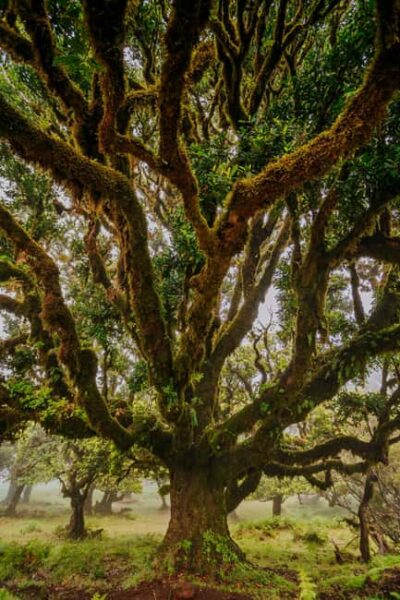
- Pine-Oak Forest at 2,800–3,100 Meters: Microclimates You Can Feel
- How Hard Is It Really? Altitude, Hills, and the Group Pace
- After the Trail: Late Lunch/Early Dinner in Mountain Towns
- What You Get for $161.30: Value Breakdown That Actually Matters
- What to Pack: Rain Season vs Dry Season Gear
- Who This Sierra Norte Hike Is For (and Who Might Want Another Day)
- Should You Book This Tour?
- FAQ
- How long is the hike?
- Where do I meet, and what time does it start?
- What group size is this tour?
- Is the tour offered in English?
- What hiking distances are available?
- What’s included in the price?
- What should I bring for rainy vs dry months?
- What is the cancellation policy?
Key highlights you’ll care about
- Up to 8 people means the guide can actually manage pace and stops.
- Distance-based choices (short 2–5 km, intermediate 5–12 km, long 12–25 km) help you match your energy.
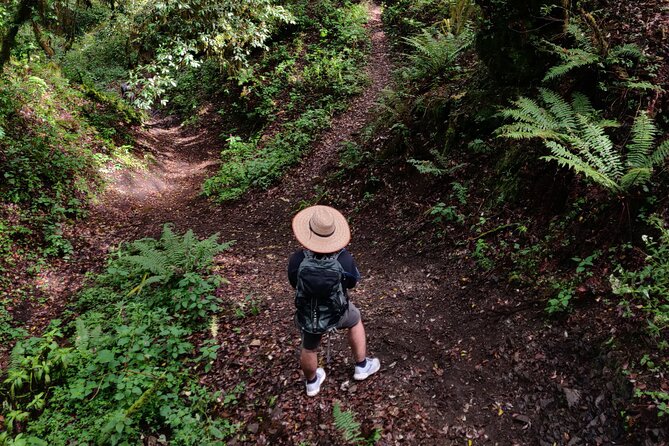
- Pine-oak forest at 2,800–3,100 m brings cooler air and quick changes in the plants around you.
- Luis Fernando’s nature notes often include fungi and traditional uses of local plants.
- Hiking poles, a rain jacket, and trail snacks reduce what you need to carry.
A Day Hike in Oaxaca’s Sierra Norte: What Makes It Special
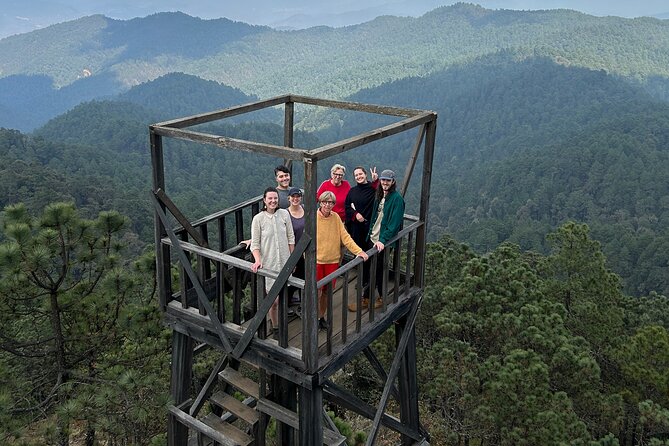
This is the kind of Oaxaca day you remember for years. You start in the city, then head into the mountains where the air feels different fast, and the trail moves through pine-oak country at high elevation.
The big win is the combination: walking plus interpretation plus food. You’re not stuck with a long drive and then a forgettable path; you’re out in the woods, learning as you go, and then you refuel at small local restaurants in nearby communities.
With a maximum of 8 travelers, you also avoid that chaotic “everyone for themselves” vibe. The guide can slow the hike down when needed, and you’ll get route options based on your fitness and what the group can handle that day.
You can also read our reviews of more tours and experiences in Oaxaca City.


From Oaxaca City to Cuajimoloyas: The Breakfast Start
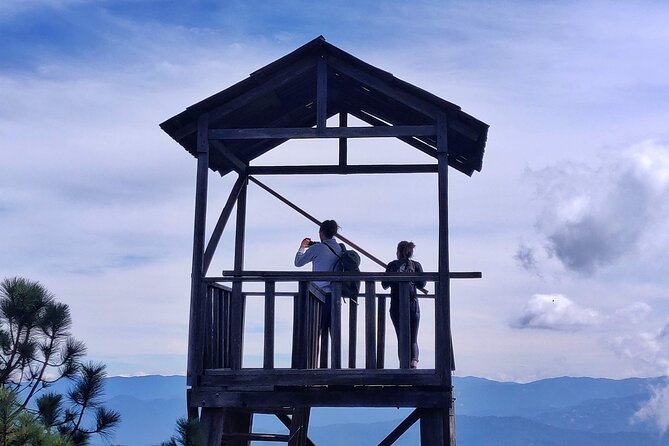
You meet at Dr. Liceaga 119, RUTA INDEPENDENCIA, Centro at 8:00 am. From there, you drive about 1.5 hours toward Cuajimoloyas, one of Oaxaca’s communal villages, before you step out into the day.
Breakfast is part of the plan and, in practice, it sets you up for success. You’re likely to eat before you’re truly in hiking mode, which matters because you’ll be working at altitude later when your body needs steady fuel.
One more practical point: because you start early and breakfast is scheduled around the departure flow, you may not start hiking until later in the morning. That doesn’t ruin the day, but it does mean you should dress with the idea that you could be walking during warmer hours on your return drive back down.
Benito Juárez Trailhead: Distance Options That Match Your Energy
After breakfast, you take a short drive—about 15 minutes—to Benito Juárez, where the hike begins. This is where the day becomes real: trail under your boots, elevation in the air, and a route the guide chooses based on your group.
You’ll get three distance styles:
- Short: 2–5 km
- Intermediate: 5–12 km
- Long: 12–25 km
Here’s the key reality check: distance alone doesn’t tell you the difficulty. People often underestimate hikes at this elevation because steep climbs and repeated ups and downs can make a shorter route feel harder than expected. Even some who pick a “short” option may end up hiking more than they pictured once the route is matched to the group’s needs.
What helps: the guide can adjust the pacing and route choices based on the hikers present. That flexibility is a plus for people who like guidance and dislike guessing.
Pine-Oak Forest at 2,800–3,100 Meters: Microclimates You Can Feel
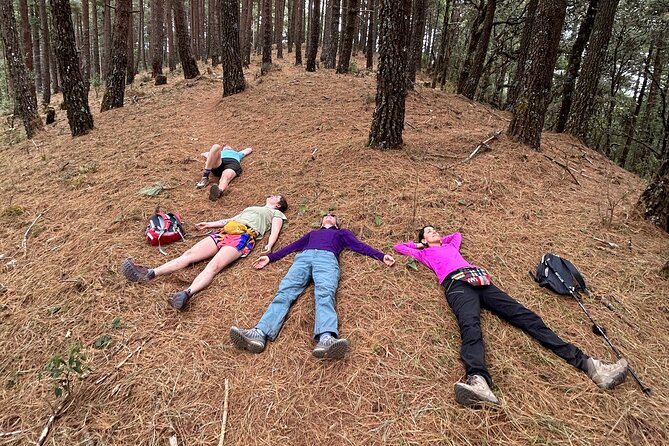
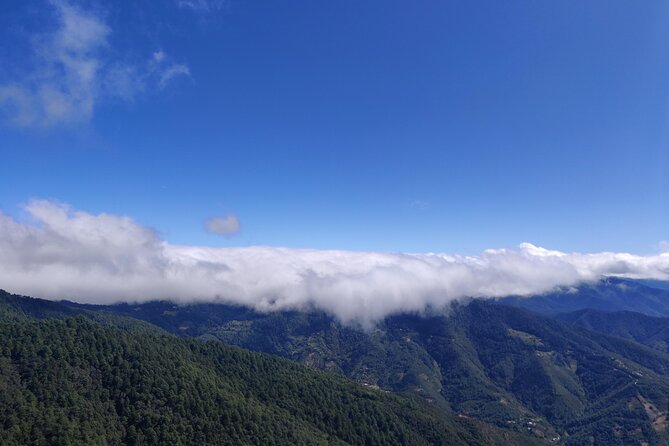
The hike runs through pine-oak forest between roughly 2,800 and 3,100 meters above sea level. If you’ve never hiked at elevation in Mexico, you’ll notice two things quickly: the air feels cooler and you’ll probably work a little harder for the same effort.
One of the coolest parts is the microclimate effect. As you move along the route, the vegetation can change around you, which is exactly what the guide is watching for. You might notice shifts in plants and forest feel without the walk needing to be long—altitude plus slope can do that.
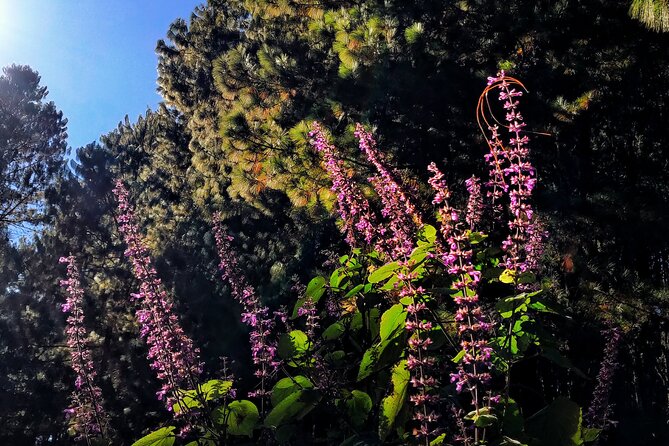
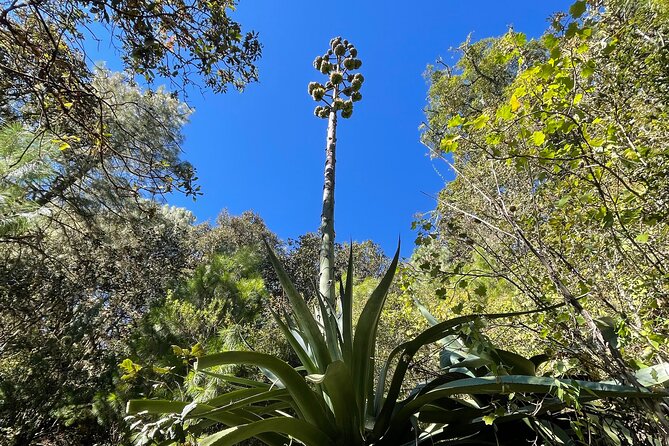
And yes, this is a “look up and pay attention” hike. The guide may point out local flora, fauna, and fungi, and you may hear about traditional uses of plants. On some days, that curiosity can even turn into a mushroom-focused moment during the hike, with people seeing and discussing local fungal life.
If you like nature facts that are practical—how locals use plants, what grows in different conditions—this is where the experience becomes more than scenery.
How Hard Is It Really? Altitude, Hills, and the Group Pace
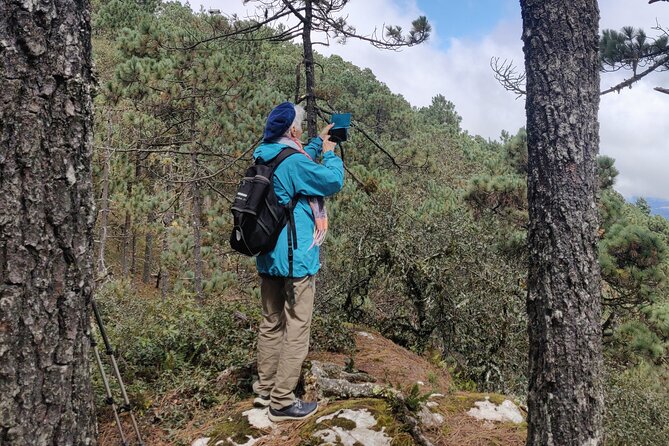
Let’s talk effort honestly. Several accounts describe this as a true hike, not an easy stroll. Trails often involve steady climbing, and flat sections are the exception, not the rule.
Also, group pacing matters. In a small group of up to 8, the guide generally manages well, but if your group has mixed fitness levels, you can end up with some waiting while others catch up. That’s not “bad,” but it is the kind of thing you should mentally prepare for.
My advice: if you’re the type who hates slowing down, tell the guide at the start what pace you can hold comfortably. If you’re worried about altitude, mention that too. Choosing the route and sticking to a sustainable effort will feel better than pushing early and regretting it later.
And use the poles if you were provided them. Hiking poles are included, and on steep, rocky, or uneven sections they can make the trail feel dramatically more manageable—especially on the way down.
After the Trail: Late Lunch/Early Dinner in Mountain Towns
Once you finish the hike, you head back toward the villages for a second food stop. The timing can be late; because the day includes breakfast, driving, hiking, and time for route changes, the “lunch” can land closer to early dinner for your schedule.
The good part is that the food is not generic. You eat at local restaurants the guide favors in mountain communities, which gives you a real sense of how locals refuel after time outdoors.
If you’re someone who thinks hikes should be paired with good meals, you’re going to like this. The experience includes breakfast plus meals afterward, and there’s also snack trail mix and plenty of water along the way.
Some days may include standout dishes like trout cooked in a simple local setting, but even if the menu varies, the core idea stays the same: you’ll eat in places that feel part of daily mountain life, not like a tourist stop.
What You Get for $161.30: Value Breakdown That Actually Matters
Price for this hike is $161.30 per person, and the real value is in what’s bundled.
You’re paying for:
- Private transportation (not just a shared shuttle)
- Breakfast plus lunch meals
- Trail snacks (trail mix)
- Bottled water, plus a water bottle with refill
- Hiking poles
- Entry fees
- Rain jacket
And you don’t get everything by paying for convenience alone; you get the structure. A guide handles route selection, pacing, and on-the-ground choices, including which distance option fits the group on that specific day.
If you’ve ever tried to DIY a high-elevation hike around Oaxaca City, you know how hard it is to match the local knowledge part. The guide adds the “why” behind what you see, and the meal stops turn the day into a full outing instead of a half-effort trek.
What to Pack: Rain Season vs Dry Season Gear
Even with gear support, you’ll still want the right clothing. Here’s the tour’s season guidance:
- Rainy season (June–October): bring boots and a rain jacket. The tour includes a rain jacket, and the guide can bring extra gear if you need it, but waterproof footwear still matters.
- Dry season (November–May): bring a long-sleeved shirt, hat, and sunscreen.
A couple items to remember because they’re not included:
- Backpack
- Cold jacket
At altitude, cold can sneak up on you even when Oaxaca City feels warm. If you run cold easily, pack a warmer layer. It’s better to have it and not need it than to spend the hike doing that awkward “I’m fine” face while you shiver.
Also, wear real hiking shoes. Several people specifically call out footwear as a must. This is not the day to test brand-new sneakers with questionable grip.
Who This Sierra Norte Hike Is For (and Who Might Want Another Day)
This tour fits best if you:
- want fresh air and a structured day outdoors outside Oaxaca City
- enjoy nature details, especially plants, fungi, and local land-use stories
- can handle moderate fitness effort at elevation
- like small groups and a guide who adjusts the plan
It’s also a solid option for solo travelers, couples, and people who want an English-speaking guide. The tour is offered in English, and people highlight that the guide’s communication makes the nature talk easier to follow.
Who should be cautious? If you’re looking for a truly easy, flat walk, or if altitude makes you feel unwell quickly, this hike may not be your best match. The trail can feel steep and continuous, even when the distance sounds short on paper.
Should You Book This Tour?
I’d book it if you want a high-altitude Sierra Norte day that blends real hiking with real mountain food stops. The guide-led nature focus—often including plants, fungi, and traditional knowledge—is a big part of why people rate it so highly, and the included poles, water, and rain gear make it easier to travel light.
I would not book it blindly if you need a strictly easy route. The distance options give a guideline, but hills plus elevation can change the feel of the hike. When you book, be direct: tell the guide what pace you can comfortably hold and ask which distance you should expect on your specific day.
If you do that, you’ll be set up for the best kind of day in Oaxaca: outside the city, breathing cleaner air, eating like you earned it.
FAQ
How long is the hike?
It runs for about 12 hours.
Where do I meet, and what time does it start?
You meet at Dr. Liceaga 119, RUTA INDEPENDENCIA, Centro, Oaxaca de Juárez at 8:00 am, and you return to the same meeting point.
What group size is this tour?
The maximum group size is 8 travelers.
Is the tour offered in English?
Yes, it is offered in English.
What hiking distances are available?
You’ll choose among short (2–5 km), intermediate (5–12 km), or long (12–25 km) options, based on your level and the group’s pace.
What’s included in the price?
Included are breakfast, lunch meals, trail snacks (trail mix), bottled water and a refillable water bottle, hiking poles, private transportation, entry fees, and a rain jacket.
What should I bring for rainy vs dry months?
For June–October, bring boots and a rain jacket. For November–May, bring a long-sleeved shirt, hat, and sunscreen.
What is the cancellation policy?
You can cancel for a full refund if you cancel at least 24 hours before the experience start time. If you cancel less than 24 hours before, the amount paid is not refunded.