REVIEW · KASTRAKI
Kastraki: Meteora Via Cordata Hiking Tour to the Great Saint
Book on GetYourGuide →Operated by Visit Meteora · Bookable on GetYourGuide
Rock walls and monastery views in three hours. This Kastraki-to-Great-Saint hike pairs Via Cordata energy with classic Meteora scrambling, plus stories you’ll actually remember. I especially like how the route gives you breath-taking 360-degree panoramas without forcing you into the biggest crowd scenes.
My other favorite part is the feel-good safety setup. You start with a real briefing and gear (helmets and harnesses), and the guides keep things controlled while still letting you enjoy the climb. The main drawback is that it’s moderate to challenging rock work, so you’ll want solid comfort on uneven ground and closed-toe shoes.
In This Review
- The 6 Things You’ll Care About Most on This Meteora Via Cordata
- Kastraki to Great Saint: What This Hike Delivers in Real Terms
- Meet at Qastiro Meteora and Get Set Up Properly
- The Ascent: Sandstone Towers, Scrambling, and Monastery Context
- Via Cordata: How the Safety System Changes the Climb
- Photos and Pauses: Stops That Actually Feel Worth It
- The Great Saint Summit: Your 360-Degree Reward
- Descent Back to Kastraki: Let the Rock Teach You Twice
- Price and Value: Why $88 Can Be a Great Deal Here
- The Most Praised Parts: Guides, Security, and Getting the Real Meteora Feeling
- What to Bring and Wear (and What Makes It More Comfortable)
- Who This Tour Suits Best (and Who Might Struggle)
- Weather and the One Thing You Can’t Ignore
- Should You Book This Meteora Via Cordata Tour from Kastraki?
- FAQ
- FAQ
- How long is the Kastraki to Great Saint Via Cordata hiking tour?
- Where do we meet the guide?
- What’s included in the tour price?
- Is pickup included from Kalampaka or Kastraki?
- What should I wear or bring?
- Is the tour suitable for children and beginners?
The 6 Things You’ll Care About Most on This Meteora Via Cordata
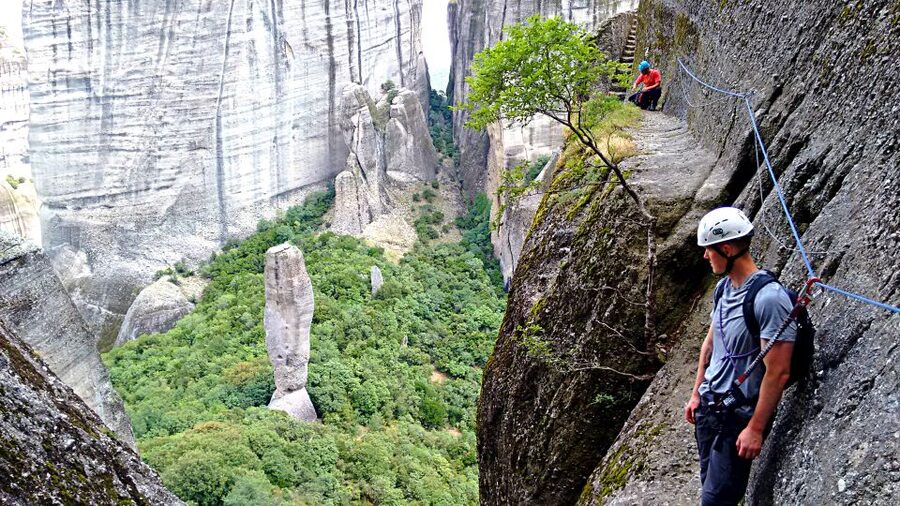
- Small group of up to 6 means less waiting and more guide attention
- Helmets and harnesses are provided, so you can focus on the route
- Via Cordata section adds structure and safety while you move along the rock
- 360-degree views from Great Saint put Meteora monasteries into context fast
- Scrambling on sandstone towers gives you the real Meteora feeling, not just a viewpoint stop
- Early timing helps with comfort, especially in warmer months (if your departure time allows)
Kastraki to Great Saint: What This Hike Delivers in Real Terms
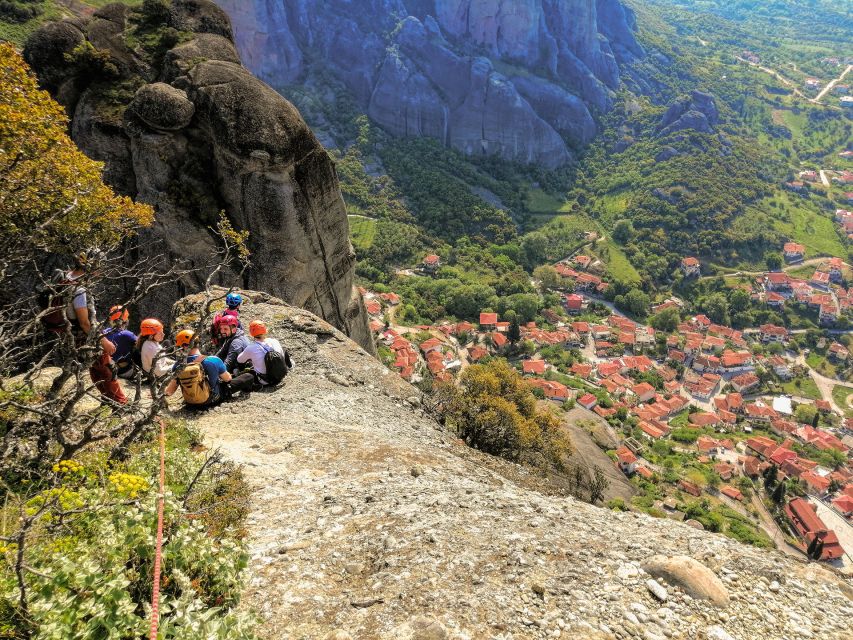
This tour is built for people who want Meteora in motion. You’re not just walking on a paved path. You’re tackling sandstone rock formations, using fixed protection along a Via Cordata route, and moving through areas tied to the mountain and the monks’ legacy.
The vibe is part adventure, part guided learning. You get local context as you climb, which turns the towers from scenery into a story you can picture. And since it’s a small group, you usually feel like you’re getting the mountain with more breathing room.
You should also know what “moderate to challenging” means here. This is for a good fitness level, but it’s not extreme mountaineering. Expect scrambling, balancing, and moments where you slow down to place your feet carefully.
Meet at Qastiro Meteora and Get Set Up Properly
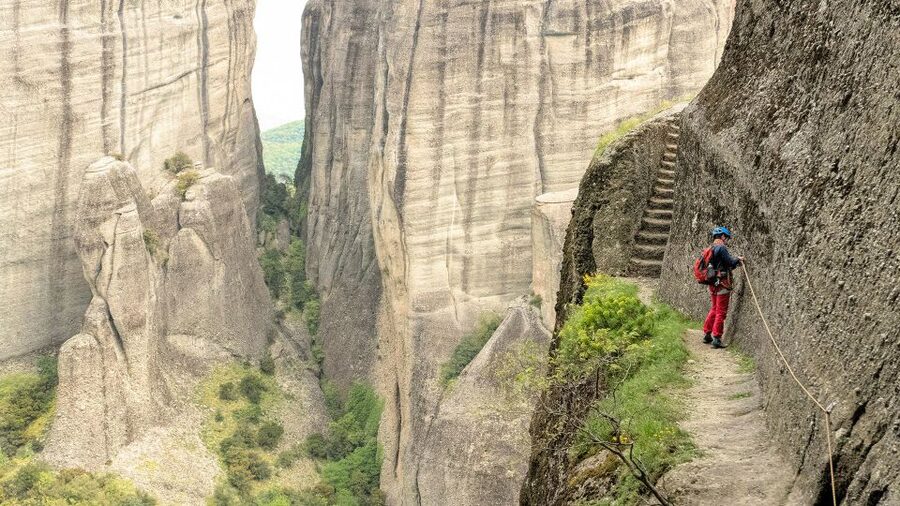
Your day starts in the center of the old habitation of Kastraki village, at Qastiro Meteora. That matters because it puts you right where Meteora hiking culture begins, instead of funneling you from a distant bus lot.
Before you move, you’ll get a safety briefing and the equipment you need. The tour includes helmets and harnesses, which is a big deal on rock. It reduces the stress that otherwise comes from wondering if you’re doing everything right. You’re also given water, so you’re not starting the climb dehydrated.
One practical note: closed-toe shoes are required, and sandals or flip-flops are not allowed. If your shoes are slick or you don’t feel stable on uneven surfaces, the hike will feel harder than it needs to.
The Ascent: Sandstone Towers, Scrambling, and Monastery Context
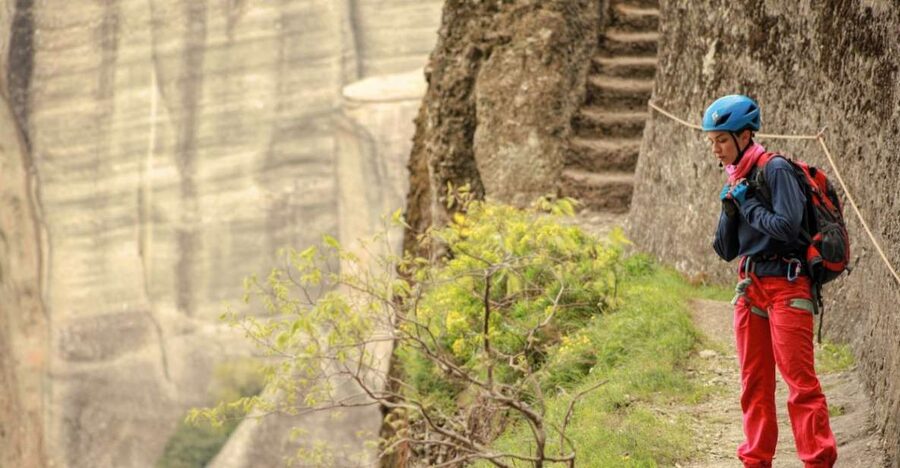
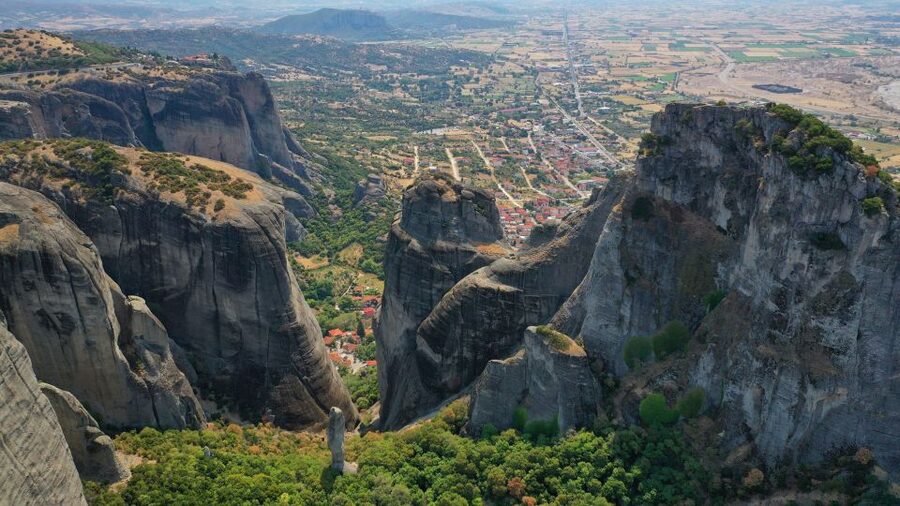
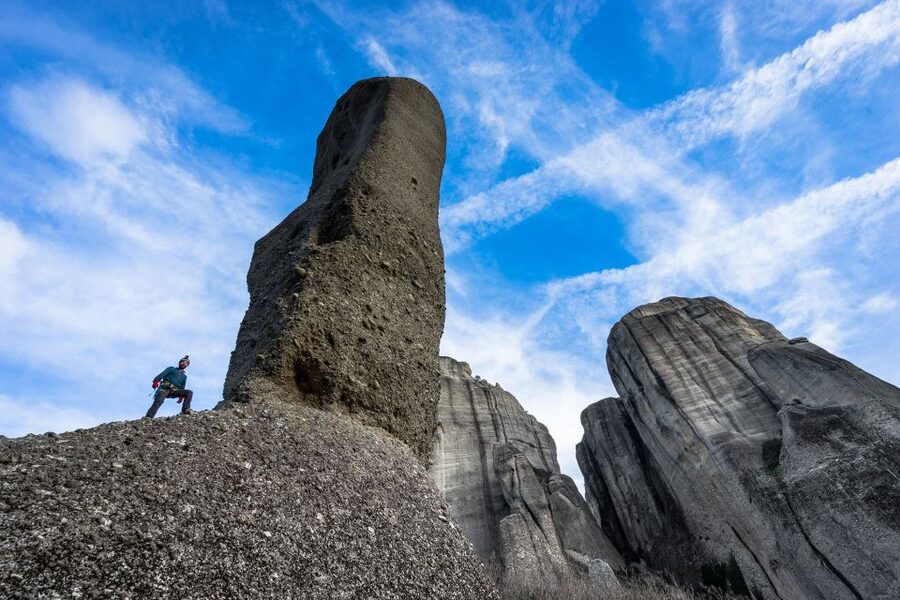
Once you start up the trail, you’ll get the Meteora “up close” experience. The route takes you through areas described as sandstone formations and paths shaped by monks. That means the scenery isn’t random. You’re seeing why people built spiritual life on these cliffs in the first place.
You’ll encounter sections that require scrambling and balancing skills. In practice, this is where your pacing matters. The guides encourage you to move deliberately, not rush. You’ll often stop, reset your footing, and continue with confidence.
This is also where the guide storytelling pays off. In guides like Kostas, you can feel the difference between someone who just leads and someone who connects the terrain to local history. You’ll hear explanations that help you understand what you’re looking at, not just where to put your next step.
Via Cordata: How the Safety System Changes the Climb
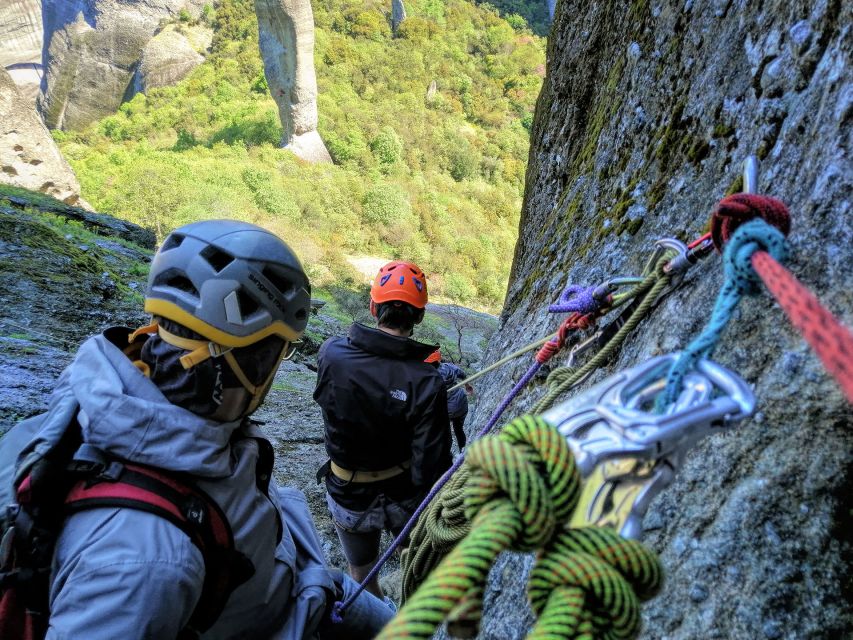
A key highlight of this tour is that you participate in a Via Cordata. Even if you’ve done via ferrata before, it helps to know that via cordata can feel different. One review described it as less physical and less vertigineous than a typical ferrata, which is good news if you want challenge without total terror.
What you can take to the bank is this: you’ll be using the safety equipment provided. Helmets and harnesses mean you aren’t relying on bravery alone. The fixed protection along the route helps you keep your mind on the next move instead of worrying about balance.
Also, you’ll likely appreciate the small-group format here. When people are spread out, it’s easier for your guide to manage pacing and keep everyone safe. When stops happen, they’re not chaotic. You get the time you need to look around, catch your breath, and take photos.
Photos and Pauses: Stops That Actually Feel Worth It
Meteora has plenty of viewpoints, but this tour builds them into the climb. You’re guided through sections where the views open up in stages, not all at once. That makes photography more fun because you’re not only shooting from one fixed spot.
Expect stops where you can take in the towers and monasteries from better angles than you’d get from a standard viewpoint. One review even mentioned the guide helped take amazing photos during stops. If you care about getting more than shaky phone shots, that small extra help matters.
There’s also a comfort upside to some routes: one review noted that starting early can help you avoid harsh heat and that there are enough shade moments during the ascent to make the climb more manageable. Departure time matters here, so choose a slot that matches your heat tolerance.
The Great Saint Summit: Your 360-Degree Reward
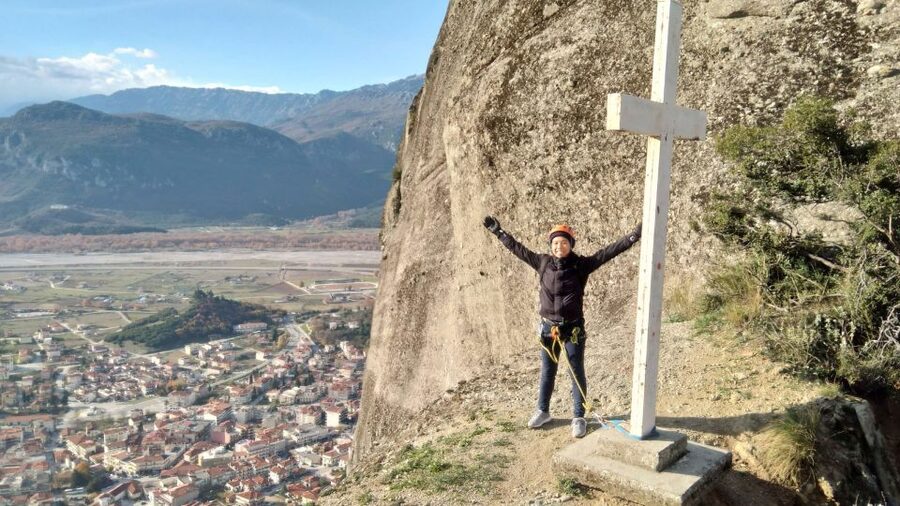
The top of the tour is the Great Saint mountain viewpoint in Meteora. This is where the climb pays you back. The experience here is described as breathtaking 360-degree views of the Meteora rocks and monasteries, and that’s exactly the payoff you want from this kind of hike.
At the summit, you’ll have time to catch your breath and enjoy the view. This isn’t a rushed “take a picture and go” moment. It’s time to orient yourself, see where the monasteries sit on the cliff walls, and understand the scale of the rock towers.
If you’ve only seen Meteora from the valley or from a distance, the summit view changes your understanding quickly. The monasteries stop being dots on cliffs and become part of a massive vertical world of stone.
And because it’s guided, you’ll also likely hear context that makes what you’re seeing feel sharper. The guide can help you notice features you’d miss on your own.
Descent Back to Kastraki: Let the Rock Teach You Twice
The return is not just repeating your steps. Descending rock often feels trickier than going up because your eyes focus on grip and footing. This is where the briefing and equipment setup pay off again. You’re used to the pace and safety rhythm by then.
You’ll generally descend back down the same trail system after enjoying the summit. The goal is to finish feeling like you did something real, not like you survived a test. With the small group size, you tend to keep better spacing, and that makes the whole descent feel smoother.
If you’re someone who gets restless near the end of hikes, don’t. The last stretch still has good views and a satisfying sense of closure. You’ll probably feel proud, especially if you were unsure about scrambling at the start.
Price and Value: Why $88 Can Be a Great Deal Here
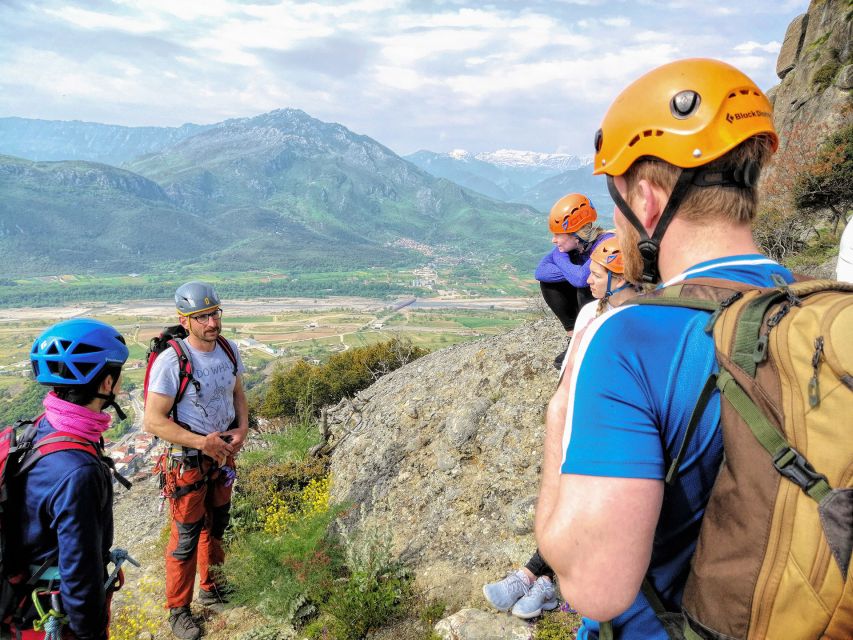
The price is $88 per person for a 3-hour guided hike. That sounds simple until you compare what’s included versus typical “views only” tours.
Here’s the value math that makes sense for this specific experience:
- You get a professional English-speaking mountain guide
- You get all necessary equipment (helmets and harnesses)
- You get water included
- You’re in a small group limited to 6
On a place like Meteora, guide quality and safety gear aren’t “extras.” They are the experience. Scrambling with a competent leader changes the whole day, and it usually means you spend more time enjoying the climb instead of worrying.
Also, the “avoid the crowds” claim is believable here because a small group format naturally reduces the bottleneck effect you feel at popular monastery viewpoints. You still see the big scenery, but the tour doesn’t feel like a parade.
One more value angle: reviews highlight feeling secure and instructed at the right moments. That attention is hard to price, but it’s what turns a fun idea into a tour you’d repeat.
The Most Praised Parts: Guides, Security, and Getting the Real Meteora Feeling
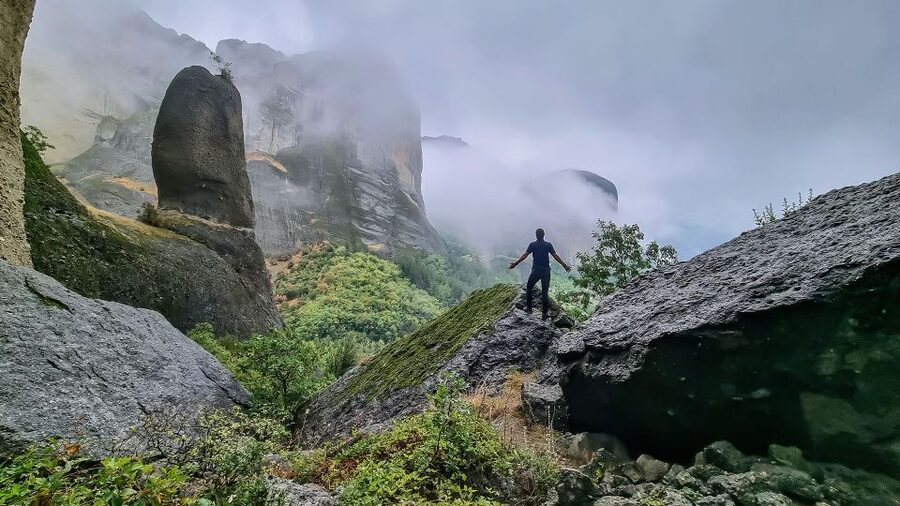
If I had to summarize what people clearly love most, it’s three things: safety confidence, great guiding, and scenery that feels earned.
Safety confidence comes through in comments about feeling secure and being roped in when needed. That’s exactly what you want to hear. One review also mentioned two instructors, Costa and Evin, which suggests some departures may involve extra guidance support. If you like the idea of having more than one person watching your progress, that’s reassuring.
Guide quality also shows up through local history storytelling. Several reviews name guides like Kostas, calling him professional and friendly. One key theme is patience. That’s huge for a route that involves scrambling and balancing. When the guide stays calm, you calm down too.
Finally, the views are consistently described as the reward: panoramic, dramatic, and worth the climb. It’s not just a pretty stop. It’s a full “I understand Meteora now” moment.
What to Bring and Wear (and What Makes It More Comfortable)
The tour has a short list of requirements, but you can plan for a more comfortable day with a few smart choices.
Required:
- Closed-toe shoes
- No sandals or flip-flops
Comfort tips that are worth considering:
- Bring shoes with good grip for rock and uneven footing.
- Think about glove comfort. One review noted gloves could make it more comfortable. If you know your hands get irritated on cables/rock edges, pack a pair.
Clothing-wise, you’ll want something you can move in during scrambling. The tour runs about 3 hours, so you’re not dealing with an all-day trek. Still, treat it like an active hike, not a casual stroll.
Who This Tour Suits Best (and Who Might Struggle)
This is a good fit for outdoor enthusiasts who like a challenge with real payoff. The tour is described as moderate to challenging and not suitable for people with low fitness.
It’s also not for young kids. Children under 8 years aren’t allowed.
If you’re comfortable with uneven terrain and you don’t mind using ropes/cables as part of the route, you’ll likely feel at home. If you’re someone who wants a totally vertical adrenaline rush, it might be too structured and controlled for your taste. But if you want adventure with safety and guidance, this is the sweet spot.
One more useful clue from reviews: people who already did via ferrata sometimes found via cordata less intimidating, which can make this a smart step if you want a taste of rope-based climbing without going full ferrata mode.
Weather and the One Thing You Can’t Ignore
Meteora weather can change fast. The tour notes that if it’s rainy, the tour will be cancelled, and you’ll get a full refund or an alternative date.
That matters because rock routes and scrambling feel very different when wet. If rain is in the forecast, prioritize your schedule flexibility. You’ll get the best experience when the rock is dry and grip is predictable.
Should You Book This Meteora Via Cordata Tour from Kastraki?
Book it if you want more than a viewpoint. This tour is for people who like doing the thing, not just seeing the thing. You get Via Cordata, real scrambling on sandstone, and a summit reward with 360-degree views.
You should also book it if you value safety and guidance. The tour provides helmets and harnesses, and the reviews consistently highlight feeling secure and supported by guides like Kostas, plus extra-instructor support in some groups (Costa and Evin).
Skip it if you want an easy walk or if you don’t feel comfortable with moderate to challenging rock movement. Also, if wet weather would ruin your whole day and you can’t switch plans, you’ll want to think twice about booking in a rainy window.
FAQ
FAQ
How long is the Kastraki to Great Saint Via Cordata hiking tour?
The tour lasts 3 hours.
Where do we meet the guide?
You meet the guide at the center of the old habitation of Kastraki village at Qastiro Meteora.
What’s included in the tour price?
The tour includes a professional English-speaking mountain guide, all necessary equipment (including helmets and harnesses), and water.
Is pickup included from Kalampaka or Kastraki?
Hotel pick up and drop off from Kalampaka or Kastraki is not included, though the tour mentions optional pick-up service if you prefer it.
What should I wear or bring?
Bring closed-toe shoes. Sandals or flip-flops are not allowed.
Is the tour suitable for children and beginners?
It’s not suitable for children under 8 years, and it isn’t recommended for people with low fitness. It’s described as moderate to challenging, with scrambling and balancing involved.