REVIEW · LA HERRADURA
La Herradura: Hiking Maro Cliffs – Cerro Gordo
Book on GetYourGuide →Operated by AWA Surf Center · Bookable on GetYourGuide
Sea views come quick here. This guided hike in Maro-Cerro Gordo Natural Park turns La Herradura into an easy start, with huge Mediterranean panoramas and crystal-clear coves where you can swim and snorkel. I love the coastline views. I love the chance to cool off in the water. The drawback: it’s rocky, and it can feel hard, so plan on solid footwear and a steady pace.
This trip is also unusually good for wildlife spotting and learning small local details that most people miss. I like how guides such as Luis and Candida, plus Michael and Miquel, point out mountain goats and small natural curiosities along the way. You’ll walk about 8 km total in roughly 3 hours (often 3–4), so it’s best when you’re ready for a real hike, not a casual promenade stroll.
In This Review
- Key Points I’d Tell a Friend
- Where La Herradura Meets the Maro-Cerro Gordo Cliffs
- The Trail: 8 km, Rocky Footing, and Views That Keep Coming
- Cantarrijan and Cala del Cañuelo: The Coves That Make the Trip Worth It
- Cerro Gordo Watchtower Viewpoint: When the Coast Opens Up
- Wildlife, Flora, and Those Small Nature Details Your Guide Brings
- Photos, Water, and Included Gear That Keeps It Stress-Free
- What the Route Feels Like, Step by Step
- Price and Value: Why $34 Can Feel Like a Steal
- Should You Book This Maro-Cerro Gordo Hike?
- FAQ
- How long is the Hiking Maro Cliffs to Cerro Gordo experience?
- About how far will we hike?
- Is snorkeling included, and do I need to bring goggles?
- What should I bring for the hike?
- What fitness level is required?
- Are children allowed?
Key Points I’d Tell a Friend
- Two signature coves with water time: Cantarrijan and Cala del Cañuelo are the big swim-and-snorkel stops.
- Cerro Gordo viewpoints with real payoff: The watchtower area gives wide views, and on clear days you can even see the Moroccan coast.
- Wildlife is part of the itinerary: You can spot mountain goats, birds, and other small living things along the route.
- Guides help you read the place: Expect explanations of local history, flora, and fauna—not just a route recap.
- Gear is provided, but comfort matters: Hiking poles are included, and goggles/snorkel come with the activity.
- Hard parts are predictable: Rocky footing and elevation gain mean you’ll want proper shoes and a relaxed walking rhythm.
Where La Herradura Meets the Maro-Cerro Gordo Cliffs
You start right on the La Herradura seafront promenade at Kayak AWA La Herradura. From there, you get pulled into the Natural Park fast—think about 10 minutes on foot before the real hiking begins. It’s a nice setup because you’re not wasting half the morning just getting to the good stuff.
This area sits right on the Mediterranean, so the cliffs and coves feel close, not like a far-away postcard. You’re basically switching from beach town energy to rugged nature in a short walk.
Also, if you’re planning your timing: the activity is recommended from October to May. That’s a good window for comfortable hiking in Andalusia, when the sun is still strong but the long warm slog is less intense than midsummer.
The Trail: 8 km, Rocky Footing, and Views That Keep Coming
The route is about 8 km and typically lasts around 3 hours, though it can stretch to 3–4 hours depending on pace and how long you linger at viewpoints. Expect a minimum level of fitness, and also expect the ground to be rocky. This is not the kind of hike where you keep your feet casual and forget about them.
Elevation gain is commonly around 250–300 meters, which helps explain why people call it hard. If you handle stair-like terrain and you’re okay going slowly uphill, you’ll feel in control. If you don’t like uneven footing, you’ll feel it.
Good footwear is a must. Hiking shoes help with grip. Hiking poles are included, and they can make a big difference on uneven rock. Even if you don’t normally use poles, grab them. Your knees will thank you later.
One practical note: the hike isn’t just straight uphill and downhill. You’ll move along hidden trails and paths that wind you through vegetation and cliff edges. That means your legs are working in slightly different ways the whole time, which is great for variety, but it also means you should keep a steady pace rather than sprinting between stops.
Cantarrijan and Cala del Cañuelo: The Coves That Make the Trip Worth It
A major reason to pick this hike is the water time. You’ll visit two of the most popular coves in the area: Cantarrijan and Cala del Cañuelo. This is where you stop hiking and switch gears.
You’ll have a break for swimming and snorkeling, with a dedicated window of about 20 minutes. The water is described as crystal clear, and that matters because clear water makes marine life easier to spot through your goggles.
Snorkeling gear is included: goggles and snorkel come with the activity. That said, I also like the idea of bringing your preferred goggles if you’re picky about fit. The water can be clear enough that you’ll want comfortable vision once you get in.
What to expect in the water? You might spot marine life and tiny movements that you’d never notice from the surface. In nearby coves, that small “wow, it’s alive down there” feeling is real. You won’t be doing a long underwater session. This is more about a quick reset and seeing the sea up close before heading to the higher viewpoint.
If you like swimming but hate hauling a heavy bag, this is why you should bring a backpack. You want hands free during the walk, and you’ll want a place for water and your snorkeling gear (even if the kit is included).
Cerro Gordo Watchtower Viewpoint: When the Coast Opens Up
The hike’s high point is the Cerro Gordo viewpoint next to its watchtower. This is your big “stop and look” moment.
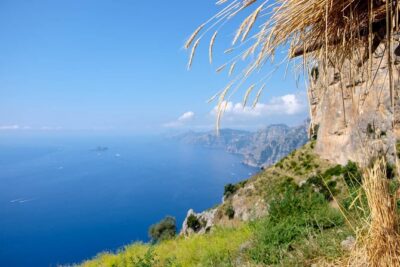
From here, the Mediterranean feels huge. You’re not just seeing a coastline—you’re seeing a long sweep of sea and cliff. On days with good visibility, the coast of Morocco can even be seen. That’s the kind of detail that makes the climb feel worth it, because you can tell you’re at a serious vantage point rather than a random viewpoint.
There’s also a short photo stop built into the route. Even if you aren’t a photographer, treat that time like a mental checkpoint. Views like this are best enjoyed slowly, not in a hurry. Take the pictures if you want, but also pause long enough to actually look around.
Wildlife can show up here too. Mountain goats are part of what people come for in this region, and you may see them against the cliff edges or higher areas as you work your way through the route.
Wildlife, Flora, and Those Small Nature Details Your Guide Brings
What I like most about this hike is that it’s not only a workout with scenery. The guide turns the place into a living lesson.
You can expect wildlife viewing as part of the experience. Mountain goats are specifically highlighted, and guides also focus on birds and other small natural details. Depending on the day, you might spot lizards and other creatures moving through vegetation and rock edges.
One cool detail I’d watch for: the guides often explain local oddities you’d otherwise ignore. In this area, there are mentions of interesting natural activity in trees, tied to local insect life such as procession moth behavior. You may also hear about how small things—like insects and ants—are actively working in the background while everyone else is busy staring at the sea.
This is also where guides earned strong praise: they’re attentive and they help when the terrain gets prickly. If you run into thorny vegetation or rough spots, it’s helpful to have someone who knows how to move you through without making it a painful game.
Photos, Water, and Included Gear That Keeps It Stress-Free
This is one of those activities that feels easier than it sounds because the basics are handled for you.
Included are:
- A tour guide
- Hiking poles
- Photographs during the activity
- Accident insurance and civil liability insurance
- Water plus fruit or an energy bar
- Goggles and snorkel
The photo part is practical. You won’t spend the hike constantly stopping to set up shots. Instead, you can walk, look, and enjoy the stops. Then you get photos from moments you’d probably forget to capture—like viewpoint angles and water time.
The water and snack also matter for value. This isn’t a “buy a bottle at the kiosk and hope” situation. You’re fed enough to keep your energy stable, especially important because rocky hiking can drain you faster than you expect.
If you’re the type who packs just in case: bring sunscreen and outdoor clothing. Even in cooler months, sun on the cliffs can be intense. And if you plan to snorkel, don’t forget a backpack so you’re not juggling stuff while you walk.
What the Route Feels Like, Step by Step
Here’s how the day typically flows, and why each piece matters.
1) Start at Kayak AWA La Herradura
You’re on the promenade to begin. It’s a clean starting point for getting your bearings before the hike turns into real nature trail.
2) Cliffs of Maro-Cerro Gordo
This is your main walking section, with scenic views along the way. It’s also where the guide’s explanations become most useful—because you’re moving through areas where plants, rock forms, and animal signs make sense when you know what you’re looking at.
3) Photo stop
You get a chance to pause and capture the moment. It’s short—about 15 minutes—but it’s enough to reset your eyes before the next leg.
4) Break time: swimming and snorkeling
This is the reward. You cool off in the coves and get about 20 minutes for snorkeling and marine life viewing. This section turns the hike from “workout with views” into “views plus sea time.”
5) Finish at Atrévete | Cerro Gordo
You end after the hike and water break. From there, you can plan food and relaxation with the day still feeling active, not drained.
One good mindset: treat this hike like a set of linked moments. The views motivate your walking. The water time makes you feel human again. Then the viewpoint gives you closure.
Price and Value: Why $34 Can Feel Like a Steal
At $34 per person for about 3 hours, the value comes from what you get beyond just walking in a pretty place.
You’re paying for:
- A live guide (English and Spanish)
- Poles and snorkeling gear
- Water, fruit or an energy bar
- Photos taken during the activity
- Insurance coverage
If you try to copy this day on your own, you’ll likely spend time figuring out the best angles and where to stop for water. Here, the route pacing and stops are handled. That’s worth money when the terrain is rocky and the best viewpoints need context.
Also, the smaller, less generic feel matters. This isn’t the kind of hike where you show up, follow a sign, and call it a day. The guides focus on ecology and local details, which is a huge part of why the hike gets high marks.
Should You Book This Maro-Cerro Gordo Hike?
Book it if you want a real coastal hike with a payoff: panoramic Mediterranean views, coves for swimming and snorkeling, and a guide who makes wildlife and local details make sense. It’s a strong fit for couples, solo travelers, and anyone who likes mixing walking with water time.
Skip it if:
- You’re under 10 (children under 10 aren’t suitable)
- You need mobility-friendly access (it’s not for people with mobility impairments)
- You know you struggle with rocky terrain or low fitness levels
- You want an easy flat walk
If you’re on the fence, ask yourself one question: Can you handle rocky paths for roughly 3 hours and still enjoy stopping for photos and swimming? If yes, this is a very solid choice for Andalusia’s coast.
FAQ
How long is the Hiking Maro Cliffs to Cerro Gordo experience?
The duration is listed as 3 hours, and the estimated time can be around 3–4 hours depending on pace and stops.
About how far will we hike?
You’ll cover approximately 8 km.
Is snorkeling included, and do I need to bring goggles?
Snorkeling is available as part of the break time, and goggles and snorkel are included in the activity.
What should I bring for the hike?
Bring hiking shoes, sunscreen, and outdoor clothing. It’s also recommended to bring a backpack so you can carry water and keep your hands free.
What fitness level is required?
The activity notes that hiking requires a minimum level of physical fitness. It’s not suitable for people with low fitness levels.
Are children allowed?
Children are welcome, but it’s important that they are used to walking. Children under 10 years are not suitable.