REVIEW · LA PALMA
La Palma: Caldera de Taburiente National Park Guided Hike
Book on GetYourGuide →Operated by La Palma Transfer & Tours · Bookable on GetYourGuide
That crater walk hits you fast. This guided trek through La Caldera de Taburiente is all about Canary pine and cedar shade and the photo-stop-worthy Waterfall of Colors. I like how the route moves from mountain views to cool stream crossings without turning the day into a slog. The only real catch is weather: the return route can change, so plan on a slightly different end-game if conditions shift.
You get a full day rhythm that makes sense: bus pickup, an air-conditioned transfer, a 4×4-bus up to the observation deck, then a loop-style hike through ravines, bridges, and streams with a guide who explains what you’re seeing along the way.
In This Review
- Why Caldera de Taburiente feels different from a typical hike
- Price and logistics: how you get from bus to ravines
- From Los Brecitos to sweeping mountain views
- Canaries, cedars, and small moments that make the trek
- Bridges to birds to that Waterfall of Colors stop
- Playa de Taburiente: the cool-water reset you’ll thank yourself for
- Las Angustias ravine: volcanic formations and the return loop feeling
- What’s actually included (and what you’ll need to handle)
- Fitness and comfort: who this hike is for
- What the guides and the route quality get right
- Should you book the Caldera de Taburiente guided hike?
- FAQ
- How long is the La Palma Caldera de Taburiente guided hike?
- What does the tour price include?
- Do I need to bring food, or is there a meal included?
- Are there any swim opportunities during the hike?
- What should I pack for this hike?
- What happens if the weather changes the route?
- What languages are available for the live guide?
Why Caldera de Taburiente feels different from a typical hike
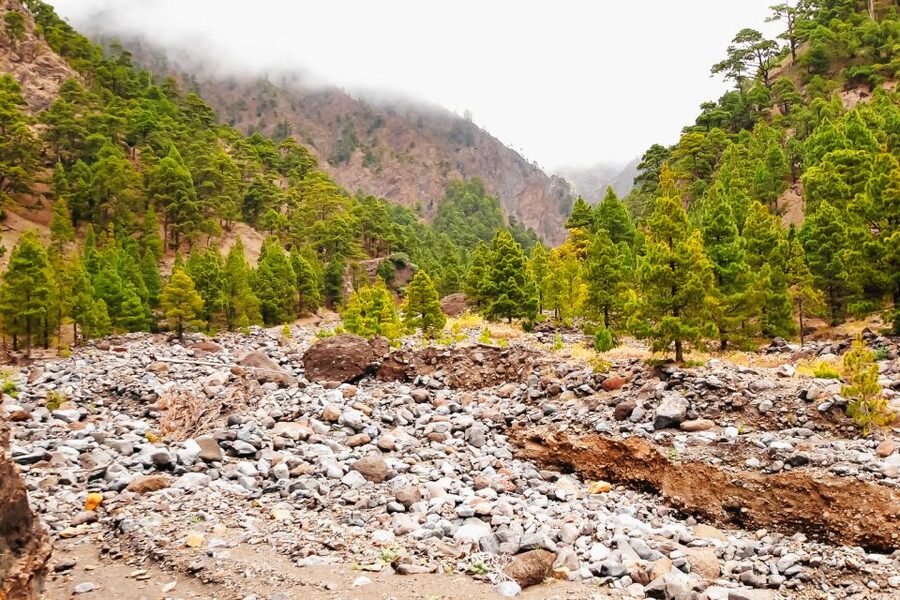
- PR LP 13 trail through shaded pine and cedar, so the walk stays comfortable even when the sun is doing its thing
- Waterfall of Colors for a truly unusual stop shaped by mineral-rich water
- Wooden bridges over babbling streams, which means you’re not just hiking through rocks—you’re hiking through moving water
- Bird-spotting on the way in, with your guide pointing out what to watch for
- A scheduled swim stop at Playa de Taburiente, not just a viewpoint, and it’s in cool water
- Ravine-to-ravine return through volcanic formations, so the scenery keeps changing
Price and logistics: how you get from bus to ravines
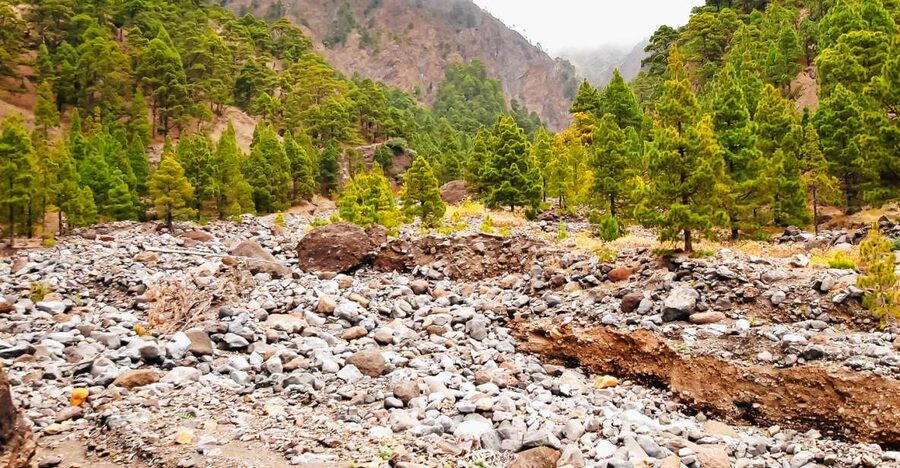
At $49 per person for about 6 hours, this one is more than just a hike. You’re paying for the whole machine: guide time plus bus transfer plus a ride up by 4×4-bus to the trail start. That matters on La Palma, because getting into and out of the park without a rental car is half the battle.
Here’s how the flow typically goes. You meet at a central pickup point (the exact spot can vary by the option you choose). From there, you ride in an air-conditioned bus to Los Llanos de Aridane Bus Station, then switch to a spacious 4×4-bus that takes you to the Los Brecitos observation deck. That deck is your launching pad—so you start with elevation and big views instead of trudging up a road.
The hike itself is the main event, but the transfers are practical. They save energy for the trail and also reduce the “lost in translation” stress of figuring out where to be and when. Just remember: this is a guided route with a set plan, and if weather forces changes, the timing and exact path of the end section can shift.
You can also read our reviews of more tours and experiences in La Palma.
From Los Brecitos to sweeping mountain views
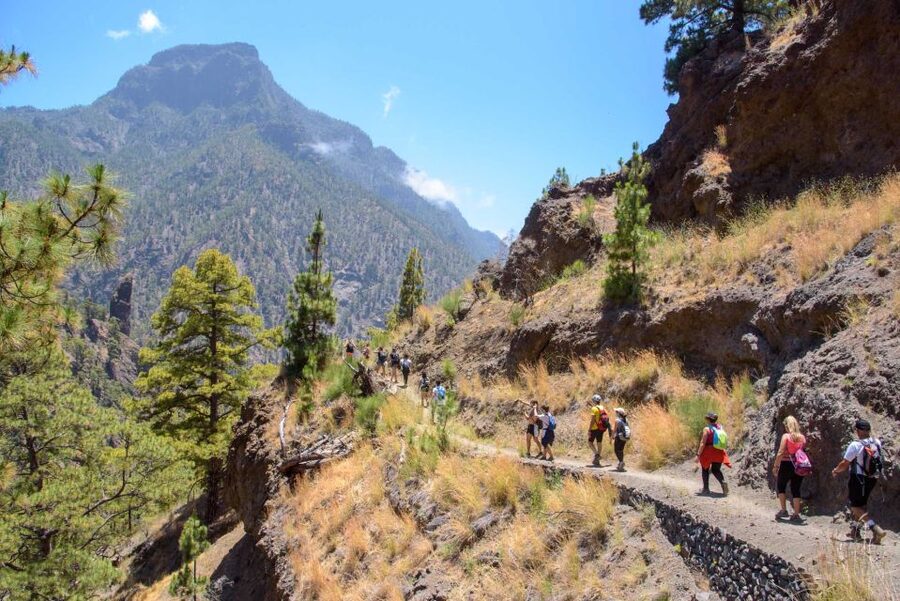
Your day begins with the jump-off at the Los Brecitos observation deck. Expect sweeping mountain views right away. This is the part of the hike that helps your brain understand the scale of the place—the crater setting, the ravines, and why this park is so dramatic.
Then you get onto the PR LP 13 trail. This is where the tour earns its keep: the guide keeps the walk readable and focused. Instead of just “follow the person in front,” you get context for what you’re seeing—stories about the park’s history and how the terrain shapes life here.
One of the best design choices is the vegetation shift. You’ll move through rocky vegetation in the shade of Canary pine and cedar trees. That shade isn’t a small detail. On La Palma, the difference between a pleasant walk and a miserable one can be hours of sun versus shade. Here, the trail gives you cover early enough that you can settle in.
Canaries, cedars, and small moments that make the trek
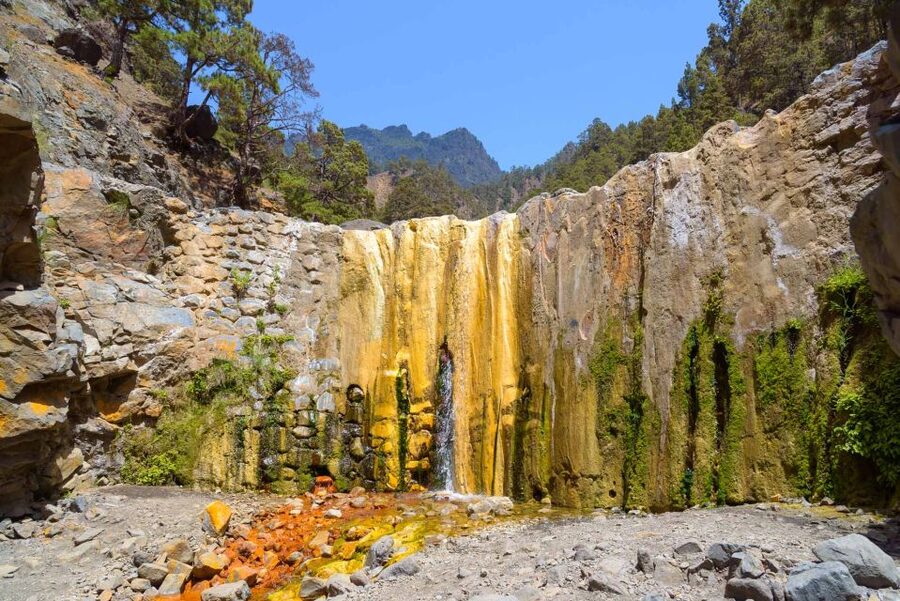
The park’s heart shows up in textures: stone, soil, tree shade, and the constant sound of water where streams run. As you follow your guide along PR LP 13, you’ll have chances for small “look closer” moments—like spotting local birds when your guide calls them out.
Then come the stream crossings. You’ll pass over wooden bridges spanning sparking streams. These aren’t just photo props. They break the day into sections and give you mini “pause points” where your body resets and your eyes catch up. If you’re anything like me, the best travel photos often happen at those natural pauses, not when you’re sprinting to beat the light.
As you go deeper, you also start moving through deep ravines and tighter terrain. The route feels like it’s unfolding rather than linearly progressing. The terrain pushes you to pay attention—how the water runs, where the shade pools, and how the trail threads through the crater’s interior.
Bridges to birds to that Waterfall of Colors stop
At some point, you’ll feel the day shift from “walking through nature” to “walking toward a moment.” The Waterfall of Colors is that moment.
It’s described as bright and tied to mineral-rich water, which is exactly why this stop is worth the effort. Waterfalls are already dramatic. Add mineral tones and you get something that looks less like a generic waterfall and more like a geological clue made visible.
Before you reach it, you’ll rest before traveling through the Taburiente ravine. That break is smart. Ravine walking can be deceptively tiring because your attention stays on footing and the terrain changes. A planned rest keeps people from turning a beautiful section into a rushed one.
And the guide’s role matters here. You’re not just looking at water dropping into a gorge. You’re hearing stories that connect what you see to the park’s character—how the crater’s structure and the surrounding formations influence the water and vegetation. That’s the kind of explanation that makes photos feel more meaningful later, even if you don’t remember every detail.
Playa de Taburiente: the cool-water reset you’ll thank yourself for
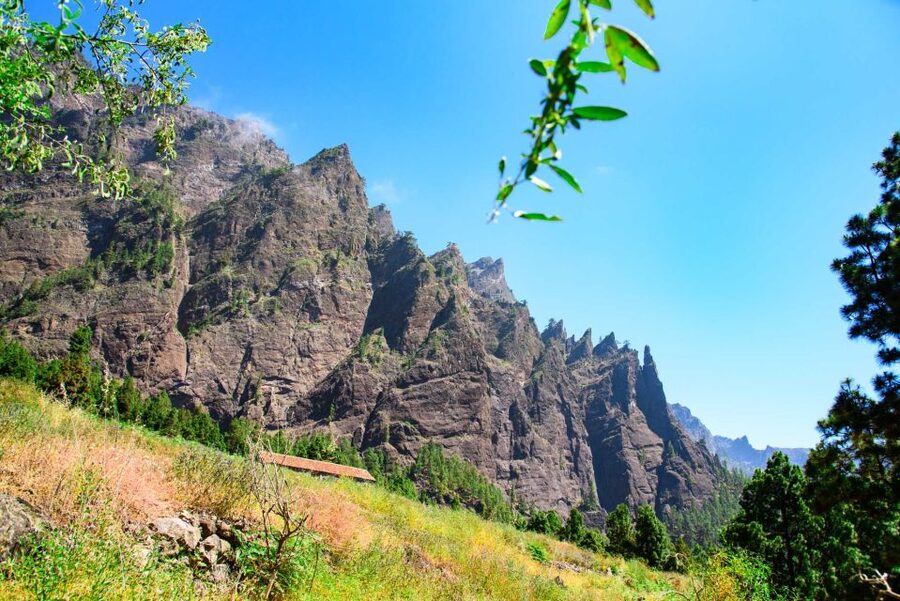
One of the clearest highlights in the tour description is a stop to swim at Playa de Taburiente. This is not a “maybe you can hop in” situation in the sense of it being random—you’re told there’s a swim stop in the cool waters.
For many people, this is the practical magic of the tour. After hours of walking through rocky terrain and ravines, the body wants a reset. A quick dip cools you down, breaks the monotony, and keeps the last stretch feeling easier.
That said, bring a realistic attitude. If you don’t want to swim, you can still treat it as a rest stop—sit, cool off, and let your legs recover. Just make sure you’ve brought what you need for your own comfort (the tour notes you should bring food and drinks, plus sunscreen and a jacket), because this part of the day is weather-dependent like the rest of the hike.
Las Angustias ravine: volcanic formations and the return loop feeling
Later in the route, you travel through the Taburiente ravine, then the day continues through Las Angustias ravine to reach Los Llanos de Aridane Bus Station. The description specifically calls out volcanic formations, which is a reminder that this isn’t just lush scenery—it’s geology doing the storytelling.
This part of the hike can feel more rugged than the early sections because ravines tend to tighten your perspective and change your pace. You’re also transitioning from “destination mode” after the waterfall to “finish mode” as you work toward the bus station.
If weather changes things, the plan has a built-in alternative. The tour notes that due to weather, the departure route may be changed—from Barranco de Las Angustias to Mirador de Los Brecitos. In that alternate scenario, after a short ascent, the bus will pick you up and take you back to Los Llanos de Aridane Bus Station. Translation: you might hike a slightly different final section, but the day still ends with transport back to your meeting area.
What’s actually included (and what you’ll need to handle)
This is a hiking tour with a guide and bus transfer. That’s the core value: you’re paying for the guided route and the transport chain, so you don’t have to figure out logistics in a crater-ravine setting.
What’s not included is just as important. There’s no food and drinks included, so plan to bring your own. That’s not optional busywork. You’re out for 6 hours, with shade that helps but still real sun exposure in places, plus time spent stopping for the waterfall and the swim stop.
Your packing list is clear:
- Comfortable shoes
- Hat
- Food and drinks
- Sunscreen
- Jacket
I treat that jacket as a serious item, not a “nice-to-have.” In ravines and during weather shifts, temperatures can feel different than the road. A light layer keeps you from getting chilled when you’re done moving.
Fitness and comfort: who this hike is for
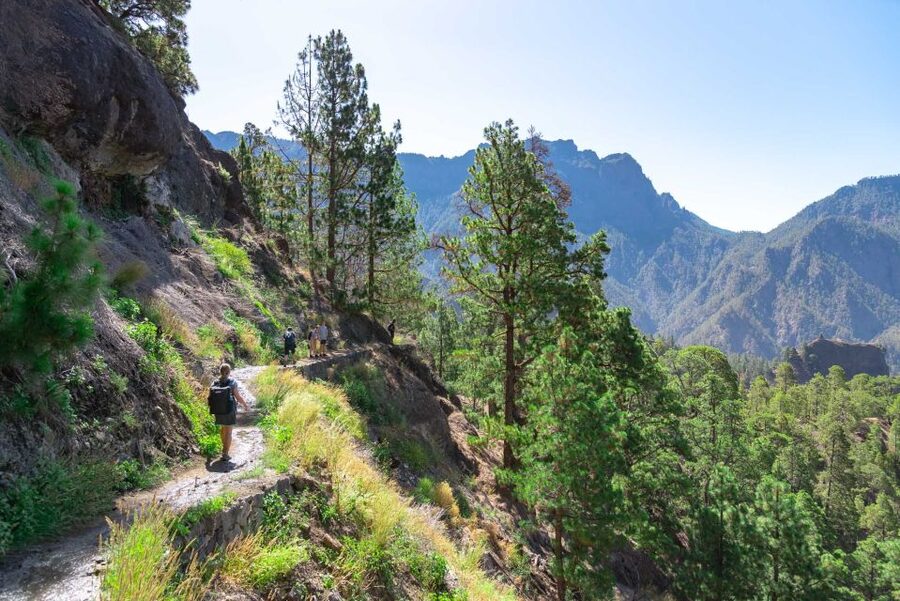
This isn’t labeled as easy in the information you provided, and the physical constraints listed are telling.
The tour is not suitable for pregnant women and people with mobility impairments. That usually means uneven terrain, ravine sections, and bridges that require stable footing and flexibility.
Who will love it?
- Fit walkers who want a full day outdoors without managing logistics
- People who like variety: shade walking, bridges, streams, ravines, and a swim stop
- Travelers who enjoy when a guide explains what you’re seeing, not just where to step next
Who might hesitate?
- If you hate heights or narrow footing, ravine sections can test your comfort
- If you’re short on flexibility and don’t handle changing weather well, be ready for route adjustments
- If you’re expecting a gentle stroll the whole time, this is more active and terrain-driven than that
What the guides and the route quality get right
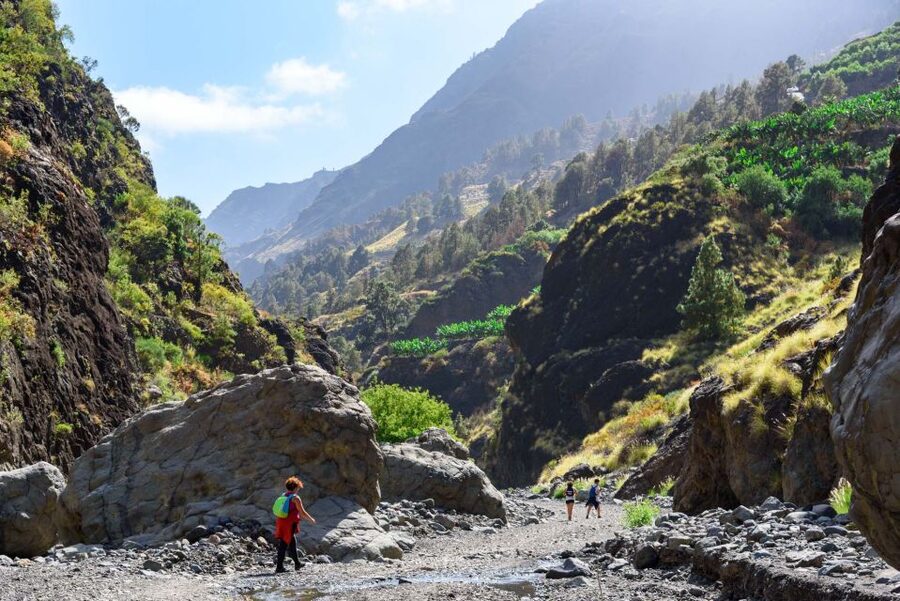
The overall vibe from the experience is that the organization and guidance land well. People highlight on-time transportation and a guide who shares real knowledge during the hike. That combination matters more than people think.
When the bus runs on time, you start the day with less stress. When the guide explains what you’re walking through, you stop treating the day like a checklist. You start understanding why the trail feels the way it does—how crater depth, ravines, and water show up in your footsteps and your photos.
Also, the route seems to deliver variety of scenery, not just one type of “pretty.” The pattern of pine-and-cedar shade, then wooden bridges and streams, then waterfall, then volcanic ravine return keeps the day from getting monotonous. If you like hikes where you’re always anticipating the next change in terrain, this fits.
Should you book the Caldera de Taburiente guided hike?
If you want value, book this one. For $49, you’re getting a guided hike plus the transport chain that gets you to the observation deck and brings you back. And you’re not just seeing one attraction—you’re walking through the park’s structure: shade, streams, ravines, waterfall, and geology.
I’d especially recommend it if you:
- want a 6-hour outdoors plan that doesn’t require a car
- like guides who talk through the landscape rather than letting you wander in silence
- want a day that includes both scenic stops and active walking (plus an optional swim stop)
Skip it if:
- ravine terrain and bridges won’t work for you physically
- you’re not ready for possible weather-related route changes
- you’d rather spend time indoors or on very flat ground
FAQ
How long is the La Palma Caldera de Taburiente guided hike?
The duration is 6 hours.
What does the tour price include?
It includes the hiking tour, a live guide, and bus transfer. Food and drinks are not included.
Do I need to bring food, or is there a meal included?
You should bring your own food and drinks. The tour does not include meals.
Are there any swim opportunities during the hike?
Yes. The schedule includes a stop at Playa de Taburiente with time to swim in cool waters.
What should I pack for this hike?
Bring comfortable shoes, a hat, sunscreen, a jacket, and food and drinks.
What happens if the weather changes the route?
Due to weather, the departure route may change from Barranco de Las Angustias to Mirador de Los Brecitos, where after a short ascent the bus will pick you up and take you back to Los Llanos de Aridane Bus Station.
What languages are available for the live guide?
The live guide is available in Spanish, English, and German.