REVIEW · SABANA DE LA MAR
Los Haitises: Caves, Mangroves, & Rainforest Hike/Boat Tour
Book on GetYourGuide →Operated by Whale Punta Cana · Bookable on GetYourGuide
Los Haitises feels like stepping into a different climate. One day has you walking through rainforest, then riding through red mangroves, then facing limestone caves with Taino pictographs on the walls. The mix is the magic: geology, jungle, wildlife, and human history all in the same circuit.
I especially love the natural drama of the park—those limestone “mogotes” rising from the water like islands of rock—and how your guide connects it all to the Taino story. I also like the way you get both land-and-water views: boat spotting from the bay, then close-up cave walls during the hike stops.
One consideration: expect some roughness. The hike can be slippery and steep in places, and transport can be bumpy on the way in and out. If you’re sensitive to that, plan your footwear and pace carefully.
In This Review
- Key points before you go
- First stop: Caño Hondo and the boat intro
- Red mangroves to San Lorenzo Bay: the view that sells the trip
- The Taino caves: pictographs, shelter, and pirate-era shadows
- Walking in Los Haitises rainforest: slippery spots and good shoes
- Wildlife chances from the water: what to watch for
- Price and value: $70 for a full ecosystem day
- Timing and pacing: how the day feels in real life
- Group size and guide quality: why it changes everything
- What to bring (without overthinking it)
- Should you book Los Haitises?
- FAQ
- Where is this tour located?
- How much does the tour cost?
- How long is the tour?
- What is included in the price?
- What isn’t included?
- What languages are the guides available in?
- What kind of places will I visit during the tour?
- Where is the boat departure from?
- Is there flexibility to change plans?
Key points before you go
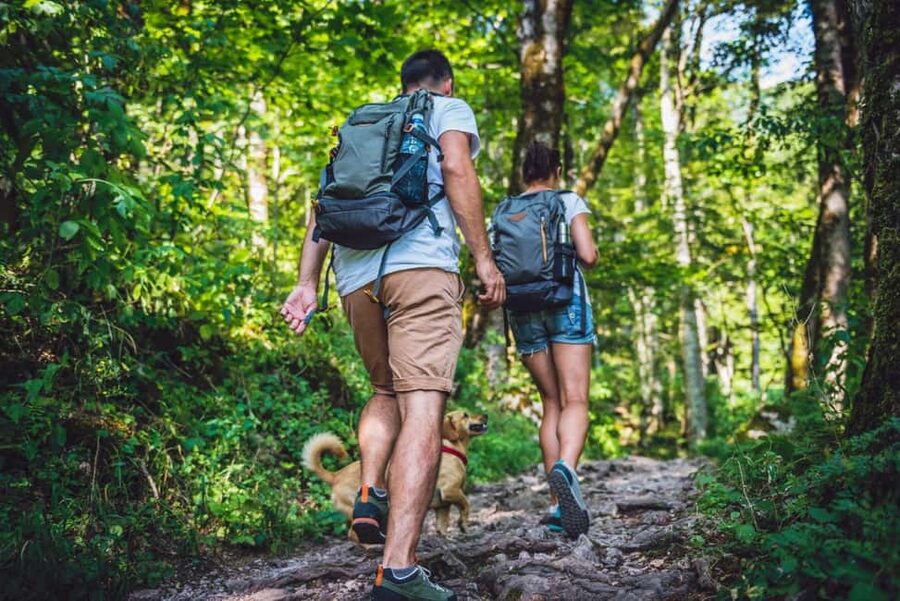
- Rainforest hike with a real guide who explains the park and Taino meaning of Haitises
- Mangrove boat ride through red mangroves with life jackets on board
- Caves with Taino pictographs, including stops tied to Cueva de la Arena and Cueva de la Línea
- Wildlife-spotting chances from the water, including manatees, crustaceans, and dolphins
- Limestone mogotes and birdlife around San Lorenzo Bay in Samaná Bay
- Small-group feel mentioned in recent experiences, which helps on steep or narrow moments
First stop: Caño Hondo and the boat intro
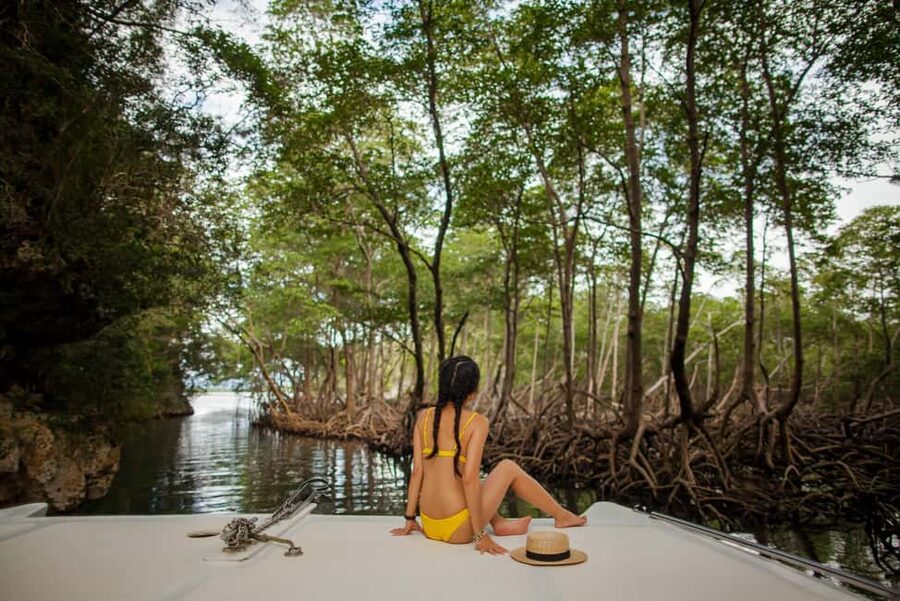
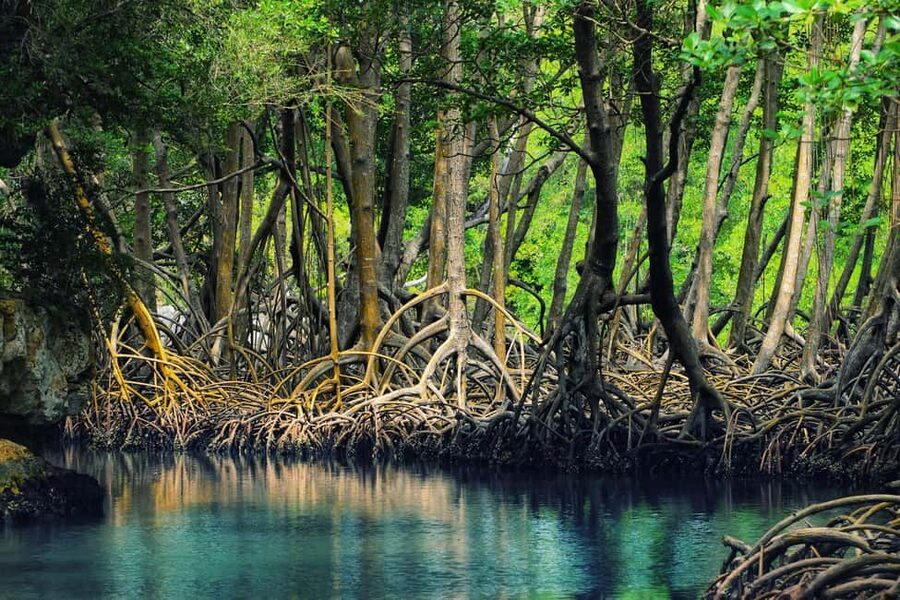
The day usually starts at the Los Haitises area around Caño Hondo (Deep Creek). You meet your guide, get briefed, and head out by boat with life jackets. Right away, the park’s geography shows up: you’re not cruising through a smooth river. You’re moving through a system of mangroves that makes the water feel quieter, darker, and strangely enclosed.
This opening matters because it sets expectations for the rest of the trip. You learn the rhythm of the place quickly. The boat slows down when wildlife might be near the surface. The mangroves shape visibility. And once you’ve seen the waterway, you understand why people traveled, hid, and hunted in this part of the island.
If you get a guide like Ignacio, the trip becomes more than sightseeing. He’s highlighted in a recent experience for making the rainforest walk and the cave visit feel connected, not random. Another guide, José, also stood out for organization and a smooth family-friendly pace.
You can also read our reviews of more tours and experiences in Sabana De La Mar.
Red mangroves to San Lorenzo Bay: the view that sells the trip
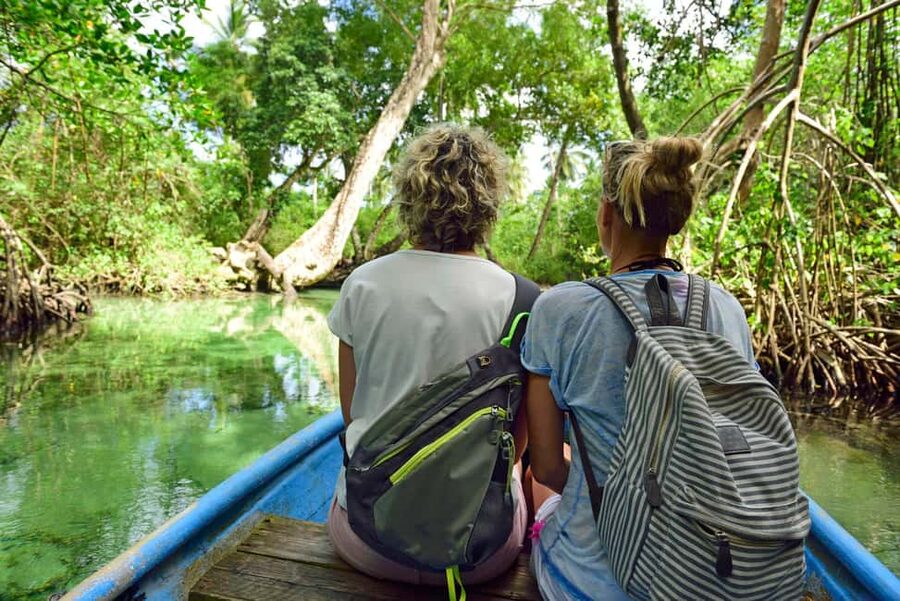
After you leave Caño Hondo, you glide past the red mangroves until you reach San Lorenzo Bay, a smaller bay inside Samaná Bay. This is where the scenery switches gears. The mangroves are thick and close. Then you open up to water and limestone formations.
One of the standouts here is the huge limestone mountain islands called mogotes. You’ll likely see them from the water first, then again as you’re closer to the bay viewpoints. The mogotes aren’t just pretty. They’re part of what makes Los Haitises a “highlands” environment—its name, Haitises, connects to steep limestone coastline formations.
You’re also looking for wildlife from the boat. The area is known for wetland birds, and you may spot animals in the water like manatees or other marine life. A recent experience also mentioned seeing pelicans, which fits the bird-heavy feel of the region. Even if wildlife doesn’t show up every time, the bay setting is still visually rewarding.
The Taino caves: pictographs, shelter, and pirate-era shadows
Eventually, the program shifts from water into caves. This part is why the tour feels more meaningful than a basic nature walk.
The caves include pictographs made by indigenous communities around 750 years ago. You’re not just viewing rock. You’re seeing wall art tied to people who lived here long before modern tourism. Your guide explains the context as you move through the cave spaces, and you’ll get a clearer sense of why these shelters mattered.
Two cave names you may visit are Cueva de la Arena and Cueva de la Línea. In this park, caves weren’t only spiritual or artistic. They also served as shelter for the Taino, and later there’s historical mention of pirates using caves to hide.
Practically, cave visits come with two realities:
- Lighting and footing: caves can be slick or uneven, so listen to your guide and keep your step deliberate.
- Time matters: you’ll want your camera ready, but don’t rush your attention on the pictographs. The best moments are usually the quiet ones where you can actually take in the drawings.
If you enjoy history, this is the strongest payoff on the day. If you only want scenery, the caves still deliver because they’re a dramatic contrast to the bright mangrove bay.
Walking in Los Haitises rainforest: slippery spots and good shoes
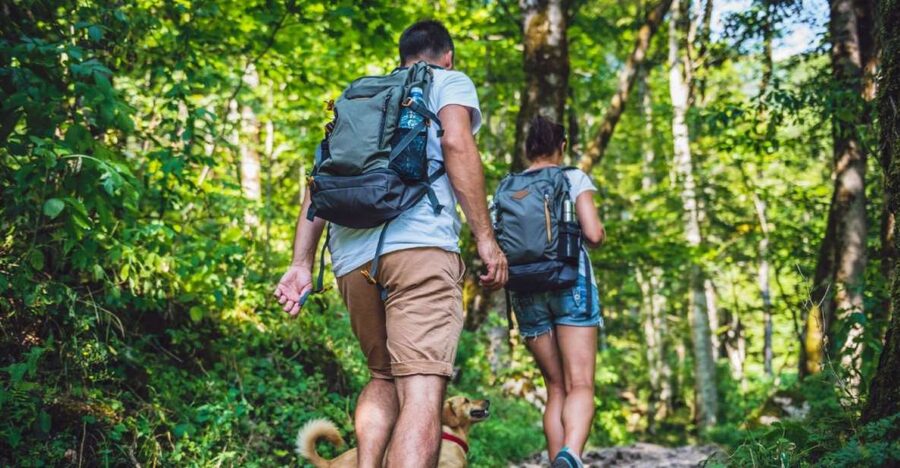
After the boat portion, the hike becomes a core part of the experience. Los Haitises rainforest is not a paved trail. Even when the route is short, the terrain can be steep and slippery.
A recent reviewer specifically warned that the trail can be slick, with sections that require solid grip and handholds at times. Their takeaway was simple: good shoes with decent tread matter. I agree. In this kind of environment, comfort doesn’t just mean walking nicer—it helps you feel secure when the ground turns damp.
How to make the hike enjoyable:
- Keep your expectations realistic: you’re walking on an uneven natural path.
- Move slowly at steep moments and let your lungs find the pace.
- Don’t chase speed just for photos. The rainforest rewards patience.
Also, you might get extra nature time depending on the flow of the day. One experience mentioned natural pools at the end, with small waterfalls and refresh spots. That sounds like a genuine bonus, but it may depend on timing and which route variation your group uses—so don’t count on it as your main plan.
Wildlife chances from the water: what to watch for
A big reason people book this tour is the wildlife possibility. Los Haitises mixes mangroves, bay water, limestone, and wetland birds, which can create good conditions for sightings.
From the boat, keep an eye out for:
- Manatees (spotted in the water around the bay area)
- Crustaceans (mentioned as part of what you can see from the water)
- Dolphins (also mentioned as a chance during the boat trip)
- Birdlife around mogotes and the bay
Here’s the honest part: wildlife spotting is never guaranteed. But in a place like this, your odds are better than on a simple coastal cruise because the habitat is complex—mangroves, shallow areas, and sheltered water.
If you’re a wildlife nerd, you’ll probably appreciate how the guide times the boat pauses. If you’re just a normal person who likes animals, you’ll still enjoy how often you’re scanning the water, not just looking ahead at rocks.
Price and value: $70 for a full ecosystem day
At $70 per person, this is one of those tours that feels fair because you’re paying for multiple “worlds” in one go: rainforest hike, boat time through mangroves, and guided cave visits. You’re not just buying transportation. You’re buying interpretation—your guide brings the park’s meaning together, including the Taino origin of the name Haitises.
What helps the value even more:
- Transfer is included, which matters in a region where reaching the park can be more complicated than in big cities.
- The tour includes tips, which can save you some mental load.
What can affect total cost:
- Food and drinks aren’t included, and lunch is available for an extra cost. One recent experience even suggested water and cola were included, so it’s possible some versions add simple drinks. Still, assume you may need to cover your own snacks or lunch unless the option you choose clearly says otherwise.
If you prefer spending your money on experiences instead of piecing together separate hikes, boat rentals, and cave tickets, this price makes sense.
Timing and pacing: how the day feels in real life
The duration can range from 5 to 11 hours, depending on the starting time and route. That’s a wide range, and it affects your planning.
A practical tip: plan for a long-ish day if you want the full feeling of the park. Bring patience for natural timing. One recent experience described a hiccup where the group was dropped off earlier than expected and had to wait for the boat schedule, including an extra payment request for the boat at that time. I can’t promise every departure runs the same way, but it’s a reminder to ask your guide or operator what the expected timing looks like so you don’t get surprised by delays or added costs.
Also keep in mind that the drive to and from the park can be bumpy, depending on road conditions. If you’re prone to motion sickness, you’ll want to prepare.
Group size and guide quality: why it changes everything
This tour works best when the group stays manageable. Recent experiences mentioned a small-group setup, and that matches what you’d hope for in a cave-and-trail day: easier movement, better listening, and less crowding at the pictographs.
Guide quality shows up in two places:
- On the rainforest side, where you want the hike to feel guided, not random.
- In the caves, where interpretation matters most.
Ignacio was praised for making both rainforest and caves enjoyable. José was praised for organization and a smooth visit. Different personalities, same theme: you want a guide who treats the park’s story with care.
What to bring (without overthinking it)
Since food and drinks aren’t included, you should assume you’ll want your own water and some kind of snack plan. Cave time and rainforest time both take energy.
For comfort and safety on the hike:
- wear shoes with good grip
- keep your pace steady; the trail can be slick
- bring your camera, but don’t let it dominate your attention in caves
If you’re planning to use a phone camera, remember that caves can be low-light. A compact flashlight may not be allowed, but you might not need one if the operator provides enough illumination—just follow your guide’s instructions.
Should you book Los Haitises?
Yes, I think this is a strong booking choice if you want a single day that hits three big beats: rainforest, mangroves by boat, and caves with indigenous pictographs. The price is reasonable for the number of environments you cover, and the guide-led interpretation is a major part of what makes it feel worth your time.
I’d be more cautious if:
- you have trouble with uneven, slippery trails
- you get stressed by schedule changes
- you dislike long days (the duration can be up to 11 hours)
If you’re comfortable hiking a bit, and you like nature plus human history, Los Haitises is exactly the kind of trip that makes the Dominican Republic feel more than beach time.
FAQ
Where is this tour located?
It takes place in Los Haitises National Park in the Dominican Republic, in Hato Mayor Province.
How much does the tour cost?
The price is $70 per person.
How long is the tour?
The duration is listed as 5 to 11 hours, depending on the starting time and availability.
What is included in the price?
Included items are transfer and tips.
What isn’t included?
Food and drinks are not included. Lunch may be available for an extra cost.
What languages are the guides available in?
The live tour guide is available in English, Spanish, and French.
What kind of places will I visit during the tour?
You’ll do a rainforest hike, take a boat ride through red mangroves, and visit caves with Taino pictographs.
Where is the boat departure from?
The trip starts from the main port of Los Haitises National Park at Caño Hondo (Deep Creek).
Is there flexibility to change plans?
Cancellation is free up to 24 hours in advance for a full refund, and you can reserve now and pay later.