REVIEW · MOKA MAURITIUS
Mauritius: Le Pouce Guided Hiking Experience with a local
Book on GetYourGuide →Operated by Lets Go Far · Bookable on GetYourGuide
A mountain sunrise beats another beach morning.
This Le Pouce guided hike brings you off the coast and up to Mauritius’ third-highest peak, with a local guiding the way from historic Moka village toward the summit at 812 meters—timed for sunrise or sunset and rewarded with wide-open views.
I love two things most: the way the guide turns the trail into a story (Moka’s cultural and colonial connections, legends tied to the mountain, and real talk about environmental care), and the photo-friendly payoff at the top. You get panoramic 360° views of Port Louis, Pieter Both, and the northern islets, so your camera gets a workout before your legs do.
The main thing to consider is effort and footing. The hike is moderately challenging, and the final climb can be slippery on rocky, muddy stretches—plus this one is not for people with vertigo, low fitness, pregnancy, or mobility impairments.
In This Review
- Key things that make Le Pouce special
- Why Le Pouce is worth trading in beach time
- Starting in Moka village: stories before you climb
- The trail up: endemic plants, wildlife chances, and a steady pace
- The final stretch to 812 meters: where footing matters
- Summit views at sunrise or sunset: 360° reward
- How your local guide improves the whole hike
- What the tour includes—and what you handle yourself
- Is it worth $55? Value for a 3-hour guided summit hike
- Who this hike is best for (and who should skip it)
- A practical checklist for a smoother Le Pouce hike
- Should you book this Le Pouce guided hike?
- FAQ
- What’s the duration of the Le Pouce guided hiking experience?
- How much does it cost?
- Where do we meet for the tour?
- Is transportation or hotel pickup included?
- What’s included in the price?
- What should I bring?
- Who is the hike not suitable for?
Key things that make Le Pouce special
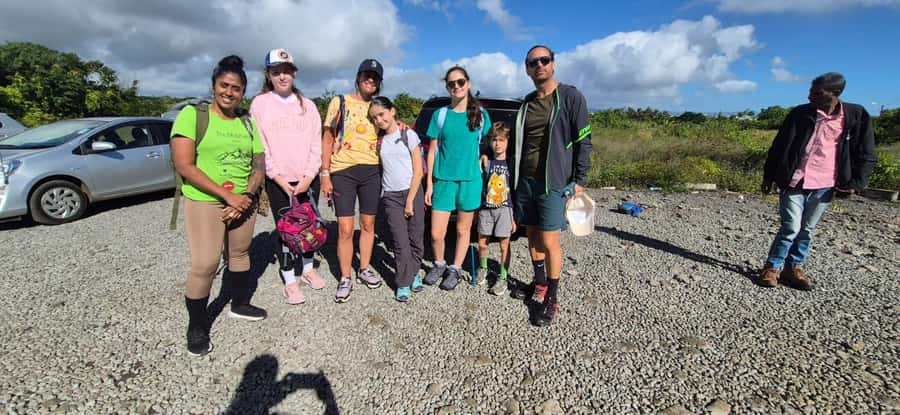
- A 812-meter summit with sweeping 360° views you can’t replicate from sea level
- Local guide storytelling covering geography, legends, and preservation efforts
- Small group size (max 10) for calmer pacing and easier help on tricky parts
- Endemic flora and possible wildlife sightings along the lush trail
- Relaxed rhythm with water, rest pauses, and time to photograph
Why Le Pouce is worth trading in beach time
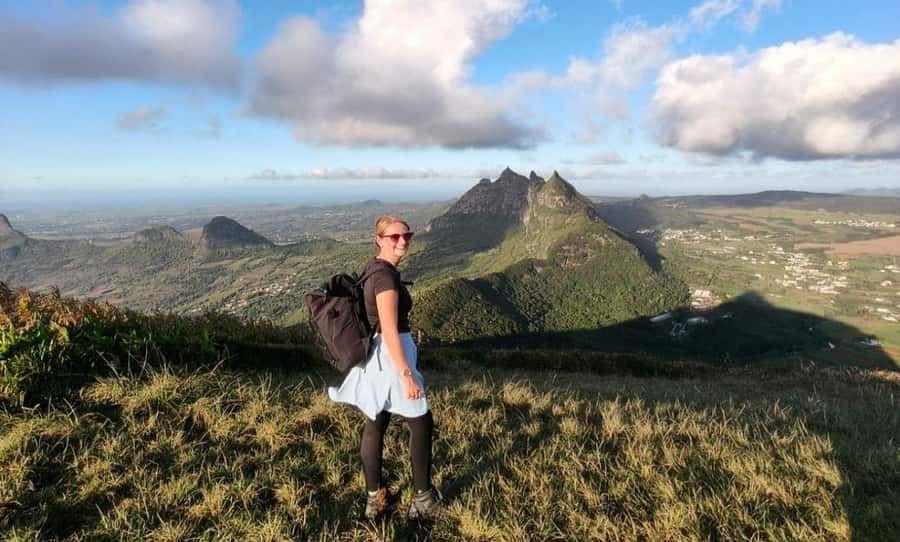
Mauritius has a reputation for beaches—and it deserves it. But if you stay coast-only, you miss the island’s interior personality. Le Pouce is a quick escape into cooler mountain air and a view that makes Port Louis look like it’s floating.
The big reason I recommend this hike is the combination: you’re not just walking up a hill. You’re getting a guided route through a place that locals understand, with stories that connect the scenery to Mauritius’ culture and landscape. And at the summit, the payoff is practical: you can actually see how the island is laid out, not just admire a pretty picture.
This is also one of those experiences where timing matters. Going for sunrise or sunset changes the feeling of the whole climb—less glare, softer light, and a sky that makes your summit photos look like they took extra effort (because they did, but still).
Starting in Moka village: stories before you climb
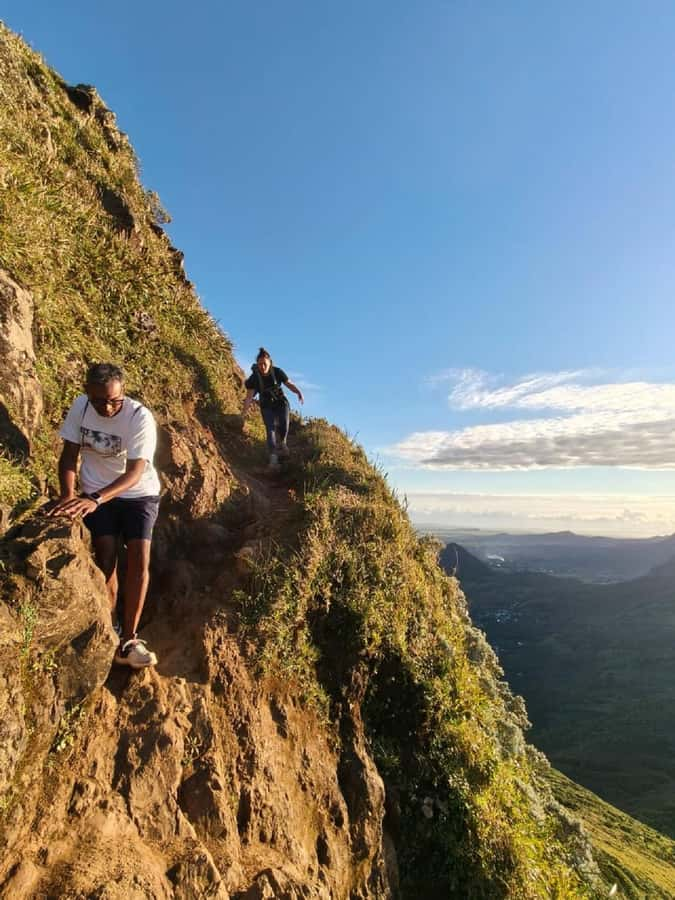
Most of the tour begins at the historic Moka village area, which is a good move. Before you hit the steeper parts, your guide sets context—cultural and colonial history tied to the region, plus legends connected to the mountain itself. It’s the kind of talk that makes you look up from your shoes at least every few minutes.
This pre-hike stage matters because it changes your brain from hiking mode to “pay attention” mode. You start noticing the island’s shapes and how the vegetation changes as you rise. It also helps first-timers feel less like they’re wandering and more like they’re following a route with purpose.
If your group is bilingual, the guide will switch between English and French, so you’re not stuck translating everything in your head. I also like that small-group pacing means the guide can slow down when you need it.
The trail up: endemic plants, wildlife chances, and a steady pace
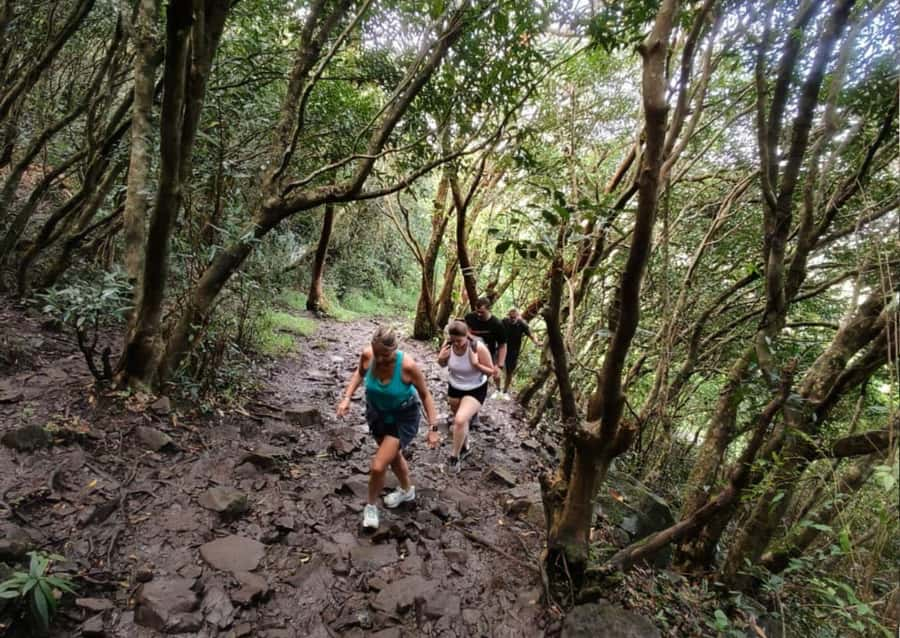
On the way to the top, you’re moving through lush vegetation and scenic trails—plus you’re learning what you’re seeing. The route is designed to help you spot endemic flora, and depending on conditions, you might get lucky with local wildlife sightings. You won’t need to be an expert botanist; the guide points things out as you go.
The hiking style is also the point. The pace is relaxed, with stops for rest, water, and photos. That’s not fluff—it’s what keeps the hike enjoyable for people who are not training for a summit challenge.
Practical note: weather can change everything here. One recurring theme from guides is safety and patience on slippery ground. If rain has made the trail slick, you’ll want a guide who adjusts the pace and helps you navigate careful footing.
That support can be more than comforting. In real conditions, rocky sections and mud can turn “moderately challenging” into “take it slow,” and that’s exactly where a good local guide earns their keep.
The final stretch to 812 meters: where footing matters
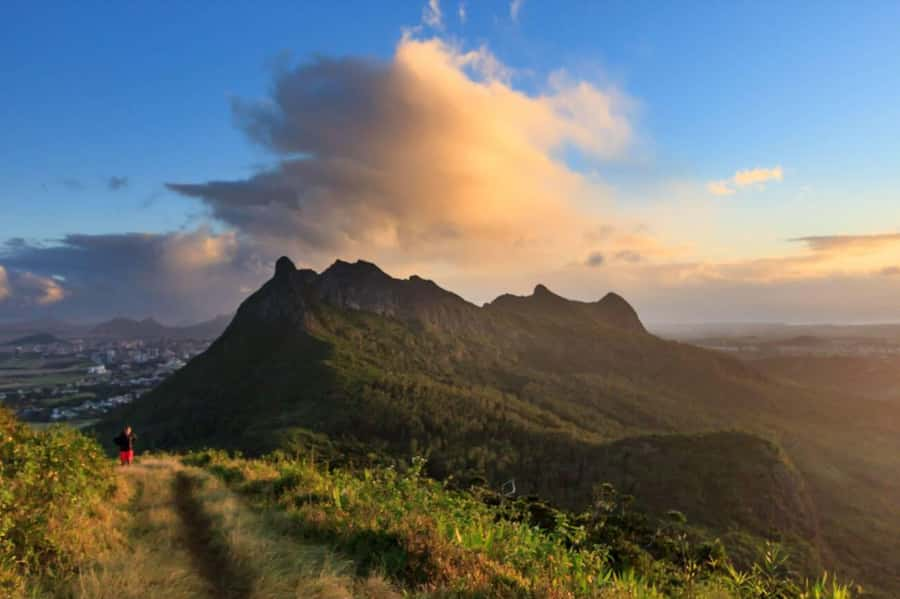
The last part of the climb is where most people feel the effort. You’ve done the steady work already, and now you’re going for the summit’s best views.
This section is rewarding, but it also comes with a plain reality: there can be slippery passages due to rocks and even mud. Guides in the small-group setup have to manage uneven footing, and they do. In different situations—wet weather, mixed ages, and different comfort levels with steep ground—the guidance focuses on safety and helping you get through risky spots without panic.
If you’re bringing family or friends, this is where group size matters. With a cap of 10 people, the guide can keep an eye on everyone and pause as needed. If the trail gets slick, the guide can choose a slower rhythm and keep you together.
What you should do: wear solid hiking shoes and keep your focus during the final climb. This is one of those moments where your future summit photos depend on present-day careful steps.
Summit views at sunrise or sunset: 360° reward
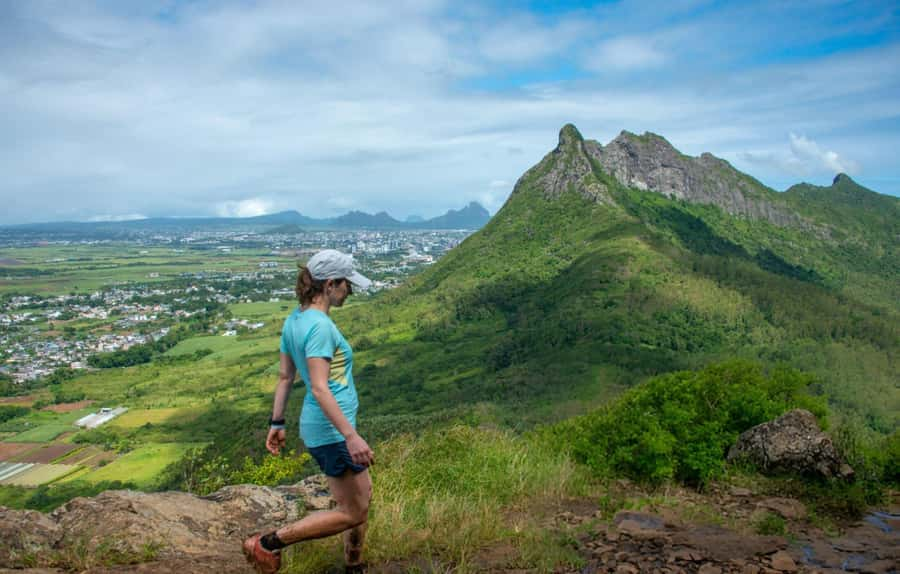
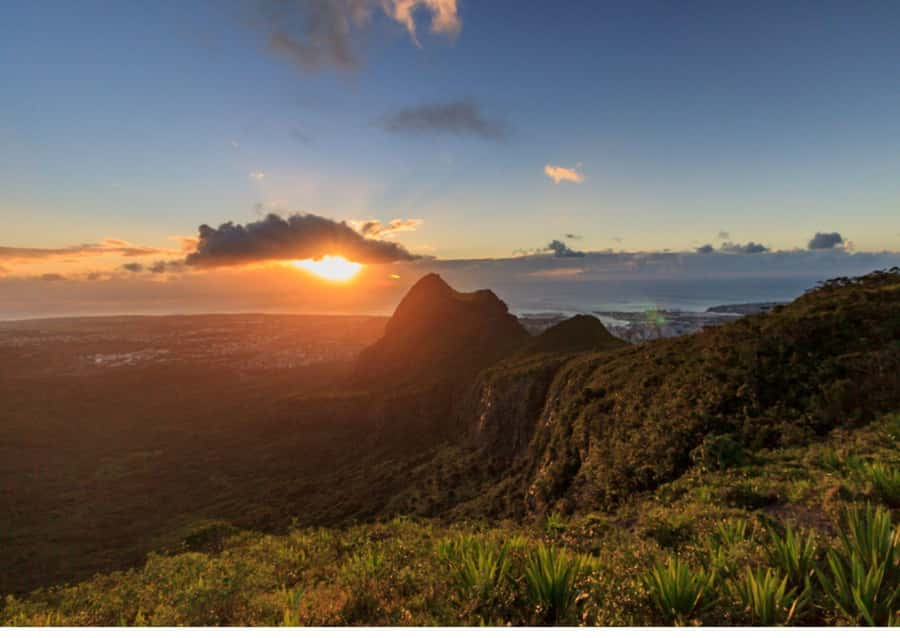
At Le Pouce (812 meters), the view is the whole reason you came. You get sweeping 360° panoramas that include Port Louis, Pieter Both, and the northern islets. On a clear day, it’s easy to understand the island’s layout in a way photos from the beach never provide.
Sunrise and sunset each have their own vibe. Sunrise tends to feel crisp and quiet; sunset often gives you warmer light and dramatic contrast over the water and town. Either way, the lighting is great for photography, and the summit has enough open space that you can find angles without turning it into a traffic jam.
And because the hike is guided, you’re not just standing there hoping for the right shot. The guide can point out what to look for—directional landmarks and what’s worth photographing first before the light changes.
How your local guide improves the whole hike
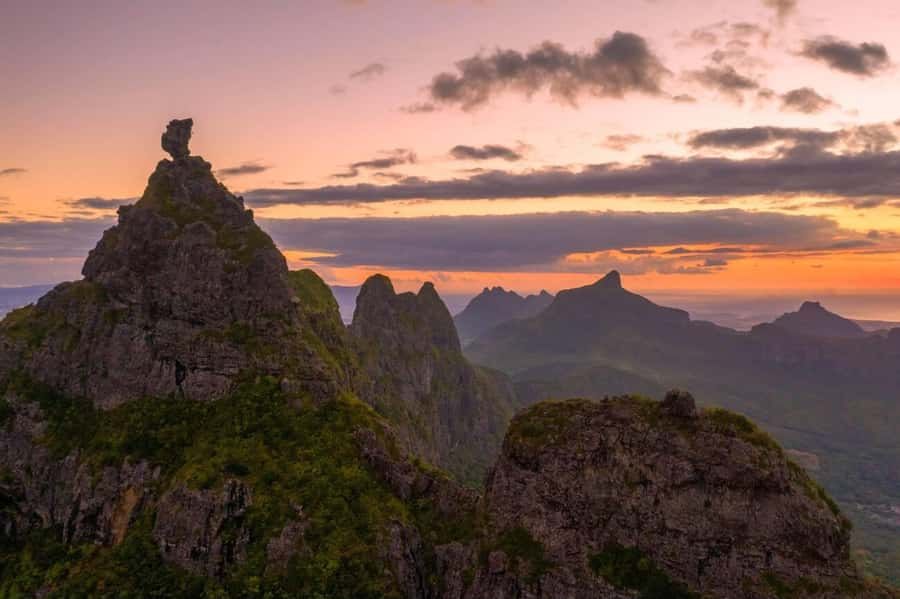
The guides are not just walkers who hold the lead line. They shape the experience. People have highlighted the way certain guides make the hike fun, and others emphasized how seriously they take safety on difficult footing.
Names you might hear in this experience include Ananas and Bore, and Deny—each mentioned for helping people feel confident. In different weather and terrain conditions, they’ve adjusted pacing and offered help during tricky passages, including when the ground was especially slick.
This is also where you pick up the island’s “why.” Your guide shares geography, legends around the mountain, and environmental preservation efforts. That blend—practical hiking + cultural context—makes the walk feel like more than exercise.
It’s a small but important difference: when you understand what you’re looking at, you remember the view longer.
What the tour includes—and what you handle yourself
Included in the price:
- A guided hike to Le Pouce
- A local guide
- Time for the scenic summit views
Not included:
- Transportation to the start area in Moka village
- Food and drinks
You also should plan to bring basics that make the hike comfortable and safe: a hat, sunscreen, hiking shoes, a camera (you’ll want it up top), and water. If you run hot easily, don’t skip the sunscreen—sun exposure can still be strong even when the air feels cooler than the coast.
One more thing to note: the tour is built as a small-group hike (limited to 10 participants). That’s part of the value because it helps the guide manage pace and safety more effectively than a larger group hike.
Is it worth $55? Value for a 3-hour guided summit hike
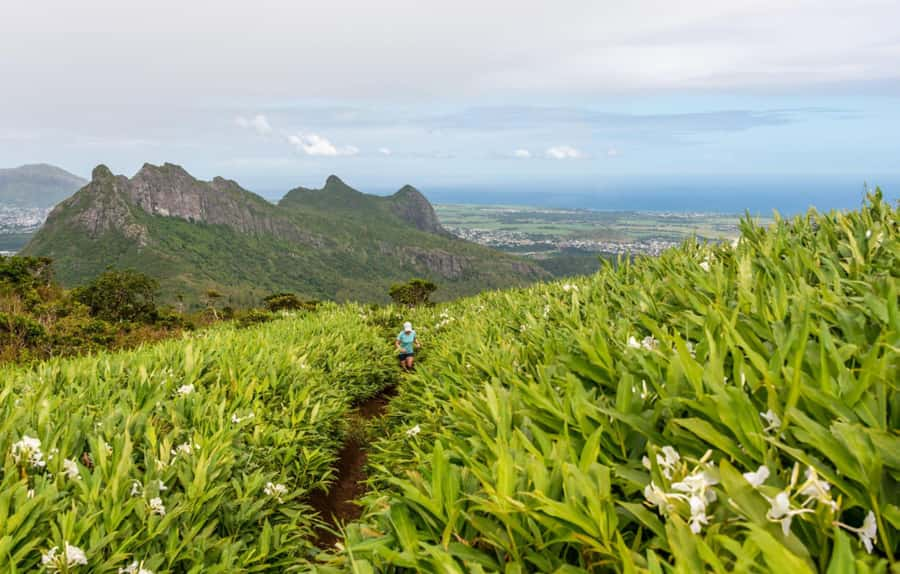
$55 for a 3-hour hike is reasonable—especially when you compare what you get: local guidance, a small group, and a summit experience at 812 meters with 360° views. For many people, the “value” isn’t just the view. It’s the fact that you’re guided through a route with context and support on the trickier parts.
You also avoid the hassle of coordinating your own plan to Moka and figuring out what to look for at the summit. If you’ve ever tried to wing a hike on an unfamiliar island, you already know how much time gets wasted. Here, you’re paying for direction, pacing, and on-the-ground interpretation.
Where value can drop (for some) is if you want to be totally self-directed or if you already have strong local connections for hiking. But for most visitors, the guide’s role—especially with terrain safety—is exactly what you’re paying for.
Who this hike is best for (and who should skip it)
This hike fits most fitness levels because the pace is relaxed and there are breaks. The terrain is still real hiking, though, and the final stretch can test your footing.
You’ll enjoy it most if:
- You want a non-beach day in Mauritius that still feels easy to manage
- You like learning place stories while you walk
- You’re comfortable with moderate hiking on uneven ground
You should skip it if:
- You’re pregnant
- You have mobility impairments
- You have vertigo
- You have low fitness and expect flat, easy terrain only
Also, keep the tour rules in mind: alcohol and drugs are not allowed, and you should plan to avoid anything that could distract from footing and safety. No littering, no touching animals, and no fires.
A practical checklist for a smoother Le Pouce hike
Bring:
- Hat
- Hiking shoes
- Sunscreen
- Water
- Camera
Smart prep:
- Wear shoes with good grip for rocky or possibly muddy stretches.
- If you’re sensitive to heights, take that vertigo warning seriously—this is not the hike to “power through.”
- If you’re aiming for photos, plan on stopping often near the right moments; it’s part of the experience.
If you can, arrive on time at the Le Pouce Start Point. Starting late can mess with the flow of the whole hike—especially when timing matters for sunrise or sunset.
Should you book this Le Pouce guided hike?
I’d book it if you want a guided, small-group way to see Mauritius beyond the coast—one that combines a real workout with a big view and helpful local storytelling. The summit at 812 meters with 360° panoramas is the kind of payoff you’ll remember, and the guide support is a big part of why this hike works even when the ground is slick.
I wouldn’t book it if you’re looking for an easy stroll, have vertigo, or can’t handle uneven trails. In those cases, you’ll spend the hike worrying instead of enjoying the views.
If you’re deciding between “stay beaches” and “try the interior,” this is one of the more straightforward, value-heavy ways to do it.
FAQ
What’s the duration of the Le Pouce guided hiking experience?
The hike lasts about 3 hours.
How much does it cost?
It costs $55 per person.
Where do we meet for the tour?
You meet at the Le Pouce Start Point. The exact pickup location can depend on the option you choose.
Is transportation or hotel pickup included?
Transportation to Moka village is not included. Hotel pickup and drop-off are optional, but only available within a limited range—confirm before booking.
What’s included in the price?
The price includes the guided hike to Le Pouce, a local guide, and the scenic views.
What should I bring?
Bring a hat, hiking shoes, sunscreen, water, and a camera.
Who is the hike not suitable for?
It’s not suitable for pregnant women, people with mobility impairments, people with vertigo, and people with low level of fitness.