REVIEW · CAPE TOWN
Cape Town: Kasteelspoort Hike on Table Mountain
Book on Viator →Operated by OTC Adventures Pty Ltd · Bookable on Viator
If you want a Table Mountain hike with big payoffs, this one does it fast. The route climbs from the Camps Bay side to the dramatic Twelve Apostles chain, then finishes at the famous flat-topped summit with city and Table Bay views. I like that you get expert guidance on the fauna and flora while you walk, and I also like the built-in photo focus at the famous board-ledge viewpoint called Diving Board Rock. The one thing to consider is that the cableway ride down is not included, and if it’s closed you’ll trade it for extra walking time and cost.
This is also a small-group hike with a real emphasis on pacing. In the best cases, your guide (like Lynette or Liesel) adjusts the effort to the group’s fitness level so the morning feels adventurous but still doable. And because it’s weather-dependent on Table Mountain, you’ll want a windproof layer ready and good shoes tied tight.
In This Review
- Key highlights you’ll feel right away
- Twelve Apostles to the Tabletop summit: what this hike really delivers
- Getting started at Kasteelspoort: where the morning begins
- Your guide sets the tone: pacing, safety, and local knowledge
- Sea views on the climb: why Camps Bay starts are so worth it
- The board-ledge photo stop: plan for angles and quick pauses
- Fynbos valleys: turning a hike into a nature experience
- Higher ridges and the Cape Peninsula view line
- Reaching the tabletop summit, then heading down by cable car
- Price and value: what you’re paying for and what to watch
- Who this hike fits best (and who should choose a different option)
- Should you book the Kasteelspoort hike?
- FAQ
- How long is the Cape Town Kasteelspoort hike?
- Where does the hike start, and is there a pickup option?
- What does the hike include in the price?
- Is the cable car ride down included?
- What happens if the cable car is closed?
- What fitness level do I need?
- Is there a cancellation deadline?
Key highlights you’ll feel right away
- Small group, big attention with a maximum of 10 people on the route
- Camps Bay sea views early, then higher ridges with long Cape Peninsula sightlines
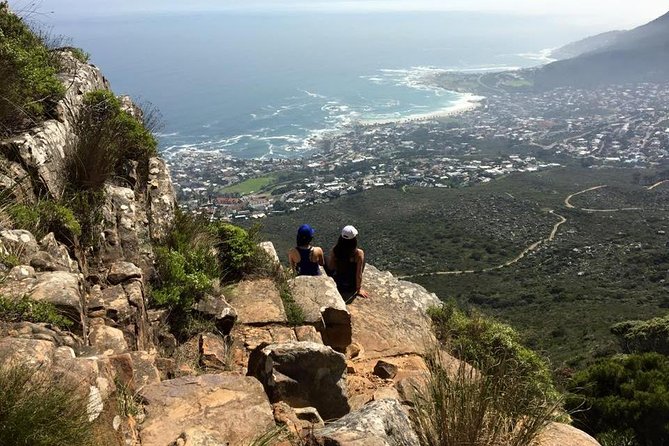
- Diving Board Rock photo stop on the climb, a standout viewpoint for photos
- Fynbos valleys where your guide points out local plant life as you hike
- Tabletop summit finish with views across the city and Table Bay
- Cable car down is planned, but you’ll get a backup plan if it’s closed
Twelve Apostles to the Tabletop summit: what this hike really delivers
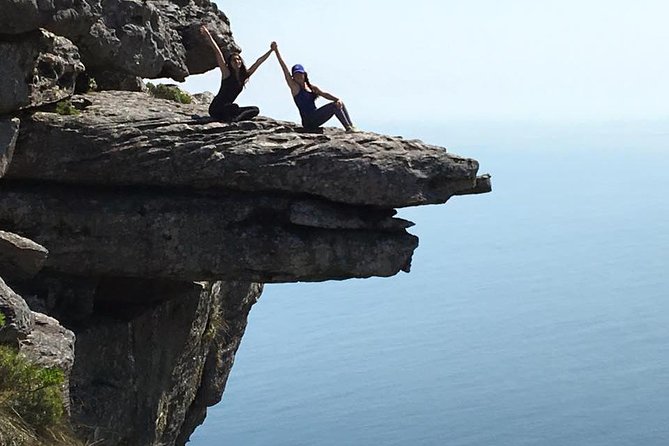
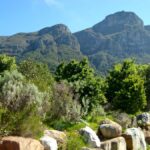
Table Mountain can feel like it has two modes: tourist-friendly and hardcore. This hike sits right in the sweet spot. You start on the western side at Camps Bay and build upward toward a line of dramatic peaks known as the Twelve Apostles. It’s a route designed for views, but it’s not just a stare-and-stroll. You’re moving across mountain paths with your guide keeping the pace and focus.
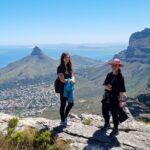
The highlight for me is the combination of “seeing” and “knowing.” You’ll get superb sea views on the ascent, then higher viewpoints that look down the length of the Cape Peninsula. Your guide adds context about the local fauna and flora, which turns the hike from a walk into an outdoor lesson you’ll actually remember.
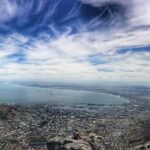
And the finale matters. The hike ends at the tabletop summit—yes, the famous flat top—where you get breath-taking views of Cape Town and Table Bay. This is the kind of place where the air changes and the horizon opens, and you get a real sense of scale for the coastline.
You can also read our reviews of more tours and experiences in Cape Town.
Getting started at Kasteelspoort: where the morning begins
The hike meets at Kasteelspoort (Corridor Ravine and Diagonal start), at 27 Theresa Ave, Bakoven, Cape Town 8005. The walk then loops back to the meeting point at the end, so you’re not trying to solve public transport math with sore legs later.
Timing-wise, expect about 4 hours total. That’s a helpful detail because it means you’re not committing your whole day. You still get a proper mountain experience, but you can plan lunch afterward and not feel like you’ve wasted your Cape Town time waiting for a hike to finish.
One more practical point: the tour offers free pickup and drop-off in the city center and immediate surrounds only. If you’re staying farther out, you might need to make your own way to Bakoven. Before you go, check that your hotel is in that “immediate surrounds” zone, because Table Mountain routes can take longer than the map suggests once you hit traffic and curb-drop logistics.
Your guide sets the tone: pacing, safety, and local knowledge
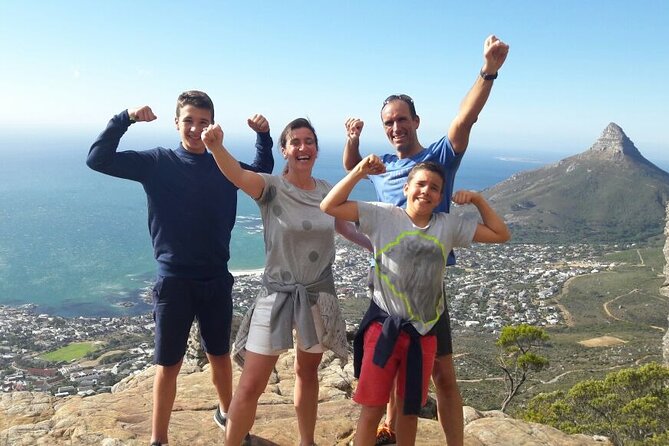
This is guided by a qualified and experienced mountain guide, and the group size tops out at 10. That small number changes the feel of the hike. You’re less likely to get swallowed by a crowd, and you can ask questions without shouting over ten different conversations.
The reviews give you a clue about what’s most praised: guides who balance fun, safety, and real knowledge. Lynette is specifically mentioned for taking athletic abilities into consideration and planning a scenic, adventurous hike. Liesel is also praised for being wonderful and very knowledgeable. Even without naming everyone, the pattern is clear: good guides here don’t treat the route like a conveyor belt.
For you, the advantage is simple. If you show up with moderate fitness, you’ll get a pace that matches you, not a punishment climb for strong hikers. And because this route passes through fynbos valleys, your guide’s explanations about local plants and wildlife aren’t fluff. They help you recognize what you’re actually walking through.
Sea views on the climb: why Camps Bay starts are so worth it
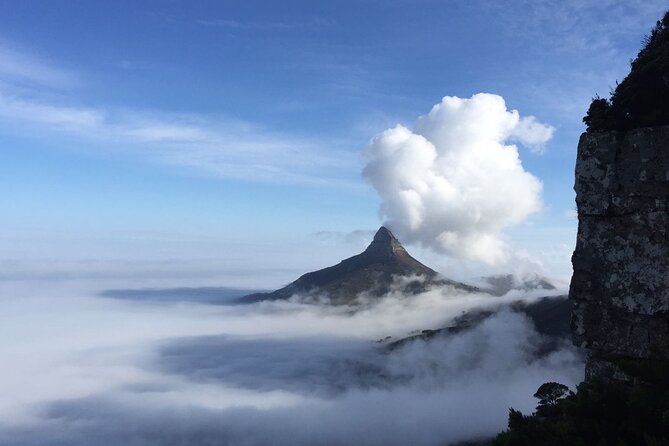
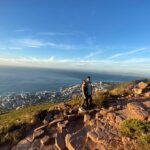
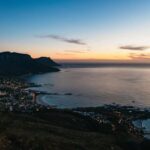
Starting on the Camps Bay side is a smart move for two reasons. First, the sea views come early, so you’re rewarded while you’re still warming up. Second, the morning light often treats the coast well—so even if the top ends up cloudy at times, you’ve already built a visual memory.
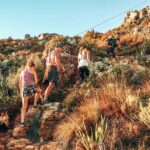
As you head up toward the Twelve Apostles peaks, expect that rhythm: effort, viewpoint, effort, viewpoint. It’s not a straight line up. You’re climbing across a chain of dramatic peaks, and each change in elevation tends to open a new angle. That’s why this route can feel more interesting than a one-note summit hike.
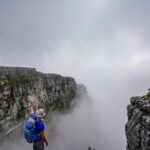
You’ll also want to keep your windbreaker handy. Table Mountain weather can shift fast. The climb might feel mild at the start and then turn breezy higher up, especially near exposed sections where you’ll want to steady your footing and protect your face and ears.
The board-ledge photo stop: plan for angles and quick pauses
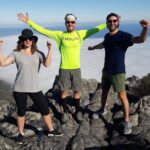
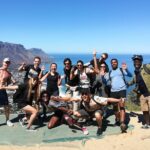
A standout stop on this hike is Diving Board Rock, described as possibly the best photo spot on the mountain. The name alone hints at the shape and the way it frames the scene below. Practically, this is where the hike becomes a photo mission without taking over the day.
Here’s how to make the most of it:
- Move quickly when the group stops so you’re not stuck watching others get the angle first.
- Take a second photo from a slightly different position. Viewpoints on mountain edges often look flat until you shift a step and catch the right perspective.
- Give yourself time to put the phone away and actually look. This spot is one of those places where photos can’t fully replace the sense of drop and scale.
The value of a photo stop like this is that it breaks up the hike with a clear goal. You’ll remember the route better, too, because you’ll attach landmarks to moments: Camps Bay sea views, then this rock ledge, then the fynbos valleys, and finally the summit.
Fynbos valleys: turning a hike into a nature experience
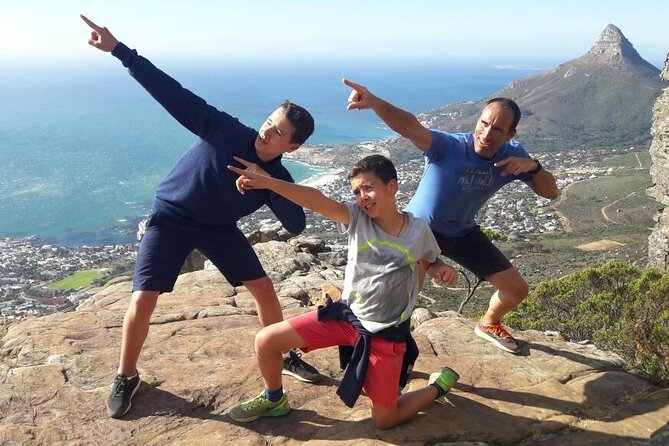
After the higher viewpoints start to stack up, the hike moves through pristine fynbos-covered valleys. This is where your guide’s role becomes more than “lead the way.”
Fynbos isn’t just scenery. It’s part of a unique ecosystem, and your guide explains what you’re seeing as you walk. Even if you’re not a plant nerd, this makes the hike feel grounded. Instead of only looking outward at the ocean, you also start paying attention to what’s growing around you—shapes, textures, and the way the plants survive in a harsh, windy environment.
This is also one of the reasons people love guided hikes on Table Mountain when they don’t overstay their welcome. The route gives you enough time to learn without turning the walk into a slow classroom session.
Higher ridges and the Cape Peninsula view line
As you go further up, the views change again. You start looking down the length of the Cape Peninsula, and the scenery becomes more layered: coastline lines, distant points, and the way the city sits against the mountains. This is the stage where you can see why this area is so famous. It’s not just one view—it’s a chain of views.
One consideration here is breathing and footing. Even if the total time is only around 4 hours, you’re on uneven terrain and you’ll likely feel your legs by the later sections. Comfortable walking/hiking shoes matter. Bring sunscreen too, because exposed mountain routes can still burn you even when the air feels cool.
If you’re planning this hike as part of a Cape Town itinerary, I’d pair it with something relaxed afterward. Your legs will be worked, and your head will be full of viewpoints. You’ll want downtime, not another big agenda item right after.
Reaching the tabletop summit, then heading down by cable car
The finish is at the famous tabletop summit, where you get city and Table Bay views. This is the payoff moment, and it’s also where your timing can be affected by weather. The experience requires good weather, and if conditions don’t cooperate, you’ll either get a different date or a full refund.
The plan is to take the cable car down. That’s helpful because it keeps your legs fresher for the rest of the day and prevents the hike from stretching into a longer grind.
But read the fine print in your head before you go: the one-way ticket down on the cableway is not included. You’ll need to budget for it separately. And if the cableway is closed, your guide will walk you down instead—adding 2 hours and an additional R500 per person. That backup plan is good news for not being stranded, but it does change the feel and time commitment of the day.
So if you’re booking around other plans, build in buffer time. Table Mountain can turn into a weather puzzle, and cable operations are part of that.
Price and value: what you’re paying for and what to watch
This hike costs $98.12 per person. On average, it’s booked about 50 days in advance. That suggests it’s popular enough that waiting too long could reduce your choices, especially for days with better weather.
Is the price fair? Here’s what you get:
- Qualified mountain guide services
- Bottled water and a snack
- Free pickup and drop-off in the city center and immediate surrounds only
- Mobile ticket
- Group discounts
- A small group cap (maximum 10), which usually improves attention and safety
You’re also paying for the structure of the experience: a guided route that hits multiple viewpoint zones in one morning, plus interpretation of fauna and flora through the fynbos. Many self-guided hikes can be beautiful, but you’ll miss the “why this plant, why this habitat” part that makes the mountain feel alive.
What can raise the real cost is the cable car down ticket, since it’s not included, plus the possible added fee if it’s closed and you walk down. If the cable car is operating normally, you’ll likely find the cost lines up with a guided, viewpoint-heavy mountain half-day. If it’s closed, your day becomes longer and pricier. That’s the trade.
For me, this is still solid value if you treat it as a guided mountain experience rather than a simple route. The guide and small group factor are doing real work here.
Who this hike fits best (and who should choose a different option)
You should consider this hike if you have moderate physical fitness and you like the idea of a structured climb with frequent scenery rewards. The duration of about 4 hours makes it realistic for a lot of people who want a strong outdoor outing without turning the day into a marathon.
It’s also a strong fit if you care about nature as part of your travel, not just background. The fynbos valleys and guide explanations turn the route into more than a viewpoint chase.
Choose wisely if you’re very time-constrained. The cable car down is planned, but delays and closures can add up to 2 extra hours plus an additional R500 per person. If your schedule is tight or you need a guaranteed end time, you may want a backup plan for later in the day.
Should you book the Kasteelspoort hike?
If you want a guided Table Mountain hike that mixes dramatic peaks, sea views, and local plant life—and you’re okay with the weather and cable car variables—this is an easy yes. The booking record and the strong ratings (5 out of 5 across 22 reviews, with 100% recommending it) point to a consistent experience: safe hiking, good pacing, and guides who know how to bring the mountain to life.
I’d book it if you can:
- Go on a day with good weather
- Wear solid hiking shoes and bring a wind layer
- Accept that the cable car down ticket is separate and may change if operations stop
If you want, tell me your travel dates and where you’ll be staying (rough neighborhood). I can help you sanity-check the pickup area and how to build time around the cable car down.
FAQ
How long is the Cape Town Kasteelspoort hike?
It runs for about 4 hours (approx.).
Where does the hike start, and is there a pickup option?
It starts at Kasteelspoort (Corridor Ravine and Diagonal start), 27 Theresa Ave, Bakoven, Cape Town 8005. There is free pickup and drop-off in the city center and immediate surrounds only.
What does the hike include in the price?
You get the services of a qualified mountain guide, bottled water, and a snack.
Is the cable car ride down included?
No. The one-way ticket down on the cableway is not included.
What happens if the cable car is closed?
If the cableway is closed, your guide will walk you down. This adds 2 hours and an additional R500 per person.
What fitness level do I need?
You should have a moderate physical fitness level.
Is there a cancellation deadline?
Yes. Free cancellation is available up to 24 hours in advance for a full refund.