REVIEW · TAORMINA
Etna: hiking to a stunning viewpoint over Valle del Bove
Book on GetYourGuide →Operated by Kemedia · Bookable on GetYourGuide
The first time you see Mount Etna up close, you get it. This hike takes you from the Sapienza area into black lava terrain on Europe’s highest active volcano, ending with a balcony view over Valle del Bove. You’re not just looking at a volcano, you’re walking through it.
I love the way the guide turns weird-looking rocks into a clear story of eruptions, craters, and lava rivers, with plenty of simple, human explanations. I also like the reward: you reach a big scenic viewpoint around 2,500 metres, then finish with a taste of authentic Etnean flavours. The one drawback to plan around is the hike is a moderate climb on rugged ground at high altitude, so it’s not a fit if you have heart issues, high blood pressure, or mobility limits.
In This Review
- Key things to know before you go
- Rifugio Sapienza start: the climb begins at altitude
- From lava fields to volcanic formations: what the trail teaches you
- Reaching the first viewpoint: your eyes learn the pattern
- Belvedere Valle del Bove: the balcony overlook you came for
- Etnean flavours at the finish: the sensory payoff
- Price value check: how $47 stacks up for a guided volcano hike
- Who this hike is best for (and who should skip it)
- Gear, clothing, and the stuff you’ll thank yourself for
- Group size reality: when things stay smooth vs when they don’t
- Picking the right day: weather and “altitude mood”
- Should you book this Etna viewpoint hike?
- FAQ
- How long is the Etna hike to Valle del Bove?
- Where does the tour start?
- What’s included in the price?
- What languages are offered on the tour?
- What should I bring?
- Is this hike suitable for everyone?
- Are pets allowed?
Key things to know before you go
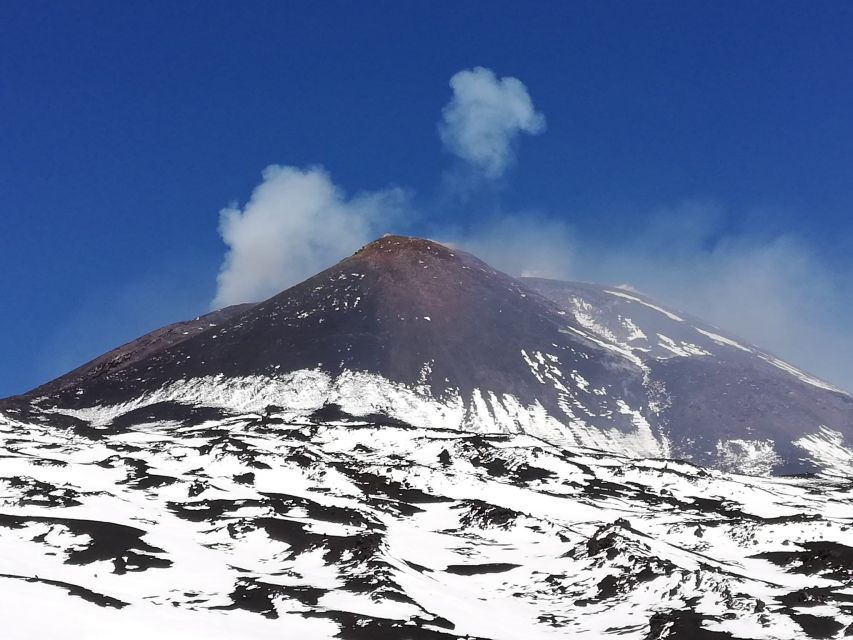
- Southern-slope hiking from Rifugio Sapienza (about 1,900m): start high and gradually build your view.
- A professional guide who explains what you’re seeing: craters, lava evidence, and legends in plain terms.
- Valle del Bove viewpoint around 2,500m: a wide amphitheatre view toward the summit area.
- You’ll walk real volcanic terrain, not a paved stroll: black lava fields and scorched valleys.
- Local tasting at the end: Etnean flavours built from the volcanic soil.
- Group size can vary: sometimes it stays small and friendly, but on certain days groups may get bigger.
Rifugio Sapienza start: the climb begins at altitude
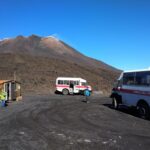
If you want to feel Etna in your legs (and your lungs), start here. The hike begins in Piazzale Rifugio Sapienza, at about 1,900 metres. You’ll set off on a trail that’s already unmistakably volcanic. One step out of the flat world, and you’re standing on cooled lava with that rough, gritty texture underfoot.
Why I think this matters for you: starting around 1,900m means your “adjustment time” is built into the hike. You’re not spending half a day just reaching the good stuff. And because you’re walking with a guide, you get context right away, so the terrain doesn’t feel like random rock.
One practical note: your exact maximum altitude can vary based on rules in place on the day. Etna is a living mountain, and sometimes regulations shift without much notice.
You can also read our reviews of more tours and experiences in Taormina.
From lava fields to volcanic formations: what the trail teaches you
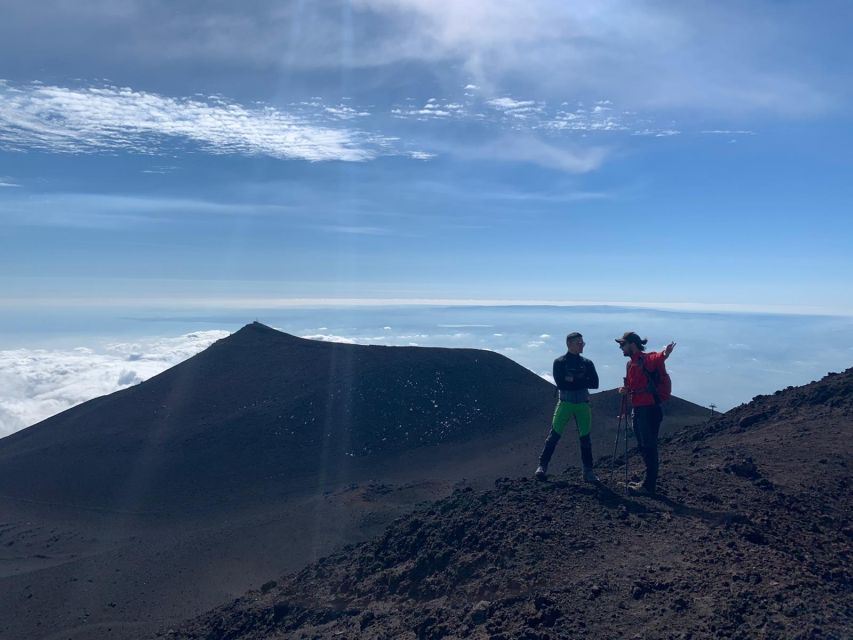
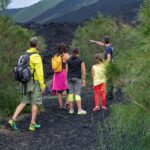
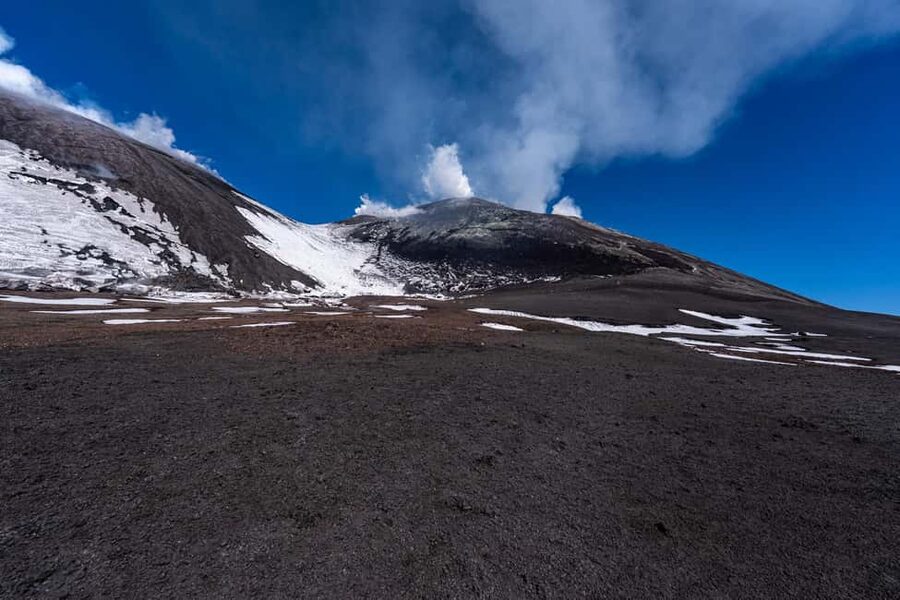
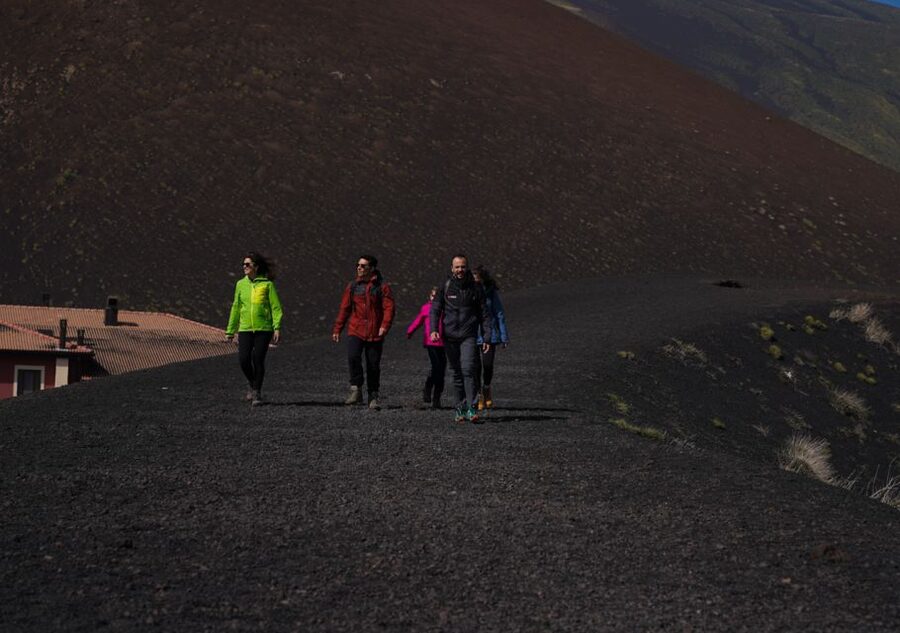
This is not a casual nature walk. You’re hiking through a natural path in Parco dell’Etna, with the trail crossing areas shaped by past eruptions. Expect stretches that feel like you’re on another planet: black lava surfaces, hardened formations, and scorched-looking valleys.
The guide’s job is to help you read the mountain. On the way up, you’ll learn how the volcanic features connect: evidence of older eruptions, craters (and crater remnants), and hardened lava that looks frozen mid-flow. You also get history and legend alongside the geology, which is a nice touch because it keeps the experience from turning into a pure lecture.
What this adds to the hike:
- You’ll notice things you’d otherwise miss, like how different volcanic surfaces break apart and how some areas look more “worked over” by repeated activity.
- You’ll get a sense of scale. You’re walking on ground that was shaped by power you can’t easily imagine from sea level.
A small tip that pays off: bring your windbreaker even if the forecast sounds mild. Higher elevations on Etna can switch from calm to windy fast, and a light layer makes the hike more comfortable. You’ll also want water even if you think you’ll be fine. It’s a 3-hour hike, but at altitude you drink more than you expect.
Reaching the first viewpoint: your eyes learn the pattern
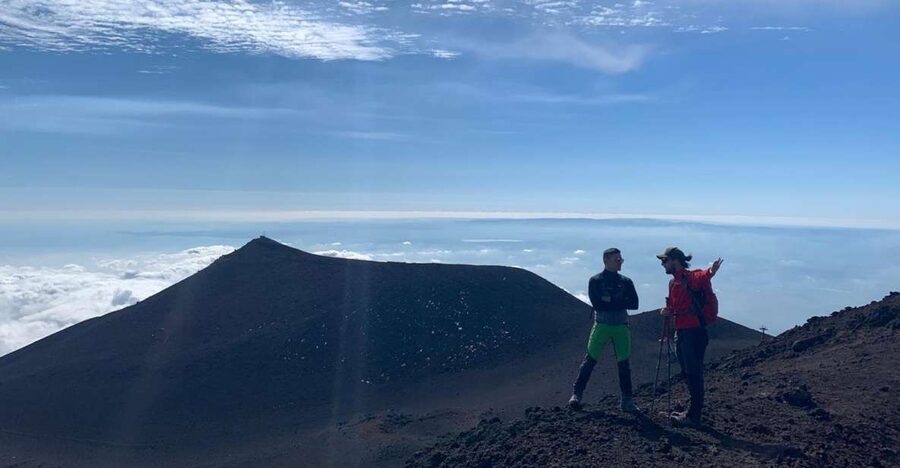
Halfway through the main uphill effort, the itinerary calls for a view point after about 1.5 hours of hiking. This stop isn’t just a photo break. It’s where the guide often helps you connect what you’ve walked through with what you’ll see next.
This matters because Etna’s terrain can look chaotic at first. From the viewpoint, you start to recognize patterns: how the slopes open up, where the big valleys sit, and how the volcanic forms guide your gaze toward the larger amphitheatre ahead.
If you like photography, this is a good moment to pause and actually study. Don’t just grab the wide shot. Look for the dark lava lines and the places where the ground looks more broken and layered. Those textures make the photos feel real, not generic.
One more practical consideration: since the hike is on uneven volcanic ground, your trekking rhythm matters more than your speed. If you’re tempted to “race” to the viewpoint, it usually ends in a shaky last 15 minutes. Keep it steady.
Belvedere Valle del Bove: the balcony overlook you came for
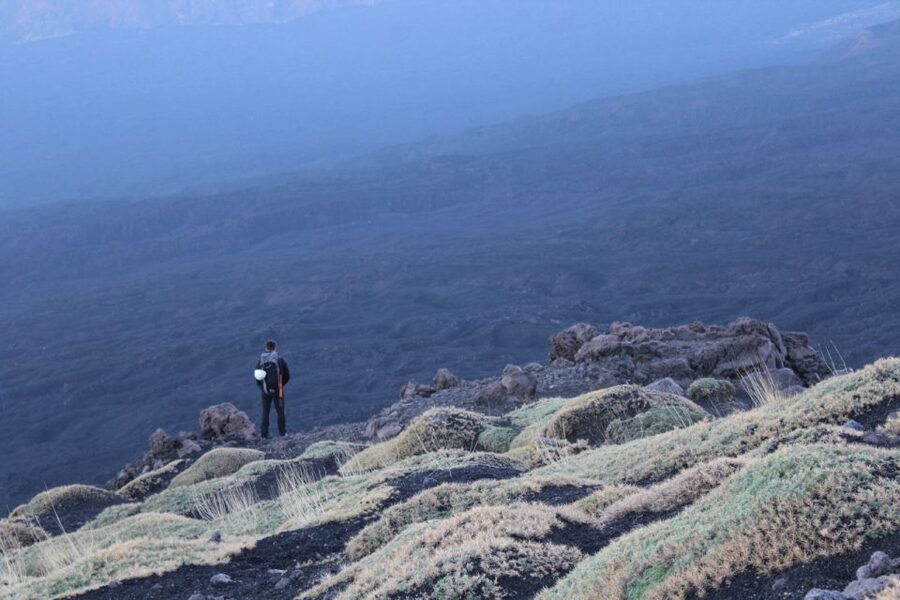
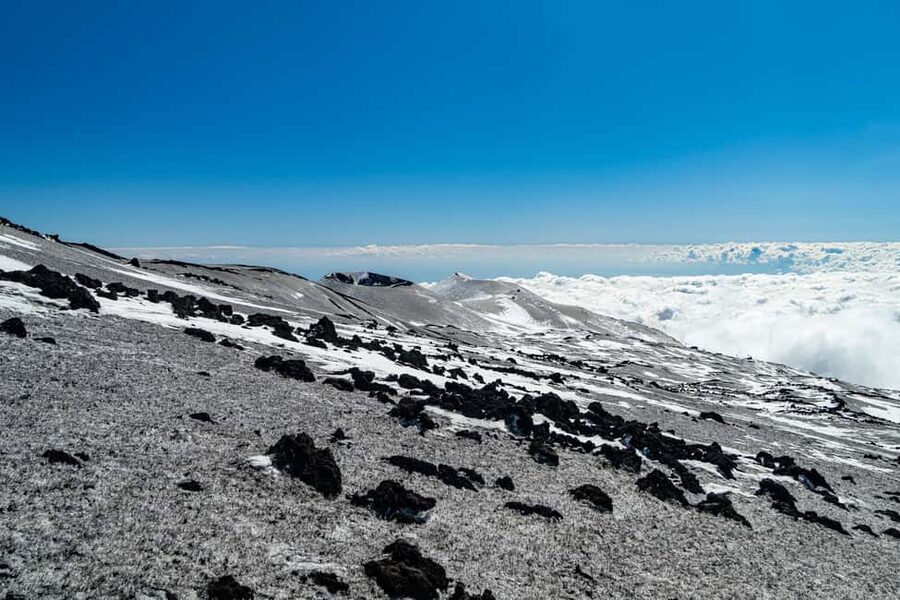
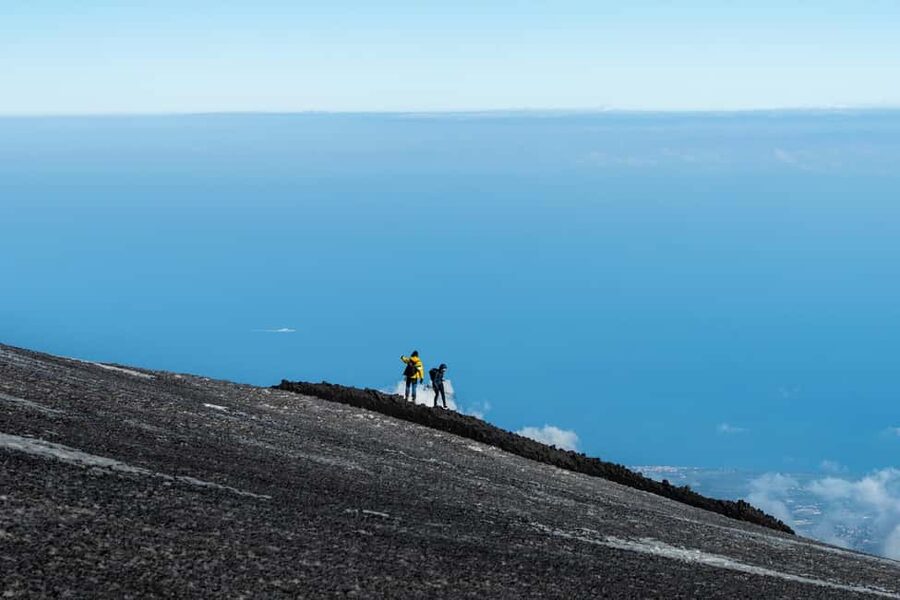
The highlight arrives at Belvedere Valle del Bove, reached after another 1.5 hours of hiking. You’ll climb to a scenic overlook around 2,500 metres, and that’s where the big breath moment happens.
Valle del Bove is a huge natural amphitheatre, and from this height you get a perfect window toward the Summit Craters. The view can feel unreal because the terrain is so stark. There’s less “green scenery” to distract you and more raw shapes to interpret. It’s an open stage of geology.
What I like about this part for you: it’s the kind of viewpoint that makes the earlier walking worth it. The hike isn’t just movement; it’s a guided build-up to a specific sightline. By the time you’re standing there, you understand why it looks the way it does.
Also, the air and temperature can make you want to linger. One guide I’m aware of helped people stay longer at the panoramic spot, even into the warmer side of the evening. If the day’s conditions allow it, give yourself time to stop, breathe, and look around slowly. The best views come when you’re not rushing to the next thing.
Etnean flavours at the finish: the sensory payoff
After the climbing, you end with tasting local products—a simple but thoughtful way to wrap the experience. The idea is that you’ve spent hours dealing with the mountain’s “fire story,” and then you get something that reflects the island’s volcanic life in a more human way.
You’ll likely notice the foods feel tied to the land. Even if you’re not a food expert, the tasting is a satisfying “last sense” moment after seeing and feeling the volcano. It’s not a full meal replacement, but it’s a real finish rather than a sudden drop-off.
If you’re deciding whether you’ll enjoy this, here’s my take: if you like hikes that end with culture (not just a bus back), this part helps the tour feel complete.
Price value check: how $47 stacks up for a guided volcano hike
At about $47 per person for a roughly 3-hour guided outing, the value comes down to what’s included: an experienced guide and a tasting of local products. For a high-altitude activity that takes place in a controlled setting on active volcanic terrain, paying for a guide is the difference between seeing Etna and learning how to see it.
Here’s the honest tradeoff: you’re paying for interpretation. If you’d rather hike independently with no geology talk, the price may feel less justified. But if you want the mountain explained clearly—without jargon—then the guide’s presence is what you’re really buying, and it’s money well spent.
Also, the guide helps manage the experience around changing conditions, like possible regulatory changes affecting maximum altitude. That kind of on-the-ground flexibility is hard to recreate on your own.
Who this hike is best for (and who should skip it)
This is a moderate hike designed for active travellers who like the outdoors and don’t mind rugged footing. It’s a strong fit if you’re:
- into photography and want a viewpoint that’s more than a quick snap
- curious about geology and want the story told in everyday language
- the type who enjoys a guided walk more than a freeform scramble
It’s not suitable for people with heart problems, high blood pressure, or mobility impairments. Pets are also not allowed.
If you’re unsure because of fitness level, the best approach is to be realistic about your walking comfort on uneven, volcanic ground. Even “moderate” hikes can feel tougher at altitude than you expect, especially when the wind picks up.
Gear, clothing, and the stuff you’ll thank yourself for
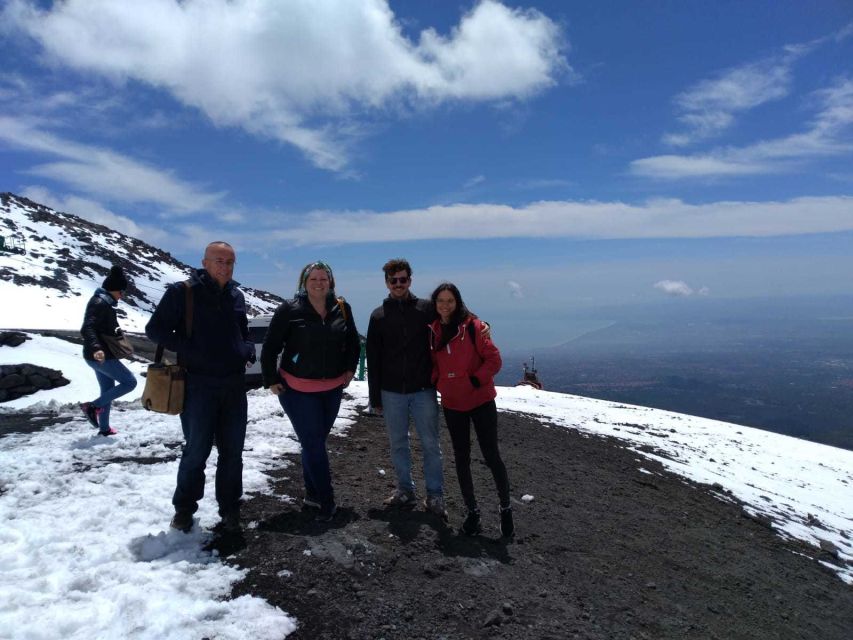
Plan for the mountain to be colder and windier than the city. Bring:
- a windbreaker
- hiking shoes
- water
- passport or ID (a copy accepted)
- trekking gear if you have it
Good to know: gear rental is available at the meeting point. If you show up without trekking shoes, you might still be able to rent, but it’s smarter to arrive prepared.
One more quick suggestion: wear layers. Etna can shift in comfort levels as you climb and then pause for viewpoints.
Group size reality: when things stay smooth vs when they don’t
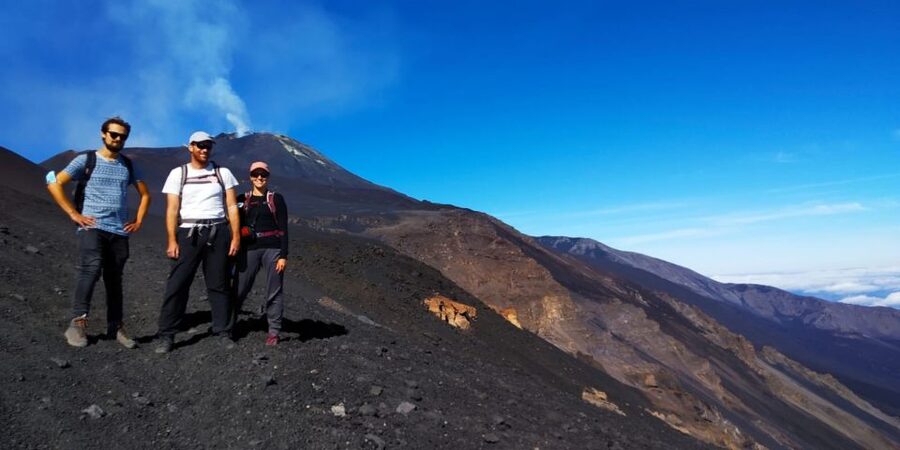
Most days, a guided hike like this feels personal and paced. But group size can vary. There has been at least one instance where an additional guide wasn’t available, and groups were combined, leading to a much larger group (around 35 people). Bigger groups can mean less individual attention and more time waiting.
How to handle that if you find yourself in a larger group:
- keep your pace steady and focus on your own rhythm
- take extra advantage of viewpoint pauses to ask the guide specific questions when there’s a moment
- don’t stress if it feels less intimate than you imagined
Picking the right day: weather and “altitude mood”
The hike happens on a volcano, so conditions matter. You can’t control the weather, but you can control how ready you are. That windbreaker and water aren’t optional vibes; they’re comfort insurance.
Also remember: the maximum altitude reached can change due to regulations that may shift on the day. That doesn’t necessarily ruin the hike. It just means you should come with a flexible mindset and trust the guide to manage safe access.
Should you book this Etna viewpoint hike?
I’d book it if you want the kind of Etna experience that feels grounded and meaningful. You get:
- a guided walk over volcanic terrain
- a strong payoff at Valle del Bove from about 2,500m
- a finish with local tastings
- a guide who explains what you’re walking through, not just where you’re going
Skip it if you’re looking for a gentle stroll, you have health concerns that make altitude hiking risky, or you need fully accessible terrain. And if you dislike groups or prefer solo planning, you might find the experience less tailored.
If you can handle moderate hiking at altitude and you like learning while you move, this is one of the better ways to see Etna without turning it into a guessing game.
FAQ
How long is the Etna hike to Valle del Bove?
The duration is about 3 hours, including hiking time between the start point and the viewpoints.
Where does the tour start?
You start at Piazzale Rifugio Sapienza (the meeting point is shared with you, with the exact place provided the day before).
What’s included in the price?
The price includes an experienced guide and a tasting of local products.
What languages are offered on the tour?
The live guide speaks English and Italian.
What should I bring?
Bring a windbreaker, hiking shoes, water, and your passport or ID card (a copy accepted). Trekking gear is also recommended.
Is this hike suitable for everyone?
It’s a moderate hike suitable for active travellers. It is not suitable for people with heart problems, high blood pressure, or mobility impairments.
Are pets allowed?
No, pets are not allowed on this tour.