REVIEW · CAPE TOWN
Table Mountain Summit Hike via Kasteelspoort
Book on Viator →Operated by Table Mountain Treks and Tours · Bookable on Viator
Table Mountain is dramatic even before you start climbing. This Kasteelspoort summit hike takes you up the Table Mountain National Park with a professional guide who brings the plants, animals, and mountain stories to life, plus you get excellent city-and-coast views as you work your way toward the Upper Cable Station area. I especially like that the route is described as a calmer option away from the thickest crowds, and that the guide focuses on the natural details of the fynbos ecosystem instead of treating it like a basic point-to-point walk. One consideration: it’s moderately difficult, and you should plan for a sustained effort in mountain weather that can change fast.
Here’s the other thing that makes this feel worth your time: you’re not just hiking to a viewpoint—you’re hiking through a UNESCO-listed landscape with real ecological importance, and the guide explains what you’re seeing as you go. The summit section is where the views really snap into focus, especially toward Camp’s Bay and the 12 Apostles range. The possible drawback is logistics—this hike isn’t “all-in” on transport, and you’ll need your own one-way cable car ticket (R280pp) for getting back down.
In This Review
- Key points before you go
- Why Kasteelspoort feels like a good way up Table Mountain
- The route at a glance: 8 km from Camp’s Bay to the Upper Cable Station area
- Starting point in Bakoven: the first stretch of the day
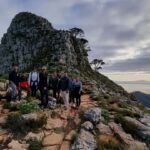
- Climbing Kasteelspoort toward the Back Table (740 m)
- The cantilevering Diving Board rock outcrop stop
- Summit plateau near Upper Cable Station: views plus meaning
- Guide quality is the value multiplier (especially on a mountain)
- Price and what you’re really getting for $76.48
- What to bring for a 5–6 hour moderate climb
- Who should book this hike, and who might prefer a different plan
- Should you book the Table Mountain summit hike via Kasteelspoort?
- FAQ
- How long is the Table Mountain Summit Hike via Kasteelspoort?
- Where does the hike start and where does it end?
- How difficult is the Kasteelspoort route?
- Is the cable car included?
- Do I need to bring snacks and water?
- Is this hike private?
- What happens if the weather is bad?
Key points before you go
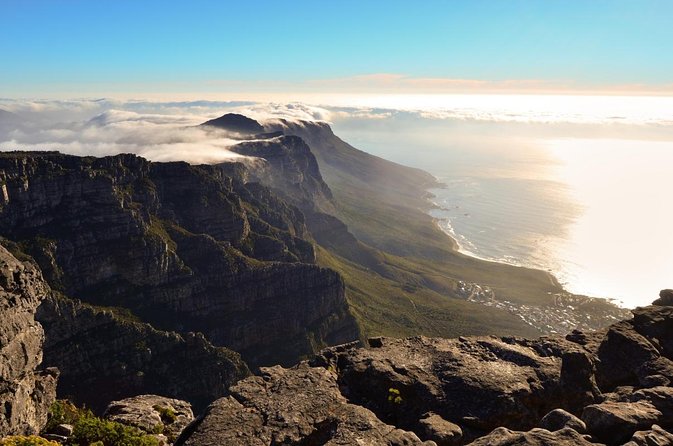
- Kasteelspoort is a quieter ascent up Table Mountain, designed to avoid the busiest feel of the mountain.
- A guide who reads the landscape for fauna and flora, so you know what you’re looking at, not just where you’re going.
- 8 km of trail with a steady climb from Camp’s Bay side toward the Back Table and then the summit plateau.
- Diving Board rock outcrop is a distinct stop with big exposure and great photo potential.
- Summit timing target of 5–6 hours on the mountain, not a rushed “snap and go.”
- Cable car is not included, so budget R280pp for the one-way ride.
Why Kasteelspoort feels like a good way up Table Mountain
Kasteelspoort hits a sweet spot. It’s not the easiest stroll, but it’s also not a techy scramble. That makes it a strong choice if you want Table Mountain to feel like an actual hike, with real payoff for effort.
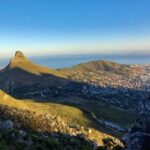
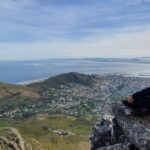
The trail also lines up nicely with what most people want from Table Mountain: views. From the Camp’s Bay side, you’re working your way toward big panoramas that include the coast, the city side, and the dramatic 12 Apostles mountain line. Plus, the route is described as calmer than the most crowded approaches, which matters. When you’re hiking for hours, you want breathing room at stops and viewpoints—not constant stop-and-go.
Most of all, this experience is built around interpretation. You’re in Table Mountain National Park, and it’s part of the Cape Floral Region Protected Areas UNESCO World Heritage Site. A good guide turns that into something you can actually notice with your own eyes—especially in the fynbos biome, where plants look different from what you might expect in other parts of the world. In the feedback I saw, guide Justin gets called out for pacing people well and staying mindful of whether everyone is doing okay, while also sharing plenty of useful park info.
One more value point: the hike includes time at key natural features rather than only chasing altitude. That makes the whole day feel more like a guided walk in an important habitat, not just cardio with a view.
You can also read our reviews of more tours and experiences in Cape Town.
The route at a glance: 8 km from Camp’s Bay to the Upper Cable Station area
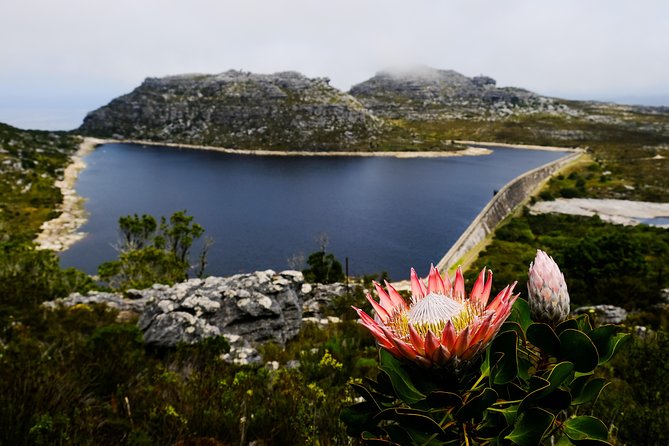
This is a hike with a clear structure. You start on the Camp’s Bay side of Table Mountain (near the 12 Apostles), then climb through Kasteelspoort toward the Back Table and on to the summit plateau area around the Upper Cable Station.
Here’s the progression you should picture:
- Start near 190 m ASL (Camp’s Bay side)
- Climb to the Back Table around 740 m ASL
- Continue upward to the summit plateau around 1067 m ASL near Upper Cable Station
- Total walking distance is about 8 km
- A good estimate for time on the mountain is about 5–6 hours
What this means for you in practice: you’re planning a long-ish day that’s mostly about steady climbing and sustained focus. You’ll want to pace early. If you go hard at the start, the middle sections will feel tougher than they need to.
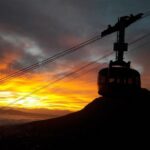
It also means the route is set up to end where the cable car system is accessible. The experience isn’t “hike all the way back” based on the details provided. Plan on a one-way cable car ride down using your own ticket (R280pp).
Starting point in Bakoven: the first stretch of the day
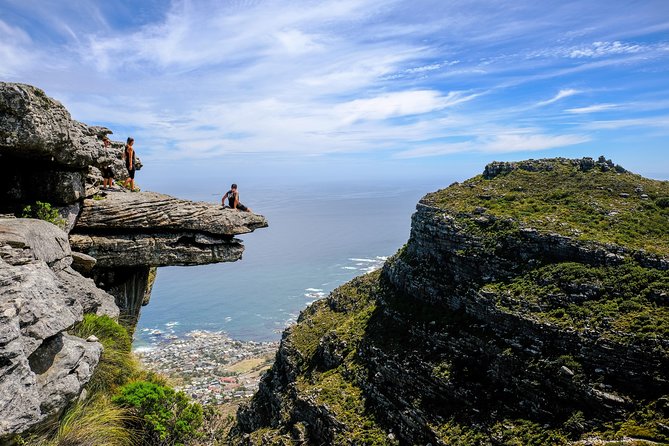
The meeting point is 25 Theresa Ave, Bakoven, Cape Town. Your activity ends back at the same meeting point, which simplifies the day. You don’t need to worry about matching transit between trailheads and return points.
From a comfort and planning standpoint, I like starting with a defined group meeting location rather than scrambling to find the trail entrance on your own. And because this is described as a private tour for only your group, you’re not dealing with a mixed crowd from multiple companies.
If you’re coming from central Cape Town, build in buffer time. Table Mountain weather and traffic patterns can mess with schedules, and this hike is specifically described as requiring good weather. In other words: if conditions aren’t great, don’t count on everything running on time.
Climbing Kasteelspoort toward the Back Table (740 m)
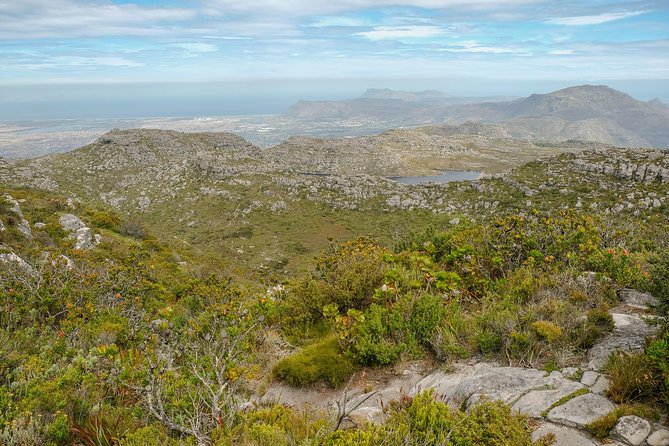
Kasteelspoort itself is the core of the hike, and the difficulty level is described as moderately difficult. That’s a helpful label because it signals two things:
1) You should be comfortable with continuous upward walking.
2) You shouldn’t expect technical climbing, but you also can’t treat it like a flat city walk.
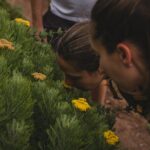
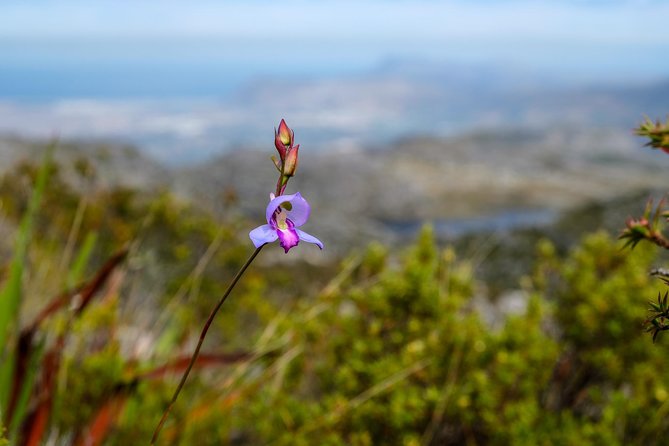
As you climb, the guide is there for more than logistics. They interpret what you’re seeing along the way, with a strong focus on the fauna & flora of Table Mountain. In the fynbos biome, even small differences in plant shapes and growth patterns can be the whole story—especially when you’re hiking in different seasons and blooms.
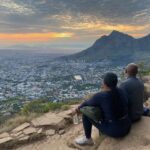
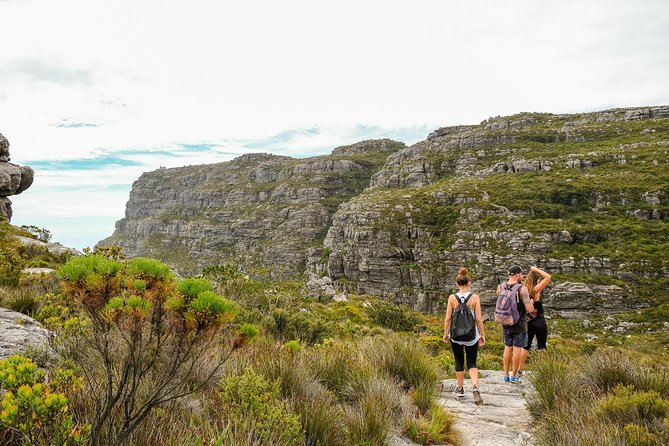
Also, the views start turning on gradually. You’ll likely feel the shift from “path and effort” to “look up, then look around.” This is where the Camp’s Bay angle really helps: you’re not just facing mountains; you’re moving through a landscape that has the coast and city as a constant reference.
Practical tip: bring a light snack even though snacks aren’t included. A small dose of energy helps you keep a steady pace through the middle of a climb. One of the feedback details includes a mid-hike break for refreshments, but that doesn’t remove the need for your own fuel plan.
The cantilevering Diving Board rock outcrop stop
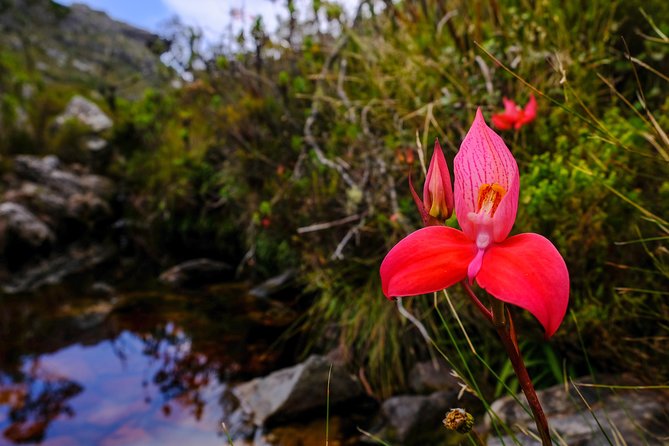
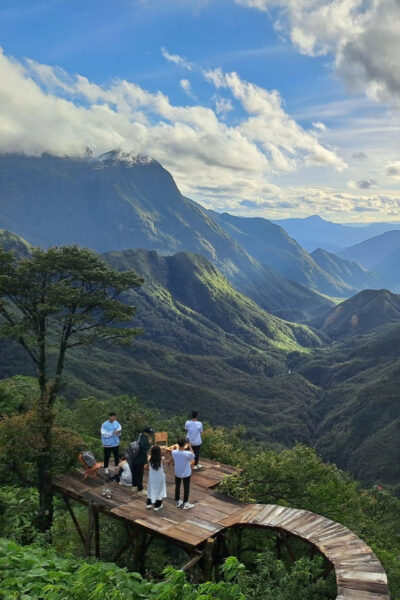
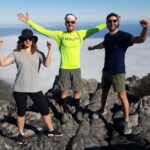
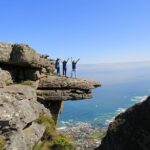
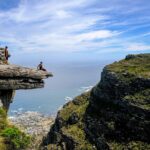
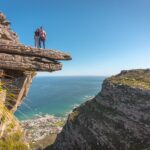
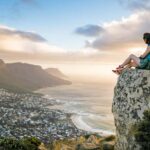
At the Back Table (740 m ASL), you’ll visit the Diving Board rock outcrop before continuing upward. This is one of the more distinctive moments of the route because it sounds like a real “stand and stare” viewpoint rather than a quick photo stop.
If you’re sensitive to heights or exposed edges, take it slow here. Rock outcrops on mountains can feel more intense than you expect, even if you’re not doing anything technical. Your guide can help you choose where to stand and how long to linger based on how you’re feeling.
The upside is the payoff. Stops like this are where the landscape becomes three-dimensional: you see far, you see depth, and you get that sense of scale that makes Table Mountain feel special. And because you’re on your way to the plateau, it’s not the final moment yet—so you can enjoy it without feeling like the best part is already over.
Summit plateau near Upper Cable Station: views plus meaning
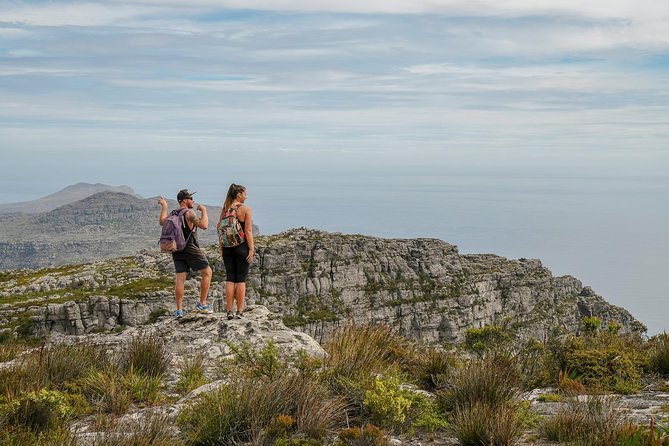
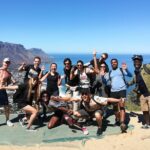
The hike’s summit goal is the plateau at Upper Cable Station, around 1067 m ASL. That’s the point where your earlier effort starts to click: you’ll see wide views over the area you climbed through, including the coastal side and the mountain ranges that shape Cape Town’s horizon.
This is also where the guide’s interpretation pays off. The Table Mountain National Park setting isn’t just scenery. It’s recognized globally for its protected natural environment within a UNESCO framework, and it’s also listed among the New7Wonders of Nature. You don’t need to memorize that to appreciate it—what matters is that you’re walking through an ecosystem with real value and specific survival conditions.
In practical terms, aim for patience at the top. People often rush summit viewpoints because they want photos fast. But the summit part works better when you slow down and let your eyes adjust. That’s how you catch the details the guide points out—especially plants and natural patterns you might otherwise miss.
Also remember: the hike describes a total of about 5–6 hours for the day. If you move too fast early, you can end up spending the summit part feeling tired. Pace so you still have energy to enjoy the viewpoints instead of just reaching them.
Guide quality is the value multiplier (especially on a mountain)
A summit hike works one of two ways. You either hike and hope, or you hike with someone who can tell you what you’re looking at.
This one is built for the second option: a professional guide with local depth on Table Mountain’s natural environment. In the feedback, Justin is highlighted for being attentive to pace and wellbeing, and for sharing plenty of history and info along the way. That kind of guidance matters because Table Mountain isn’t only beautiful—it’s full of small, interesting details. A guide helps you notice them without you needing to become a botanist mid-hike.
This is also why the route being described as quieter matters. When the trail is less crowded, your guide can actually talk and point things out. You’re not constantly squeezed by other people, and you can ask questions without feeling like you’re slowing a line down.
Price and what you’re really getting for $76.48
At $76.48 per person, this hike is positioned as a guided day in a top-tier national park setting. The big value driver is the guide. You’re paying for more than walking with a group—you’re paying for interpretation, route management, and a safer pace over a long climb.
What’s not included is also important:
- Snacks are not included, so you’ll want to bring a light snack.
- Bottled water is not included. Plan for roughly 2 litres per person.
- A one-way cable car ticket (R280pp) is not included.
To decide if it’s a smart value, I suggest you compare this against the real cost of doing it yourself badly. Table Mountain conditions and route-finding are not the same as guessing your way through a city park. A good guide helps you spend your energy on walking and views, not on confusion.
Also, because it’s a private group experience, that’s a hidden value for couples and small groups. You’re not stuck with a random pace mismatch from a bigger mixed group. When guides can set the tempo to your group, everyone enjoys the views more.
One more practical detail: the experience tends to be booked in advance (on average 82 days). If you’re traveling in peak season or on popular days, you’ll want to lock it in earlier so you don’t end up with fewer options.
What to bring for a 5–6 hour moderate climb
This hike’s success comes down to simple prep. Here’s what the provided details point to:
- Water: bring about 2 litres per person. Don’t treat this like a short walk.
- A light snack: something easy like a trail bar, fruit, or nuts.
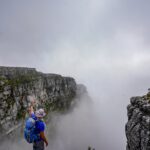
- Weather readiness: the hike requires good weather. If clouds, wind, or poor conditions move in, your day may be adjusted or you may be offered an alternative date.
Wear sturdy footwear with good grip. You’re walking on a mountain trail for about 8 km, and a moderate climb means you’ll want stable footing on uneven ground.
If you’re the type who gets cold at altitude, bring a layer. You may start in warmer coastal air and finish in cooler conditions near the plateau.
Finally, bring a calm mindset. The route is 5–6 hours, and you’ll get more out of it by pacing instead of sprinting. Your guide can keep you moving steadily.
Who should book this hike, and who might prefer a different plan
This hike fits best if you want:
- A moderately difficult climb that feels like an outdoor adventure
- Strong city and ocean views from Table Mountain
- A guided approach that explains fynbos and what’s happening in the national park
- A route that aims to be quieter than the busiest options
You might be less satisfied if you’re expecting an easy walk with minimal effort. The climb up to the Back Table and then onward to the summit plateau is a real workout. It’s also not ideal if you dislike exposed rock outcrops, since the Diving Board stop is part of the route.
For families or groups, this can work well if everyone has moderate fitness and is comfortable with continuous walking. The key is that the guide is there to manage pace, and the feedback specifically praises that kind of thoughtful pacing.
Should you book the Table Mountain summit hike via Kasteelspoort?
Yes—if you want Table Mountain to feel like a guided hike with meaning, not just a viewpoint chase. The standout reasons are straightforward: great views, a professional guide who focuses on the park’s natural environment, and a route that aims to be quieter while still delivering classic Table Mountain drama.
Before you commit, check whether you’re happy with a moderate climb for about 5–6 hours, and make sure you’ve budgeted for the one-way cable car ticket (R280pp) plus your own water and snack.
If you’re the kind of traveler who loves practical details—what plants you’re seeing, why the ecosystem matters, and how to pace a long climb—this is a strong choice.
FAQ
How long is the Table Mountain Summit Hike via Kasteelspoort?
It takes about 5 hours 30 minutes (approx.), with a good estimate of 5–6 hours for the hike.
Where does the hike start and where does it end?
The meeting point is 25 Theresa Ave, Bakoven, Cape Town, and the activity ends back at the same meeting point.
How difficult is the Kasteelspoort route?
It’s described as moderately difficult, and it’s best for travelers with moderate physical fitness.
Is the cable car included?
No. A one-way cable car ticket is not included (R280pp per person).
Do I need to bring snacks and water?
Yes. Snacks are not included, and you should bring bottled water (about 2 litres per person).
Is this hike private?
Yes. It’s listed as a private tour/activity, with only your group participating.
What happens if the weather is bad?
This experience requires good weather. If it’s canceled due to poor weather, you’ll be offered a different date or a full refund.