REVIEW · OISO
Oiso: Adventure Hike to See Mt. Fuji & Historic Coastal Walk
Book on GetYourGuide →Operated by Explorer Kanagawa with Yuki · Bookable on GetYourGuide
Mt. Fuji, without the crowd noise. This Oiso day blends Takaku Shrine’s long legend trail with a 360° Shonan-daira viewpoint that feels made for photos. My favorite part is the mix of sea, history, and a short hike that still gives you that wild-nature reset—just know Mt. Fuji depends on weather, so your summit view may be cloudy.
I especially like getting out with a real local guide: Yuki is a governmental licensed, English-speaking Shonan-area guide, and her way of explaining Oiso’s stories feels clear and human. She brings maps and simple illustrations, and she even adjusts the pace when someone is tired, which makes the whole day feel less like a checklist.
One more thing I liked: the tour stays compact and personal, priced for a private group (up to 6). You’ll move through small ports, shrines, ridge paths, and quiet gardens at a realistic speed—just skip if you’re dealing with height anxiety or you need step-free routes.
In This Review
- Key highlights that make this day work
- Why Oiso is the calm choice when you want Mt. Fuji
- Meeting outside JR Ōiso Station: the easiest start from Tokyo
- Oiso Port and the first public beach in Japan
- Walking the old Tokaido vibe with legend stops
- Takaku Jinja and the 1,300-year legend of Mt. Koma
- Mt. Koma hiking: light wild-nature time that still feels adventurous
- Shonan-daira observatory: where the 360° view does the heavy lifting
- The way back: 7C tomb clusters and small-town scenery
- Lunch in Oiso: let the guide do the hard part
- Meiji Memorial Garden and traditional villas with political-era stories
- Weather changes everything: rain plan and what gets cut
- Price and value for a private 6-hour day
- What to pack and what to wear on this Oiso hike
- Who should book this Mt. Fuji viewing hike—and who shouldn’t
- Should you book the Oiso adventure hike with Yuki?
- FAQ
- Where do we meet for the tour?
- How long is the tour?
- Is lunch included?
- Does the tour include transportation?
- What if Mt. Fuji isn’t visible?
- What happens if it rains?
- What should I wear or bring for hiking?
Key highlights that make this day work
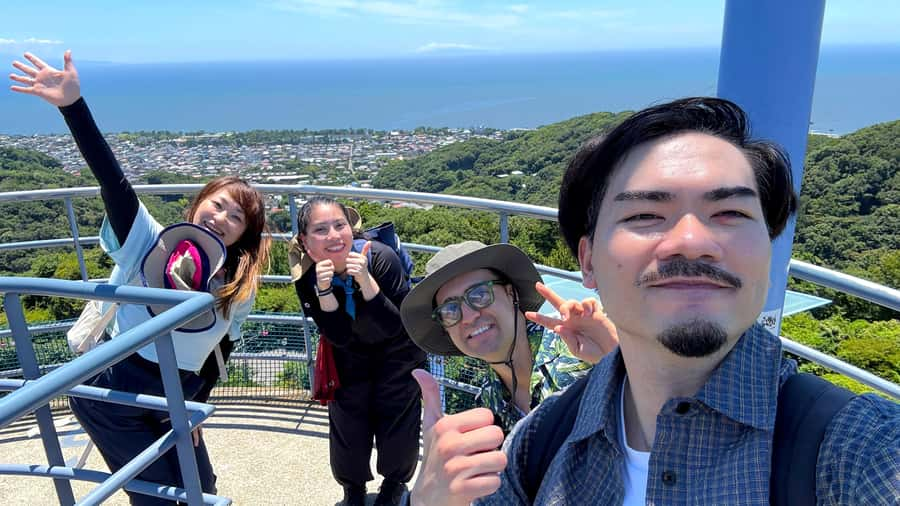
- Shonan-daira’s 360° panorama: Sagami Bay, Mt. Oyama, and often a Fuji sighting if skies cooperate
- Takaku Jinja (about 1,300 years old): a shrine stop with legend and a chance to touch the spring divine water
- Mt. Koma + ridge hiking: light wild-nature time in forest air, with the popular idea of negative ions in the pitch
- Oiso Port seafood morning vibes: Oiso’s first established public beach + a possible raw whitebait moment
- Meiji Memorial Garden and political-era villas: calm, shaded garden time inside traditional residences
Why Oiso is the calm choice when you want Mt. Fuji
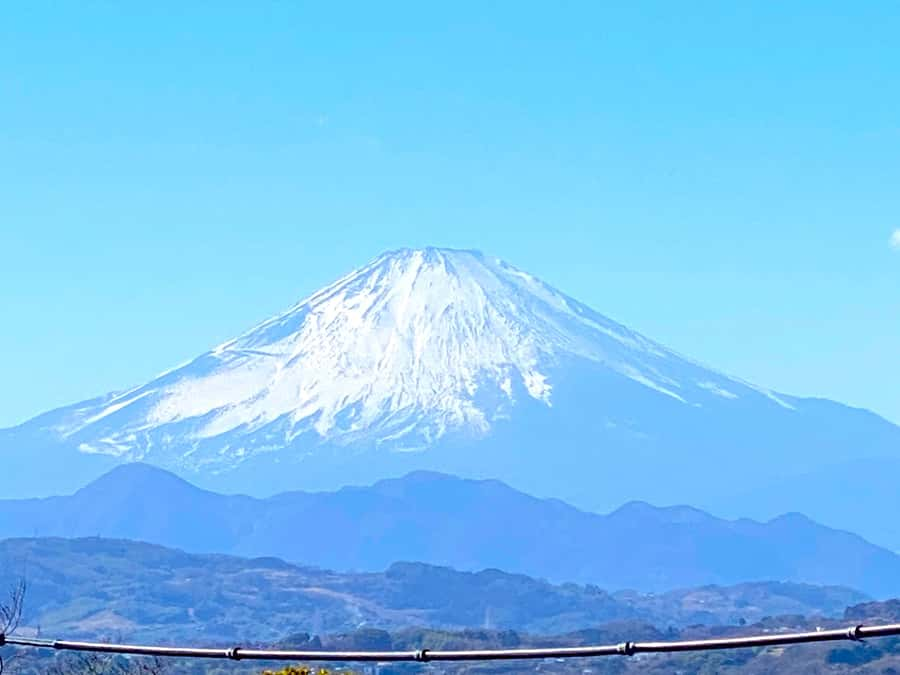
Most people chase Mt. Fuji from the busiest viewpoints. Oiso is different. It’s a compact coastal town where mountains and sea sit close together, so you get variety without wasting hours in transit.
This is a guided day designed to feel local rather than crowded. You start with the ocean side, then shift into shrines and ridge hikes, then finish with Meiji-era gardens and villas tied to famous politicians. The emotional payoff is real: you go from coastal breeze to forest air to quiet estate paths, all in one coherent loop.
And because your group is private for up to six, the experience stays flexible. In practice, that means you’re not getting pushed along by a large bus crowd. You’ll also get your questions answered in real time.
Meeting outside JR Ōiso Station: the easiest start from Tokyo
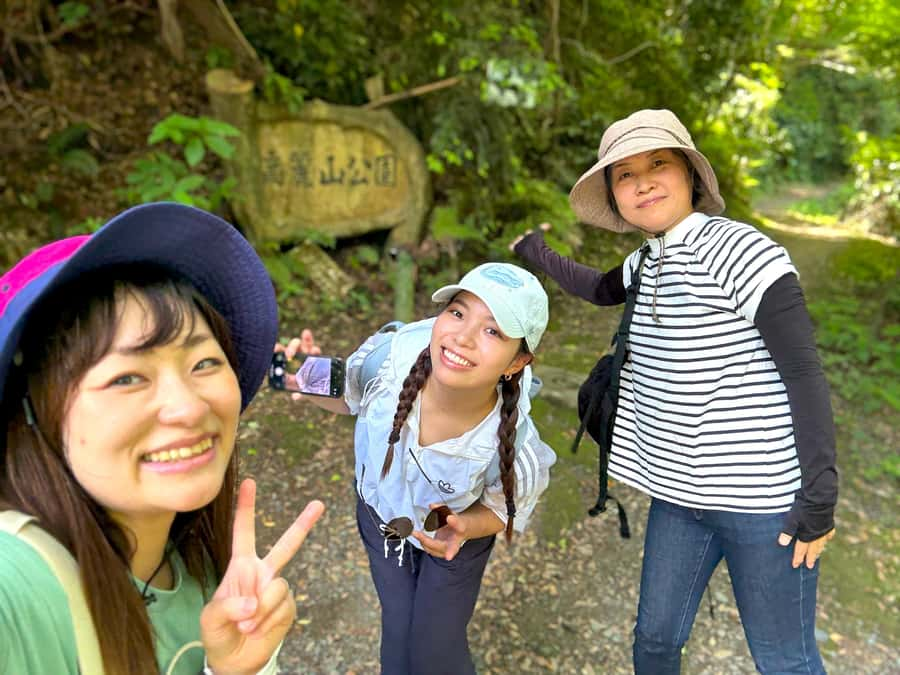
You meet outside the ticket gate at JR Oiso Station. That matters because it keeps the day simple—especially if you’re coming from Tokyo, Odawara, Hakone, or even further west like Osaka and Kyoto.
Oiso is close enough for a same-day escape, but far enough that the vibe changes fast. Once you step away from the rail hub, you’ll feel that slow seaside rhythm.
Yuki’s lead also helps you connect the dots. Oiso is small, but it’s packed with meaning: old Tokaido-era nostalgia, shrine legends, archaeological tomb clusters, and political-era residences. A local guide is the difference between seeing places and understanding why they matter.
Oiso Port and the first public beach in Japan
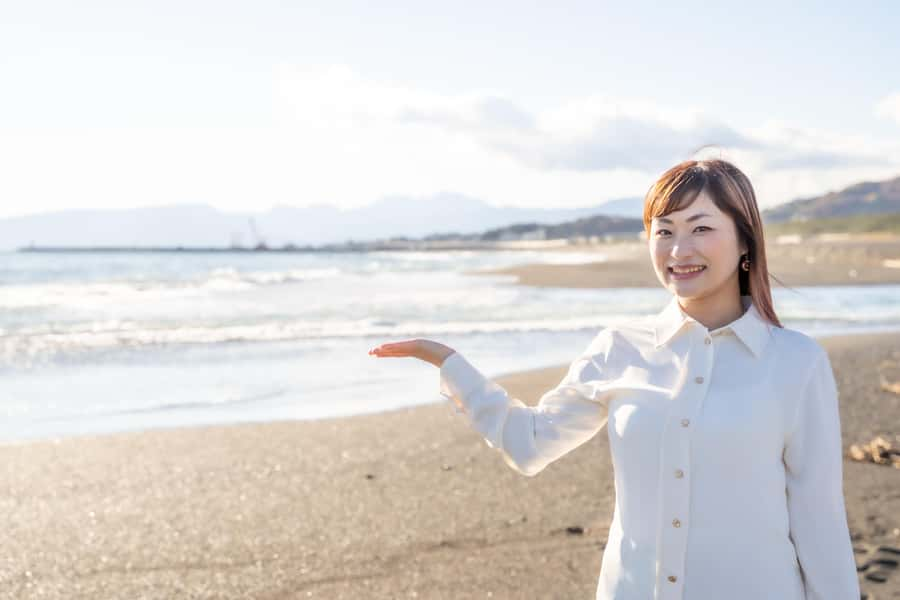
This part starts with the sea. You’ll head to Oiso Port, with time to look around and soak in the ocean air. The tour specifically calls out Japan’s first established public beach, and that’s the kind of detail that instantly makes the stop feel more than just scenic coastline.
If you’re lucky, you may get a chance to have freshly caught raw whitebait in the morning. Even if you don’t, you’ll still get the atmosphere of a working port—boats, seafood energy, and the sense that people here live with the tide, not just beside it.
Practical note: mornings near the water can be cool, even when Tokyo is warm. Dress in layers so you don’t overheat later on the hike.
Walking the old Tokaido vibe with legend stops
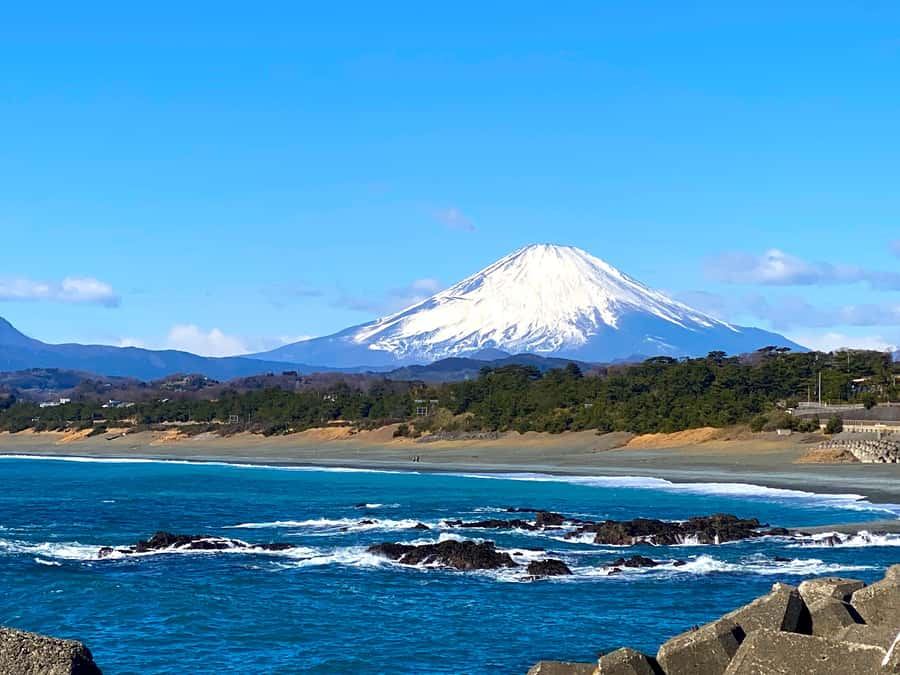
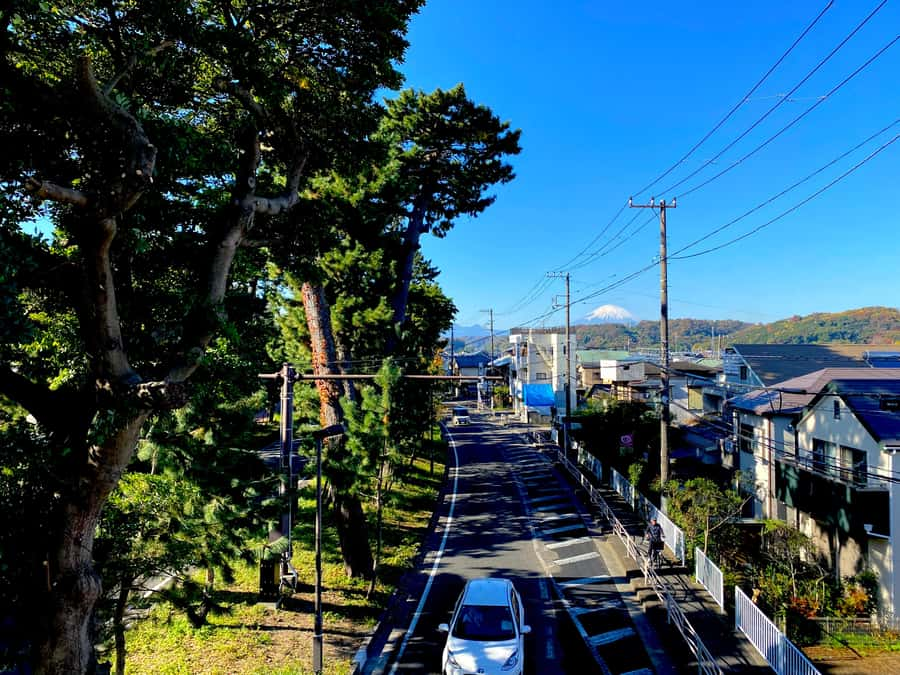
After the port, you move through the nostalgic side of Oiso along the old Tokaido highway. The big visual you’ll notice is the pine tree line—long, steady, and very different from modern streets.
This is where the town’s “in-between” history shows up. Oiso wasn’t just a pretty resort; it sat on a major route. That’s why you’ll feel the past in small ways—stone, path edges, and shrine-adjacent corners that don’t look built for tourists.
This is also a smart pacing choice. You’re warming up your legs with gentle walking before you switch into ridge hiking. It keeps the day feeling like a natural progression instead of a sudden jump into exercise.
Takaku Jinja and the 1,300-year legend of Mt. Koma
Takaku Jinja is a major tone shift. The shrine is about 1,300 years old, and you can feel it in the atmosphere: calm, focused, and intentionally quiet.
Yuki walks you through a Shinto ritual to pray for the deity. Then there’s a special moment: you can touch springing divine water. That kind of hands-on detail is exactly why guided time matters—you’re more likely to do things the right way when someone explains what’s going on.
The tour also connects Takaku Jinja to the legend story of Mt. Koma. Instead of treating the hike like a random uphill climb, you get a “why” before you start. When the story clicks, the landscape starts feeling like a living map.
Drawback to know: shrines are weather-dependent. If it rains hard, the tour may cut shrine and observatory visits for safety and comfort.
Mt. Koma hiking: light wild-nature time that still feels adventurous
This is the hiking heart of the day. You head toward Mt. Koma and Koraiji Temple, aiming for the top zone. The hike is described as short and perfect for tourists who want a light wild-nature experience in Japan.
What you’ll notice is how the environment changes as you climb. Forest air cools down a bit. You’ll feel that classic coastal-to-mountain switch in your body temperature and breathing.
The tour mentions negative ions as part of the forest experience. I wouldn’t treat that as a medical promise. But I do like the way it signals what the guide is after: fresh air, slowed thoughts, and a chance to step away from screen time.
If you’re not used to hills, don’t panic. You’re not doing a marathon. Still, you should wear proper shoes because slick ground can happen, especially after rain.
Who this part suits:
- active couples and friends
- people who like nature but don’t want an all-day trek
- visitors staying around Tokyo, Kamakura, Odawara, or Hakone who want one more outdoor layer
Shonan-daira observatory: where the 360° view does the heavy lifting
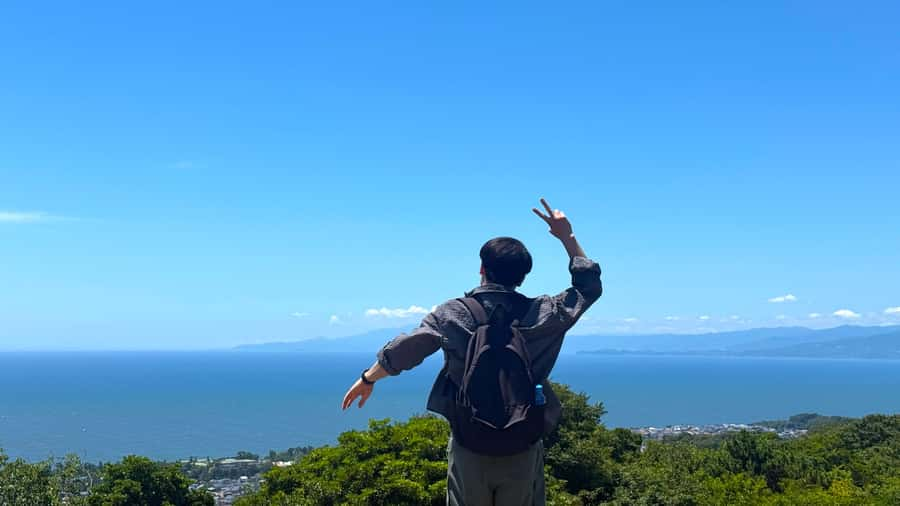
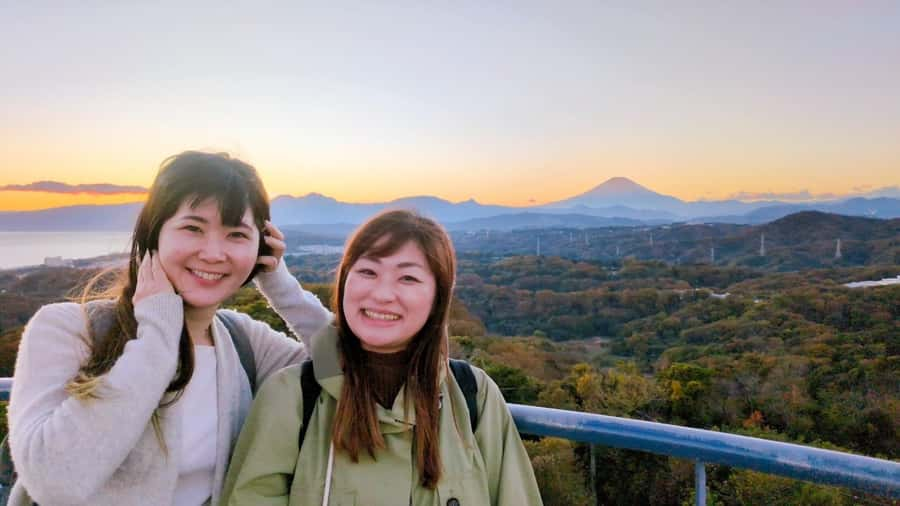
After Mt. Koma, you continue along the ridge aiming for Shonan-daira Observatory. This is the payoff stop for the day.
The viewpoint is famous for a 360° panoramic view and is listed as one of the well-known view spots for Mt. Fuji. On a clear day, you can see Sagami Bay, Mt. Oyama, and—if you’re lucky—Mt. Fuji.
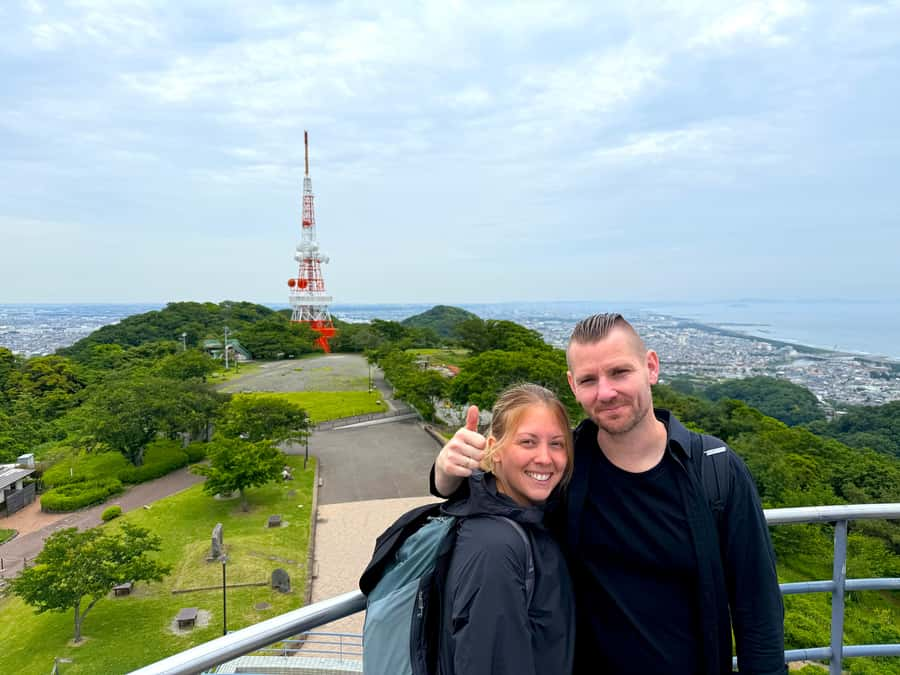
There’s also a photogenic tower area and art/object spots. That matters because it gives you more than one angle. You’re not stuck taking photos from the same single railing.
Two realities to plan for:
- Fuji visibility depends on weather. If clouds roll in, you won’t get a refund just because the sky didn’t cooperate.
- Heights aren’t optional in this part. If you’re afraid of heights or you get vertigo, this day is not a fit. The tour is not designed to accommodate that fear.
A helpful tip: wear long sleeves and long pants even if it feels warm at the start. The ridge air can be breezy, and sun + wind is a strange combo.
The way back: 7C tomb clusters and small-town scenery
Heading back to the foot town, you get more than just walking. You’ll find the 7C tomb clusters—described as the largest number of 7C tomb clusters in Japan—and you’ll see local Oiso scenery along the route.
This is a good moment to slow down. By the time you reach this section, you’ve already hiked and you’re ready for something mentally lighter. Tomb clusters can be fascinating if you like archaeology, but even if you don’t, they break up the day with variety.
Also, this return walk is a chance to catch townspeople rhythms. Oiso isn’t trying to entertain you every minute. It just keeps being itself.
Lunch in Oiso: let the guide do the hard part
Lunch is on your expense. Yuki recommends local restaurants, and the options can include sashimi, soba noodles, and local meat and vegetables.
One reason I think this lunch style works: Yuki isn’t just handing you a Google Maps link. She chooses a place that fits the day’s flow—so you don’t lose time searching while your legs are already tired.
From feedback, guests have been happy with the seafood and with a soba recommendation in particular. If you care about eating what locals actually eat here, this guide-led lunch approach is worth it.
Practical note: bring some cash or a card you’re confident will work, especially if the restaurant is family-run and doesn’t cater to tourists nonstop.
Meiji Memorial Garden and traditional villas with political-era stories
In the afternoon, you move into a calmer world: Meiji Memorial Garden. You’ll spend time inside, including traditional Japanese-style villas that were stayed in by famous politicians in the Meiji era.
This stop is about contrast. After ridge hikes and coastal views, gardens feel like a reset for your eyes and your pace. Shade helps too, because estate grounds can cool you down after sun and wind.
If you’re into Japanese modern history, you may recognize names connected to the Meiji and post-Meiji political world. One guest specifically referenced the residence connected to Yoshida Shigeru, which gives you an idea of the kinds of famous figures whose spaces you might encounter.
Even if you don’t know the historical names, you’ll still appreciate what these villas represent: Japan’s modernization era, shown through architecture, gardens, and how influential people lived.
Weather changes everything: rain plan and what gets cut
Japan weather can be unpredictable, and this tour plans for it. If rain comes (including rain from the day before), the trail can get slippery, so the tour may cut shrine and observatory visits as well as hiking.
In that case, you’ll spend the day in alternative indoor or sheltered options like other Japanese gardens, a local history museum, and shops.
So yes, you might lose the big open-air view. But you won’t get stuck with nothing to do. The goal stays the same: nature + history + Oiso culture, just in a safer format.
Price and value for a private 6-hour day
The price is $114 per group up to 6 for a 6-hour guided experience. That pricing model can be great value compared to paying per person, especially if you’re traveling with friends or family who enjoy walking and want a guide to stitch the day together.
Here’s what you’re actually buying:
- a governmental licensed English-speaking local guide (Yuki)
- a structured route through multiple major Oiso areas: port, shrine, ridge hiking, observatory, and Meiji garden
- time saved and confusion avoided, because Oiso’s best story connections are hard to piece together alone
Not included:
- lunch fee
- transportation fee
- checkroom
- tip
Bottom line: if you’re the type who likes guided context—why a shrine matters, what a viewpoint includes, and how Oiso became a seaside destination—this price is reasonable. If you’d rather wander at your own pace without paying for a guide, you might feel differently.
What to pack and what to wear on this Oiso hike
This tour is practical about gear. Bring hiking shoes and long pants. Long-sleeved shirts help with sun and wind on exposed ridge sections.
Avoid:
- sandals or flip-flops
- high heels
- short skirts or sleeveless shirts
- open-toed shoes
If you run cold easily, consider a light layer for the morning port section. If you run warm, bring water and wear breathable fabric—your comfort will decide whether you enjoy the ridge walking or just tolerate it.
Who should book this Mt. Fuji viewing hike—and who shouldn’t
This works best for people who:
- like nature plus history, not just one or the other
- want to escape the biggest crowds and see a quieter side of Kanagawa
- can handle a short hiking day and don’t mind being outdoors for much of it
It’s especially suited for:
- couples and small friend groups
- families with kids over 8 (as long as they can handle walking)
- active seniors who don’t need step-free routes
Not suitable for:
- kids under 8
- pregnant women
- mobility impairments, wheelchair users
- anyone with heart problems, respiratory issues, epilepsy, or who is currently sick
- people afraid of heights or with vertigo
- people over 75
- hearing-impaired or visually impaired people
- anyone who can’t handle basic trail conditions
In other words, if you’re chasing a view but you also need comfort and safety over all, this tour fits the right body types and not others. Don’t force it.
Should you book the Oiso adventure hike with Yuki?
If your dream day is coastal Japan plus a short hike plus real stories from a licensed local guide, I think you’ll love this. The best part is the structure: port morning vibes, shrine legend context, ridge walking for the view, then a relaxing finish in Meiji-era gardens.
You should book it if:
- you’re traveling with up to 5 others and want a cost-friendly private guide
- you want a Fuji chance without packing your day with major-city crowds
- you care about history details like Takaku Jinja and the Mt. Koma legend connection
Skip it if:
- you hate heights or you get vertigo
- you’re relying on Mt. Fuji being visible no matter what
- your day needs to be fully step-free or fully indoors
If you book with the weather reality in mind, this is a smart, story-rich way to spend six hours near Tokyo—without feeling like you’re just rushing between famous photos.
FAQ
Where do we meet for the tour?
You meet outside the ticket gate at JR Oiso Station.
How long is the tour?
The tour lasts about 6 hours.
Is lunch included?
No. Lunch is not included, and you’ll choose from local restaurants recommended by your guide. Lunch fee is on your expense.
Does the tour include transportation?
Transportation is not included.
What if Mt. Fuji isn’t visible?
Mt. Fuji may not be visible depending on weather, and there is no refund for that.
What happens if it rains?
If it rains, the trail can be slippery. The tour may cut visiting the shrine and observatory and may shorten hiking for safety, replacing it with other gardens, a local history museum, and shops.
What should I wear or bring for hiking?
Wear hiking shoes, and bring long-sleeved shirts and long pants. Avoid sandals, flip-flops, and open-toed shoes.