REVIEW · GRANADA
Hiking experience in the High Sierra Nevada National Park
Book on Viator →Operated by Sierra Nevada Guides · Bookable on Viator
Big climb, big Sierra air. This full-day hike from central Granada takes you deep into the Sierra Nevada Biosphere Reserve, up toward Tajos del Campanario with glacial valleys, high viewpoints, and wildlife chances. I love the way the day is built for real people: a small group (max 8), a guide who sets the pace, and plenty of stops along the way.
The other thing I really like is what you get for the money: private transport out of the city, an UIMLA mountain guide, and hiking poles plus warm clothing support for cold, windy sections. The only real catch is the high-altitude effort and rocky footing—plan for the climb starting around 2,500 m and pushing over 3,000 m, and don’t rely on slick soles if the trail gets wet or icy.
In This Review
- Key things I’d circle before you book
- Getting out of Granada with a 9:00 start and a private vehicle
- San Juan Valley: where glaciers carved the drama
- Posiciones del Veleta: a history stop with real high views
- The push to Tajos del Campanario and the North-Face panorama
- Gear and clothing: what you’ll get, and what you should bring anyway
- Safety, pacing, and the small-group vibe that keeps it fun
- Price value: what $71.35 covers (and what it doesn’t)
- When to go and what weather feels like at altitude
- Who this hike is best for (and who might struggle)
- Should you book this Sierra Nevada hike from Granada?
- FAQ
- Where do I meet for pickup in Granada?
- What time does the hike start?
- How long is the full-day hiking tour?
- How much elevation does the hike involve?
- How physically demanding is it?
- Is the tour offered in English?
- What’s included besides the hike itself?
- Are food and drinks included?
- Do I need hiking boots?
Key things I’d circle before you book
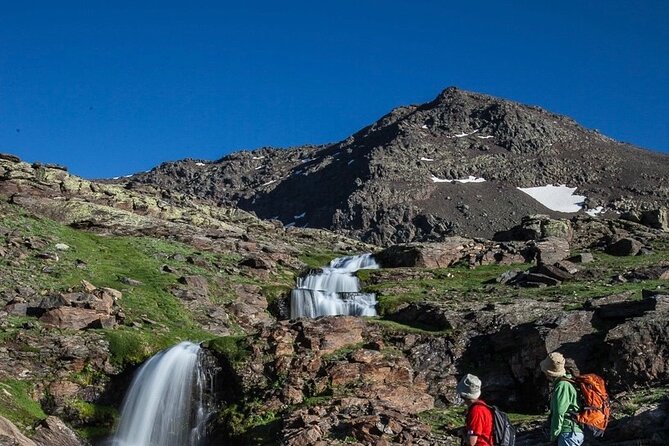
- Tajos del Campanario: the summit-style viewpoint over Mulhacén, Veleta, and Alcazaba
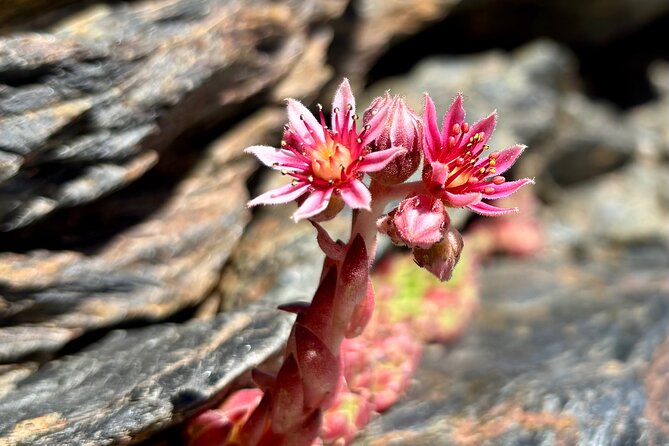
- UNESCO Sierra Nevada Biosphere Reserve: glacial scenery plus plants and wildlife that belong here
- Posiciones del Veleta stop: you’ll see Spanish Civil War fortifications from high ground
- Small group of up to 8: easier pacing, more question time, fewer bottlenecks
- Guide + gear support: UIMLA guide, plus warm clothes and hiking poles
- High Sierra conditions: snow patches and strong wind are possible, even outside peak winter
Getting out of Granada with a 9:00 start and a private vehicle
This hike begins in the city at Plaza de Mariana Pineda with pickup that starts around 9:00 am. You’ll ride out of Granada by private vehicle to reach the trail start near the top of the Sierra Nevada road, at about 2,500 meters (around 8,200 feet). The total day runs about 7 hours with hiking time and time back to town.
That drive matters more than you might expect. Going from hot city conditions to cool mountain air changes how you feel fast. One practical benefit of leaving early is that the climb still feels manageable before the afternoon glare and heat build up lower down.
Group size is capped at 8 people, which keeps the hike from turning into a shuffle. You’ll also get a more personal pace from your guide, including multiple brief stops so the group stays together without forcing everyone to suffer at the same rhythm.
You can also read our reviews of more tours and experiences in Granada.
San Juan Valley: where glaciers carved the drama
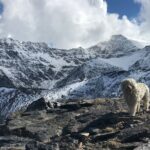
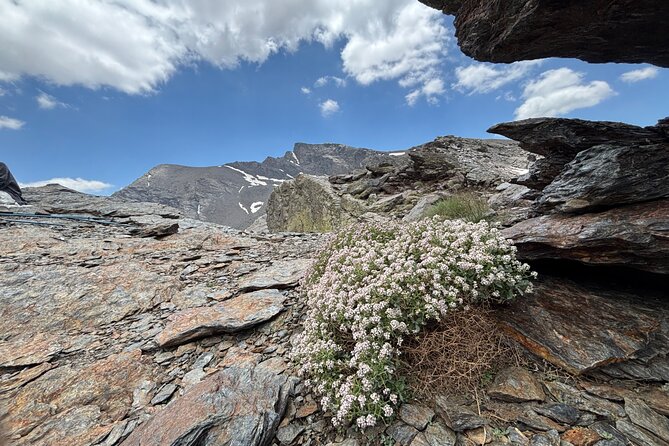
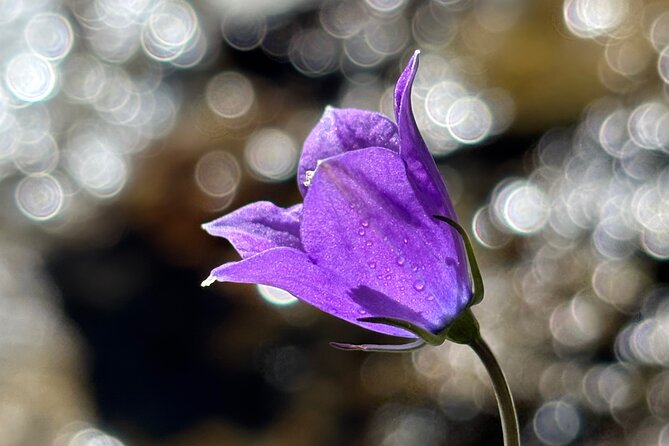
Once you start walking, the first big “wow” is the glacial Valley of San Juan. You’ll head along a scenic route with flowing water, wildflowers (when conditions are right), and the kind of rock features that remind you the mountains are still being shaped. The valley is famous for how ice has worked over time, carving and exposing the terrain in a way that’s harder to see on easier, lower trails.
This is also where wildlife watching can get real. The hike description includes chances to see mountain goats, eagles, and migratory birds passing through. Even if you don’t tick every animal off your list, you’ll likely notice more life here than in the paved world around Granada—especially insects and plants that are specific to this region.
One downside to glacial valleys is that the trail can feel uneven. Even though you’re allowed to hike in trainers/sneakers, many people find that rocky sections can get slippery. If you’re prone to foot fatigue, ankle-support shoes are a smart move.
Posiciones del Veleta: a history stop with real high views
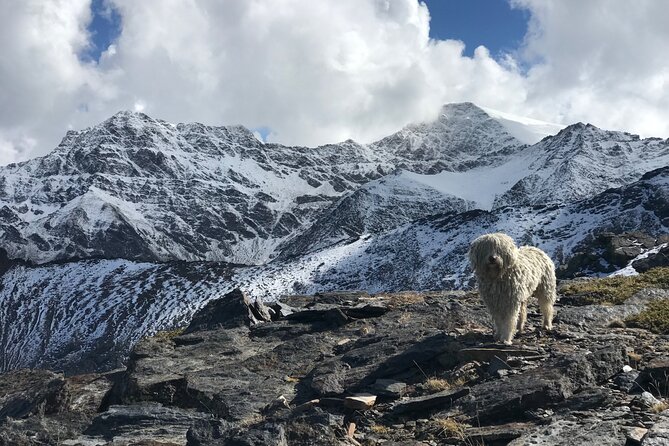
Midway through the hike, you’ll reach Posiciones del Veleta, a stop built around both scenery and history. Fortifications were constructed here during the Spanish Civil War, and standing in that spot gives you a sense of why people wanted control of high ground.
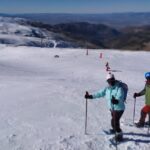
The view is the payoff. From Posiciones del Veleta you look out across the northern face of the Sierra Nevada, with year-round snowfields possible depending on the season. This isn’t just a photo stop. It’s a moment where the hike makes geographic sense: you can understand how peaks, ridgelines, and snow patches fit together.
If you get wind or cold at altitude, this is also a good place to slow down. The guide’s job includes pacing and breaks, so you can catch your breath without feeling like you’re holding the group back.
The push to Tajos del Campanario and the North-Face panorama
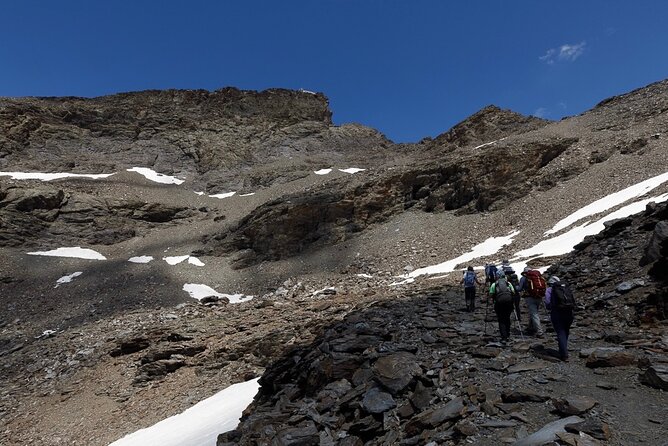
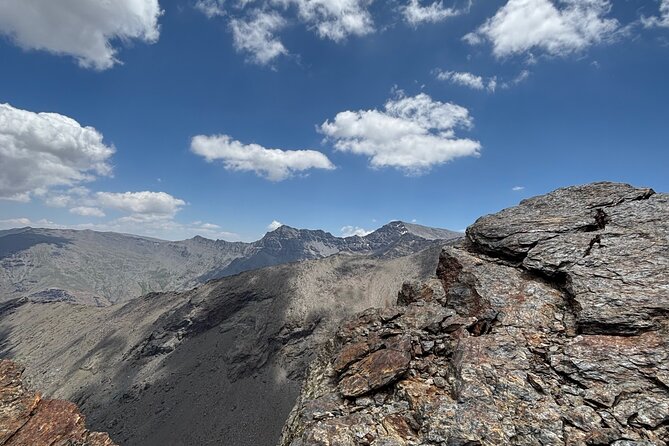
The main climb is going for the top of Tajos del Campanario, after gaining more than 10,000 feet (about 3,000 m) according to the route description. That’s the part of the day that asks for basic cardio fitness, not technical climbing skills.
What you’re working toward is a payoff view across the north side of several major Sierra peaks. From Tajos del Campanario, you’re positioned to see the north faces of Mulhacén, Veleta, and Alcazaba. On clear days, the contrast between dark rock and lingering snowfields can be striking—especially if the upper slopes still hold winter patches while lower areas are green.
Pacing makes a huge difference here. Your guide establishes the pace for the group and takes breaks. Several places are also described as good spots to wait if you’re tired and want the rest of the group to continue forward. That’s a welcome option because the last stretch can feel steep, even when it’s “just hiking.”
Gear and clothing: what you’ll get, and what you should bring anyway
This tour provides hiking poles and can provide warm clothes for guests. That’s helpful because Sierra Nevada weather can shift quickly. You might start the day in light layers and then find that wind at altitude has teeth.
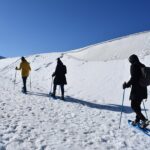
The practical advice I’d give is to dress like you’re expecting cold air, even if Granada is warm. Bring sunscreen and a hat, and plan for a light wind layer you can add or remove fast. If the trail holds snow, gloves can become more than a luxury—some people have needed extra hand protection on snow-present days.
Footwear is the big variable. The tour info says sneakers/trainers are okay, but the terrain is often rocky and can get slippery. If you have hiking shoes with solid grip and ankle support, that’s the safer bet. If you’re traveling light and going with sneakers, I’d still choose the most grippy pair you own and avoid worn-out soles.
Food and drinks are not included. Since you’ll be out most of the day, pack what you need for lunch and snacks, especially if you want a real break at higher elevations.
Safety, pacing, and the small-group vibe that keeps it fun
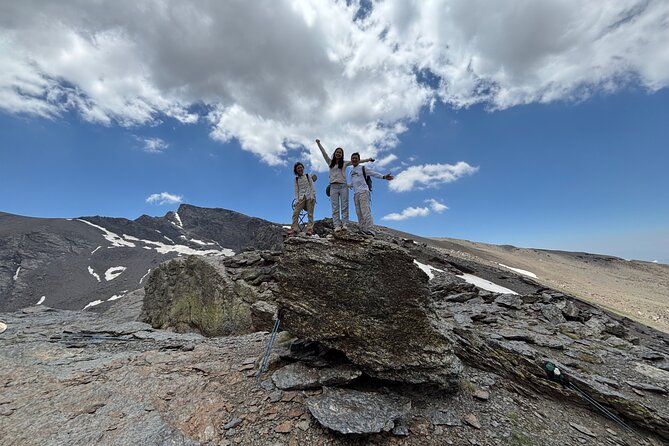
The experience is led by a UIMLA mountain guide with assistance and liability insurance. In plain terms: you’ll have someone who knows how to read conditions and manage a group on steep, high ground.
This tour’s pacing style shows up again and again in how people describe the hike: the guide adjusts to the group, stops often enough to keep everyone steady, and doesn’t rush you into suffering. You’re not just marched up a hill. You’re guided, with time to look at flora, fauna, and geological features.
One charming detail from past days is that some guides have their dog along (for example, Jaime has been noted with his dog Kai). That can turn tense stretches into a more relaxed, human-feeling day.
Still, do treat it as a serious hike. The air is thinner at altitude, and “moderate physical fitness” is a real requirement here. If you can run or cycle regularly, you’ll likely enjoy this more than you might expect—because the climb becomes a challenge you can handle, not an ordeal.
Price value: what $71.35 covers (and what it doesn’t)
At $71.35 per person, this isn’t a “cheap and cheerful” hike. It’s closer to value pricing for what’s included.
You’re getting:
- Private transport out of central Granada and back
- An UIMLA guide with insurance coverage
- Hiking poles
- Warm clothes support
- A small group size (max 8)
What you’re not getting is food and drinks. That’s the part you’ll need to budget for yourself. The good news is you can keep it simple: a sandwich or snack you like, a couple of small energy items, and enough water for the day.
So is it worth it? If you’re comparing it to solo transport plus a paid guide plus gear help, the price stacks up. It’s also a good bargain for people who want to get out of Granada without dealing with public buses, trail routing, and the guesswork of high mountain timing.
When to go and what weather feels like at altitude
The hike runs in the high Sierra Nevada, and conditions can swing. The tour requires good weather. If conditions are poor, you’ll be offered a different date or a full refund.
Even when the weather is good, expect a different feel at altitude. Some people report starting in city heat and finding the mountain air much cooler. Others mention snow present on upper slopes and windy conditions higher up.
My rule: pack for variation. A light jacket, hat, sunscreen, and a windproof layer are more useful than “one perfect outfit.” And if you tend to get cold easily, plan for gloves.
If you’re the type who checks the forecast constantly, this is the kind of hike where that habit pays off. You’re going from low to high quickly, and the Sierra can surprise you.
Who this hike is best for (and who might struggle)
This tour fits best if you:
- Work out regularly (running, cycling, swimming, tennis style fitness)
- Are comfortable with a long day and a steady uphill effort
- Prefer a guided route where pacing is adjusted to your level
The tour info also calls for moderate physical fitness. That usually means you shouldn’t expect a casual walk. Reviews and the route profile point toward a steep climb with altitude, even if the trail isn’t technical rock-scramble climbing.
Who might struggle? If you don’t do much cardio and you’re not used to elevation, the last part can feel like a lot. One big tip for reducing stress: bring enough water and food to keep energy steady, and let the guide know early if you need a slower pace. There are described waiting spots to keep you from feeling stranded.
Should you book this Sierra Nevada hike from Granada?
I’d book it if you want a full-day High Sierra Nevada hike that’s more than a viewpoint stroll. The combination of a glacial valley (San Juan), history at Posiciones del Veleta, and summit-style views toward Mulhacén, Veleta, and Alcazaba is a solid mix: scenery, nature, and a high-altitude payoff.
You should probably pass or plan carefully if you’re expecting easy hiking or if your footwear isn’t ready for rocky, potentially slippery conditions. The tour can feel demanding because it starts around 2,500 m and climbs higher, with thin air and possible snow patches in season.
If you’re reasonably fit and you pack for cold wind and high ground, this is a strong value day in the Sierra.
FAQ
Where do I meet for pickup in Granada?
You meet at Plaza de Mariana Pineda (Pl. de Mariana Pineda, Centro, 18009 Granada, Spain). The tour ends back at this same meeting point.
What time does the hike start?
The start time is 9:00 am.
How long is the full-day hiking tour?
The duration is about 7 hours.
How much elevation does the hike involve?
The route starts around 2,500 meters (about 8,200 feet) and you gain more than 3,000 meters (about 10,000 feet) to reach the top of Tajos del Campanario.
How physically demanding is it?
It’s aimed at travelers with moderate physical fitness. You’ll be hiking uphill for part of the day, and altitude means you may need breaks.
Is the tour offered in English?
Yes, it’s offered in English.
What’s included besides the hike itself?
Included are transport by private vehicle, a UIMLA mountain guide, assistance and liability insurance, warm clothes support, and hiking poles. The group is small, up to 8 people.
Are food and drinks included?
No. Food and drinks are not included unless specified.
Do I need hiking boots?
Sneakers or trainers are allowed. That said, the terrain can be rocky and can get slippery, so bring footwear with good grip and support if you can.