REVIEW · GISENYI
Mount Kabuye Hiking
Book on Viator →Operated by Beyond the Gorillas Experience · Bookable on Viator
Lakes first, then a real mountain. I like the Lake Burera and Lake Ruhondo panoramas and the way a good local guide makes the hike feel tied to real life, including a stop at Mushubi primary school. One thing to consider: you’ll earn those views with a steady climb and a solid 2.5-hour ascent plus a 2-hour descent.
After breakfast, you drive to Gakenke District and spend the day outside with a small, private group. I also like the practical side—bottled water, snacks, and coffee or tea are included—plus a mobile ticket for smoother check-in. If you want to camp on top of Kabuye, plan ahead, since that needs earlier booking than the standard day hike.
In This Review
- Key Highlights at a Glance
- A Good Day Trip From Rwanda’s City Base
- Getting Set for the Hike in Gakenke District
- The Climb: 2.5 Hours Up, 2 Hours Down (and What That Means)
- Stop for the Views: Lake Burera and Lake Ruhondo
- Mushubi Primary School: A Pause That Makes the Hike Matter
- Local Guide Energy: Theophile and Justin as Examples
- Food, Water, and the Little Comforts That Keep You Going
- Summit View and the Real Payoff
- Camping on Top of Kabuye: Worth It, With Planning
- Price and Value: Why $120 Feels Fair Here
- Who This Mount Kabuye Hike Is Best For
- Should You Book Mount Kabuye With Beyond the Gorillas Experience?
- FAQ
- How long is the Mount Kabuye hiking experience?
- Where does the tour start?
- What’s included in the price?
- Is alcohol included?
- Is camping on top of Mount Kabuye available?
- What should I know about the group and tickets?
Key Highlights at a Glance
- Burera and Ruhondo views that make the effort feel instant once you reach the viewpoints
- Mushubi primary school stop for a human, respectful pause during the climb
- Local guide-led storytelling about education, culture, and village farming life
- A hike paced for most travelers with a clear up/down timing and breaks built in
- Camping on the summit (optional), but it requires earlier planning than you might expect
A Good Day Trip From Rwanda’s City Base
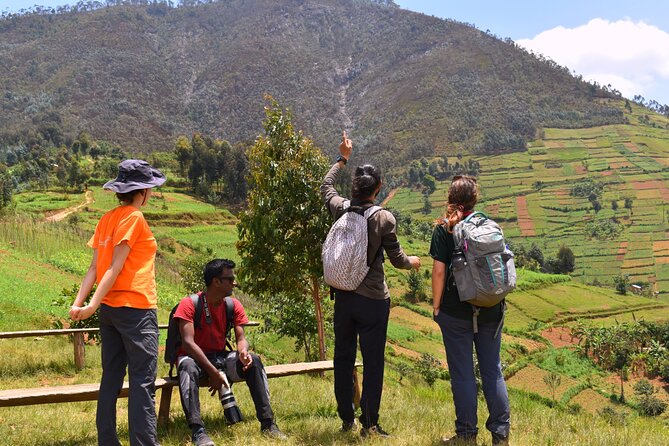
This hike sits in a sweet spot for people based in Kigali who want something outdoors without losing the whole day to logistics. It’s priced at $120 per person and runs about 7 to 8 hours total, so you get time in the mountains plus the drive. The schedule also helps you avoid the hardest heat on the trail since the hike starts early in the morning.
What makes this outing especially worthwhile is that it isn’t only about the summit. You’re moving through viewpoints tied to Burera and Ruhondo, plus you get the chance to see everyday rural life while you’re hiking. That mix is why it works so well for first-time visitors who want more than a workout.
Getting Set for the Hike in Gakenke District
The meeting point is Gakenke district HQ on the Kigali–Ruhengeri Rd (Nyarutovu, Rwanda). It’s the sort of start that feels easy to plug into a day already planned around Rwanda’s northern side. The tour is private, so you’re not sharing the path with strangers in a bigger group.
One small “double-check” item: the provided start time shows 12:00 am, but the description clearly says the hike starts early in the morning after breakfast. That mismatch is exactly the kind of thing you should clarify when you confirm. Send a message or ask your provider to confirm your real pickup time, especially if you’re coordinating with flights, another tour, or a hotel breakfast schedule.
Also, you’re given a mobile ticket. That’s a small detail, but it usually means fewer headaches when you arrive at the start point. Service animals are allowed, and the activity is near public transportation, so you’re not trapped if you’re adjusting plans last minute.
The Climb: 2.5 Hours Up, 2 Hours Down (and What That Means)
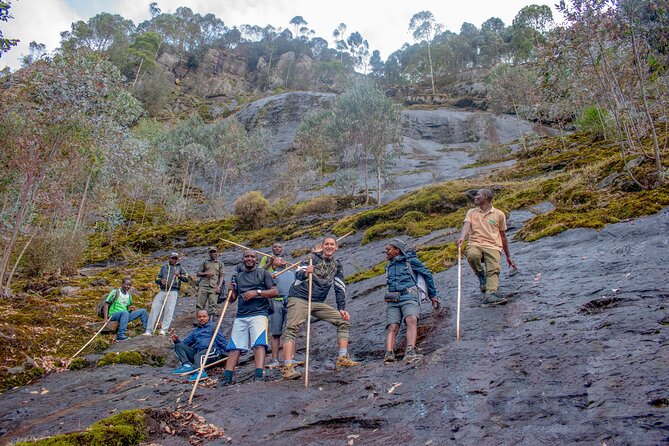
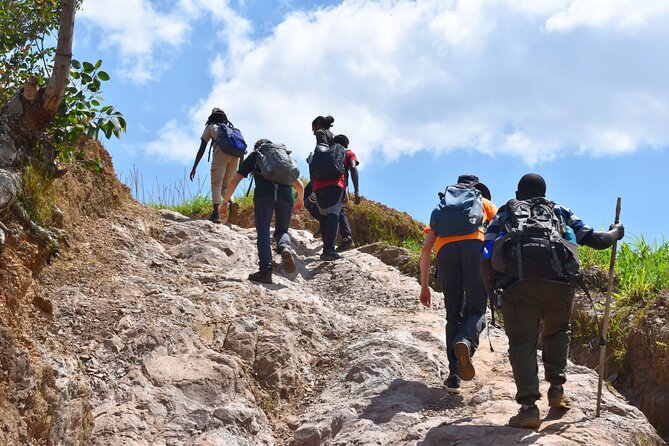
The hike timing is straightforward: about 2.5 hours to reach the top and about 2 hours slopping down. That means you can gauge your effort fast. It’s not described as a technical climb—more like a sustained hike with a real payoff at the summit.
Here’s what you’ll likely notice as you go:
- You’ll be walking long enough to feel your legs, but not so long that you’re scrambling all day.
- The descent is just as important as the ascent. Two hours “slopping down” can be rough on knees if you rush it or if your footwear isn’t grippy.
If you’re the type who likes a calm pace and steady stops, this climb should fit. If you’re dealing with mobility limits, you should be honest with yourself about the downhill portion. It’s the part that quietly matters most.
Stop for the Views: Lake Burera and Lake Ruhondo
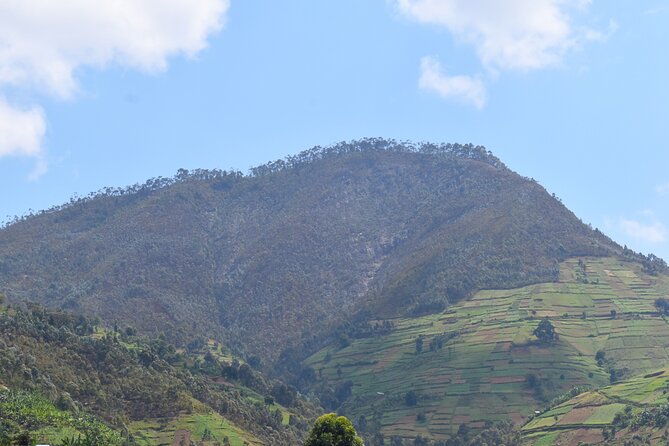
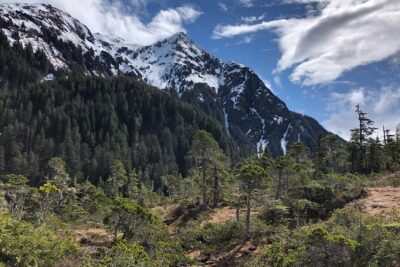
One of the best parts of the day is the early focus on the lakes. You don’t hike in a “nothing but trail” way. You’re working toward panoramic views connected to Lake Burera and Lake Ruhondo, with rolling hills and open scenery along the way.
In practical terms, this matters because you’ll get visual breaks while you’re still climbing. Instead of only thinking about the summit, you can keep checking your surroundings—especially when the path opens up toward the viewpoints. It also helps with motivation on days when you don’t feel like pushing hard.
The route description also points to magical caves as part of the experience around this area. The caves aren’t described in detail here, so I’d treat them as something you might notice from the trail viewpoints and local stops rather than a guaranteed long cave exploration. Still, the fact that caves show up in the story tells you this isn’t just flat farmland scenery.
Mushubi Primary School: A Pause That Makes the Hike Matter
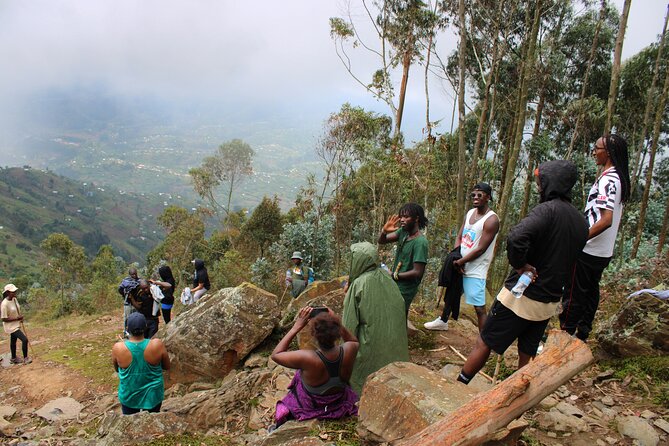
You stop at Mushubi primary school before you reach the true top of the hill. That pause is more than a photo break. It changes the vibe of the hike from exercise-only into a trip with human context.
This is also where the guide quality really shows. Local guides on this hike are praised for being talkative and supportive, sharing information about education, culture, and agriculture. You can expect the kind of explanations that make the area feel less like a background and more like a living place.
If you visit a school during travel, keep it simple and respectful: follow the guide’s lead, stay aware of quiet moments, and don’t turn it into a spectacle. The payoff here is understanding how the route connects to local life, not just how far you walked.
Local Guide Energy: Theophile and Justin as Examples
BGE provides a local guide, and the guide is often the difference between a hike you forget and a hike you remember. In the feedback you can see a pattern: guides are supportive, and they bring context—education, culture, agriculture, and daily life.
Two guide names that come up are Theophile BGE and Justin. If you get either of them, you should expect an upbeat pace, clear explanations, and helpful trail guidance. Even if you don’t get a guide with the same name, the key is the approach: the guide should help you connect the dots as you walk.
Food, Water, and the Little Comforts That Keep You Going
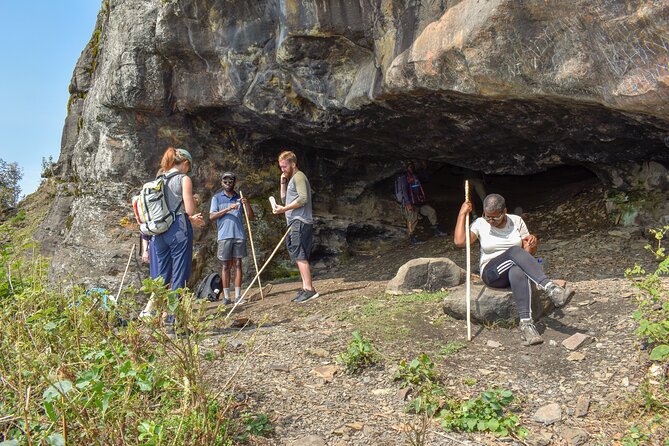
This is where the trip feels well-run. Bottled water, snacks, and coffee and/or tea are included. That’s a big deal on a hike because you don’t want to burn energy on logistics.
Here’s how I’d think about it as a value shopper:
- You’re paying $120 for the full experience, and the included snacks/drinks reduce what you need to carry.
- The “all fees and taxes” coverage means fewer surprise add-ons.
- Coffee or tea is the kind of included comfort that makes the day feel cared for, especially on cool mornings.
Alcoholic beverages aren’t included. So if you’re thinking of a celebratory drink after the hike, plan that separately.
One more practical note: one review specifically highlights food being good, and another mentions the option to arrange meals prepared at the top (through the provider if needed). That suggests meals can be more than an afterthought—especially if you’re considering the camping version.
Summit View and the Real Payoff
The top is where you cash in the effort. The focus is panoramic views on Burera and Ruhondo lakes. After climbing, stopping for the school visit, and taking in the caves and rural scenery, the summit view becomes a moment that feels earned, not rushed.
This is also why a 7 to 8 hour day makes sense. You’re not sprinting from viewpoint to viewpoint. You’re hiking up, taking the cultural stop, then coming down—so the view isn’t only a quick glance.
If you like photography, bring a plan: take a few wide shots for the lakes, then switch to details (faces, stone, cave openings, local paths). That’s usually more rewarding than just taking the same skyline photo over and over.
Camping on Top of Kabuye: Worth It, With Planning
Camping is an option, but the info here is clear: if you want to camp on top of Kabuye, you need to book earlier so the team can prepare. That’s important because camping requires more than just a backpack.
From a decision point of view, camping tends to suit people who:
- Want more than a single-day view
- Like early-morning and evening atmosphere
- Don’t mind carrying or relying on the provider for setup details
If you’re doing the day hike only, you’ll still get lake panoramas and a strong sense of place without the overnight commitment. But if you’re hoping for the “stay up there and watch the light change” experience, start the planning early.
Price and Value: Why $120 Feels Fair Here
At $120 per person, you’re not just paying for a hike. You’re paying for:
- Local guiding through BGE
- Bottled water, snacks, and coffee/tea
- All fees and taxes
- A private group experience
For Rwanda, that can feel like good value if you compare it to the cost of piecing together transport, guides, and entrance-style fees on your own. Also, the private format matters. Even on a moderate hike, splitting attention among a larger group can reduce how much you learn. Here, the guide can focus on your pace and questions.
The one caution is that camping may not be included in the base price. The information provided says you can camp but that it needs earlier booking; it doesn’t spell out exactly what’s bundled in the $120 rate for every option. So if camping is your goal, confirm what your selected package includes.
Who This Mount Kabuye Hike Is Best For
You’ll likely enjoy this hike if you want:
- A moderate, guided hike with clear time estimates
- Scenic lake viewpoints tied to the story of the area
- A respectful stop at Mushubi primary school
- A guide who explains the local way of life, not just the route
It’s also a nice fit for people returning for a second time. One set of feedback talks about repeating the hike to show Rwanda’s beauty to a visiting friend, which says a lot about how memorable the views and organization can be.
If you dislike early starts, this might test you. And if you struggle with downhill travel, take the descent seriously. Two hours down is where you’ll feel it most.
Should You Book Mount Kabuye With Beyond the Gorillas Experience?
I think you should book if you want a hike that feels organized, human, and scenic. The strong themes here are great guiding, good food, and a day that blends views with culture and education. If you’re spending time around Rwanda and you want one solid mountain day without turning it into a DIY project, this is a strong choice.
I’d hesitate only if:
- You have knee issues or limited ability on descents
- You need a guaranteed exact pickup time and you’re not willing to confirm early-morning logistics
- You’re unsure whether camping is included in the rate you’re paying
If you do book, ask one simple question before you go: confirm the real pickup time and what your package includes if you’re considering summit camping. Then pack comfortable shoes, plan for a steady climb, and get ready for lake views that make the day feel worth every step.
FAQ
How long is the Mount Kabuye hiking experience?
The hike is approximately 7 to 8 hours total. The climb to the top takes about 2.5 hours and the slope down takes about 2 hours.
Where does the tour start?
The meeting point is Gakenke district HQ9R23+G32, Kigali – Ruhengeri Rd, Nyarutovu, Rwanda. The activity ends back at the same meeting point.
What’s included in the price?
The price includes bottled water, snacks, coffee and/or tea, and all fees and taxes.
Is alcohol included?
No. Alcoholic beverages are not included.
Is camping on top of Mount Kabuye available?
Camping on top of Kabuye is possible, but you need to book earlier for better preparation.
What should I know about the group and tickets?
It’s a private tour/activity, so only your group participates. You’ll receive a mobile ticket, and confirmation is received at booking.