REVIEW · THESSALONIKI
Mount Olympus Hiking Experience – Trekking in Greece
Book on Viator →Operated by Greek Adventure · Bookable on Viator
Mt. Olympus gives you a real workout. This 2-day trek starts in Litochoro, with an English-speaking guide shaping your pace and safety on steep ground, and an overnight on the Moussa Plateau refuges so you get real mountain time, not just photos. The one catch: the plan is weather- and health-dependent, so your guide may change the route or decide not to push Mytikas.
I like that it is structured like a true hike, with long walking days (about 7–8 hours on day 1 and 8–9 hours on day 2). It is also capped at a max of 40 travelers, which helps the group stay manageable. You should also expect a hands-on packing list and some refuge living basics.
One more practical thing: meals are not automatically included, unless you add them. In one recent run of this style of trip, people found the refuges sold food and drinks on-site, but water still required cash even with a full-board add-on, so plan to carry some money.
In This Review
- Key highlights to know before you lace up
- Entering Olympus the smart way from Litochoro
- Day 1: Gortsia to the Petrostruga shelter and on to the Moussa Plateau night
- Day 2: The Mytikas summit option, altitude caution, and the return via Prionia
- Refuge accommodation: what you really get on Olympus nights
- Guides, safety culture, and why pace feels under control
- What to pack for this 2-day climb (so you stay warm, dry, and mobile)
- Meals and add-ons: how to choose between no meals, half-board, and full-board
- Price and value: what your $433 really pays for
- Who this trek fits best (and who should think twice)
- Should you book the Mt. Olympus 2-day trek?
- FAQ
- How long is the hike on each day?
- Where do we meet, and where does the tour end?
- What is included in the price?
- Are meals included?
- Will we always reach the top of Mytikas?
- Do I need my own sleeping bag liner?
Key highlights to know before you lace up
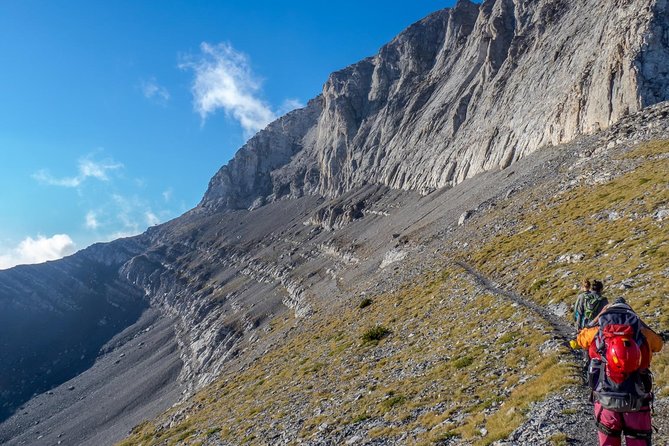
- Refuge overnight on the Moussa Plateau after a day of steady altitude gain
- Mytikas summit is not guaranteed; the guide decides based on weather and participants
- Transfers Litochoro ↔ Gortsia ↔ Litochoro are included, so you are not planning taxis
- English-speaking Greek Adventure guides focused on safety and encouragement
- Long walking days with big elevation changes, so your shoes and stamina matter
Entering Olympus the smart way from Litochoro
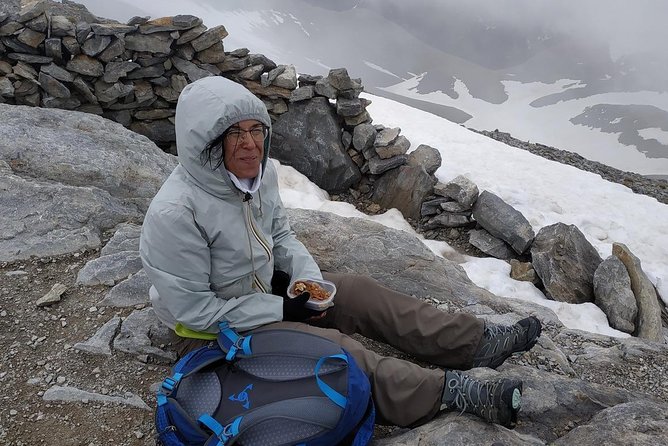
If you want the real Mt. Olympus experience, you need more than a bus ride and a viewpoint. This trek runs you from Litochoro up into the Olympus core, using refuges as your base. That means you spend the nights at mountain altitude instead of commuting back down.
You also start with a shared route plan, then let the mountain set the pace. On day 1 you’ll climb from about 1,123m toward the Petrostruga shelter area, then continue onward to the Moussa Plateau for the overnight. On day 2 you go for the Mytikas summit option, then descend back toward Prionia and ride down to Litochoro.
This is not an easy stroll. Day 1 is roughly 7–8 hours with ascent about 1,609m, and day 2 is another 8–9 hours, with the added factor of altitude. If you feel good at the start, don’t assume it will stay easy near the top. Build confidence early, then keep it steady.
Day 1: Gortsia to the Petrostruga shelter and on to the Moussa Plateau night
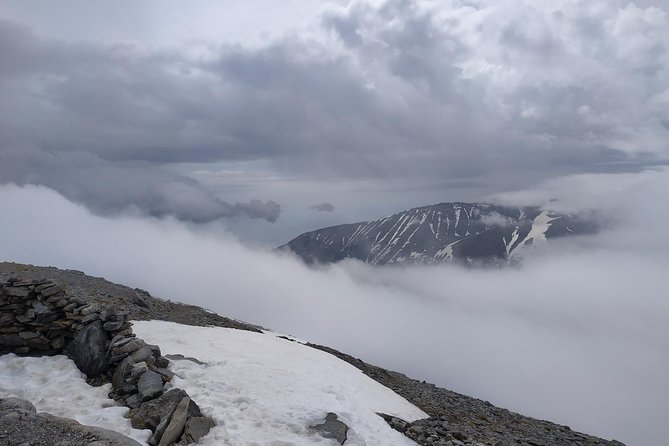
Day 1 begins with a meeting in Litochoro, then a drive to Gortsias at 1,123m. From there, you follow one of Olympus’ classic, straightforward routes. In practical terms, this is a good first day because you can settle into rhythm: climb, pause, climb again.
You’ll hike for about 2.5 hours through places known on this route, passing points like Barba, Koka, and Strangos. Expect the terrain to feel relentlessly uphill at times, but the route is readable and you’re given time to breathe. The first big payoff is reaching the Petrostruga shelter at around 1,940m for a short stop.
From Petrostruga, you keep going up toward Skourta (2,476m) and Laimos, then reach the Pass of Iossos. This is where the route starts to feel special in a very tangible way: you’ll be looking out over the plateau area people call the plateau of the Muses. Whether you take that legend literally or not, the visual shift is real. The mountain opens into a higher, more exposed zone, and you understand why people keep returning to Olympus.
At the intersection afterward, your group turns toward the shelter of G. Apostolidis. This is your overnight stop on the Moussa Plateau. That night matters. It’s not just a bed; it’s altitude exposure, starry skies potential, and time to reset before the summit day.
What could slow you down on day 1? The combination of total walking time and the big ascent. Even strong hikers can lose speed if they go too hard early. The guides’ job here is pace control—so if you get told to slow down, take it as good advice, not a challenge.
Day 2: The Mytikas summit option, altitude caution, and the return via Prionia
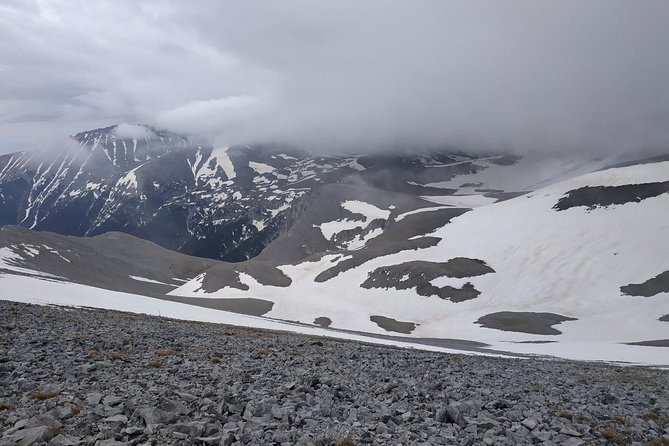
Day 2 starts early. After breakfast, you head for the top of Mytikas (2,918m), the highest mountain in Greece. This is the day that turns the trek from challenging to unforgettable.
The climb to the summit requires extra effort, and altitude is the real boss. The plan includes safety equipment, and you’ll be hiking in a guided group that watches you as much as the trail. If you feel lightheaded, stop, breathe, and tell the guide. The whole point of going guided is that nobody has to guess alone.
Reaching the top includes the simple, satisfying details: you’ll sign the visitor’s book and then take in the view—both the Olympus peaks and the Olympic coast. This part is why many people book. From up there, you get scale. Olympus stops being a mountain name and becomes a whole system of ridges and valleys.
After the summit moment (or after the day’s chosen turnaround point, if the guide adjusts), you descend toward Spilios Agapitos refuge. There’s a short stop there to regroup, then you continue down along the route to Prionia, where the car waits to bring you back to Litochoro.
One key detail affects your expectations: the decision to climb to the peak of Mytikas depends on the guide. Weather and your physical condition matter, and if there’s snow, the ascent to Mytikas is not possible. That does not make the day smaller—it makes it safer, and safety is the whole point.
Refuge accommodation: what you really get on Olympus nights
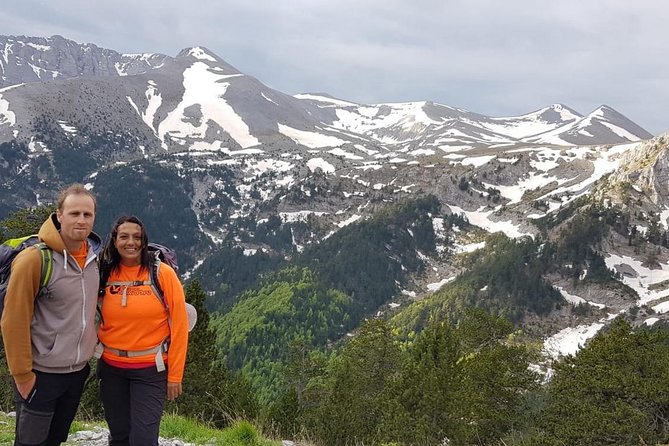
This trek includes accommodation in refuges on Mt. Olympus. You are not in a hotel, and you should not expect hotel comforts. You’re sleeping in mountain shelters where the focus is getting hikers through the night at altitude.
The basics are covered: you’ll have a place to sleep, and you should also bring a sheet sleeping bag or a similar liner solution (like a duvet cover). Blankets are available, but if you run cold, plan to protect yourself with your own liner.
Refuge nights also shape your day mentally. You will likely feel more tired than you expect by late afternoon, and then you’ll need to eat, hydrate, and sleep with altitude in mind. That is why the pacing on day 1 matters so much. If you burn yourself out early, you’ll feel it when the summit day arrives.
One more practical note from real-world experience in this region: refuges sell food and drinks, so you may find the on-site options are the most convenient. In at least one case, water still required cash even when a full-board package was chosen. So bring some flexibility in your payment plan.
Guides, safety culture, and why pace feels under control
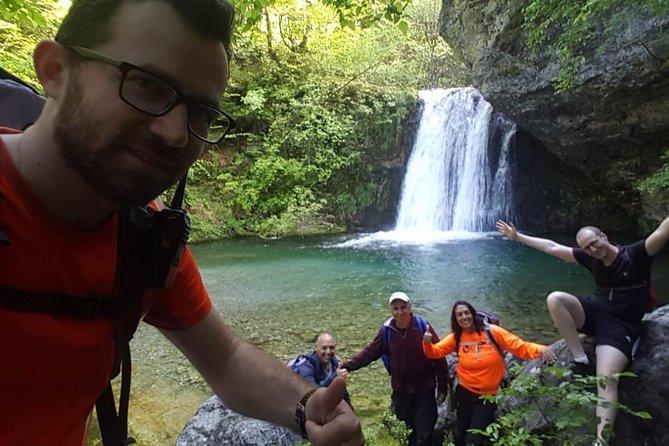
This is a guided trek run by Greek Adventure with English-speaking guides. The company name comes up again and again in feedback for a reason: the guides make logistics feel simpler and safety feel real.
The most praised element in feedback is the combination of professionalism and encouragement. Guides named in reviews—Adam, Sotiris, Giannis, Thanos, Stelios, Christos, John, and Iraklis—are described as fast to respond, strong with planning, and focused on comfort and safety. That matters because Olympus can be emotionally tricky: you might feel capable one hour and drained the next.
Guides also adjust for your group. One review-style detail that rings true on mountains in general is the flexibility to match pace, even when someone isn’t feeling well. That’s not a gimmick; it’s smart group leadership.
The biggest safety call is the Mytikas decision. Your guide keeps the authority to decide whether the summit climb makes sense based on abilities and weather conditions. If snow shows up, Mytikas ascent becomes impossible. If clouds roll in or conditions shift, expect a weather-aware change.
So if you book this, do it with the mindset that you’re hiking with a plan, not chasing a guarantee. You’ll still get a major Olympus experience either way.
What to pack for this 2-day climb (so you stay warm, dry, and mobile)
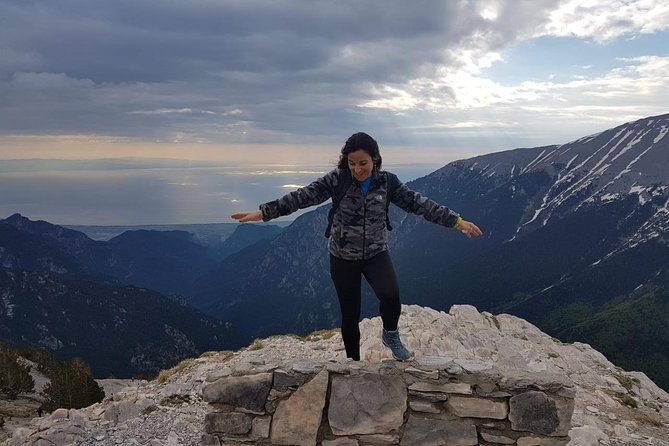
Your packing list is not optional here. You’ll carry what you bring across both days’ walks and deal with exposure at altitude. I suggest you treat this like an equipment-driven hike: shoes first, weather gear second, comfort last.
Start with footwear: sturdy, well-worn trekking shoes. Avoid brand-new boots unless you like surprise blisters. Next, bring the right bag system: a large, comfortable rucksack in the 40–50 liter range, with padded straps and a waist belt, ideally with an internal frame. A waterproof liner is strongly recommended so clothing stays dry.
Weather gear is critical because Olympus can change fast. Bring a warm, waterproof top with a hood for wind and rain. Pack warm layers for cold daytime conditions and cool evenings—fleece tops work well. Even in summer, nights at altitude can feel cold.
Bring sun protection because you’ll be exposed: sunglasses, a sun hat or cap, and sun block. Wear shorts and long trousers suitable for walking, preferably quick-drying materials (cotton or polycotton, not denim). Also pack at least one long-sleeve shirt for sun and comfort.
Other useful items on the provided checklist:
- a water bottle (and plan to stay hydrated)
- a head torch (or torch), especially helpful around refuge areas
- walking sticks if you use them
- a small wash bag and simple first aid kit (plasters or blister kit, antiseptic, and basics like aspirin if you use it)
- a penknife
- a towel
- a simple first-night sleep setup via a sheet sleeping bag (since blankets are available)
And for comfort, bring light but complete layers. If your bag feels too heavy before you even start, it will feel worse once you climb.
Meals and add-ons: how to choose between no meals, half-board, and full-board
Meals are not included by default. You have three main options:
- No meals included in the base price (you handle your own food and drink)
- Full-board supplement: 55€ per person, includes 1 breakfast, 2 lunch packs, and 1 dinner
- Half-board supplement: 25€ per person, includes 1 breakfast and 1 dinner
If you want the least thinking, full-board is the simplest. You have breakfasts, lunch packs for the walking day, and dinner back in the refuge. Half-board is a middle path: you’re covered for breakfast and one evening meal, then you manage lunch or other snack needs.
In at least one real trip experience, people found refuges sell food and drink directly, so it can make sense to compare the on-site options. The bigger warning is this: water may still be a cash purchase even with a full-board choice, depending on how things are set up at the refuge. So don’t assume the package covers every sip.
Price and value: what your $433 really pays for
At $433.06 per person for about two days, the value comes from what’s bundled rather than from a low sticker price. You’re paying for:
- refuge accommodation (so you’re not hunting lodging)
- an English-speaking guide and safety support
- transfer service between Litochoro and the trail access points (and back)
- all taxes
What you are not paying for includes meals, drinks, and transport from Athens or other towns to and from Litochoro. That means your total trip cost depends on where you’re traveling from and whether you choose meal add-ons.
I like this pricing structure because it reduces the most annoying parts: getting to the start, staying at altitude, and getting guided on the hardest portion. The trek itself still requires your effort, gear, and stamina. This price buys the mountain framework around your hike.
If you’re booking from Thessaloniki or planning local connections, double-check how you’ll get to Litochoro. The trek starts and ends at Enipeos 1 in Litochoro, and it ends back at the meeting point.
Also, this kind of trip books ahead. It averages 42 days in advance, so I’d plan your dates early rather than hoping for last-minute space.
Who this trek fits best (and who should think twice)
This hike is meant for people with moderate physical fitness. You’ll do long days, major ascent, and you must carry everything you bring on the walks. If you have limited hiking stamina, you’ll likely struggle on day 1 and feel it on day 2.
You should strongly consider this trek if you:
- want a guided Olympus experience with refuge nights
- can handle 7–9 hour hiking days and big elevation gain
- are comfortable with altitude risk and the idea that the Mytikas summit may be adjusted or skipped
- prefer a structured route with safety equipment and professional leadership
It may not be a good match if you:
- don’t have solid hiking shoes and basic trekking readiness
- feel unsure about altitude and medical symptoms
- want guaranteed summit success no matter the weather (the guide controls that call)
The good news is that the guides are trained to make smart decisions, and the route design gives you time to acclimate on day 1.
Should you book the Mt. Olympus 2-day trek?
I’d book this if you want Olympus as a real mountain experience, not a quick walk. The included refuge night, the English-speaking guide, and the transfer system make it a clean package for people who want challenge with structure.
I’d hesitate if you’re hoping for certainty on the Mytikas summit. This trip plans for it, but the guide decides based on weather and fitness, and snow can stop the ascent. If you can accept a summit plan that adapts, you’ll get a bigger story out of it either way.
If your goal is to feel the mountain up close—passing spots like Barba, Koka, Strangos, reaching the Petrostruga shelter, crossing toward the plateau of the Muses, and then dealing with the Mytikas altitude push—this is a strong choice.
FAQ
How long is the hike on each day?
Day 1 is about 7–8 hours of walking. Day 2 is about 8–9 hours, with an early start for the Mytikas summit attempt.
Where do we meet, and where does the tour end?
You meet at Enipeos 1, Litochoro 602 00, Greece. The activity ends back at the same meeting point.
What is included in the price?
The tour includes accommodation in Mt. Olympus refuges, a Greek Adventure English-speaking guide, transfers between Litochoro and Gkortsia (and back to Litochoro), and all taxes.
Are meals included?
Meals are not included in the base price. You can add full board (55€ per person) or half board (25€ per person) if you want meals handled for you.
Will we always reach the top of Mytikas?
No. The decision to climb to the top depends on the guide based on weather conditions and the physical condition of participants. If there is snow, the ascent to Mytikas is not possible.
Do I need my own sleeping bag liner?
Yes. You should bring a sheet sleeping bag or similar (like a duvet cover) for the refuge overnights, even though blankets will be available.