REVIEW · DRAKE BAY
Nativos Corcovado Night Hike in DrakeBay
Book on Viator →Operated by NativosCorcovado Tours and Travel · Bookable on Viator
Costa Rica goes nocturnal on this hike. You’ll enjoy a small private group and a timed start of 6:30–9:30pm, which keeps the whole outing focused on what’s active after dark.
I like how the guides turn the night into a living classroom. You’re not just walking in the dark; you’re hunting for sounds, shine, and movement—frogs, insects, spiders, and sometimes big-mammal clues like tapir or puma along the river corridor. The main drawback is simple: expect wet, muddy trails, and the river crossings can be rough if rain really intensifies.
In This Review
- Key Highlights You Should Care About
- A Small-Group Night Safari That Feels Real
- Timing and Where It Clicks: 6:30–9:30pm in Drake Bay
- What You Might See After Dark: Frogs, Spiders, Reptiles, and Tracks
- The River Crossing Reality: Wear for Mud, Not for Photos
- How the Guide Works: Finding Life Without Getting Lost
- The Wildlife Research Station Feeling: Former Plantation to Field Work
- English or Spanish: Choose the Language That Lets You Ask Questions
- Cost and Value: Why $68 Can Be Worth It Here
- Who Should Book This, and Who Might Want to Pass
- Should You Book This Night Hike in Drake Bay?
- FAQ
- Where does the night hike take place?
- How long is the experience?
- What time does the hike run?
- Is this tour private?
- Are Spanish and English tours available?
- Will I get wet or need special footwear?
- Is hotel pickup included?
- What is the cancellation policy if I need to change plans?
Key Highlights You Should Care About
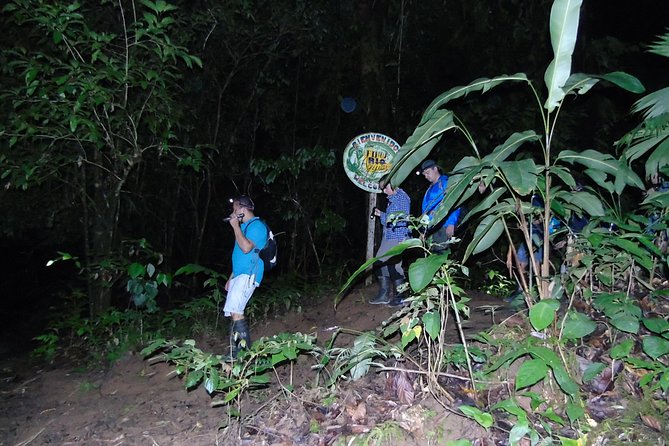
- Small-group private format: only your group, with up to about 6 people per guide
- Prime dark-hours schedule: the hike runs nightly from 6:30–9:30pm
- River-edge wildlife searching: the route centers on Rio Agujitas and Rio Agujitas EcoFarm
- Creature-spotting with intent: guides point out animals you’d otherwise miss, from frogs and tarantulas to reptiles and tracks
- Gear that makes the night workable: you’ll be walking in shallow water with rubber boots and flashlights
A Small-Group Night Safari That Feels Real
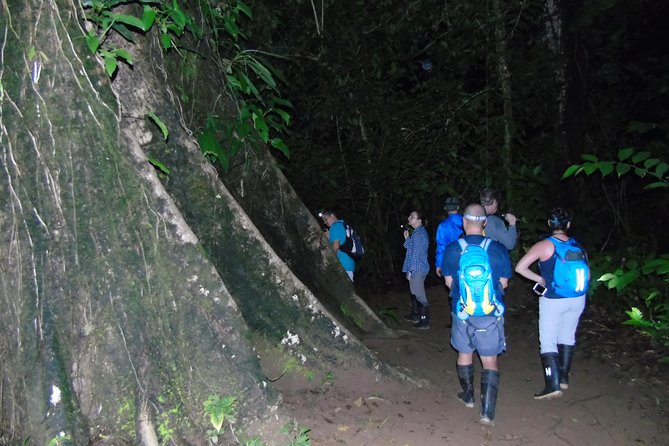
This is the kind of night hike where the small group size matters. When you’re with a tight group, your guide can slow down for the micro-details: the right sound from a tree, the telltale shape of an insect on leaf litter, or the way an animal pauses before moving again.
I also like the tone of the experience. It’s not a staged “see one thing, move on” tour. It’s more like a careful walk where you keep stopping, scanning, and listening, because at night that’s half the game. The goal is to help you notice Costa Rica at its most private hour.
If you want a big-bus vibe, you probably won’t like this. If you want an outdoor, creature-focused walk where you can actually pay attention, you’re in the right place.
You can also read our reviews of more tours and experiences in Drake Bay.
Timing and Where It Clicks: 6:30–9:30pm in Drake Bay
The hike runs daily from 6:30 PM to 9:30 PM. That timing is perfect because you’re starting after the daylight push and finishing before the night feels too endless.
You’ll meet at the Nativos Corcovado Tours spot (the tour runs through NativosCorcovado Tours and Travel). Hotel pickup isn’t part of the deal, but hotel transfer in Drake Bay can be arranged—so plan on figuring out your way to the meeting point unless your lodging can help with a transfer.
One practical tip: night starts mean you’ll be relying on flashlights and your guide’s pacing. That’s not scary; it’s just a reminder to treat this like a guided outdoor walk, not a casual evening stroll.
What You Might See After Dark: Frogs, Spiders, Reptiles, and Tracks
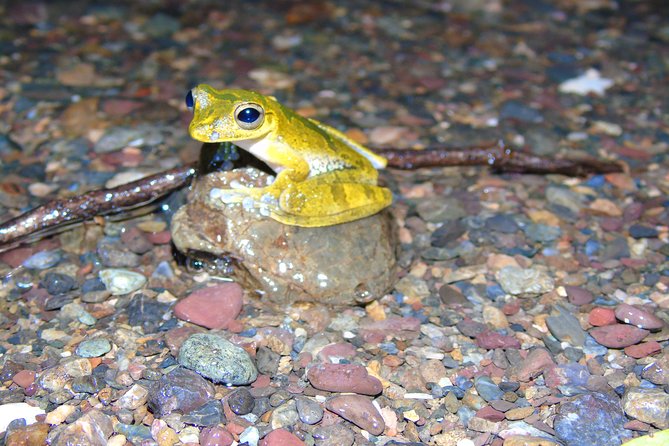
The focus here is classic night-nature hunting. You have a strong chance of seeing frogs and insects, and you’ll also look for the kinds of animals that show up when the ground and trees cool down: spiders, reptiles, and other nocturnal creatures.
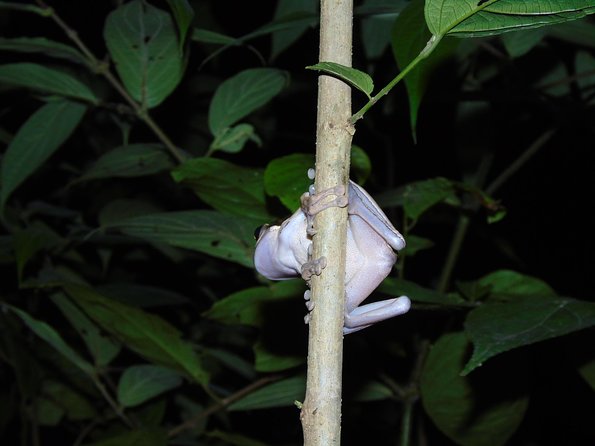
From the kinds of encounters people describe, you might run into colorful amphibians like red-eye tree frog, cane toad, and glass frog. Spiders can be a highlight too, including tarantula-type spiders and other large-bodied hunters. In the river area, you might even spot things tied to water edges, like shrimp and other small aquatic life.
And then there are the bigger-mammal vibes, even when you don’t actually see a puma or ocelot. The tour route is along the river side of Rio Agujitas and the Rio Agujitas EcoFarm area, and the tour style includes searching for tracks and signs. That’s where you can get tapir moments or at least the sense that the forest is busy even if you don’t catch the animal itself.
You’ll also likely notice birds of different sizes moving differently at night. One example from a guide-led encounter: king fisher birds showing up around the water.
The River Crossing Reality: Wear for Mud, Not for Photos
You should assume you’ll get wet. Multiple descriptions of the experience mention walking through shallow river water, and rubber boots are provided by the tour company.
So what’s the smart clothing choice? Wear pants you can tuck into your boots, because otherwise fabric can rub your legs and turn into painful blisters. Light rain gear can help, but don’t rely on it alone. If your clothing soaks up, you’ll still be uncomfortable even if you stay warm.
This is also where the “rugged” part of this night hike becomes real. Dirt trails at night can feel slippery, especially when rain thickens the ground. One person described the experience as very intense when rain came in, and the guide didn’t turn them around immediately. That’s a good reminder: this is an outdoor walk, not a climate-controlled activity.
Bring a flexible attitude. The value here is that you’re in real terrain with real wildlife behavior happening around you.
How the Guide Works: Finding Life Without Getting Lost
The guide role is the entire reason this tour works. They accompany you and point out creatures—often the ones you’d never spot on your own because they blend into bark, leaf edges, or the darkest corners of the trail.
What I like is that the night makes ordinary “searching” feel meaningful. A flashlight beam isn’t just for visibility; it becomes a tool for reading the environment. When your guide shines light with purpose, you start seeing patterns: eyeshine, movement behind leaves, and animals that freeze when they sense danger.
Two guide names came up in people’s experiences: Emilio and Eric. That matters because it tells you this isn’t a generic slideshow. A guide who loves the land and the plants and animals you’re seeing will do a better job of slowing down at the right time and interpreting what you’re actually looking at.
Also, expect a pace built around stopping. If you rush, you’ll miss the moment. The tour is about paying attention, not speed.
The Wildlife Research Station Feeling: Former Plantation to Field Work
One of the most interesting parts of this outing is the setting. The trails are described as part of a former family plantation that’s been turned into a wildlife research station. That blend of human history and protected habitat often creates a “worked landscape” feel, where wildlife patrols the same paths humans once used.
Why this matters for you: research settings tend to keep habitat healthier and trails more usable for guiding. It doesn’t mean it’s a paved nature walk. It means there’s a reason the route makes sense at night and why guides can consistently find animal activity along river edges.
You’re essentially hiking a place where the environment is monitored, and that boosts your odds of meaningful sightings. Even when the animal stays out of sight, tracks and signs can still feel like a win, because you understand what you’re observing.
English or Spanish: Choose the Language That Lets You Ask Questions
Spanish and English tours are both available. If you speak one language better than the other, pick the one that lets you ask simple questions and understand what the guide is pointing out in the moment.
Night wildlife is fast. If you’re constantly translating in your head, you’ll miss the first warning cue—like a sudden pause in motion—or the exact spot where the eyeshine appears. A guide’s explanation can make the difference between seeing a “flash” and understanding what animal behavior you just witnessed.
Cost and Value: Why $68 Can Be Worth It Here
At $68 per person for about 3 hours, the value mostly comes from three things: a private setup, an expert guide, and gear that directly helps you handle the terrain.
You’re also not sharing with strangers from everywhere in the region. This is a private tour/activity, and the tour is set up for groups of about 6 people per guide. That smaller ratio means you can scan without getting shoved aside, and it’s easier for your guide to spot what you’re missing.
Add the included-style essentials you’ll likely use during the walk—like a hand-held flashlight for each participant and rubber boots for the water sections. That’s practical value, because those items matter more than “souvenir value” on a wet night.
If you hate getting muddy or you want a comfortable evening, the price won’t magically solve that. But if you want a real wildlife search in Costa Rica’s night world, this is a straightforward, pay-for-the-guide kind of experience.
Who Should Book This, and Who Might Want to Pass
This hike is a strong match if you enjoy nature at night and you’re curious about animals beyond the typical daytime list. It’s especially good for people who like amphibians, insects, and spiders—and for anyone who gets a kick out of animal tracks and signs.
It’s also a good pick if you want a guided experience that prioritizes small details and repeatable chances to see nocturnal life. The river-edge route (Rio Agujitas / Rio Agujitas EcoFarm area) supports that theme.
You might want to reconsider if you have low tolerance for wet, muddy conditions. If you’re anxious about slippery trails at night or you get uncomfortable with cold damp clothing, bring realistic expectations or skip this one.
Should You Book This Night Hike in Drake Bay?
If you want a night tour that’s guided, hands-on, and built around real wildlife behavior—not just a scenic walk—this is an easy yes. The private group setup, the focus on river-edge nocturnal life, and the guide-led creature spotting give you a strong chance to come away with more than a few blurry photos.
Book it if you’re ready to dress for water and dirt, and if you can stay patient while the guide scans and interprets the night. Skip it if you need a dry, comfortable outing or if you’re set on an easy stroll. This hike is for people who like the wild part of Costa Rica when the sun goes down.
FAQ
Where does the night hike take place?
The tour takes place in Drake Bay, Costa Rica, and focuses on the river-side area of Rio Agujitas and Rio Agujitas EcoFarm.
How long is the experience?
It’s about 3 hours (approximately).
What time does the hike run?
It runs Monday through Sunday from 6:30 PM to 9:30 PM.
Is this tour private?
Yes. This is a private tour/activity, and only your group participates.
Are Spanish and English tours available?
Yes. Spanish and English tours are both available.
Will I get wet or need special footwear?
You should expect shallow river water during the walk. Rubber boots are provided, and it helps to wear pants tucked into the boots to avoid rubbing and blisters.
Is hotel pickup included?
Hotel pickup is not included, but hotel transfer can be arranged in Drake Bay.
What is the cancellation policy if I need to change plans?
You can cancel for a full refund up to 24 hours before the experience’s start time. If the experience is canceled due to poor weather, you’ll be offered a different date or a full refund.