REVIEW · NEW YORK CITY
NYC: SUMMIT One Vanderbilt Experience Ticket
Book on GetYourGuide →Operated by SUMMIT One Vanderbilt · Bookable on GetYourGuide
NYC from above feels different fast. SUMMIT One Vanderbilt pairs a skyline-gazing visit with floor-by-floor, multi-sensory art stops that change the way you see Manhattan from nearly 1,100 feet up.
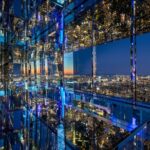
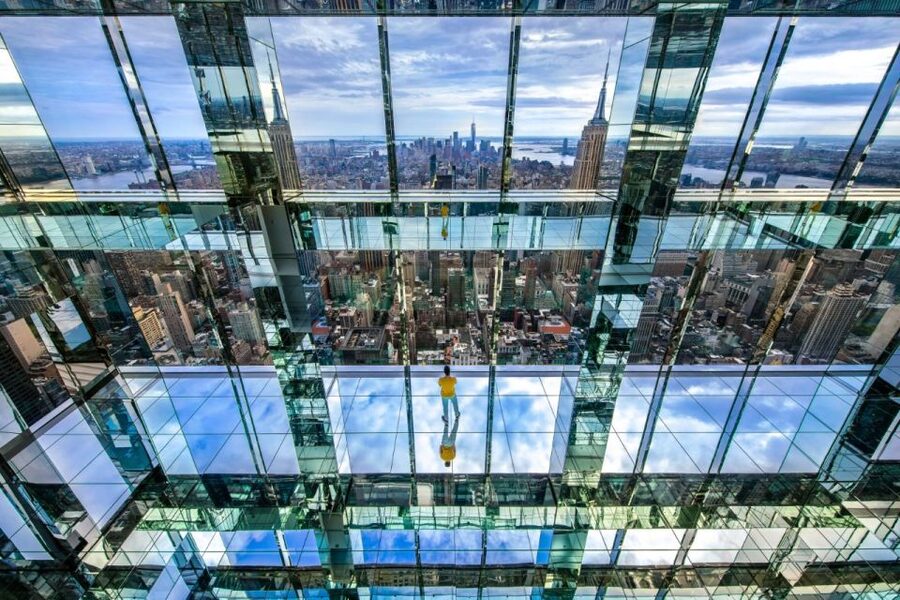
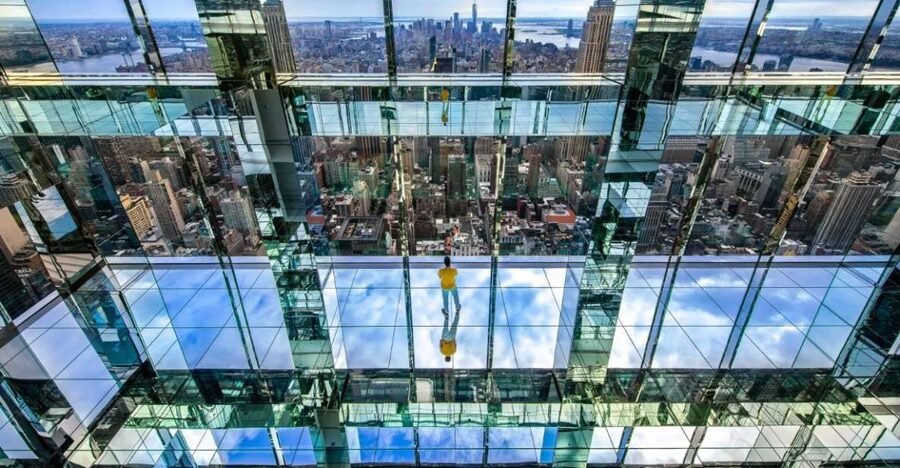
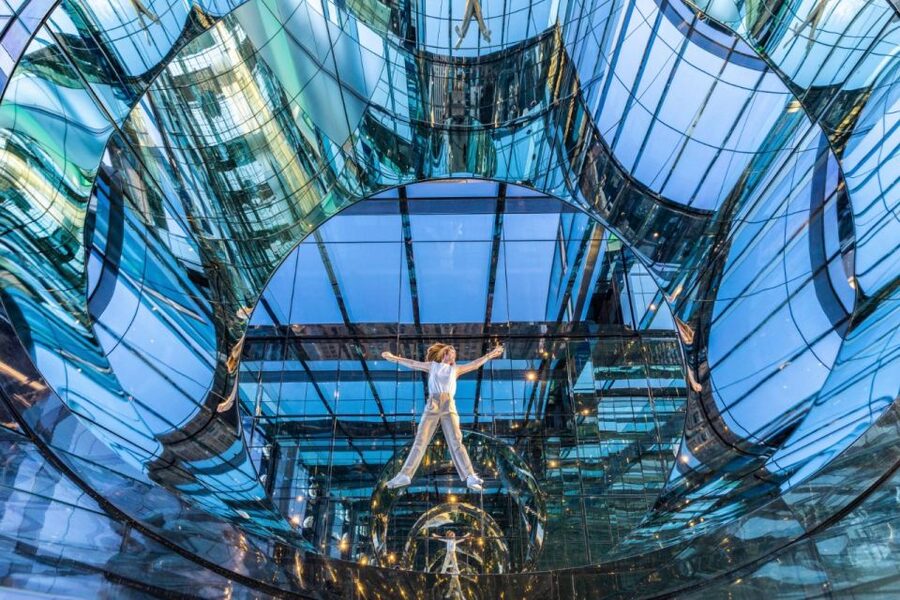
I especially love how SUMMIT AIR uses two floors of floor-to-ceiling mirrors to make the city feel like it’s all around you. And I also really like the gut-check moment in SUMMIT LEVITATION, where transparent skyboxes and a short glass-ledge step put you right over the streets.
One drawback to plan for: you’re on a timed ticket, and the experience can involve long lines—including a slow-down when it’s time to go back down.
In This Review
- Key things to know before you go
- SUMMIT One Vanderbilt: the 93-floor value at $48
- Getting to the main entry: Grand Central’s timed arrival reality
- The elevator ride up to 91: that “ride-like” start
- SUMMIT AIR on the 91st: mirrors, light, and perspective tricks
- SUMMIT LEVITATION at 1070 feet: the enclosed glass moment
- AFFINITY’s silver balloon room: fun, but don’t expect long
- The 93rd-floor outdoor terrace: the view you came for
- Day vs Air at Night: when the lighting becomes part of the show
- Apres eatery & cafe: where the ticket quietly pays off
- Practical rules that affect your comfort and photos
- Crowd control tips: how to get better photos and a calmer visit
- Who should book SUMMIT One Vanderbilt (and who should skip)
- Tour size and choosing the right version
- Should you book SUMMIT One Vanderbilt?
- FAQ
- How long does the SUMMIT One Vanderbilt experience take?
- Where is the meeting point for SUMMIT One Vanderbilt?
- What’s included in the ticket?
- Is SUMMIT Ascent included?
- Can I bring food or drinks?
- Is Air at Night different from a daytime visit?
- Are sunset admission times included?
- Is the attraction wheelchair accessible?
- Is SUMMIT suitable if I have vertigo?
Key things to know before you go
- Timed entry matters: arrive on time, because entry windows are strict.
- Mirror floors are photo gold: go at quieter moments to get shots without shoulder-to-shoulder pressure.
- LEVITATION is the height moment: it’s not for people with vertigo and it may feel intense if you don’t like enclosed glass.
- Night hits differently: Air at Night adds an LED light show, music, and cocktails for purchase.
- You can’t count on the topmost deck: SUMMIT Ascent access is currently closed.
- Leave room in your day: queues to go up and down can eat time.
SUMMIT One Vanderbilt: the 93-floor value at $48
For $48 per person, SUMMIT is more than a standard observation deck. You’re paying for a full 1.5 to 2 hour experience that mixes a ride, multiple indoor art rooms, and a high-altitude outdoor viewpoint. That mix is what makes it feel worth it, especially if you’ve already seen the usual skyline suspects.
The height is a big part of why it works. You’re perched close to 1,100 feet above Manhattan, and the LEVITATION moment is described as happening at about 1,070 feet (325 meters) above the streets. In plain terms: you’re not just looking at the city—you’re inside the feeling of being above it.
One more practical value point: your ticket includes all indoor immersive art experiences plus access to Apres, the eatery & cafe. That’s useful if you want a bite or a break after the views.
You can also read our reviews of more tours and experiences in New York City.
Getting to the main entry: Grand Central’s timed arrival reality
Start at the entry to SUMMIT through the main concourse of Grand Central Terminal. The area is easy to reach by car, subway, bus, and LIRR/Metro-North commuter rail. In NYC terms, that’s a win: you’re not hunting across multiple train lines just to get to your sunset view.
But timed entry means you need to build your schedule around the slot. The ticket is timed, you must arrive on time, and if you miss your slot, rescheduling is only subject to availability and may include a rescheduling fee and a possible price difference. That’s the kind of rule that can wreck a tight itinerary.
Also, expect lines. Several experiences highlight long waits to reach the top and—importantly—longer waits when leaving. Plan your day so you’re not trying to sprint to another reservation the moment your ticket ends.
The elevator ride up to 91: that “ride-like” start
Your visit begins off the main concourse of Grand Central, with the story behind the attraction’s creation. Then comes the sensory start: an elevator ride that sets the tone for the floors ahead.
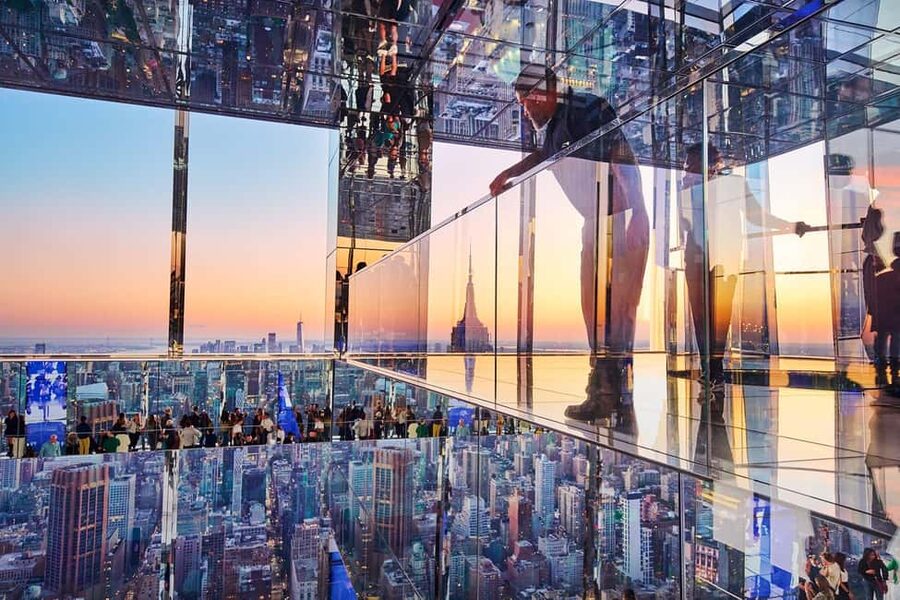
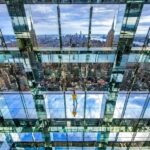
At the 91st floor, you transition into SUMMIT AIR. The key thing here is that it’s not just a room with views. It’s designed around reflection and perspective—specifically, two floors of floor-to-ceiling mirrors. That means the city doesn’t sit in front of you. It wraps around you visually.
If you’re the type who likes to understand what you’re seeing (and not just take selfies), this is the floor where you’ll feel the design thinking. The city reflections can make landmarks look closer or oddly spread out, depending on your angle.
SUMMIT AIR on the 91st: mirrors, light, and perspective tricks
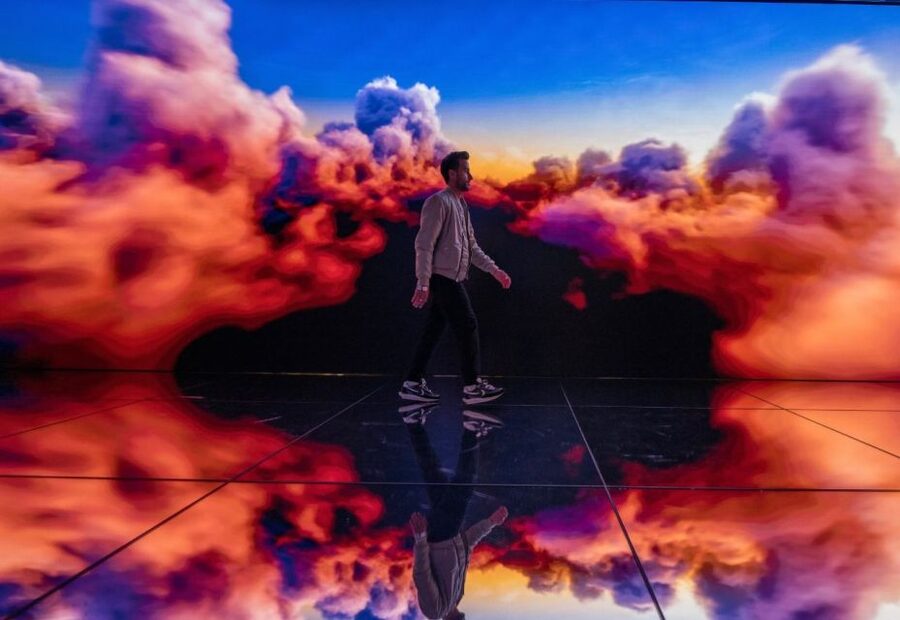
SUMMIT AIR is your first real “wow” stop for many people. The mirrors create multiple layers of cityscape and light, so even if you’ve got a cloudy view outside, the interior experience still has energy.
What I like about this floor is that it helps you get your bearings fast. You’re not just walking into the “big view.” You’re learning how the building wants you to look at the city.
A practical tip: if the mirror rooms feel crowded, try shifting your timing a bit. The experience flows room-to-room and you can often find moments when the crowds thin out. If you want photos without that constant “move to the left” pressure, watch the flow and step in when a small pocket opens up.
Also note the rule environment: food and drinks are not allowed in the attraction, and luggage or large bags are not allowed. If you normally snack while you walk, you’ll need to do that outside the rooms. Comfortable shoes matter here too.
SUMMIT LEVITATION at 1070 feet: the enclosed glass moment
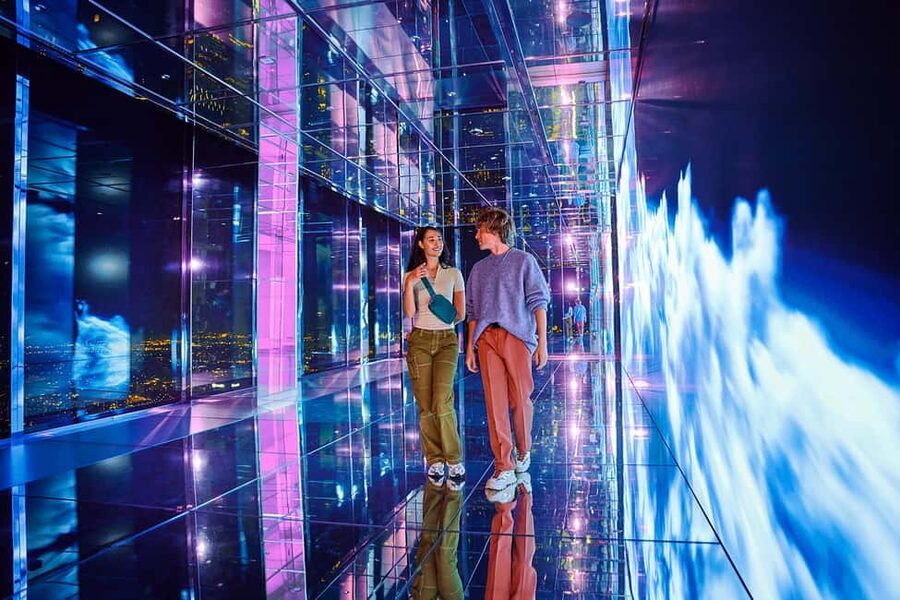
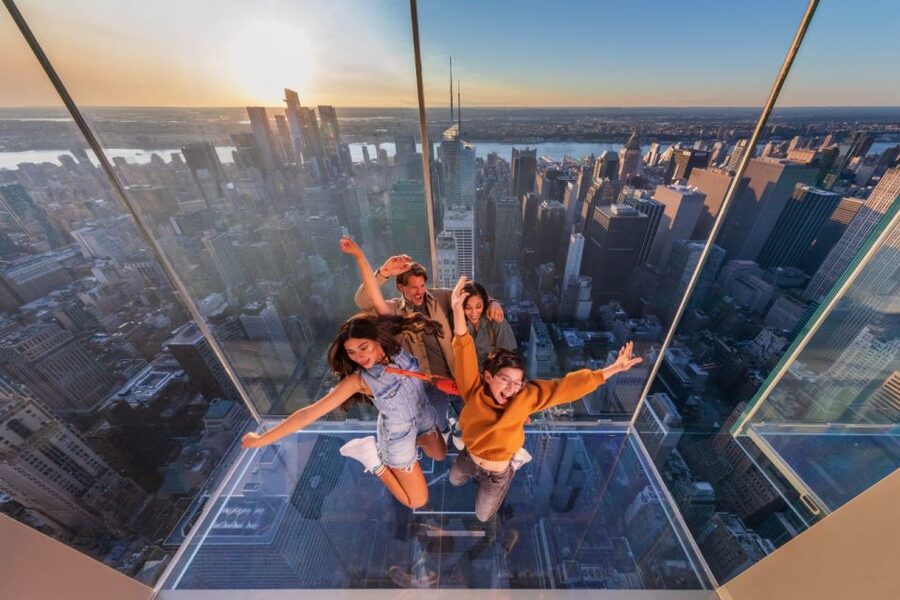
Then you hit SUMMIT LEVITATION, and the tone changes. This is the height-check part of the ticket, described as two transparent glass-enclosed skyboxes. You’re suspended above Madison Avenue at about 1,063 feet.
The design uses a “rush” effect that’s both visual and physical: you step out over the city on glass ledges, and your movements get turned into a playful media moment. Your image appears to float in the clouds across a multi-media screen, which makes the step feel more like an interactive performance than a scary obstacle.
A key consideration: this stop isn’t suitable for people with vertigo. Even if you don’t have vertigo, if enclosed glass and big-drop views make you tense, think seriously before choosing this time. There’s a reason the attraction calls out vertigo specifically.
From the reviews, I’d also flag the photo reality: during busy periods, the glass-ledge time can feel short and tightly managed. Get ready quickly, line up when staff signal you, and don’t plan on endless takes.

AFFINITY’s silver balloon room: fun, but don’t expect long
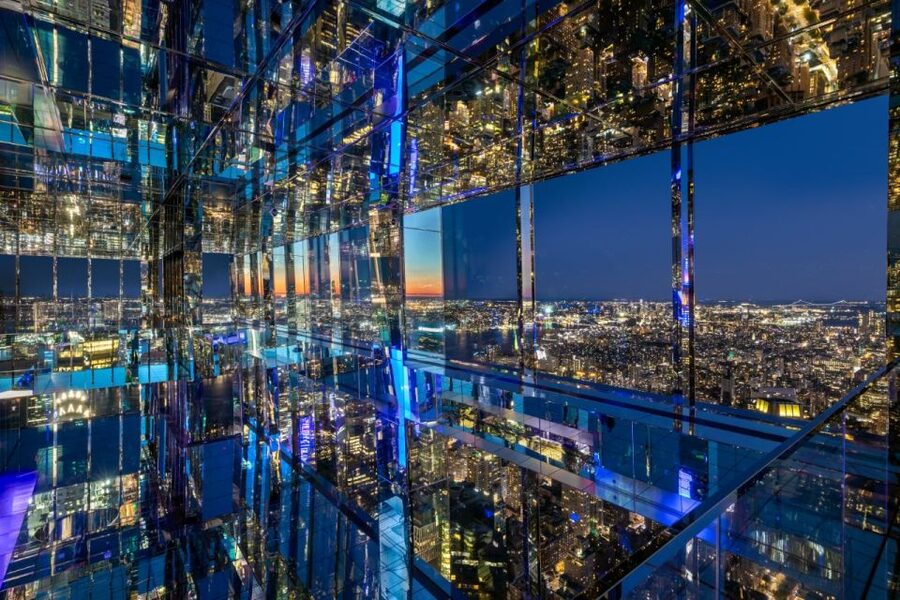
After LEVITATION, you’ll reach AFFINITY, the silver balloon room. It’s a playful, photo-friendly space and it’s a highlight for lots of people.
One thing to calibrate expectations: the balloon room can be smaller than some people imagine, and you may be limited to staying for a short maximum time (one review cited up to 5 minutes). So think of it less like a slow wander and more like a quick, fun stop where you grab photos and enjoy the moment.
If you’re visiting with kids or teens, this is often the room that gets the biggest laughs. Even adults who don’t care about art installations tend to get into it once the visuals start doing their thing.
There’s another subtle benefit here. If you’re traveling with someone who’s nervous about heights, you can treat AFFINITY as a recovery zone between the bigger fear-factor moments and the final viewpoint.
The 93rd-floor outdoor terrace: the view you came for
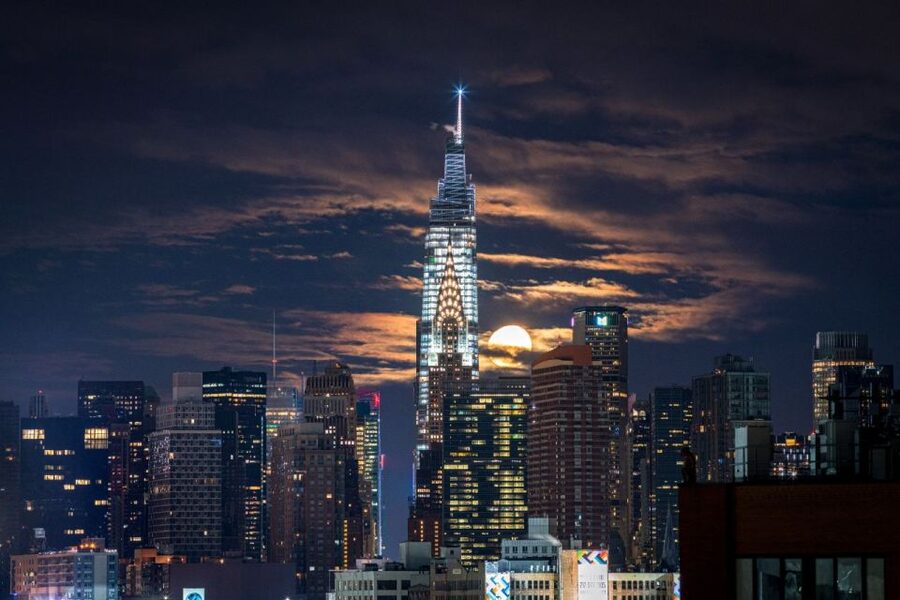
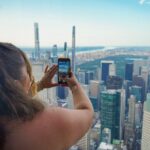
Once you reach the top, you get a new vantage point from the outdoor observation deck. This is where the visit turns into classic NYC skyline viewing—only you’re doing it from a modern tower top with a very strong sense of being above everything.
Your ticket includes access to the outdoor deck, but there’s an important limitation: SUMMIT Ascent access is not included, and it’s currently closed. So while you can enjoy the main top-level outdoor viewpoint, you can’t count on the very highest level.
Still, many people treat SUMMIT as their best “one observatory” pick. The reason is simple: you’re combining skyline views with indoor staging and photo opportunities, not choosing between those experiences.
Weather matters in the obvious way. The attraction notes there’s no refund issued in case of bad visibility and bad weather. That’s not unique to SUMMIT, but it’s worth taking seriously. If you’re going on a gray, low-visibility day, plan to enjoy the indoor art even if the skyline view is muted.
Day vs Air at Night: when the lighting becomes part of the show
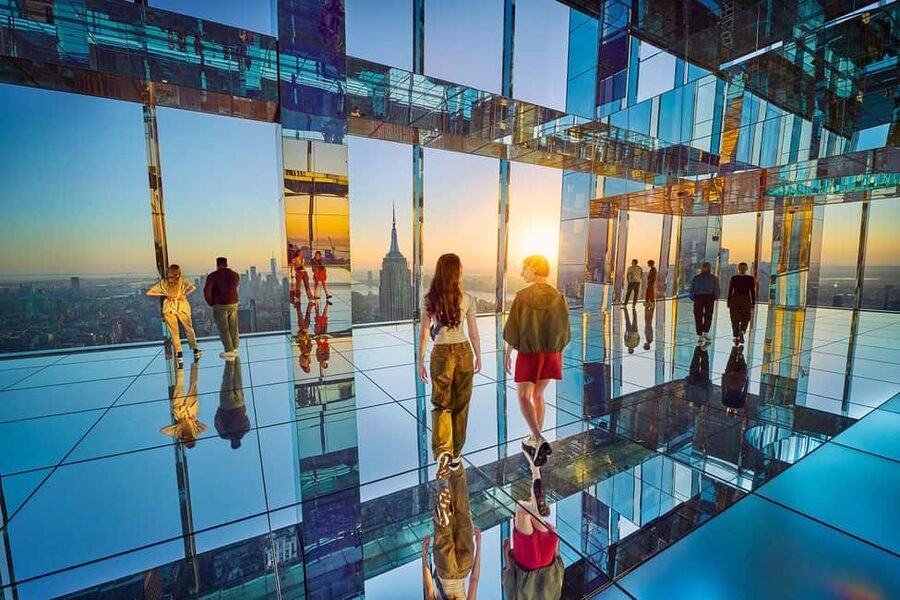
You can experience SUMMIT by day or by night, and the difference is real. Air at Night is built for an adult-friendly evening vibe, with:
- access to all areas of the attraction
- an LED light show with accompanying music
- cocktails for purchase at the 93rd floor bar
That cocktail detail matters because it changes pacing. During Air at Night, you’re more likely to linger on the top floor, savor the view, and treat it like an evening activity instead of a quick checklist stop.
One more useful timing note: sunset admission times aren’t included, so if sunset is your fixed goal, you’ll want to confirm what’s covered for the slot you choose. Night visits can still deliver great views, but you’re not guaranteed a sunset-timed entry unless your ticket matches that category.
Apres eatery & cafe: where the ticket quietly pays off
Your ticket includes access to Apres eatery & cafe. That’s handy for a couple reasons.
First, you’re spending 1.5 to 2 hours moving through rooms. Having a place to sit, reset, and grab something afterward makes the day easier—especially if you’re doing other Midtown plans right after.
Second, it helps you manage the rule that food and drinks are not allowed inside the attraction. If you’re trying to keep the experience smooth, you’ll want to handle snacks and drinks before you start or after you finish at Apres.
Practical rules that affect your comfort and photos
A few on-site rules can change how enjoyable the visit feels:
- No food and drinks are allowed during the attraction.
- No luggage or large bags.
- Skirts are not allowed, and the guidance recommends pants, shorts, or tights when possible to avoid unwanted exposure on glass and mirrored floors.
- Bring comfortable shoes (you’ll walk and stand).
- Bring sunglasses (helpful for the bright exterior view and outdoor terrace).
Also, there’s no backtracking through the experience. That means you can’t treat rooms like a free-roam museum where you return whenever you want. You’ll move forward as the flow dictates.
Finally, dress for reflection. Mirrored and glass floors can be unforgiving when it comes to fit and comfort. If you want to enjoy the experience without stress, follow the dress guidance and you’ll spend less mental energy worrying and more time enjoying the art and view.
Crowd control tips: how to get better photos and a calmer visit
SUMMIT can be busy. That shows up in two main ways: line time and crowded rooms.
For the rooms with heavy photo demand—especially mirror-heavy areas—try to avoid the peak crush. One review called out that the mirror-ball room can get too packed to take photos comfortably, so the move is to look for quieter moments in the flow.
When crowds are dense, staff management matters. Many reviews mention that staff are helpful and that people take turns at photo spots. That can reduce chaos, but it doesn’t remove the basic challenge: you’re sharing a small platform in a popular attraction.
And remember the biggest timing trap: returning down can take a long queue. Several experiences referenced waits of 45 minutes or more. Build buffer time so you’re not forced to rush through your last few rooms or stress about catching the right train back.
Who should book SUMMIT One Vanderbilt (and who should skip)
I’d book SUMMIT if you want a classic NYC skyline moment plus the “interactive art floor” angle. It’s a strong fit if:
- you care about photos and like staged, design-driven rooms
- you want something different from a straight observation deck
- you’re going as a couple, a group of friends, or teens
- you’d enjoy a mix of indoor reflection and outdoor air time
You might want to skip or rethink it if:
- you have vertigo
- you strongly dislike heights or enclosed glass spaces
- you need a very predictable, short visit with minimal waiting
Even if you’re not obsessed with heights, the way the experience is built means you’re guided into a controlled progression: mirrors first, then the glass moment, then the top-view payoff.
Also, if you’re celebrating something, SUMMIT works well for birthdays and special trips. The overall vibe tends to be upbeat, with a lot of play built into the rooms.
Tour size and choosing the right version
Most tickets follow the standard timed entry visit. If you want a more tailored experience, there are premium and VIP options.
The premium experience is limited to up to 10 people, and the VIP option is a private tour for up to 6 people. The important caution is that if more than the maximum show up, additional guests will be turned away. So if you’re booking for a group, confirm headcount early.
These options can be helpful if you want less “crowd behavior” in the rooms. But regardless of group size, the core design still involves time in queues up and down.
Should you book SUMMIT One Vanderbilt?
Yes, if your goal is the full NYC experience blend: indoor art you’ll remember, plus an outdoor skyline deck that feels high-impact. At $48, it’s a good value compared with pure observation decks because you’re not just buying a view—you’re buying a sequence of rooms that make the view part of the storytelling.
If you hate crowds, fear heights, or you’re visiting on a low-visibility weather day and you only care about the skyline, you may feel disappointed. But if you’re open to enjoying the indoor rooms even when the view is muted, SUMMIT stays fun.
My rule of thumb: book it if you want to see New York from the top and also play with the building’s design. Skip it if you’re the type who wants zero waiting and zero height intensity.
FAQ
How long does the SUMMIT One Vanderbilt experience take?
The experience lasts about 1.5 to 2 hours, depending on the starting time you book.
Where is the meeting point for SUMMIT One Vanderbilt?
Entry to SUMMIT is through the main concourse of Grand Central Terminal, and the experience ends back at the same meeting point.
What’s included in the ticket?
Your ticket includes admission to SUMMIT, access to all indoor immersive art experiences, and access to the Apres eatery & cafe.
Is SUMMIT Ascent included?
No. Access to SUMMIT Ascent (the highest level) is not included and is currently closed.
Can I bring food or drinks?
Food and drinks are not allowed.
Is Air at Night different from a daytime visit?
Yes. Air at Night includes access to all areas, an LED light show with accompanying music, and cocktails for purchase at the 93rd floor bar.
Are sunset admission times included?
Sunset admission times are not included.
Is the attraction wheelchair accessible?
Yes, SUMMIT is wheelchair accessible.
Is SUMMIT suitable if I have vertigo?
No, it is not suitable for people with vertigo.