REVIEW · PITON DE LA FOURNAISE
Réunion: Piton de la Fournaise Guided Volcano Hike
Book on GetYourGuide →Operated by Bureau Montagne Réunion · Bookable on GetYourGuide
Volcano trails can feel like science class. This one on Piton de la Fournaise mixes real geology, close-up lava fields, and viewpoints over the Dolomieu crater—explained by a French-speaking mountain guide. I like that you get structured stops instead of a random walk, and I especially like the way the guide turns rocks and shapes into an eruption story. One thing to plan around: you need solid fitness and you’ll need a good understanding of French for the tour to work well.
From the start, you’re not guessing where to go. The hike begins at Pas de Bellecombe parking lot, then you follow a route that gives you early views of the summit cone before you head down into the Enclos Fouqué caldera area. Weather can shift the exact meeting time, and your guide will phone you the day before to confirm.
In This Review
- Key Highlights You’ll Care About
- First Steps at Pas de Bellecombe: Getting Oriented Fast
- From Bellecombe to Bellecombe–Jacob Pass: Reading the Rim Like a Map
- The 120-Meter Staircase Into Enclos Fouqué: The Moment the Volcano Takes Over
- Formica Léo: Why a Strange Cone Matters
- Certified Off-Trail Visiting Near the 2018–2019 Flows
- Climbing the Dolomieu Crater Trail: Earning the View Near La Soufrière
- A Quieter Platform for Dolomieu and Bory Craters
- Guides, Pace, and Group Energy: What Works on This Hike
- Price and Value: Is $79 a Good Deal Here?
- What to Pack (So You’re Not Miserable by Midday)
- Who This Hike Fits Best (And Who Should Skip It)
- Should You Book the Piton de la Fournaise Guided Hike?
- FAQ
- How long is the Piton de la Fournaise guided hike?
- What’s included in the price?
- Where do I meet the guide?
- What language is the tour offered in?
- What should I bring?
- What are the age and fitness requirements?
- Can I cancel for a refund?
Key Highlights You’ll Care About
- French-speaking guide who explains what you’re seeing as you walk
- Enclos Fouqué descent with a notable 120-meter drop into lava fields
- Formica Léo and the pozzolana cone you pass for context
- Off-trail visiting near 2018–2019 flows with certified-guide rules
- Dolomieu crater rim near La Soufrière plus a quieter viewpoint for Dolomieu and Bory craters
First Steps at Pas de Bellecombe: Getting Oriented Fast
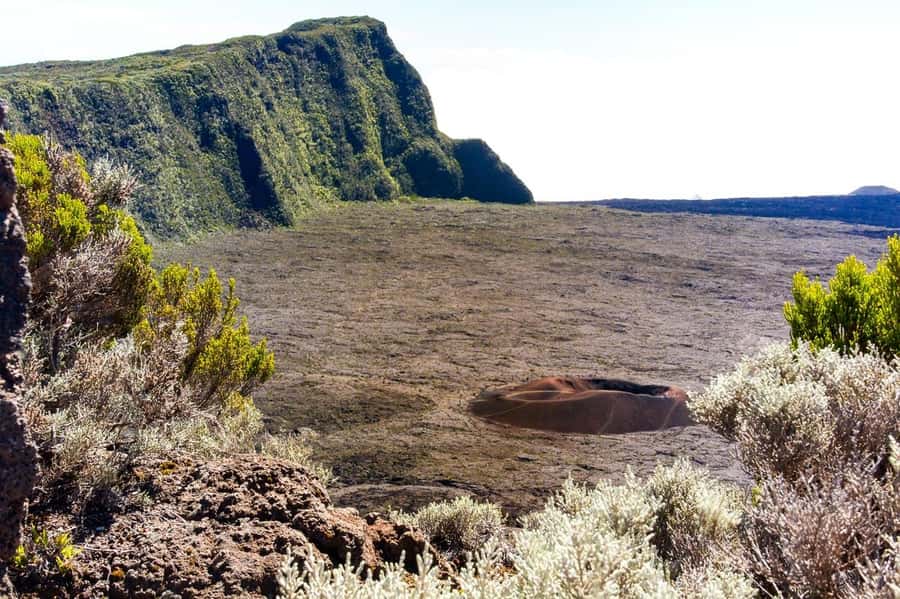
This hike starts at the Pas de Bellecombe parking lot, and that matters. The route begins by helping you get your bearings early, with a first view of the volcano’s summit cone plus a sense of the overall path before the trail starts to “teach you” with terrain.
In practice, I like this approach because it reduces the stress of not knowing what’s coming next. When you can visually connect the trail with the volcanic shapes around you, the day feels clearer—and the guide’s explanations land better.
Your guide phones the day before to confirm the meeting point and time, since conditions can change. It’s a small detail, but on an active volcano, it’s the kind of flexibility that keeps the experience safer and more meaningful.
You can also read our reviews of more tours and experiences in Piton De La Fournaise.
From Bellecombe to Bellecombe–Jacob Pass: Reading the Rim Like a Map
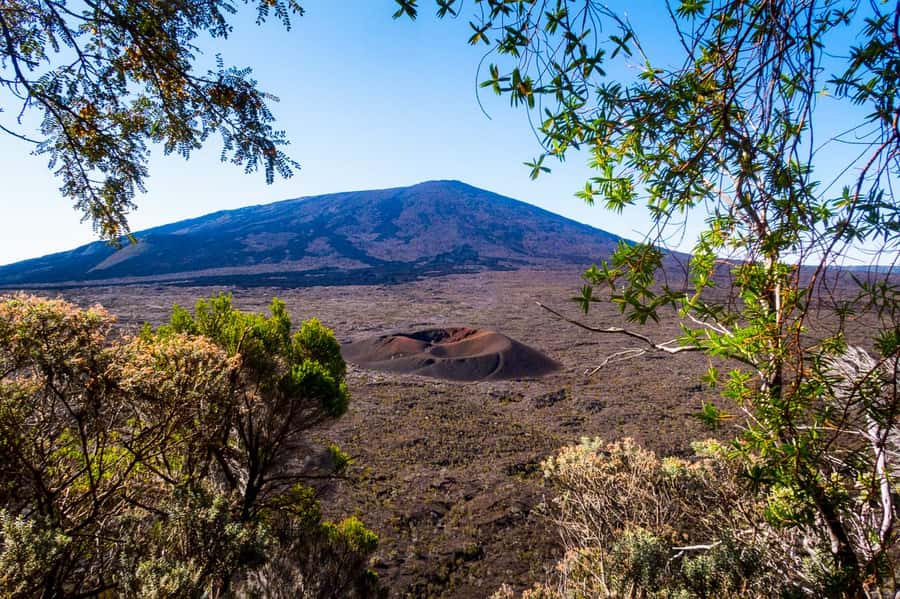
After the parking area, you follow ramparts toward the Bellecombe–Jacob Pass. This is one of those sections where you’re still moving, but you’re also gaining a clearer “map” of the volcano in your head.
You’ll see the route laid out, and you’ll feel how the landscape is arranged by older structures. From a comfort standpoint, this early portion is a chance to settle into the pace before the bigger transition: dropping down into the Enclos Fouqué area.
The 120-Meter Staircase Into Enclos Fouqué: The Moment the Volcano Takes Over
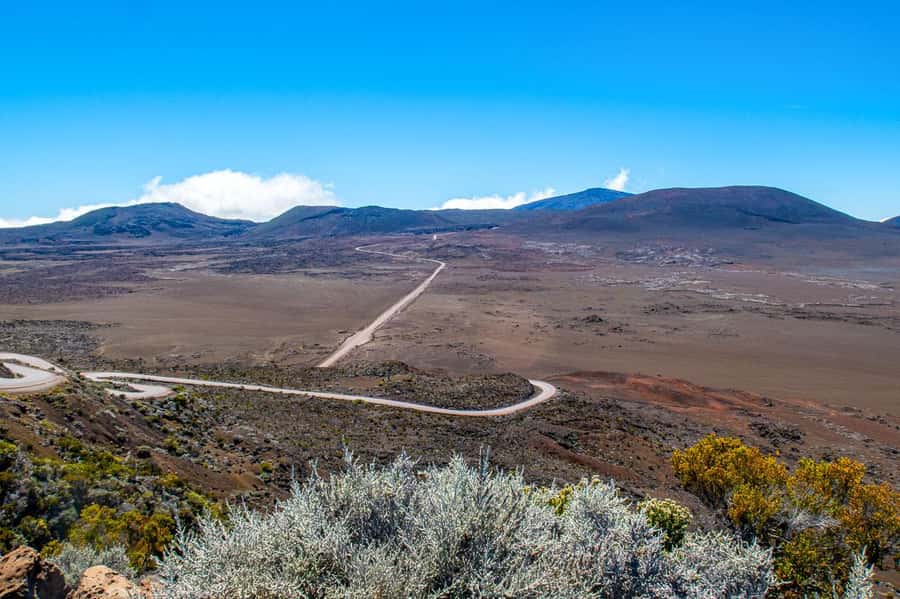
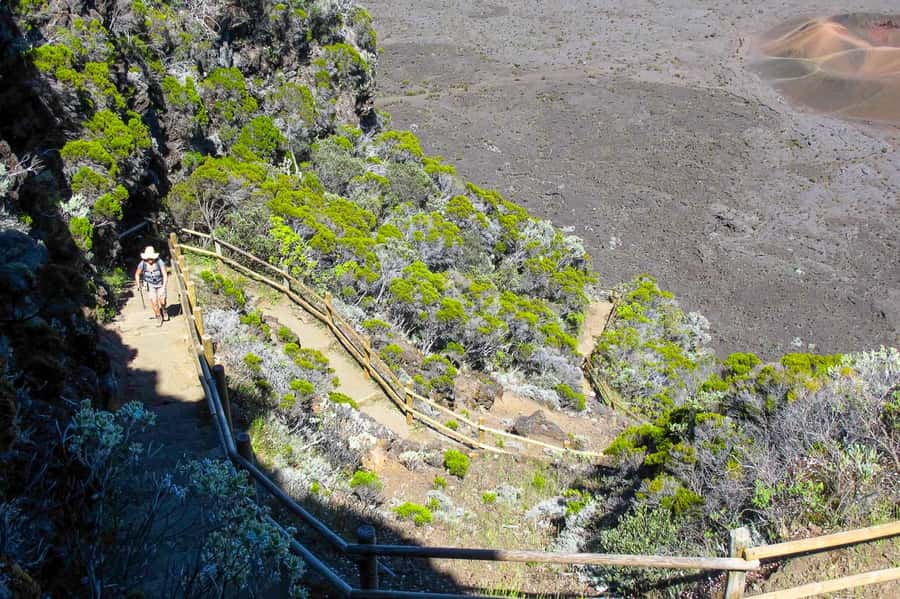
The Enclos Fouqué caldera is the big focal point, and access is not random. You reach it from a specific point and then take a staircase descending 120 meters into the lava fields from more recent activity.
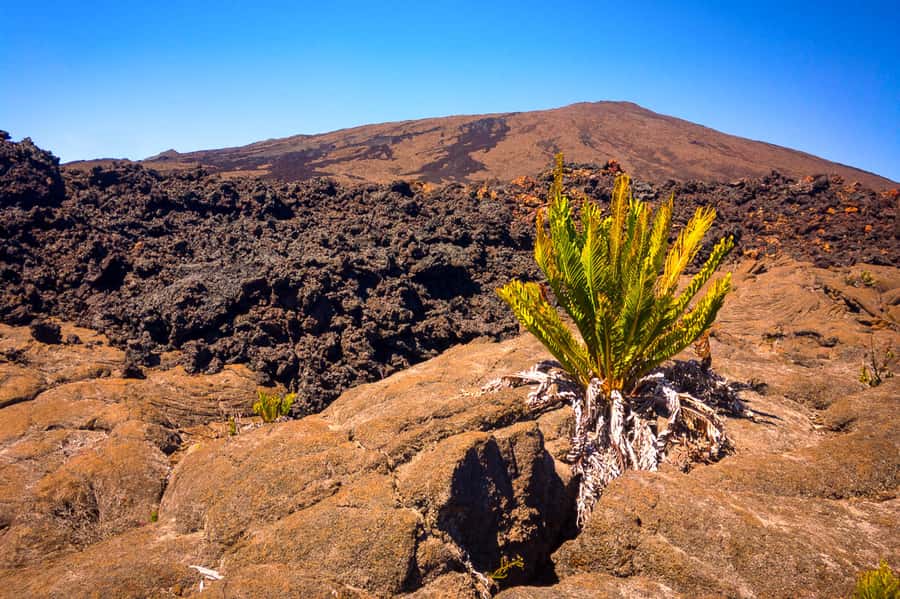
This is where you stop treating the volcano like a distant landmark and start experiencing it like the ground itself is part of the story. Lava doesn’t look the same everywhere, and as you go down, textures and colors help explain the sequence of eruptions—slowly, step by step.
Also, plan for real-world logistics: stairs and uneven lava terrain both demand footwork. You’ll be happiest if you wear hiking shoes with solid grip, and you keep your daypack light.
Formica Léo: Why a Strange Cone Matters
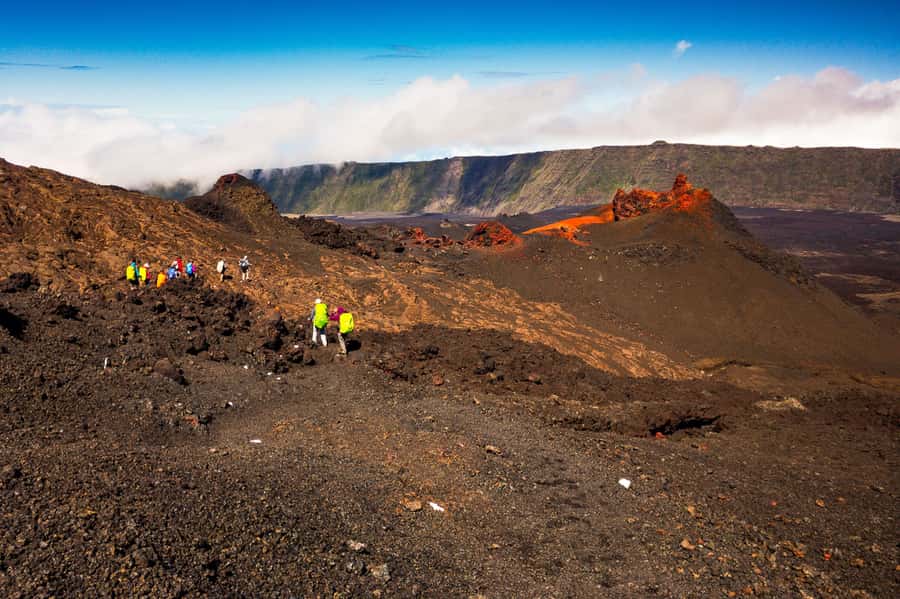
On the way, you pass Formica Léo, described as an unusual cone of pozzolana. This sounds like a minor stop, but it’s a classic example of why guided hiking works here. The guide can connect a strange shape to volcanic materials and how they form.
If you’ve ever wondered what people mean when they talk about “eruption products,” this is the kind of place where it becomes tangible. It’s not about memorizing names. It’s about learning how to recognize patterns.
Certified Off-Trail Visiting Near the 2018–2019 Flows
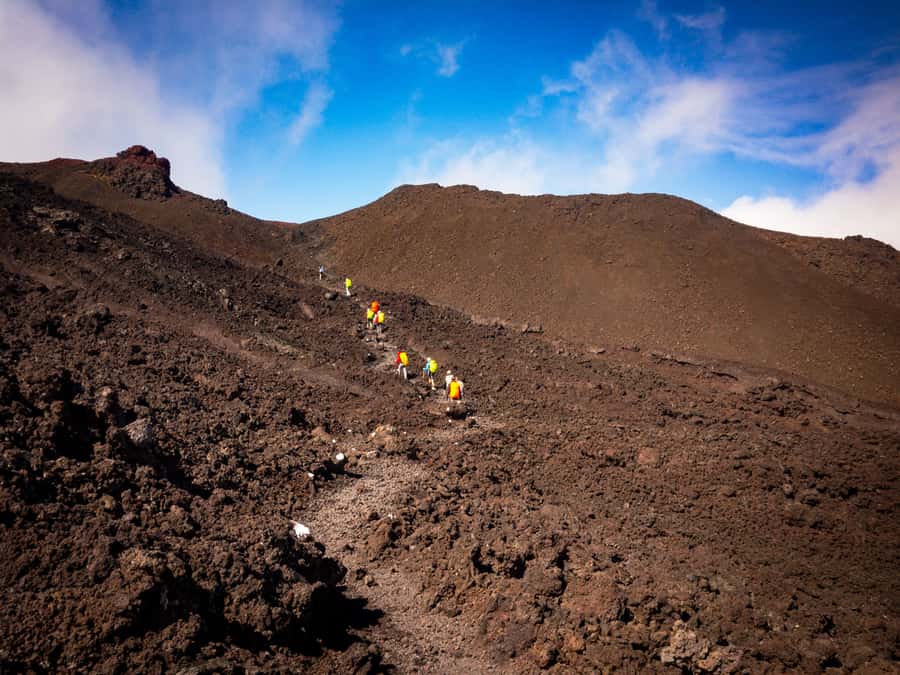
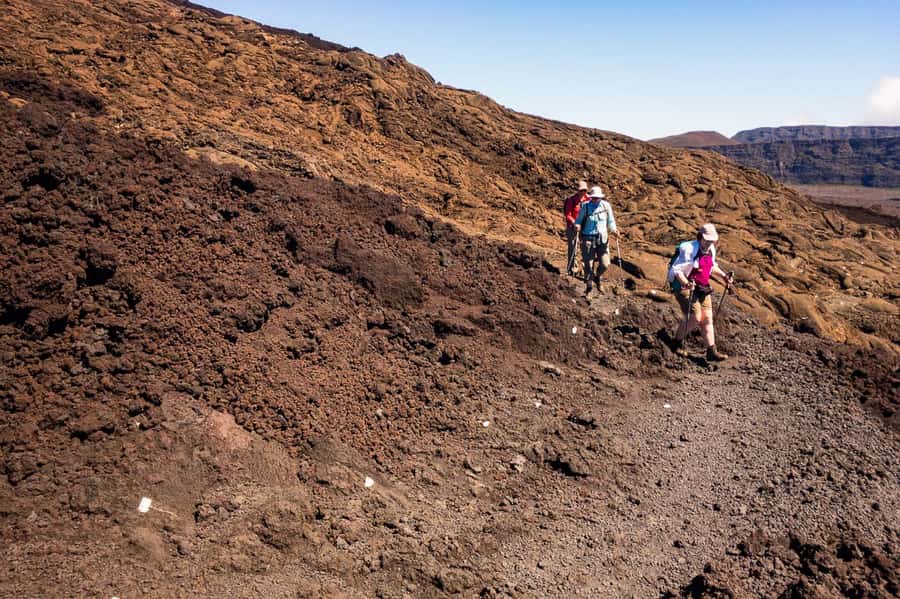
One of the most praised parts of this hike is the chance to see nearby lava flows from the 2018 and 2019 eruptions. The key detail: only certified professional guides can take groups off the trail. That keeps the experience organized and controlled, instead of turning it into a free-for-all.
What you’ll get out of these off-trail moments is context. The guide points out what you’re seeing and builds an eruption story around it—talking about magma, fissures, spatter, ash, projections, hot spots, and plumes.
That’s the value for you if you like understanding the “why” behind the rocks. You’re not just collecting photos. You’re learning how eruptions leave clues behind, often in ways you’d miss without someone trained to read them.
A practical consideration: off-trail sections can be slower and more careful, even when they’re short. Your best move is to follow the guide’s line and don’t rush.
Climbing the Dolomieu Crater Trail: Earning the View Near La Soufrière
After the lower lava field section, you start gaining altitude along the Dolomieu crater trail, moving up the flank of the main volcanic cone. Eventually, you reach the crater rim area near La Soufrière.
This is the point where the hike turns from “learning volcanoes” to “seeing volcanoes.” You get sweeping views that make the previous lava textures feel connected to something enormous. The crater rim also changes the way wind and light hit you, so sunglasses and a hat matter even on cooler days.
If you’ve got photos on your mind, this is your main payoff section. For the best results, keep your pace steady, take your breaks when the guide stops, and don’t wait until the last minute to adjust your camera settings.
A Quieter Platform for Dolomieu and Bory Craters
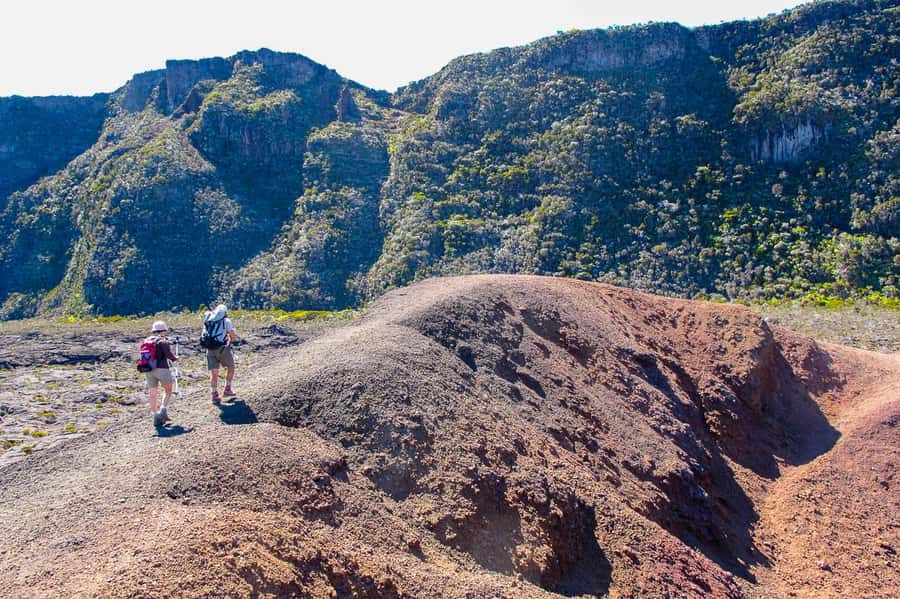
There’s also a short off-trail section that leads you to an incredible view of the Dolomieu and Bory craters from a quieter platform away from the main path crowds.
This is more than a comfort perk. It changes how you experience the space. When you’re not surrounded by constant foot traffic, volcanic scale hits differently—quietly, with fewer distractions.
It’s also a helpful moment for questions. If you want the guide to explain what you’re seeing right then, this is a good place to do it, because the guide can point out features while you still have the view in front of you.
Guides, Pace, and Group Energy: What Works on This Hike
The guide makes a huge difference on this volcano hike, and the tone you’ll get from the group seems consistently positive. Names that have come up include Jonathan, Guillaume, Manu, Jessica, and Florian. People specifically praised how guides welcomed the group, respected individual speed, and kept safety and comfort front of mind.
In the real world, that shows up in small ways: stopping when needed, staying supportive on the way back, and explaining as you go rather than dumping facts at the end. I also like that some groups may include two guides when helpful for support, which can make the climb feel less intimidating.
Your takeaway: if you’re not a “fast hiker,” you won’t be treated like a burden. The hike still expects you to be in good physical condition, but you’re guided in how to manage effort.
Price and Value: Is $79 a Good Deal Here?
At $79 per person for a 6-hour guided hike, this isn’t a bargain hike—and it also isn’t overpriced for what you get. The value comes from three things:
- A professional mountain guide who can work in French and interpret volcanic features
- Access to key viewpoints, including controlled off-trail time near the 2018–2019 lava flows
- A local snack and drink included, which saves you from spending time buying food during your hike window
You don’t get a picnic included, so if you’re doing this as part of a longer day, you’ll want a plan for food after.
Where the price feels most justified is when you care about meaning. If you just want a self-guided scramble for views, you might not feel the same payoff. If you want to understand what you’re walking through, the guide time is the real “product.”
What to Pack (So You’re Not Miserable by Midday)
For this kind of volcanic terrain and rapidly changing weather, pack like you expect sun and rain. You’ll want:
- Comfortable shoes or hiking shoes (no sandals or flip-flops)
- Sunglasses, sun hat, and sunscreen
- Water and a daypack
- Jacket and rain gear
- Weather-appropriate clothing
I’d also suggest keeping your daypack organized. When you’re climbing, stopping, and stepping over rough ground, fumbling for layers kills your rhythm fast.
Who This Hike Fits Best (And Who Should Skip It)
This isn’t a casual stroll. You need good physical condition for this hike (about 5.5 hours of hiking time within the full 6 hours).
It’s also not suitable for:
- Children under 12
- Pregnant women
- People with mobility impairments or wheelchair users
- Anyone who can’t manage the pace and terrain safely
Language matters too: a good understanding of French is required to take part. If you’re not comfortable with French, this tour likely won’t deliver the experience you’re paying for.
Should You Book the Piton de la Fournaise Guided Hike?
I’d book it if you want more than views. You’re paying for guided interpretation, controlled access to lava flow areas, and multiple viewpoints that connect directly to how eruptions shape this part of Réunion.
I would think twice if:
- You’re worried about fitness or stairs and uneven lava terrain
- You’re not comfortable with French
- You’re hoping for a relaxed, casual walk with no exertion
If you match the basics—comfortable shoes, good fitness, and French understanding—you’ll get a day that feels both athletic and educational, with stops that actually explain the volcano, not just frame it.
FAQ
How long is the Piton de la Fournaise guided hike?
The hike lasts about 6 hours, with around 5.5 hours of hiking time.
What’s included in the price?
The tour includes the guided hike, a professional French-speaking mountain guide, and a local snack and drink.
Where do I meet the guide?
Meet at the Pas de Bellecombe parking lot. Your guide will phone you the day before to confirm the meeting point and time, since it can change depending on weather.
What language is the tour offered in?
The hike is guided in French.
What should I bring?
Bring comfortable hiking shoes, sunglasses, a sun hat, sunscreen, water, a jacket, rain gear, and weather-appropriate clothing. Bring a daypack too.
What are the age and fitness requirements?
This activity requires good physical condition. The recommended minimum age is 12 years old, and minors under 18 must be accompanied by an adult.
Can I cancel for a refund?
Yes. You can cancel up to 24 hours in advance for a full refund.