REVIEW · KALAMATA
Ridomo Gorge hike to MANA spring
Book on Viator →Operated by 2407 Mountain Activities · Bookable on Viator
Ridomo Gorge feels like a secret hallway. On this Ridomo Gorge hike to MANA spring, you get a half-day West Mani walk that mixes real geology with a guided pace and real safety gear. The setting runs from the Taygetos ridgeline down toward the Messinian Bay and Sadova beach, so the scenery keeps changing every few minutes.
I love the safety setup: an experienced first aid guide leads the way, and helmets are provided. I also love how the guides slow things down just enough to show what you’re stepping through, from rock layers to local plants and route tips (names that show up often include Smaro, Yannis/Yiannis, and Sotiria/Sotiras).
The main thing to consider is the practical side: there’s no food or drinks included, and the trail can include a couple of rocky climbs, so wear proper boots and plan your energy for a moderate hike.
In This Review
- Key things I’d plan for before you go
- Ridomo Gorge to MANA Spring: what this hike is really about
- Kardamyli pickup and the ride up to Vorio village
- Entering the gorge: rock layers, color bands, and riverbed walking
- Toward MANA spring: how the route keeps changing
- Safety matters on rocky ground: helmets, first aid, and guided climbs
- Timing, pace, and group size (why it feels less crowded)
- What to pack for Ridomo Gorge in real life
- Price and value: is $118.95 worth it?
- Who this hike suits best (and who should rethink it)
- Should you book the Ridomo Gorge to MANA spring hike?
- FAQ
- FAQ
- How long is the Ridomo Gorge hike to MANA spring?
- What’s included in the price?
- Is food or drinks included?
- What group size should I expect?
- How fit do I need to be?
- When will I get confirmation after booking?
- What if the weather is poor?
- Can I get a full refund if I cancel?
Key things I’d plan for before you go
- Max 6 people: enough space for real guidance, not a cattle-line hike.
- Helmets + first aider: they take the rocky parts seriously.
- Downhill gorge route: you’ll spend the morning moving from the village level toward the riverbed.
- Geology and plants explained: stratified rocks, intense rock color, and greenery all get pointed out.
- Time for small climbs: expect help for larger rocks and awkward footing in the gorge.
Ridomo Gorge to MANA Spring: what this hike is really about
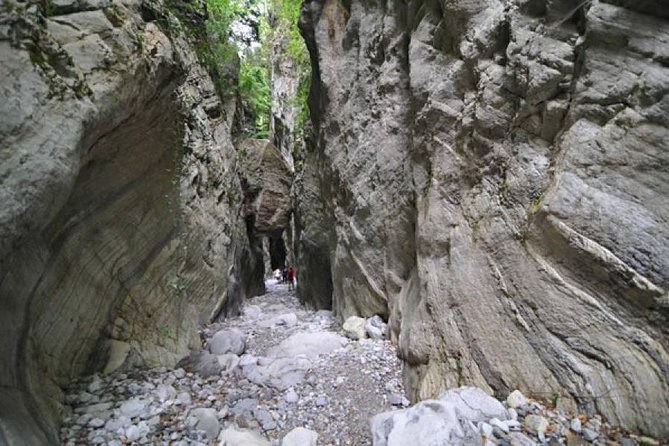
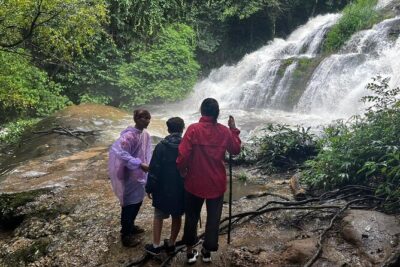
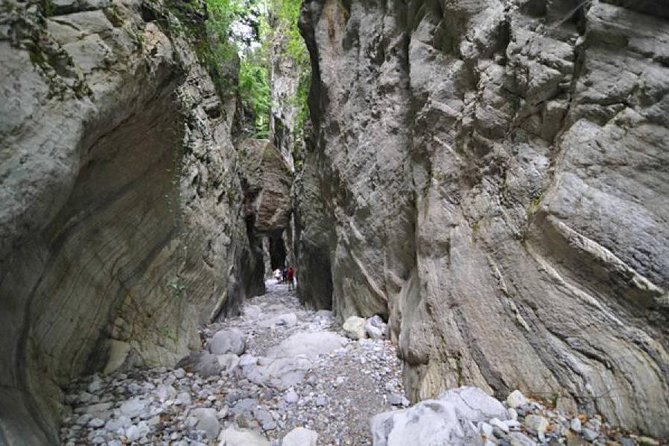
Ridomo Gorge is considered one of West Mani’s standout gorges, and the hike is designed to show you why. The gorge starts from the Taygetos ridgeline and grades down toward the Messinian Bay, forming a natural boundary of western Mani all the way toward Sadova beach. In plain terms: you’re walking inside a natural cut through the region’s geology.
The vibe is often described as almost mystical. That’s not marketing fluff you have to believe; it comes from the mix of steep rock walls, intense color bands, and the greenery that grows into the cracks. One minute you’re thinking about footing; the next you’re looking at layered rock like it’s a page in a history book.
You can also read our reviews of more tours and experiences in Kalamata.
Kardamyli pickup and the ride up to Vorio village
Your morning begins back at the meeting point in Kardamyli, and the schedule includes transport to the start of the hike and then back again at the end. Expect about a 30-minute drive up to Vorio village, where the hiking part begins.
What I like about this format is simple: you’re not wasting half your day on the road before you even start walking. Once you reach Vorio, the route shifts into downhill motion as you make your way toward the riverbed area.
Entering the gorge: rock layers, color bands, and riverbed walking
Downhill is the theme, and it’s the reason this hike feels like it “opens up” as you go. You leave the village setting and move into the gorge itself, where the rock becomes the main character.
The standout details here are the stratification of the rocks (those visible layers) and the intense rock colors that contrast against the greenery in and around the gorge. The guides also point out plants along the route, so you’re not only looking at rock—you’re learning what’s living there.
This part is a good match if you like guided attention. The gorge is spectacular on its own, but the explanations help you notice what your eyes would likely miss on a self-guided walk.
Toward MANA spring: how the route keeps changing
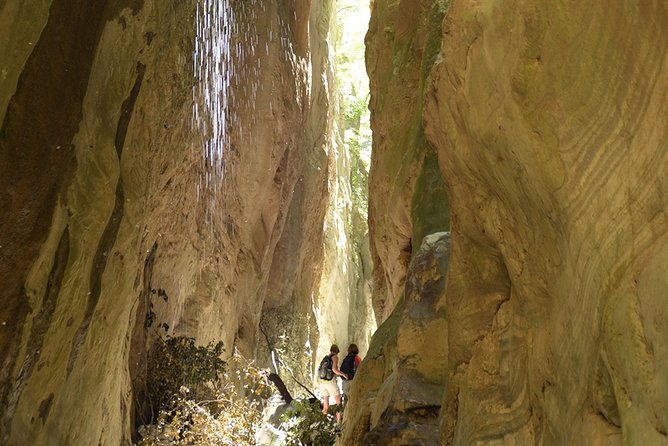
The hike’s title includes MANA spring, and the day is structured around moving through Ridomo Gorge toward that area as part of the route. While you’re walking, the terrain shifts from smoother downhill sections to more rocky, uneven ground.
This is where the guide support matters. You’ll get help with technique for navigating rough patches, and you’re not expected to power through. The group size stays small, which makes it easier for the guide to check your footing and pace.
If you’re the type who likes having a goal, this is a clear one: you’re not just walking around randomly. You’re working your way through the gorge toward a specific destination point within the hike.
Safety matters on rocky ground: helmets, first aid, and guided climbs
Ridomo Gorge isn’t a flat park trail. Even when the overall hike is described as moderate, you should assume there are parts where footing gets tricky.
That’s why I really value the helmets and the fact that an experienced first aid guide leads the hike. The safety setup isn’t just a formality—it’s there for the moments you need extra attention, especially in the rocky middle sections.
From what’s described during the day, there can be larger rocks and small climbs. The guides help people climb over those sections and share practical tips for moving through the gorge without rushing. Names you may hear include Smaro, Yannis/Yiannis, Ianis, Jorge, and Sotiria/Sotiras, and the common thread is patient, hands-on guidance.
Timing, pace, and group size (why it feels less crowded)
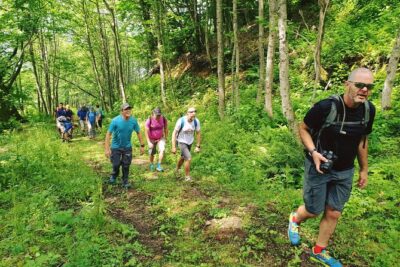
The full experience runs about 4 hours 30 minutes (approx.), and the group is capped at 6 travelers. That matters more than you might think.
In smaller groups, you spend less time waiting and more time actually moving, watching, and asking questions. You also tend to get a more personal pace for the uphill/downhill moments—especially if you’re not a fast hiker.
The hike is meant for people with at least moderate physical fitness. One helpful note from the descriptions is that you don’t need to be an athlete, but you should be comfortable on uneven ground and ready for a couple of short rocky climbs.
What to pack for Ridomo Gorge in real life
Because the tour includes helmets but not food or drinks, your main packing decisions should be about your comfort and energy.
Here’s what I’d plan on:
- Good hiking boots with solid grip (you’ll want sure traction on rocky footing)
- A small water and snack strategy since nothing is provided
- Layers, because gorge weather can feel different from the village level (cooler shade and changing airflow)
Also think about how long you’ll be on your feet. Four and a half hours isn’t huge, but it’s long enough that good shoes and pacing matter.
If you’re bringing a service animal, the activity allows service animals.
Price and value: is $118.95 worth it?
At $118.95 per person, this isn’t a budget bus tour. But the value comes from several things stacked together: small group size (max 6), an experienced guide plus a first aider, helmets provided, and return transfer from the starting point.
The key cost driver here is labor and safety, not just transportation. When you add in that you’re learning about geology, plants, and how to handle rocky steps, the price starts to make sense as a guided active experience rather than a quick sightseeing stop.
One more practical note: it’s typically booked about 30 days in advance on average, so if you’re set on a specific date, don’t wait until the last week.
Who this hike suits best (and who should rethink it)
This hike is a great fit if you:
- Want a guided gorge walk with real explanations (geology, plants, and route tips)
- Prefer small groups
- Can handle uneven ground and short rocky climbs with help
- Like active mornings more than long museum-style stops
It may be less ideal if you:
- Struggle with moderate uneven terrain
- Need longer rest breaks than the usual hike rhythm
- Don’t want to manage snacks and water yourself (since food/drinks are not included)
Should you book the Ridomo Gorge to MANA spring hike?
If your ideal Man(i) day includes geology, color, and a guide who can point out what’s happening in the rock and the plants, this one is an easy “yes” for me. The safety structure (helmets and a first-aid guide) and the small group size make it feel controlled enough for a rocky gorge without taking the adventure out of it.
Book it when you want an authentic, active experience in West Mani—not a crowded viewpoint stop, but a guided walk through a real natural boundary carved into the landscape.
FAQ
FAQ
How long is the Ridomo Gorge hike to MANA spring?
The hike runs about 4 hours 30 minutes (approx.).
What’s included in the price?
You get helmets, an experienced guide and first aider, and free transfer to the starting point and return.
Is food or drinks included?
No. Food and drinks are not included.
What group size should I expect?
The activity is limited to a maximum of 6 travelers.
How fit do I need to be?
The tour is for people with moderate physical fitness. You should be comfortable with walking and a few rocky sections where guidance may be needed.
When will I get confirmation after booking?
You should receive confirmation within 48 hours of booking, subject to availability.
What if the weather is poor?
This experience requires good weather. If it’s canceled due to poor weather, you’ll be offered a different date or a full refund.
Can I get a full refund if I cancel?
Yes, you can cancel for a full refund up to 24 hours in advance. If you cancel less than 24 hours before the start time, the amount paid will not be refunded.