REVIEW · BEIJING
Private Great Wall Hiking Tour from Simatai West to Jinshanling
Book on Viator →Operated by Trippest Travel · Bookable on Viator
A long Great Wall day starts with one steep decision. This private hike links Simatai West to Jinshanling, taking you through intact and crumbled stretches with watchtower views that feel bigger than the photos. I like that it’s less-visited and unrestored, so the day feels more like walking the wall than checking boxes. I also like the practical support: hotel pickup and drop-off, bottled water in the van, and an English-speaking guide who explains what you’re seeing. One thing to consider: the path is uneven, and there’s no toilet on the Wall path—you’ll need to plan and carry your own toilet paper.
The flow is straightforward: go up, walk west between watchtowers, eat a simple local lunch, then head back to Beijing before traffic gets too spicy. If you’re aiming for real walking time and a calmer atmosphere, this one fits. If you need lots of built-in breaks or fully flat footing, you may feel the day more than you expect—though one review mentioned a lift option was closed at the time of their visit, so don’t count on shortcuts.
In This Review
- Key things that make this tour work
- Simatai West: the first climb and the payoff
- Watchtower-to-watchtower hiking: why the route feels different
- Getting off at Jinshanling: Shalingkou vs Zhuanduokou
- Lunch at a local farmer’s restaurant: warm food beats fast bites
- Beijing pickup and return: less stress, more wall time
- Price and value: where the $222 goes
- The “farmers follow you” factor: how to handle the Wall hustlers
- Fitness reality check: who will love this and who might struggle
- Should you book this private Simatai West to Jinshanling hike?
- FAQ
- What time does the tour start?
- How long is the tour?
- What’s included in the price?
- Is a cable car included?
- Are there toilets on the Great Wall path?
- What happens if the weather is poor?
Key things that make this tour work
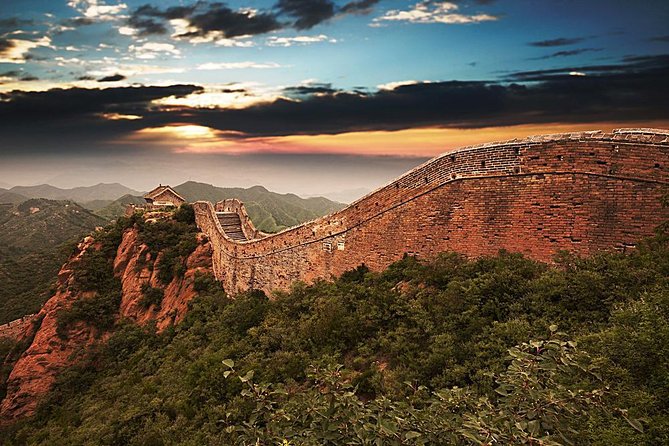
- Simatai West to Jinshanling on one day: you cover two key sections instead of choosing only one
- Unrestored feel, not a theme park wall: you get crumbled and intact watchtowers along the way
- Hotel pickup and drop-off: less time wrestling with transit, more time walking
- Lunch at a local farmer’s restaurant: a warm, hearty break away from tourist lanes
- Water and a day pack plan: bottled water is stocked in the vehicle, and you’ll want your own small pack
- Photo stops built in: the wall threads along ridges, so there’s time to pause and look up
Simatai West: the first climb and the payoff
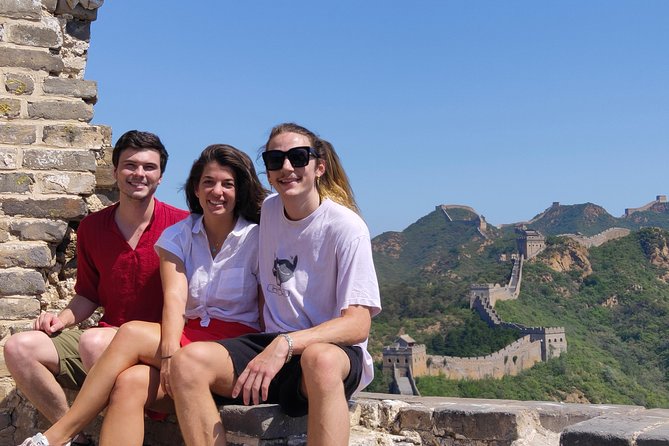
You start early, around 8:00 am, with pickup from your central Beijing hotel. From there, you head north in an air-conditioned vehicle with an experienced driver, and your English-speaking hiking guide keeps the ride useful—sharing what to look for on the Jinshanling side and what makes Simatai’s western area special.
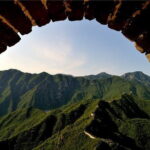
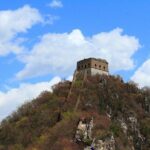
The hike itself begins at Simatai West. Plan on a climb to a major landmark: East-Five-Watchtower. The walk up is about 40 minutes of steps, and it’s exactly the kind of warm-up that tells you whether your legs are ready for the day. This is where you’ll start to earn the views. Once you reach the top, you get panoramic scenery—often the kind that makes you stop talking for a minute.
What I like here is the rhythm: you don’t just grind uphill. You crest, you look, you take photos, and then you move on. It’s also a good moment to judge your pace. Your guide keeps things flexible, so you’re not stuck being marched at a sprint.
One more practical thing: Simatai West and Jinshanling both have toilets at the entrances, but not along the Wall route. So right before you start hiking, treat that restroom area like it’s your best friend.
You can also read our reviews of more tours and experiences in Beijing.
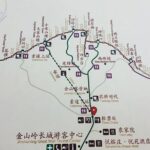
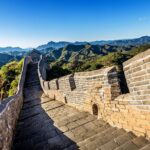
Watchtower-to-watchtower hiking: why the route feels different
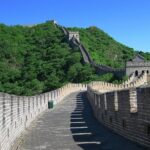
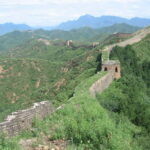
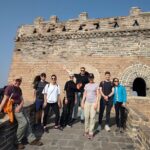
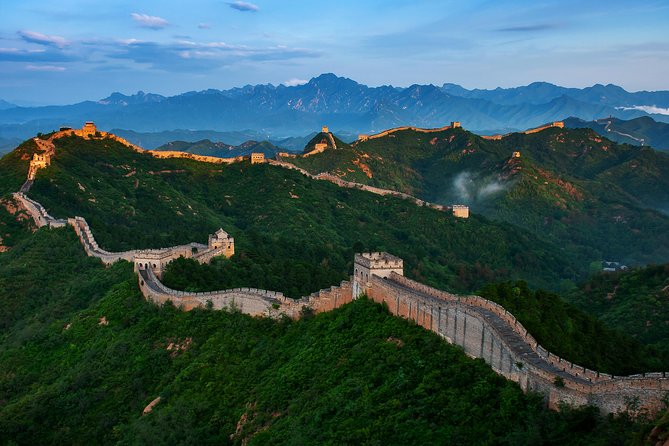
After your first viewpoint break, the day becomes a “watchtower-to-watchtower” walk. You head west from Simatai toward Jinshanling, negotiating uneven ground as the trail follows the wall’s path along ridges.
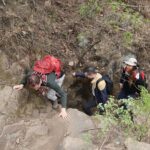
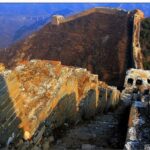
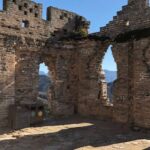
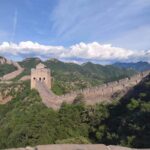
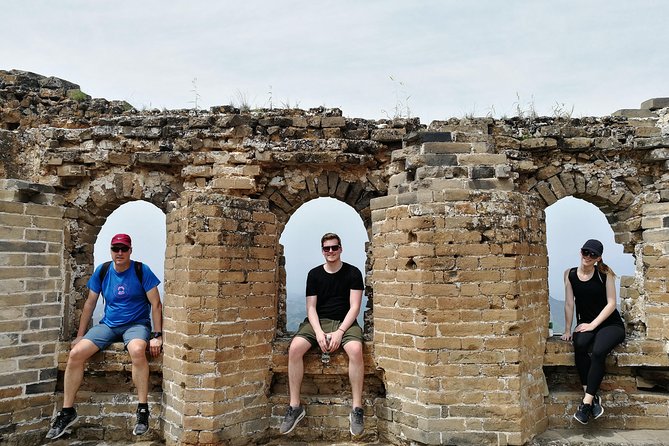
This part is the heart of the experience, because it’s where you truly experience the Great Wall as an outdoor route, not just a monument. You’ll see both intact segments and crumbling sections, and the terrain does what it’s supposed to do: it reminds you this was built for defense, not strolling. That means careful footing, occasional awkward steps, and moments where you’ll want to pause and re-check where the next section goes.
The guide’s explanations matter more than you might think. Jinshanling is part of what made the Great Wall such a long-lasting engineering project, and you’ll learn about how it was built during the Ming dynasty (1368 to 1644). Even if you’ve read about the wall before, hearing it tied to the specific sections you’re walking helps your brain understand the route instead of just admiring it.
You’ll also get regular photo opportunities. The wall often snakes along ridges where the angle of the watchtowers changes as you walk. That’s why this tour leans into your pace rather than forcing a strict timetable. If you want 10 extra minutes to let the scenery settle in, you can usually take it.
Getting off at Jinshanling: Shalingkou vs Zhuanduokou
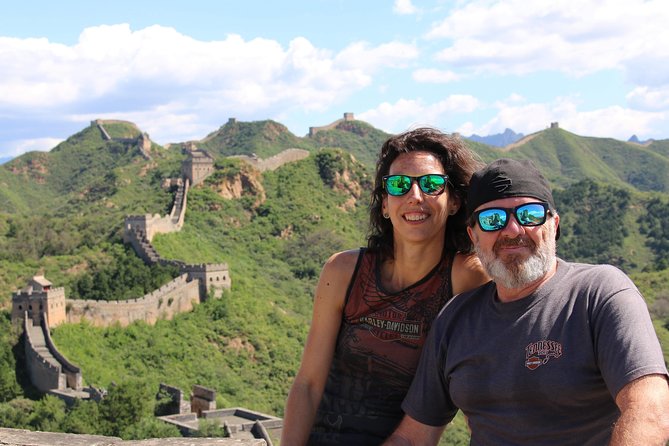
You’ll exit the hike at Jinshanling at Shalingkou or, if you still have legs, Zhuandoukou (sometimes spelled Zhuanduokou). The choice is simple: Shalingkou is the standard stop, and Zhuandoukou involves about 30 more minutes of walking before you exit.
This is one of the smartest parts of the day. It gives you control. If your stamina is strong and you want a little more time on the wall, go for the extra segment. If you’re managing energy—especially with uneven terrain—Shalingkou keeps you moving toward lunch and the ride back.
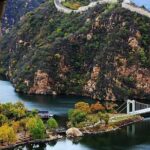
Jinshanling itself is known as a favored area for hikers, with a feel that tends to be less visited than many fully restored stretches. That translates into fewer crowds and a more natural, lived-in impression as you walk through sections that aren’t polished into uniformity. You still get spectacular views, but the experience feels less like a curated route and more like a real trek.
Just remember the practical reality: there’s no toilet along the path. Exit points are your relief points. So plan your timing, carry what you need, and don’t wait until you’re desperate.
Lunch at a local farmer’s restaurant: warm food beats fast bites
After you finish the hike, you head to a local farmer’s restaurant for a home-cooked lunch. This is one of those “small details that make the whole day better.” Great Wall days can turn into snack-and-suffer if you’re not careful. Here, the goal is simple: refill your energy with something solid before heading back.
You’ll likely have time to settle down, eat at a normal pace, and let your legs cool off. Lunch is included, and since your day is long enough already, this avoids you having to hunt for decent food in a place where options can be limited.
A quick tip: pack light but smart. You don’t need a full daypack worth of stuff, but you do need enough to carry your essentials. This tour notes that unlimited bottled waters are stored in the car/van, and you’ll want a day pack to carry them during the walk. That’s a real comfort upgrade when the sun appears or when the hike is more demanding than expected.
Beijing pickup and return: less stress, more wall time
A big part of the value here is the logistics done for you. You get hassle-free hotel pickup and drop-off in Beijing, and the travel is done in an air-conditioned vehicle with an experienced driver. You’re not coordinating multiple transit steps on your own, and you’re not timing your day around guesswork.
The return timing matters too. The tour notes that you’ll want to avoid making appointments after the tour, since the return depends on traffic between roughly 5–6 pm. That’s not a dealbreaker—it’s just good reality-check travel advice.
Also, since this is a private tour, only your group participates. That makes a difference on long days. You can move at a pace that fits your comfort level without the constant pressure of waiting for others or losing time.

Price and value: where the $222 goes
At $222 per person for an approximately 8-hour day, you’re paying for convenience, a guide, and included costs—not just the right to enter the wall.
Here’s what’s included:
- Air-conditioned private vehicle with an experienced driver
- Personal English-speaking hiking tour guide
- Entrance fees for the Great Wall
- Bottled water
- Lunch at a local farmer’s restaurant
Not included:
- Cable car fees
- Tipping (recommended) for guide/driver
- Personal expenses
- Travel insurance
So the real question isn’t whether the price is low. It’s whether you’re getting your money’s worth in time and stress reduction. For many people, hotel pickup alone pays back a chunk of the cost. Add in included entrance fees and lunch, and you remove several “surprise” costs that often pop up on DIY days.
One extra note on tipping: tipping is recommended on a 2:1 ratio split separately between the guide and the driver for good service. If you like straightforward norms and you don’t want to guess what’s customary, having this guidance helps.
As for cable cars: they’re not included. If you were planning on using them as a backup, confirm options ahead of time and don’t build your plan on them alone.
The “farmers follow you” factor: how to handle the Wall hustlers
There’s a quirk to this route that you should know about before you go. You’ll be followed by local farmers when you start the hike. They offer help along the way, and as a reward they’ll try to sell souvenirs.
This can be charming if you’re in the mood to chat. Or it can be annoying if you want silence while you walk. The good news is the tour provides a clear way to manage it: say NO firmly at the beginning or ignore them and don’t engage. The key is not to half-respond. If you don’t want the sales pitch, cut it early.
If your plan is to stay focused on the wall, treat this like you’d treat any roadside interaction: polite but direct, or no engagement at all.
Fitness reality check: who will love this and who might struggle
This tour suits people with moderate physical fitness. You’ll be walking up steps at Simatai West, then hiking uneven terrain between watchtowers, then continuing to your chosen exit point at Jinshanling.
The day is long, and the wall path doesn’t do you favors with smooth ground. That’s not a bad thing—it’s part of the authenticity. But it does mean you should dress and pace like it’s a hike, not a sightseeing bus stop.
One review also noted there can be a lift option for those less in shape, but it was closed at the time of their visit. That’s not a guarantee for your day, but it’s a good reminder to pack your expectations with flexibility. Assume you’ll walk most of the way unless you’ve confirmed otherwise.
If you’re comfortable hiking for several hours with breaks for photos, you’ll probably love this. If you’re looking for mostly flat walking, you may find the uneven stretches tiring.
Should you book this private Simatai West to Jinshanling hike?
Book it if you want:
- A calmer, less-crowded Great Wall feel with unrestored sections
- Real walking time with a guide explaining what you’re seeing
- Hotel pickup/drop-off and included lunch so the day stays simple
Consider something else if:
- You can’t handle uneven steps and crumbling terrain
- You need frequent restroom access on the path (there isn’t any)
- You strongly prefer fully restored, easy-to-walk sections only
If you’re the type who likes planning just enough to stay comfortable, this tour hits a sweet spot. You’ll spend your day on the wall, not in transit—then fuel up with a real meal before heading back to Beijing.
FAQ
What time does the tour start?
It starts at 8:00 am.
How long is the tour?
The tour lasts about 8 hours.
What’s included in the price?
Included are the air-conditioned vehicle, an English-speaking hiking guide, Great Wall entrance fees, bottled water, and lunch at a local farmer’s restaurant.
Is a cable car included?
No. Cable car fees are not included.
Are there toilets on the Great Wall path?
There are no toilets along the path. Toilets are available at the entrances of Simatai West and Jinshanling. You should also carry toilet paper with you.
What happens if the weather is poor?
This experience requires good weather. If it’s canceled due to poor weather, you’ll be offered a different date or a full refund.