REVIEW · SESTRIERE
Scenic snowshoe hike in Sestriere
Book on GetYourGuide →Operated by Chaberton Outdoor Activities · Bookable on GetYourGuide
Snowshoe silence in the Alps feels unreal. In Sestriere, Piedmont, this guided walk trades ski-crowds for Olympic-era mountain trails and views that can stretch from Monti della Luna toward the French Écrins glaciers. You’ll follow snowy paths on foot, with forests, quiet air, and plenty of chances to pause and look longer than a lift ride allows.
I like two big things right away: the snowshoes and poles are provided, so you can just show up with the right clothes; and the route is paced for real beginners, with a relaxed rhythm that still climbs to rewarding outlooks near Monte Fraiteve.
One thing to consider: this isn’t for the little ones—children under 10 aren’t suitable—and if you prefer super-small groups, you may want to pick a quieter time slot, since group size can affect how fast you move and how often you can linger.
In This Review
- Key highlights worth knowing
- Meeting at Via Monterotta: starting in the center of Sestriere
- Your guide and the snowshoe practice that makes it feel easy
- Gelindo Bordin trail to Monte Fraiteve: the climb that rewards patience
- Photo stop time: how to get the best pictures without slowing everyone down
- Monterotta and Grange Elp Refuge: the snack break that feels local
- The return to Sestriere: steady, flatter, and calmer on the way down
- Price and value: what $53 gets you in real terms
- What to bring for comfort: gloves, layers, and a camera-ready plan
- Who this snowshoe hike fits best (and who should skip it)
- Should you book this Sestriere snowshoe hike?
- FAQ
- How long is the snowshoe hike in Sestriere?
- Where do I meet for the tour?
- What’s included in the price?
- Is transport to the meeting point included?
- What languages are available for the guide?
- What should I bring to the hike?
- Is this tour suitable for children?
- Is it possible to get a refund if plans change?
Key highlights worth knowing
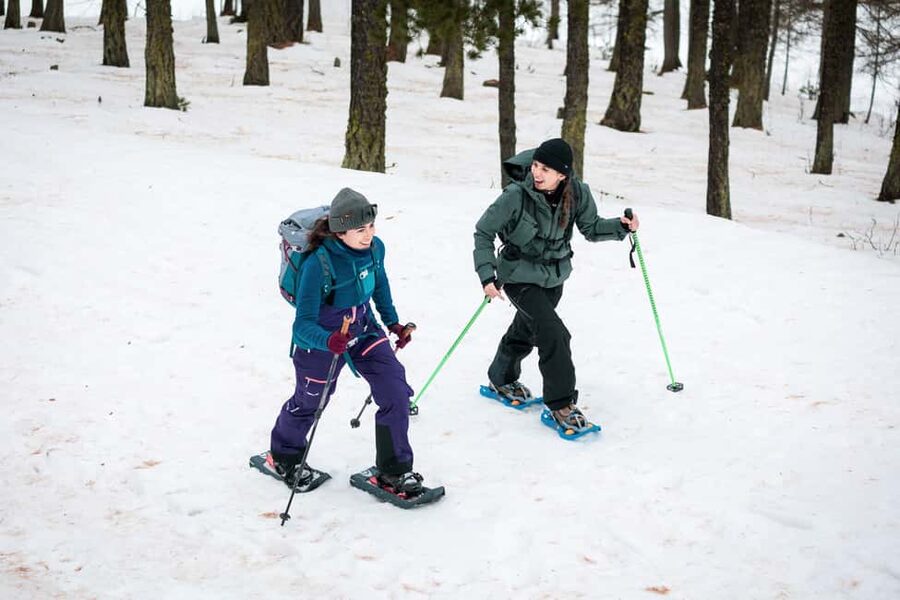
- Olympic surroundings, less crowds: Sestriere’s 2006 Winter Games setting, but on quieter snowy trails away from the busiest slopes.
- All the gear included: snowshoes and poles come with the activity, plus a short fitting and practice first.
- A beginner-friendly route: the pace works for first-timers and families, with built-in time to stop for photos.
- Gelindo Bordin trail views near Monte Fraiteve: steady scenery shifts as you climb into winter forests.
- Monterotta + Grange Elp Refuge break: an optional snack moment with typical Piedmontese mountain products.
- Trilingual guiding: the live guide can work in Italian, English, or French.
Meeting at Via Monterotta: starting in the center of Sestriere
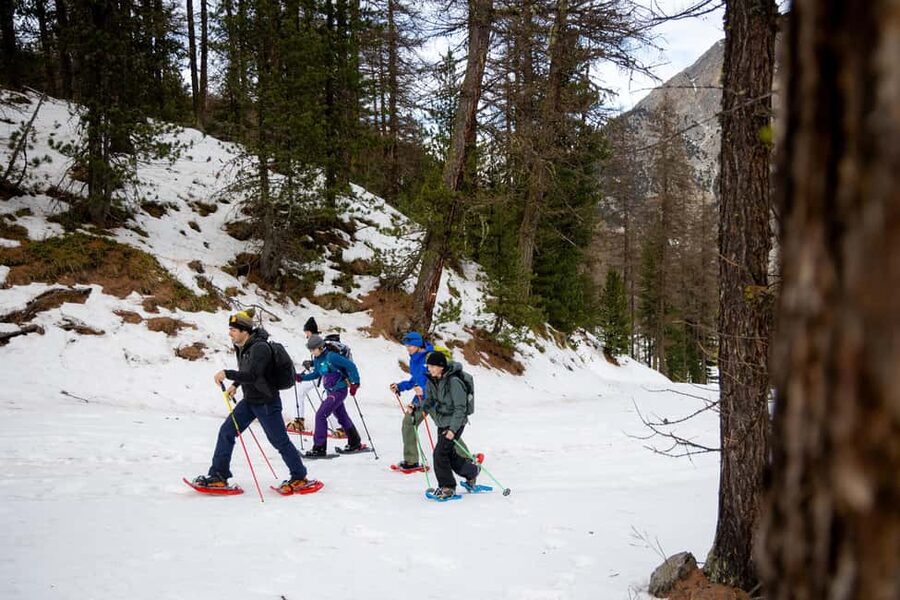
This hike starts in the center of Sestriere, at Via Monterotta, 13, with a meeting area that includes a parking lot. That matters more than it sounds. When you begin right in town, you avoid a half-day scramble trying to time buses or transfers just to get on the snow.
The activity is designed to run smoothly for mixed groups, and you start with the essentials: getting your gear and getting your bearings. Expect a simple flow—no long lead-up, no complicated logistics—so you can spend your energy on walking, not planning.
You’ll also want to think about footwear and clothing early. The snow can be playful underfoot, and you’ll be standing around briefly while the guide fits people and explains technique. Come dressed so you’re comfortable standing still for a few minutes.
Your guide and the snowshoe practice that makes it feel easy
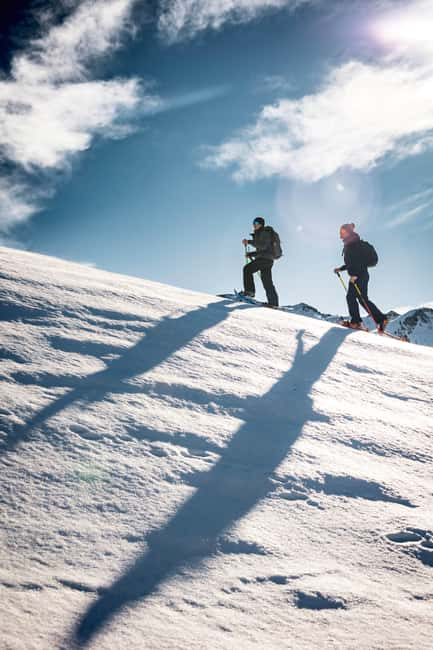
You meet your guide and you’ll get snowshoes and walking poles provided by the organization. Before anyone heads out, there’s an introductory briefing plus practical tests—so you’re not figuring out bindings with cold hands once the trail is already moving.
This is one of the reasons this experience feels accessible. Snowshoeing can look intimidating from the outside, but in practice it’s mostly about balance and pacing. When you get the quick in-person coaching first, you tend to walk more naturally and worry less about slipping or stepping too aggressively.
The guide also brings the “why” behind what you’re seeing. The route includes stops where the guide shares interesting details about alpine flora and fauna, which turns the hike from just exercise into a winter nature experience. In the past, guests have particularly praised guides who explain what’s around you clearly—like the way Nicla was noted for being prepared and strong at describing the local wildlife and scenery.
Language support is another real-life perk. You can get the live guide in Italian, English, or French, which helps a lot if you’re not comfortable with quick explanations in a second language.
Gelindo Bordin trail to Monte Fraiteve: the climb that rewards patience
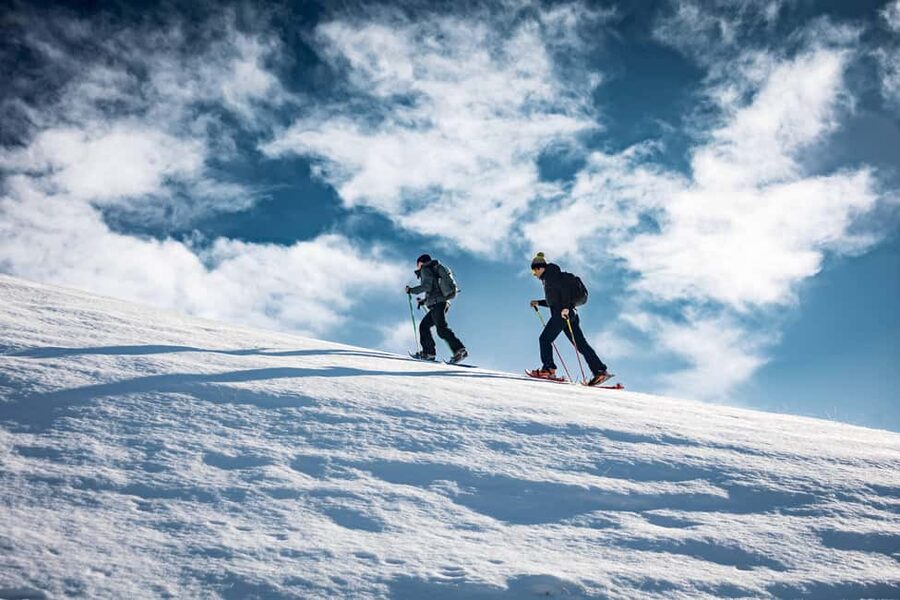
Once you’re set up, you head out along the Gelindo Bordin trail near the base of Monte Fraiteve. In about the first stretch, you’ll be walking for roughly 40 minutes, which is long enough to warm up your legs but not so long that everyone loses the group.
This is where the “Olympic but peaceful” feeling shows up. The route goes through winter forest and opens up gradually, so the scenery changes instead of repeating. One moment you’re focused on footing and rhythm; the next you’re looking out and letting the view do the work.
The area is known for wide-reaching sight lines in clear weather. The hike is described as offering views that stretch from Monti della Luna toward the Écrins massif glaciers in France. Even if you don’t catch the exact farthest points, the mid-range panoramas are what keep people smiling—snow-capped peaks, larch forests, and that rare winter quiet where you can hear yourself think.
If you’re a beginner, this part works because the pace is relaxed. You’ll get chances to pause for photos, and you’re not expected to sprint up a ridge. If you’re with family, that pacing is what makes the whole outing feel doable rather than like a chore.
Photo stop time: how to get the best pictures without slowing everyone down
The plan includes a dedicated photo stop (about 15 minutes). This is more useful than it sounds, especially in winter. If you try to “just stop for a second” without the guide’s timing, you can end up with cold hands and awkward framing while the group behind is trying to keep moving.
At the photo stop, you can step back, take a few minutes to reset your gear, and choose a composition that actually makes sense—tracks disappearing into white, a line of larch trees, or a view from the trail toward the mountains.
Practical tip: keep your camera accessible before you stop. In snowy conditions, that small habit saves you from unzipping gloves repeatedly. Also, if you’re bringing snacks, this is a good moment to check that you’ve got everything you need for later.
The guide also uses these pauses to keep people connected to the place. If you like learning what you’re looking at—tree types, what winter habitats support, and how the slopes shape local wildlife—this is the moment when the explanations tend to land.
Monterotta and Grange Elp Refuge: the snack break that feels local
As you continue, you’ll walk another stretch (about 40 minutes) and then reach Monterotta, where there’s the Grange Elp Refuge. This is where the hike shifts from “moving through snow” to “taking a winter break.”
The refuge stop includes an optional snack break (about 15 minutes). The focus here is on typical products from the Piedmontese mountains. You’re not just re-fueling with something generic—you’re getting a taste of the region’s winter food culture in a setting that fits the day.
Is it a long lunch? No. But that’s the point. This hike stays around a 3-hour total duration, so the snack stop feels like a warm intermission rather than a full stop that stretches the day.
If you’re picky about food, bring your own backup snacks too. Even though there’s an option to stop at the refuge, timing and choices can vary. Drinks also matter in winter. You’ll walk for hours in cold air, and your body still needs hydration even when you don’t feel thirsty.
The return to Sestriere: steady, flatter, and calmer on the way down
After the break, the final walking segment is designed to be easier. You return with a flat and scenic stretch toward Sestriere, ideal for finishing without draining the group’s energy right before the end.
This return segment is often the most relaxed part emotionally. Your effort is already done; now you just enjoy the winter details: the trail shape, the quiet of the forest, and the way the mountain light shifts as you lower altitude.
It also means your group can end the hike in a calmer mood. Families especially tend to like this, since the hardest part happens earlier and the finish doesn’t feel like a second climb.
Total walk time isn’t the whole story. The real value is that the guide keeps the day paced, so you don’t spend the last half hour feeling rushed. That’s part of why guests rate the experience highly—the combination of good guiding and smooth timing tends to keep everyone happy.
Price and value: what $53 gets you in real terms
At around $53 per person for a 3-hour guided outing, the key value isn’t only the view. It’s what the price covers that you’d otherwise have to manage yourself:
- Guided coaching so you can walk safely and comfortably in snowshoes
- Equipment included (snowshoes and poles), which can be a cost and hassle if you’re renting elsewhere
- A route designed for beginners and families, not just experienced hikers
- A chance to see the Olympic Alps from trail level, where it’s quiet and natural instead of ski-lift busy
If you’re traveling without hiking gear, this tour can actually be cheaper than you’d expect because it removes rental friction. If you already have snowshoe equipment, you’re still paying for the guide and the structured route.
One more value point: the guide helps you understand what you’re seeing. That’s not guaranteed on every outdoor tour. Here, it’s part of the experience, especially around flora and fauna notes.
What to bring for comfort: gloves, layers, and a camera-ready plan
The tour’s success is mostly about staying warm and dry enough to enjoy the pauses. The basics to bring include:
- Camera
- Snacks and drinks
- Hiking shoes (good grip matters on snow)
- Jacket and gloves
- Long-sleeved shirt
- Snow clothing and outdoor clothing
- Hiking pants
Also, think in layers. You’re walking for stretches, then stopping for a briefing or photo time. If you dress too warm for movement, you may overheat; if you dress too light for stops, you may chill.
A small planning note: the activity includes equipment and a briefing, but it doesn’t include transportation to the starting point. So make sure you can reach Via Monterotta, 13 and have a parking plan.
Who this snowshoe hike fits best (and who should skip it)
This is a good fit if you want winter scenery without the stress of skiing. It’s suitable for everyone, including families and beginners, thanks to the relaxed pace and the chance to pause often for photos.
It’s also a strong option for couples or friends who want something active but not exhausting. The vibe is outdoor, quiet, and scenic—more nature walk than sports event.
Skip it if you’re looking for a serious endurance challenge or if you’re traveling with kids under 10, since children under 10 aren’t suitable.
If you prefer ultra-small groups, consider choosing a less busy time. One guest noted a group size around 14, and suggested it could be nicer with fewer people. That’s worth keeping in mind if you want more personal attention and more time at the photo/viewpoints.
Should you book this Sestriere snowshoe hike?
Book it if you want an easy-on-the-body way to experience the Piedmont Alps in winter—with real guidance, snowshoes provided, and a route that’s paced for beginners. The view payoffs near Monte Fraiteve, the calm forest walking, and the optional stop at Grange Elp Refuge make it feel like a complete outing, not just a quick demo.
I’d also book it if you’re the type who likes explanations. When the guide talks about alpine flora and fauna, the hike becomes more memorable than just tracks in snow.
Skip it only if snowshoeing sounds too slow for your style, you need a kid-friendly option under 10, or you strongly dislike group dynamics.
FAQ
How long is the snowshoe hike in Sestriere?
It lasts about 3 hours.
Where do I meet for the tour?
You meet at Via Monterotta, 13, in a parking-lot area.
What’s included in the price?
You get a qualified environmental hiking guide, snowshoes and walking poles, and an introductory briefing with practical tests.
Is transport to the meeting point included?
No. Getting to the starting point is not included.
What languages are available for the guide?
The live guide can be available in Italian, English, and French.
What should I bring to the hike?
Bring a camera, snacks, drinks, hiking shoes, a jacket, gloves, a long-sleeved shirt, and appropriate snow/outdoor clothing and hiking pants.
Is this tour suitable for children?
It is not suitable for children under 10.
Is it possible to get a refund if plans change?
Free cancellation is available up to 24 hours in advance for a full refund. Reserve & pay later options are also offered.