REVIEW · SARDINIA
Gorropu canyon guided hike
Book on Viator →Operated by Jebel Sardinia · Bookable on Viator
Canyons shrink your sense of scale fast. This Gorropu Canyon hike is a full-day workout with real payoff: you drop into the valley, wade the Flumineddu river, and walk beside cliffs that rise over 400 meters above the canyon floor. I especially love the way the guide, Sergio, turns the terrain into a story you can feel—microclimate, trees, and even a rare plant called Acquilegia di Gorropu.
There’s a catch: you’ll need good fitness. The route includes boulder scrambling where you may use your hands, and the timing works best early to avoid heat and the bigger crowds rolling in.
In This Review
- Key things that make this hike worth your time
- Gorropu Canyon: what you’re actually hiking
- Orosei pickup and the off-road start (shared transfer style)
- From Flumineddu river to the canyon entrance in under two hours
- Inside Gola di Gorropu: the wall-walk, the boulders, and the color sections
- The green / yellow / red reality check
- Sergio’s canyon commentary: plants, microclimate, and why it matters
- The turnaround, then lunch with cool water nearby
- What about food?
- Gear and fitness: how to avoid the usual regrets
- Pace, group size, and what “guided” really gives you
- Price and value: is $78.64 a good deal?
- Timing and weather: the day’s two big variables
- Should you book the Gorropu Canyon guided hike?
- FAQ
- How long is the Gorropu Canyon guided hike?
- What time does the tour start?
- Is the canyon entrance ticket included?
- What fitness level do I need?
- What language is the tour offered in?
- What should I bring for lunch?
Key things that make this hike worth your time
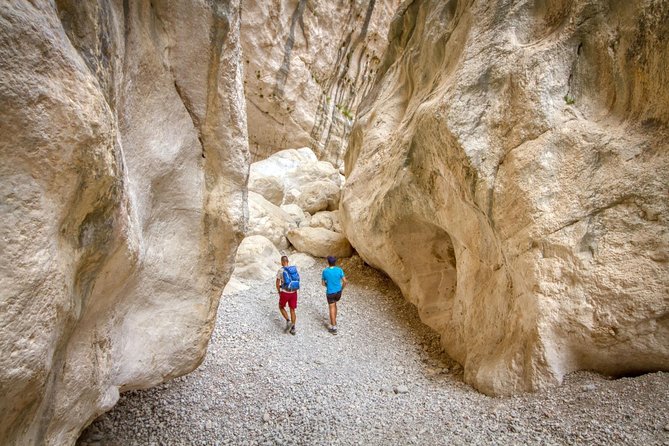
- Early Orosei pickup plus a shared ride to the trail area, keeping logistics simple.
- River entry right at the start, walking through woodland of holm oaks and Mediterranean scrub after wading the Flumineddu.
- Stunning canyon walls, depth included—one of the deepest canyons in Europe, with sheer rock rising more than 400 meters.
- A trail that changes difficulty, with a color-style breakdown (green, yellow, red) as rocks get more demanding.
- Hands-on scrambling when needed, then you turn back when the safest option says stop.
- Lunch in-canyon with cool water nearby, but you bring your own food since there’s no lunch purchase inside.
Gorropu Canyon: what you’re actually hiking
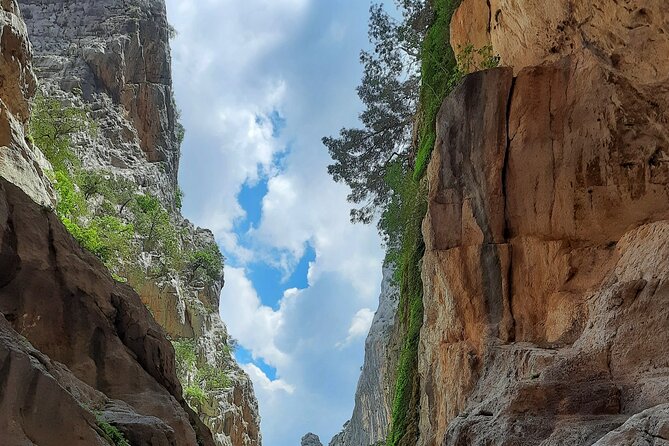
Gorropu Canyon is the kind of place where photos struggle. Up close, the depth hits you in steps: you’re walking along narrow ground that sits under massive walls, and the air can feel different inside the gorge. The canyon’s microclimate matters here. It supports growth you wouldn’t expect in a rough, rocky environment.
This trek also has a sense of “nature plus specifics,” not just scenery. You’ll hear commentary about plants tied to the canyon’s conditions, including Phyllirea and an old yew tree. And if you’re the kind of traveler who likes rare details, Sergio points out the endemic grass Acquilegia di Gorropu, known from only a few spots within the canyon.
You can also read our reviews of more tours and experiences in Sardinia.
Orosei pickup and the off-road start (shared transfer style)
Your day begins with an early start—8:30 am—and the tour is designed to pick you up from central Orosei if that option is selected. The transfer is round-trip shared, so you’re not alone in a private car, but the group stays small (max 8 travelers). That matters because a smaller group generally means less waiting around at tight spots.
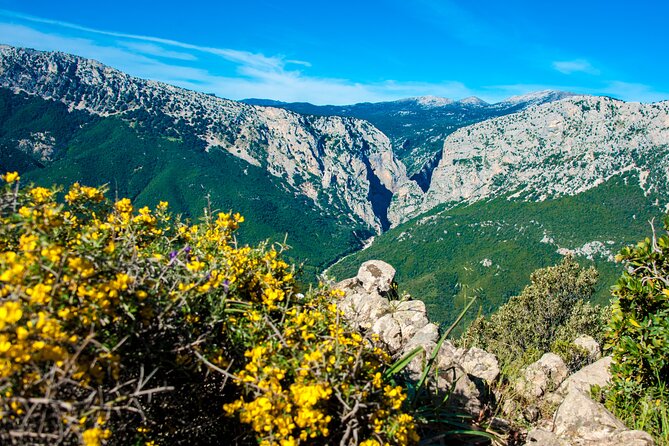
After pickup, you drive toward the trail area and then onto rougher roads. One of the most memorable parts for many people is the 700-meter descent by 4-wheel drive on dirt roads to get you down into the valley. It’s not just transport—it sets your body up for what’s coming next: the hike feels like it begins already “in motion,” not after you’ve warmed up.
From Flumineddu river to the canyon entrance in under two hours
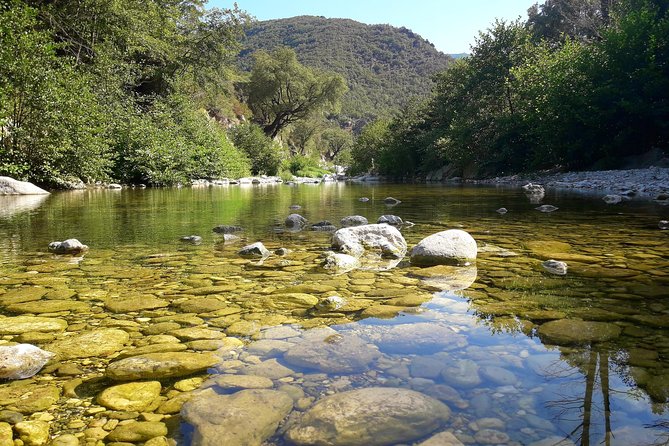
The first leg is all about stepping into the canyon world. You leave Orosei, then drive off-road to descend into the valley where the trail begins. Soon, you’ll wade the Flumineddu river, then walk into woodland shaped by holm oaks and Mediterranean scrub.
As you walk, you move along the cliffs of Mount Oddeu, and the canyon entrance comes in less than about two hours from the start of the hiking phase. This sequence is smart: it gets you out of the “just arrived” mindset and lets you ease into the canyon setting before things get rocky.
One practical note: you’re entering water early. Even if the water is manageable, plan for wet shoes and plan for the fact you’ll still have to move over uneven ground right after.
Inside Gola di Gorropu: the wall-walk, the boulders, and the color sections
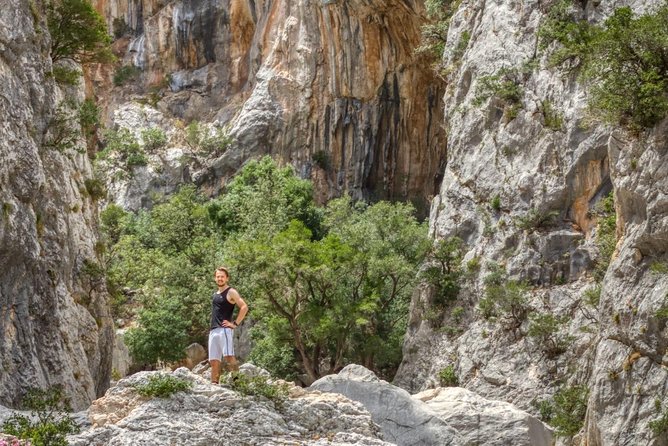
Stop 1 is Gola di Gorropu, and this is the heart of the experience. The canyon walls climb over 400 meters above the river bed, which is a serious visual cue that you’re in a deep system, not a light stroll through a narrow gorge.
The hike into the canyon includes a dirt-track approach and then the real walking along the canyon path. Expect around 3 km of dirt track to reach the entrance, then a further about 1 km deeper into the route. Timing varies by conditions and group pace, but it’s long enough that you’ll feel it by the time you reach the thickest boulder sections.
The green / yellow / red reality check
The route is described in a green, yellow, and red style of difficulty. Think of it like guidance for how technical the path gets:
- Green sections are easier, but still rocky.
- Yellow means the rocks get larger and the footing gets more serious.
- Red is for the daring, where you may need to use your hands to negotiate boulders.
And here’s the key safety element: when it’s no longer possible or safe to continue forward, you turn back and retrace your steps. That keeps the day from turning into a “maybe I can push through” situation.
Sergio’s canyon commentary: plants, microclimate, and why it matters
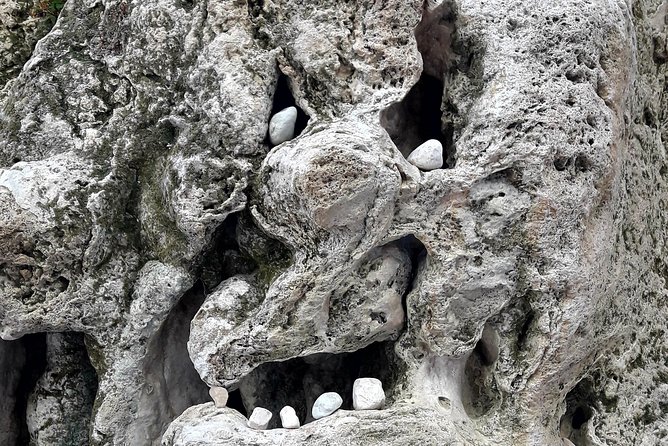
A great guided hike is more than a person pointing at rocks. What works here is how the commentary connects to what you see and feel.
Inside Gorropu, the canyon acts like a natural environmental funnel. That’s why you get that “different air” sensation and why certain trees and plants can thrive. Sergio explains those patterns so the microclimate isn’t just a line on a sign—it becomes part of your walking experience.
You’ll hear about:
- Phyllirea growth linked to canyon conditions
- an old yew tree found within this protected environment
- the endemic grass Acquilegia di Gorropu, rare and limited to very few individuals inside the canyon
Even if you’re not a plant person, it changes how you look at the canyon floor and cliff edges. You stop seeing a generic rocky channel and start seeing a system that supports very particular life.
The turnaround, then lunch with cool water nearby
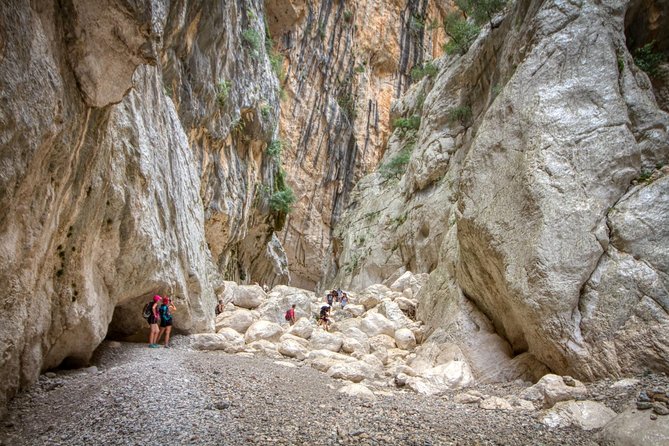
Once you’ve reached the furthest safe point, you head back along the route you came from. Retracing isn’t a punishment here—it’s usually when the canyon starts to feel more dramatic. You notice details you missed the first time, and you’ll be able to judge your footing with more confidence.
After exiting, the group pauses for lunch in a canyon spot where there are fresh water pools. You can dip your feet to cool down—small thing, huge relief after scrambling and river walking.
What about food?
Lunch isn’t included, and there’s no place to buy it inside. Bring what you can carry comfortably. If you’re tempted to count on snacks at a shop nearby, don’t. This is one of those hikes where you control the day by controlling your food.
Gear and fitness: how to avoid the usual regrets
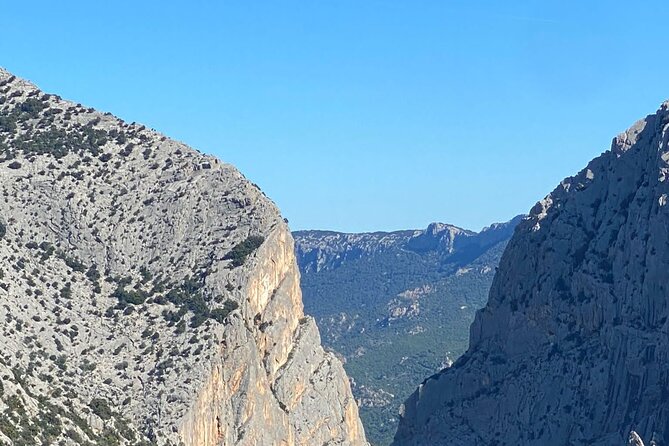
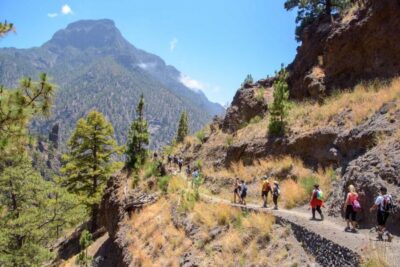
This hike is rated for people with moderate fitness, and it’s not a “casual walk.” You’ll be on a route that gets rough, with sections where you may need hand support. That means you want grip, stable footing, and shoes that can handle rocks and water.
The simplest rule: skip flip-flops and sandals. Wear trainers with grip or proper hiking shoes. One helpful practical detail from the experience: even when the trail isn’t constantly muddy, the boulder scrambling is where soft soles and smooth shoes turn into a hassle.
Also think about the timing of the day. Because you’re in a canyon setting with exposed periods and because it’s an 8-hour outing, you’ll feel heat. Starting early is not just a suggestion—it’s how you keep the day enjoyable.
Pace, group size, and what “guided” really gives you
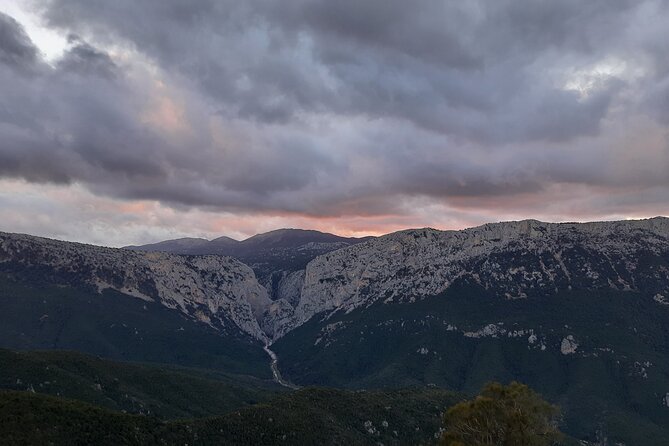
This is a guided hike with a driver/guide and a local/professional guide team. That matters because canyon routes depend on safe choices at each step. A good guide doesn’t just know the path—they help you move through it without panic when the ground shifts from “walkable” to “scramble.”
With a maximum of 8 travelers, you’re more likely to get individual attention when someone moves slower or when conditions require a small adjustment. That’s especially valuable on sections where boulders dominate and there’s more than one way to step around them.
Pace is another hidden value. You’ll get a plan for how long you spend in each section and where you take breaks, so you don’t burn out early and then suffer the return.
Price and value: is $78.64 a good deal?
At $78.64 per person, the cost is in the range where you’re paying for the guide expertise and the time-consuming logistics—not just the hiking itself. What you get included is substantial:
- driver/guide and local guidance
- professional guiding
- hotel pickup and drop-off if you selected that option
- round-trip shared transfer
Then there’s the canyon entrance ticket (€6 per person) that you pay cash on the spot. That’s the one extra you should plan for so it doesn’t surprise you at the entrance.
Lunch isn’t included, so factor in what you’ll pack. When you add that in, the value still holds if you want an organized, safety-focused route through one of Sardinia’s most dramatic canyons—without renting vehicles or figuring out a technical walking plan by yourself.
Timing and weather: the day’s two big variables
This experience depends on good weather. If conditions aren’t right, you’ll be offered a different date or a full refund. Since the hike includes water wading and rocky scrambling, it’s smart to take weather seriously rather than “tough it out.”
As for timing: the best approach is simple—go early. The hike is better earlier in the day due to heat and due to bigger crowds later. If you’re the type who hates waiting behind groups at photo spots or at tricky footing, starting at 8:30 am works in your favor.
Should you book the Gorropu Canyon guided hike?
Book it if you want an active day with a serious nature payoff and you like guided storytelling that connects geology, plants, and how to move safely. This is also a great pick if you’re traveling from Orosei and want an organized plan without juggling transport.
Don’t book it if you want a flat, easy walk. You should expect boulders, possible hand use in more difficult sections, and a full 8-hour day. Also, come prepared to bring lunch—and bring shoes with real grip.
If you’re mentally ready for effort and you choose proper footwear, Gorropu Canyon delivers what it promises: deep canyon walls, a guided route that keeps you confident, and that cool-water lunch moment that feels earned.
FAQ
How long is the Gorropu Canyon guided hike?
The hike runs about 8 hours (approximately), including the transfer time and time spent in the canyon.
What time does the tour start?
The start time is 8:30 am, with pickup from central Orosei if you selected the pickup option.
Is the canyon entrance ticket included?
No. The entrance ticket to the canyon costs €6 per person and must be paid on the spot in cash.
What fitness level do I need?
You should have a moderate physical fitness level. The route can involve rough terrain and sometimes requires using your hands to pass boulders.
What language is the tour offered in?
The tour is offered in English.
What should I bring for lunch?
Lunch isn’t included, and there isn’t food available inside the canyon. Bring your own lunch for the stop during the hike.