REVIEW · SEWARD
Seward Wilderness Hiking
Book on Viator →Operated by Kenai Backcountry Adventures · Bookable on Viator
Seward’s ice and forest hikes feel like a hidden science class. This guided outing takes you from the trailhead into the Alaskan wilderness with a professional leader who helps you stay found, spot wildlife, and understand what you’re seeing. I especially like that guides can tailor the route to your pace and preferences, so a “good workout” day can still feel fun instead of punishing.
Two things I really value: first, the route is designed to hit big scenery and meaningful stops, not just a random walk. Second, the experience stays human-scaled—small group hiking (max 12) with interpretive guidance, plus hotel/port pickup and drop-off so you’re not coordinating your own logistics. A possible drawback: the trails can get rocky and step-like, so if you prefer a smoother option, you’ll want to ask clearly before you commit to the more rugged version.
In This Review
- Key highlights you’ll feel on the hike
- What this Seward wilderness hike is really about
- Price and what you’re paying for (it’s not just a hike)
- Small-group logistics: the day flows, and you don’t have to drive
- Stop 1: Harding Ice Field Trail and the feeling of real scale
- Stop 2: Resurrection Bay—where wildlife and weather both matter
- Stop 3: Kenai Fjords National Park—more meaning than just another viewpoint
- Stop 4: Seward at the end—your “after” matters too
- Customizing the hike: tell the guide what you want
- What guides actually add: facts, plants, stories, and calm in wildlife moments
- Gear and trail comfort: trekking poles are included, but you still need the right mindset
- Duration: plan for a 6-hour day, not just hiking hours
- Who this tour is best for (and who should think twice)
- Should you book Seward Wilderness Hiking?
- FAQ
- What time does the Seward Wilderness Hiking tour start?
- Where do I meet the tour?
- How long is the tour?
- How big is the group?
- What’s included in the price?
- Can I cancel and get a refund?
Key highlights you’ll feel on the hike
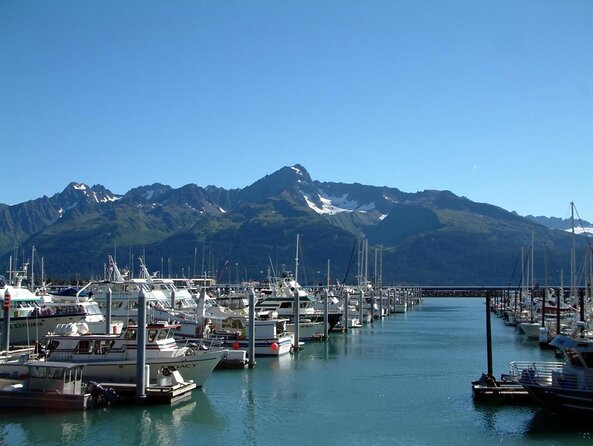
- Small group pacing (up to 12) keeps the day relaxed and lets the guide adjust when someone needs a breather
- Trekking poles included help on uneven ground, especially when footing gets tricky
- Guided stopping points connect the hike to what’s happening in the ice, the bay, and the national park area
- Wildcard wildlife moments like moose sightings and calm bear encounters can happen when you’re out there
- Route customization means beginners and intermediate hikers can still get a satisfying “Alaska” day
What this Seward wilderness hike is really about
On paper, this is a 6-hour guided hiking tour out of Seward. In practice, it’s a day about being out in the real Seward region—ice, forest, water views, and the kind of local context you don’t get when you hike solo.
You’ll start with a safety briefing and a quick setup with your guide. That matters more than you’d think. When you’re in cold-weather terrain—uneven footing, slick patches, short climbs—knowing what to watch for turns “I hope I don’t slip” into “I can enjoy this.”
And you’re not stuck with one fixed route. The hike is customized to your fitness level and preferences, which is a big deal for mixed groups. One person wants a tougher line; another just wants steady progress and great photos. The guide’s job is to read the group and choose accordingly.
You can also read our reviews of more tours and experiences in Seward.

Price and what you’re paying for (it’s not just a hike)
At $342.42 per person for an approx. 6-hour outing, you’re paying for more than trail time. Your ticket includes:
- A professional guide with interpretive hiking
- Hiking equipment: trekking poles
- Round-trip ground transportation from Seward to the trailhead area
- Hotel/port pickup and drop-off within Seward
That bundle is where the value lives. If you were doing it on your own, you’d still need to solve the hard parts: safe navigation, knowing where the best viewpoints are, and how to handle wildlife encounters calmly if they happen right away. Paying for a guide isn’t just convenience—it’s a risk-reducer when conditions and terrain are unpredictable.
Also, a lot of the “worth it” talk in the feedback comes down to guides like Lochlan and Derek, who don’t just point and go. They explain plants, animals, glacier features, and local geography in a way that makes the hike stick with you after the photos fade.
Small-group logistics: the day flows, and you don’t have to drive
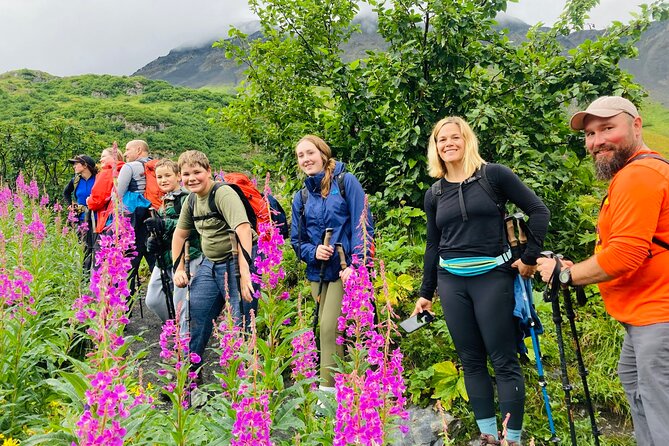
This is a small group outing with a maximum of 12 travelers. That size keeps it organized without turning it into a conveyor belt. You’ll meet at Kenai Backcountry Adventures, 11724 Seward Hwy # A (Suite A), Seward. The start time is 9:00 am, and they ask you to arrive 15 minutes early.
If you’re staying in town, the pickup and drop-off is a practical win. You’re not guessing about parking, hauling gear, or timing a return ride after you’re tired. It’s also easier for couples, families, and solo hikers who want a guided day but still like control over their own pace.
One more nice detail: you’ll get a mobile ticket, and the activity is noted as near public transportation. If you’re mixing this with other Seward plans, that flexibility can save time.
Stop 1: Harding Ice Field Trail and the feeling of real scale
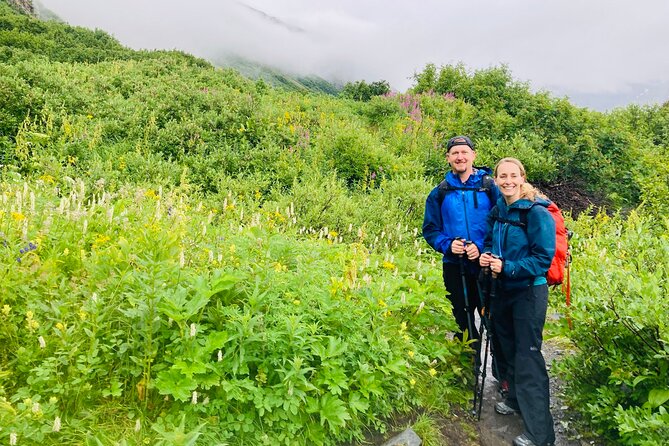
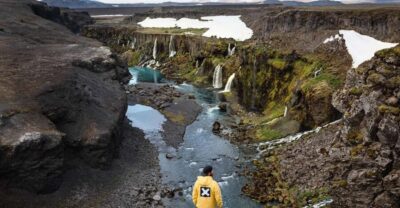
The day begins on the Harding Ice Field Trail. This is the kind of place where the terrain looks simple until you’re standing on it—then you realize scale matters. Ice field country tends to change how you perceive distance and elevation. Even if your hike is not “technical climbing,” you’ll still earn your view.
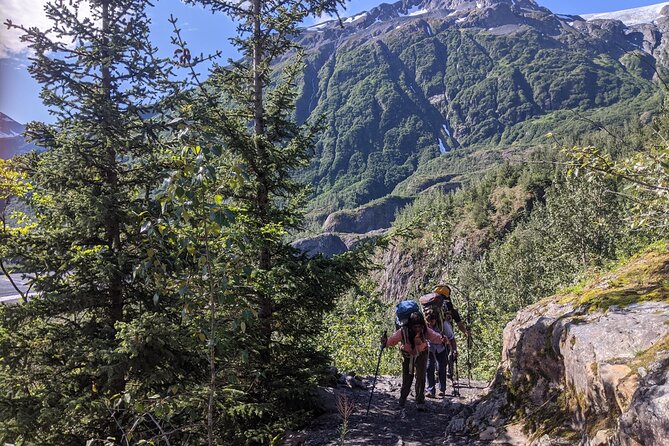
This is also where the included trekking poles earn their keep. In feedback, a common theme is that the trails can be more rugged than people expect. Poles help you steady yourself on uneven ground and reduce the strain on knees during short steep stretches.
What I’d watch for: if you’re the type who dislikes step-like, rocky footing, don’t guess. Ask the guide what the walking will feel like for your specific option. One person scored the experience lower mainly because the booking info wasn’t clear about rocky conditions and the existence of an easier alternative. Translation for you: clarity at the start is worth more than optimism.
Stop 2: Resurrection Bay—where wildlife and weather both matter
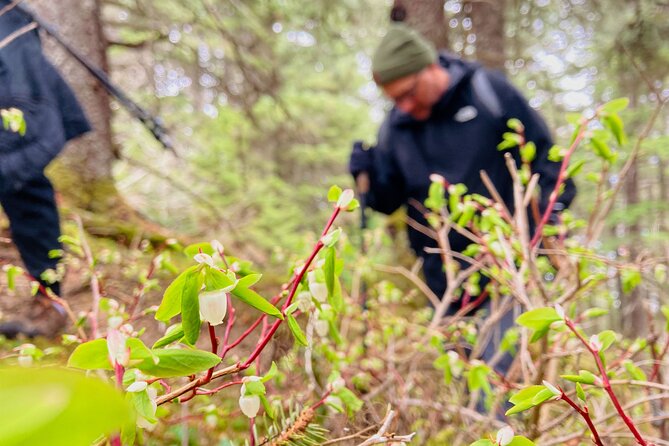
From the ice trail area, the outing shifts toward Resurrection Bay. Think of this part as a “read the world” moment. You’re no longer only focused on your next step—you’re also taking in the water, the direction of the light, and where animals might be active.
This is where guides tend to shine, because local wildlife knowledge isn’t trivia. It changes how you look. You learn what’s worth scanning for, what behavior matters, and how to watch without crowding.
Wildlife sightings show up in the feedback in very real ways. People talk about spotting a bear and how the guide managed the situation calmly—slow movement, getting behind the group, and staying composed until the animal moved on. Others mention moose sightings too. When wildlife shows up, you want someone who’s practiced at keeping everyone safe and calm, not someone guessing.
Also, Resurrection Bay is a reminder that weather in coastal Alaska can shift quickly. If visibility is low, you may get more “imagine it” views than crisp postcard views. Still, the guide’s interpretive talk can keep the experience strong even when the scenery is muted.
Stop 3: Kenai Fjords National Park—more meaning than just another viewpoint
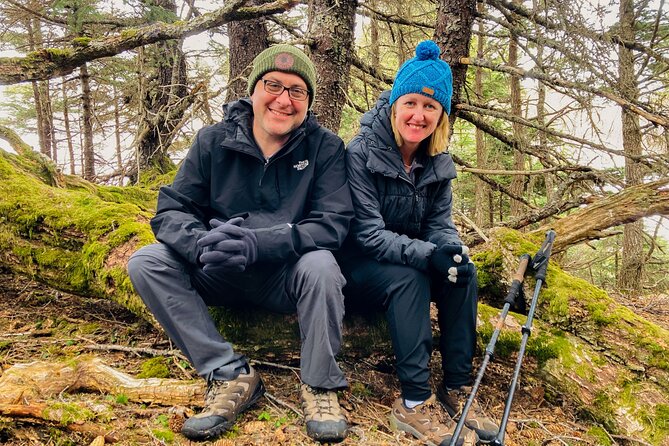
Next up is Kenai Fjords National Park. This portion is where you typically get the best blend of hiking and explanation. Instead of treating it like a checklist (“walk here, see that”), the guide ties the features together—ice, landforms, vegetation, and how wildlife uses the space.
In the feedback, multiple guides—like Travis, Miles, and Tatum—are praised for explaining how the region works. One highlight: a guide tailored the day around a guest’s needs, even adjusting for a family member with down syndrome and keeping encouragement steady. Another highlight: a guide guided people onto areas they wouldn’t have chosen alone, which is exactly what you want from a paid outing.
For you, the practical takeaway is simple: when you’re paying for a guided hike, you’re not only buying views—you’re buying decision-making. Which path makes sense today? Which direction gives you the best chance of good sightings? Where can you pause without holding everyone up? A good guide answers those questions in real time.
Stop 4: Seward at the end—your “after” matters too
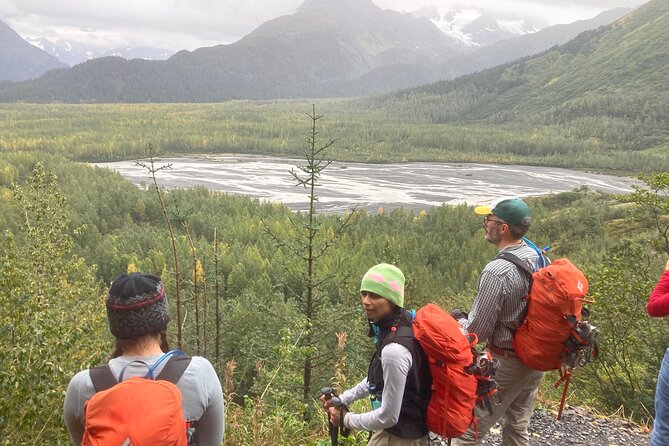
The day ends back in Seward, and that’s more important than it sounds. When you’re done hiking, you want the logistics solved—no hunting for rides, no long drive home while your legs are tired.
Because this includes courtesy round-trip transportation from Seward to the trailhead and pickup/drop-off, you can treat the day like an actual outing, not a chore. The guide also gives you a clean wrap-up so you can transition back into town smoothly.
If you’re planning dinner or the next day’s adventures, I like having the bulk of the day structured and the return handled. It makes Seward feel like a basecamp, not a staging area you constantly manage.
Customizing the hike: tell the guide what you want
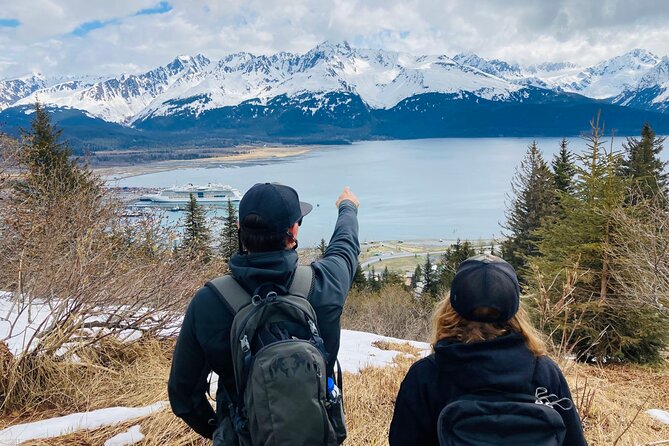
A standout theme in the feedback is customization. People loved that guides could adjust the hike for:
- Beginners vs. intermediates
- People who wanted a gentler route
- People who wanted a rougher, more mountainous line
- Guests who needed more frequent breaks
So here’s the approach I’d take: tell your guide your comfort zone in plain language. If you’re fine with steady climbs but not with scrambling over step-like rocks for hours, say so. If you want more intensity, say so. When guides like Lochlan and Derek are praised, it’s because they’re listening and then adjusting—not because they’re forcing everyone onto the same path.
And if the booking options aren’t obvious to you, ask directly at the start. One negative experience came from a guest feeling there was a mismatch between what was advertised (a 4-hour tour) and what they actually got (a shorter hiking block). Even if your exact day ends up similar, it’s still wise to confirm what the day’s walking portion will feel like—so expectations match reality.
What guides actually add: facts, plants, stories, and calm in wildlife moments
The best part of this experience isn’t just the scenery. It’s the way the guide makes you see. People repeatedly mention guides connecting the dots between glacier features, wildlife behavior, and local geography.
Examples from feedback:
- Lochlan is described as informative and great for groups with beginners
- Derek shares knowledge about plants, animals, and historical geography
- Al is praised for attention to group needs and for giving people enough time for photos
- Coen (spelling as shared) is called accommodating and professional
- Miles is noted for adapting to individual needs
- Travis is praised for leading to areas people would likely skip on their own
The practical benefit: you’ll spend less time wondering what you’re looking at, and more time enjoying the hike.
And when wildlife shows up—especially bears—you’re glad you have someone who stays calm and organized. One guest credited the guide with keeping everyone safe when a bear was spotted early.
Gear and trail comfort: trekking poles are included, but you still need the right mindset
Trekking poles are included, which is a big help. But poles don’t fix everything. This hike can involve rugged terrain. One piece of feedback calls out stair-step rocks and crawling up uneven surfaces for a longer stretch than they expected.
So here’s the comfort mindset that works best:
- Expect uneven ground at times
- Choose sturdy footwear
- Move steadily, not fast
- Use the poles early instead of waiting until you’re already tired
If you’re traveling with family or mixed ability levels, this is where the guide’s skill matters. People report great experiences with new hikers and with guests who needed pacing adjustments.
Duration: plan for a 6-hour day, not just hiking hours
The tour duration is listed as approx. 6 hours. That time includes more than walking. In remote areas, you also have travel between stops and time spent regrouping, stopping for views, and letting the guide explain what you’re seeing.
One guest specifically felt the posting didn’t align with how long the actual hiking took. You can avoid disappointment by doing one simple thing: treat the day as 6 hours of total experience, and accept that the hiking time portion can vary based on conditions and how the guide adapts the route.
If you’re short on time in Seward, still consider booking. Just be clear with yourself that “total tour time” isn’t “every minute on a trail.”
Who this tour is best for (and who should think twice)
This hike is a strong fit if you:
- Want the Alaskan wilderness experience with fewer navigation headaches
- Like learning on your feet—wildlife, plants, glaciers, and local context
- Travel with mixed ability levels and want a guide who can adjust
- Appreciate pickup/drop-off so the day stays simple
It may be less ideal if you:
- Have zero tolerance for rocky, step-like footing
- Hate the idea of tailoring based on conditions and want only an easy stroll
- Are the kind of traveler who needs a guaranteed exact hiking-time block with no variation
If you fall into the “rocky footing” category, don’t automatically skip. Just ask for the less strenuous option at booking or directly when you meet.
Should you book Seward Wilderness Hiking?
If your goal is a guided, full-on Seward day with real scenery and real explanations, I think this is a smart buy. The combination of small group size, included trekking poles, and pickup/drop-off turns it into a low-stress way to see Harding Ice Field Trail, Resurrection Bay, and the Kenai Fjords area.
I’d book it especially if you like the idea of routes that can match your fitness level—because guides such as Lochlan and Derek are repeatedly praised for making the experience work for different people.
Don’t book it on autopilot if you’re sensitive to rough footing. Ask about trail conditions upfront, and be honest about what you can handle. If you do that, you’ll likely walk away feeling you got your money’s worth.
FAQ
What time does the Seward Wilderness Hiking tour start?
It starts at 9:00 am. Plan to arrive about 15 minutes early at Kenai Backcountry Adventures at 11724 Seward Hwy # A, Suite A, Seward.
Where do I meet the tour?
You meet at Kenai Backcountry Adventures, 11724 Seward Hwy # A, Suite A, Seward, AK 99664. The activity ends back at the meeting point.
How long is the tour?
The duration is listed as approximately 6 hours.
How big is the group?
This tour has a maximum of 12 travelers.
What’s included in the price?
The price includes a professional guide, interpretive guided hiking, trekking poles, courtesy round-trip ground transportation from Seward to the trailhead, and hotel pick-up and drop-off.
Can I cancel and get a refund?
Yes. There’s free cancellation, and you can cancel up to 24 hours in advance for a full refund.