REVIEW · SEWARD
Kayak and Hike to Historic WW2 Army Fort in Alaska!
Book on Viator →Operated by Millers Landing Inc. · Bookable on Viator
WWII remnants and sea life, from kayak to summit. This Seward half-day-to-full-day adventure pairs a Gulf of Alaska kayak with a hike to the WWII remains of Fort McGilvray on Caines Head. You get training before you launch, plus rental gear, so the day feels like a guided mission instead of guesswork.
I love the chance for wildlife watching on the water—sea otters, whales, eagles, sea lions, sea otters, mountain goats, black bears, and Dalls porpoise are all on the watch list. I also love the on-water coaching feel, including warmups and safety briefing before you push into the open water.
The main drawback is simple: you must be ready for a full day that’s active the whole way. Expect sustained paddling and a hike to and from Caines Head, so if you want an easy stroll, this one may be too much.
In This Review
- Kayak + Fort McGilvray: Key Things That Make This Trip Worth Your Day
- Why This Kayak-and-Hike Combo Works in Seward
- Getting Started at 7:45: Passes, Forms, Warmups, and Safety
- Paddle to Caines Head (5 Miles): Wildlife, Wind, and Getting in the Zone
- What you’ll likely notice first
- Wildlife odds on this route
- Driftwood Ghost Forests: The 1964 Earthquake You Can Paddle Past
- The Caines Head Hike (2 Miles Each Way): Fort McGilvray Up Close
- Why this hike feels different than a normal viewpoint
- What to watch for on the hike
- Returning by Kayak to Miller’s Landing (5 Miles): When Your Arms Will Notice
- Energy strategy I recommend
- Guides, Safety, and What “Training” Actually Means Here
- What to Pack (and What You Must Not Forget)
- Fitness Requirements: “Moderate” Still Means You’ll Work
- Who This Tour Is Best For (and Who Should Skip It)
- Value and Logistics: What You’re Getting for the Effort
- Should You Book This Kayak and Hike to Fort McGilvray?
Kayak + Fort McGilvray: Key Things That Make This Trip Worth Your Day
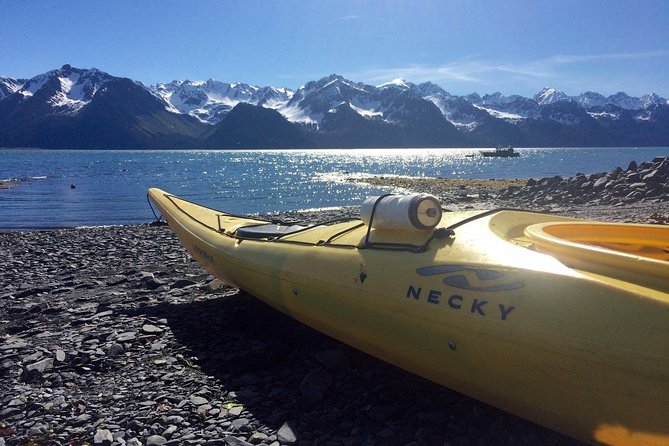
- Training before launch so you’re not learning from scratch in open ocean
- A 5-mile paddle to Caines Head paired with a 4-mile round-trip hike to Fort McGilvray
- Panoramic views from Caines Head plus coastal drama from the Gulf of Alaska
- Historic WWII remains at Fort McGilvray you can reach on foot, not just from a parking lot
- Wildlife odds are real, with sea otters, whales, eagles, and more on the lookout list
- Gear included (kayak, paddle, life jacket, spray skirt, pump, paddle float)
Why This Kayak-and-Hike Combo Works in Seward
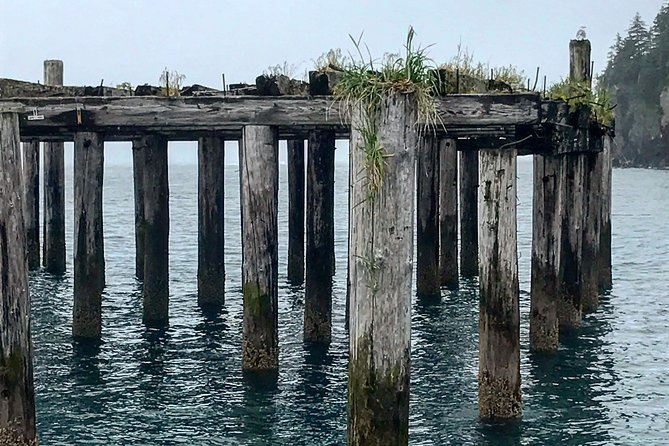
Seward is great when you want both sea and story in one day. This tour gives you that two-part rhythm: you earn your views from the kayak, then you stretch your legs on land at the WWII site. It’s the kind of plan that feels efficient without rushing you.
The strongest part for me is the balance of effort and payoff. You’re not just floating along; you’ll paddle, then climb, then paddle again with purpose. And the goal on land is specific: Fort McGilvray’s WWII remains at the top of Caines Head.
You can also read our reviews of more tours and experiences in Seward.

Getting Started at 7:45: Passes, Forms, Warmups, and Safety
Your day starts with check-in at 7:45 a.m. at 13880 Beach Dr, Seward. You’ll get a parking pass and sign the forms needed for the trip. Then the guide outfits you for paddling when you meet at 8:00 a.m., and you’ll be on the water shortly after.
Right before you depart, you’ll do warm-up exercises and a safety briefing. This matters more than people expect. Kayaking in windy, open-water conditions is a different world than calm flatwater, and this kind of prep helps you get your body and your boat under control before things get real.
Gear is handled for you, including a life jacket and a spray skirt (important in cool coastal water). You also get a pump and paddle float. That takes away one of the big headaches of doing a coastal paddle on your own.
Paddle to Caines Head (5 Miles): Wildlife, Wind, and Getting in the Zone
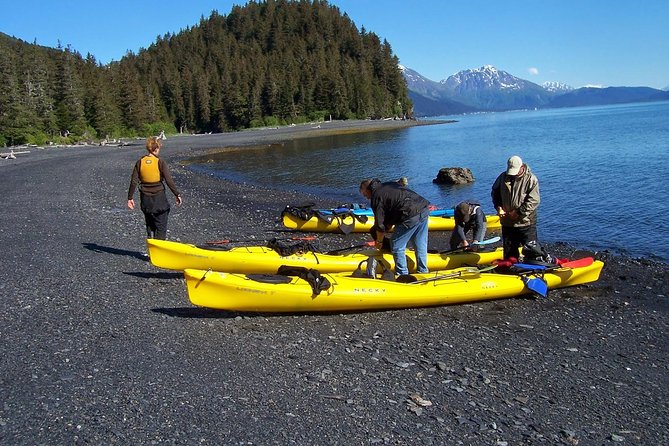
Once you launch, your first real segment is a 5-mile paddle to Caines Head. This is where the day turns from planning into motion. You’ll be working steadily, but the guide’s job is to keep everyone safe and moving well.
What you’ll likely notice first
- The ocean can feel bigger than you expect. Even if the day is calm, you’re still traveling on open water.
- Your shoulders and core will wake up fast. This tour is doable, but it’s not a gentle drift.
- You’ll be scanning for wildlife the whole time, not just at the hike endpoint.
Wildlife odds on this route
The watch list is packed. You might spot sea otters, eagles, sea lions, sea otters again (they’re a common target on this kind of coast), mountain goats, black bears, and Dalls porpoise. Reviews also point to whales—humpback sightings can happen from the kayaks.
A practical mindset helps here: wildlife spotting is chance-based, so don’t treat it like a checklist. Treat it like a bonus. The movement through the coastline and the feeling of being out there is the baseline value.
Driftwood Ghost Forests: The 1964 Earthquake You Can Paddle Past
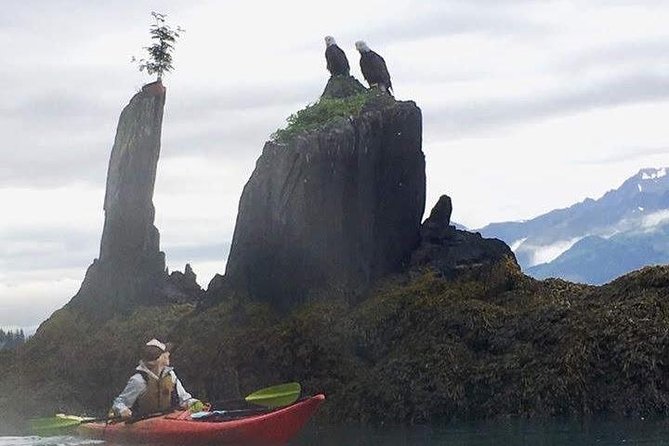
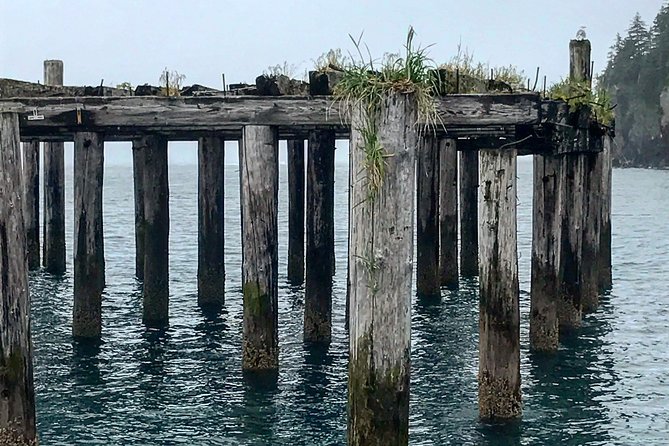
One of the more unusual details on this route is what you pass along the way. You’ll paddle past driftwood ghost forests from the 1964 Alaskan earthquake. It’s one of those quiet reminders that this coastline has a long memory.
This doesn’t require expert knowledge to appreciate. You just have to look. When you see the remains of trees turned into floating debris or stranded shapes, the coastline starts telling you why the scenery looks the way it does today.
The Caines Head Hike (2 Miles Each Way): Fort McGilvray Up Close
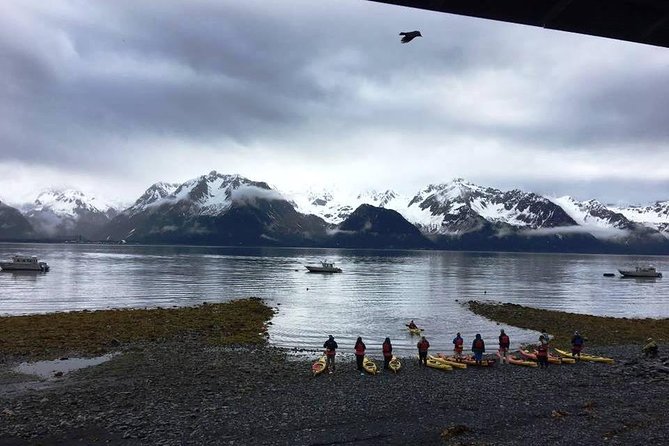
After the paddle, you transition to land with a hike to the WWII remains of Fort McGilvray. The hike is 2 miles each way—4 miles round trip—up to the top of Caines Head.
Bring hiking boots. The tour is active the whole day, and good traction is a quality-of-life upgrade. You’ll be covering more than just a flat nature walk, and you’ll want your feet stable for the return trip.
Why this hike feels different than a normal viewpoint
A viewpoint is passive. Fort McGilvray is physical. You get to walk paths and pass areas tied to the fort’s WWII purpose. In real terms, that makes history feel usable. One of the most interesting mental exercises is imagining the hauling and building logistics behind the site—how hard it must have been to move materials and create access routes with the equipment available at the time.
You also get a panoramic view of the Gulf of Alaska from the top. Even if you’re not a “big view” person, you’ll understand the geography immediately. You’ll see why the coast is a natural route for both ships and wildlife.
What to watch for on the hike
Even with good weather, pacing matters. If you go too hard on the ascent, you’ll feel it during the descent and when it’s time to get back on the water. Think steady, not sprint.
Returning by Kayak to Miller’s Landing (5 Miles): When Your Arms Will Notice
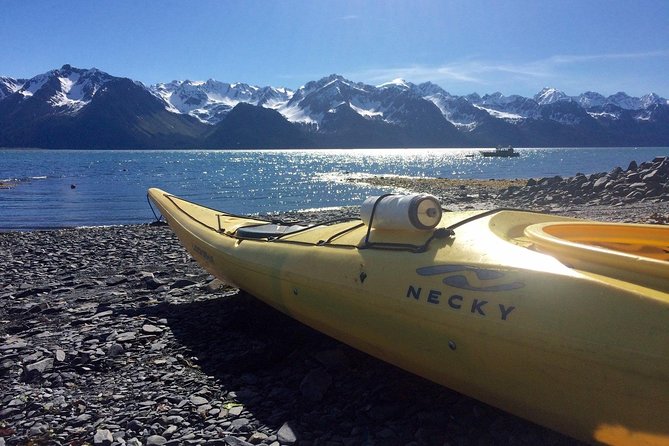
After Fort McGilvray, you’re back in the kayaks for the return to Miller’s Landing, another 5-mile paddle.
This is the point where many people realize that kayaking is a long-game sport. Even if you feel okay at the start, paddling later in the day can feel harder—especially if the wind has shifted or your muscles are tired. One of the clearest pieces of advice from the experience is to expect the kayak segment to feel like work after a while.
If open-ocean kayaking makes you nervous, this is the part where you’ll either get confident or decide it’s not your thing. The good news: you’re not doing it alone. The guide’s role here is to keep the group steady through waves and changing conditions.
Energy strategy I recommend
- Save your best paddling for when you need to hold course, not when you’re tired and want to fight every wave.
- Keep your breathing calm and consistent. Panicking is when strokes get sloppy.
- Mentally break the paddle into smaller sections so you don’t measure the day by how far is left.
Guides, Safety, and What “Training” Actually Means Here
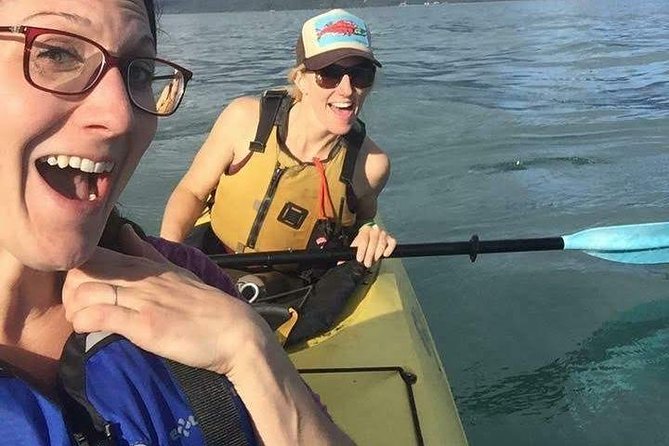
This tour is built around instruction, not just equipment. You’ll get a warmup, safety briefing, and coaching before you launch. That’s what makes the day feel approachable even for first-timers.
In the field, guides such as Zack, Issac, Emily, Ron, and Rich come through with a mix of humor, patience, and hands-on help—especially when conditions get choppy. People who were worried about open water report that it felt manageable once they had real instruction and someone watching the group closely.
Safety here isn’t an abstract concept. It’s anchored to what you do in your kayak: proper fit, confidence in movements, and clear guidance when waves get tricky.
What to Pack (and What You Must Not Forget)
This is a kayak-and-hike day, so your list should match that reality.
You should bring:
- Rain gear, since it’s not included
- Hiking boots (seriously—your feet will thank you)
- Layers you can move in for both paddling and hiking
The tour provides:
- Kayak and associated gear: paddle, spray skirt, life jacket, pump, paddle float
- Professional guide, local taxes, landing/facility fees, and tour escort/host
Food and drinks are not included unless specified. So if you need fuel for a full active day, plan on bringing it or confirming what’s offered with your booking.
Fitness Requirements: “Moderate” Still Means You’ll Work
The tour asks for a moderate physical fitness level. That’s honest, because you’re doing both a hike and paddling for miles. If you’re comfortable with active outdoor time and you don’t mind being on the move all day, you’ll likely handle it.
Key constraints to pay attention to before you go:
- You must be under 250 lb due to kayak cockpit size and balance needs
- You must fit within a 33″ x 17.25″ / 83.8 x 43.8 cm cockpit opening
- Children must be accompanied by an adult, and the minimum age is 12
If any of those don’t fit your situation, the best move is to choose an easier trip offered by the operator rather than forcing this one.
Also, treat tomorrow gently. A common lesson from this kind of paddling-and-steep-hike combo is that your steering muscles may still be sore the next day. Plan something easy after—your body will appreciate it.
Who This Tour Is Best For (and Who Should Skip It)
This is a strong match if you want:
- A day that includes both active time on land and on water
- Real coaching and gear support
- WWII sights you can reach in a meaningful way
- Wildlife viewing that comes with the work of moving through habitat
It’s not the best match if:
- You only want a light walk
- You hate open water kayaking (even with training)
- You want a day with minimal physical effort
Value and Logistics: What You’re Getting for the Effort
There’s real value here because the big cost and hassle items are handled up front: kayak rental, paddling gear, and professional guidance. You’re also paying for landing and facility fees and local taxes, which can quietly add up when you book components separately.
The trade-off is that this is not a sit-and-watch tour. The payoff is your access: Gulf of Alaska views from Caines Head and the chance to get to Fort McGilvray under your own power—paddle, then foot, then paddle again.
If you’re trying to maximize one day in Seward, this is one of the more complete combos.
Should You Book This Kayak and Hike to Fort McGilvray?
Book it if you’re ready for a full active day and you want a mix of wildlife, open-water kayaking, and WWII remains you can actually hike to. The included gear and the pre-launch training are big reasons this trip feels doable for more skill levels than you might assume.
Skip it if you want mostly flat walking, if open ocean kayaking sounds like a nightmare, or if your fitness level is closer to easy sightseeing than sustained effort. In those cases, pick a shorter or easier option and save this one for when you can enjoy it fully.
If you do book, go in with the right mindset: be patient with yourself on the kayak, take the hike steady, and keep your eyes open for wildlife along the way.