REVIEW · TENERIFE
Tenerife: Teide Peak Hiking 3715m
Book on GetYourGuide →Operated by Vulcan Walkers · Bookable on GetYourGuide
Teide is the Atlantic’s giant stairway. With Teide Peak at 3715m, this hike is less about casual views and more about earning them—thanks to an official summit permit and a real mountain guide. You’ll be walking volcanic terrain at altitude, with a plan that’s built around when you’re allowed onto the top.
Two things I like a lot: the 360-degree panorama from the summit and the way the guides handle cold and tricky conditions. In winter months, snow and ice can pop up, and you can end up with extra traction like crampons or spikes (they’ll gear you up).
One consideration: the day can feel physically demanding and the return can be long—especially if you hike down instead of using the cable car. One guide may also keep a brisk pace, so if you like to wander slowly, you’ll need to stay with the group.
In This Review
- Key moments you’ll actually care about
- Why hiking to 3715m feels different on Tenerife
- Your guide matters: Peter and Evelyn set the tone
- What you get for cold, altitude, and nightfall
- How the schedule really works: permits and timing
- Summit views: 360 degrees, volcanic detail, and ocean scale
- Cable car vs. walking down via Montana Blanca
- The pace, the group size, and why your follow-through matters
- Value check: is $199 a fair deal?
- What to bring (and what not to overthink)
- Who should book, and who should skip this one
- Booking thoughts: when Teide is worth your time
- FAQ
- How long is the Teide Peak Hiking tour?
- Do I need an entry permit to reach the summit?
- Is the cable car included in the price?
- What gear is included?
- What languages will the guide speak?
- Where is the meeting point?
- What should I bring?
- Who is this tour not suitable for?
- What is the cancellation policy?
Key moments you’ll actually care about
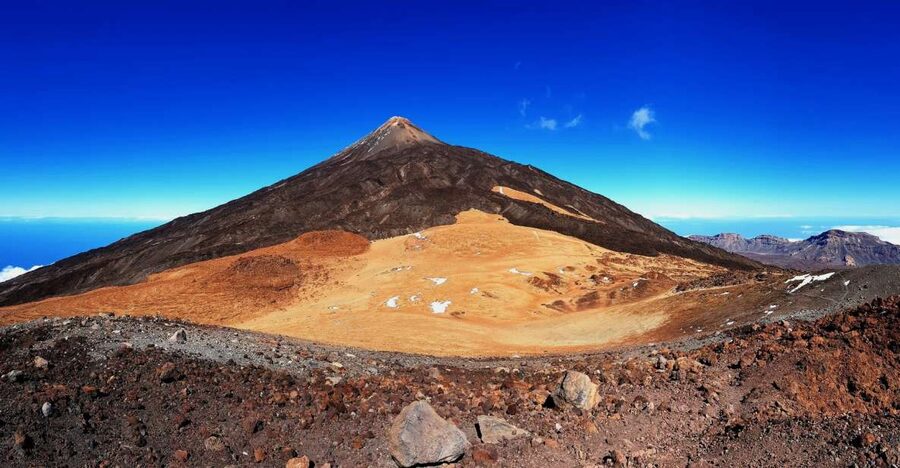
- Official summit permit means you go up at a set time, not whenever you feel like it
- Small group (up to 10) keeps the hike manageable and the guide easier to follow
- Weather-ready support: poles, headlamp, warm layers, and footwear if needed
- Snow/ice gear may be included (crampons/spikes) when conditions require it
- Cable car vs. foot descent: the foot option is 10 km with a 1400 m elevation change
- Star observation can happen when timing runs late enough
Why hiking to 3715m feels different on Tenerife
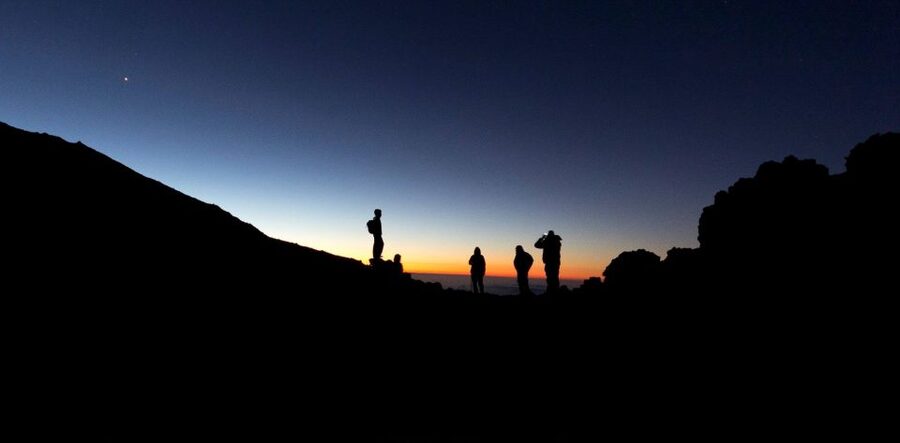
Teide’s summit isn’t just high—it’s high in a way that changes how everything feels. At 3715m, your body works harder, and the air can turn sharp fast. Even with a cable car option built into the plan, this isn’t a “quick stroll then done” kind of outing.
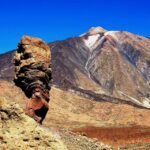
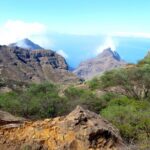
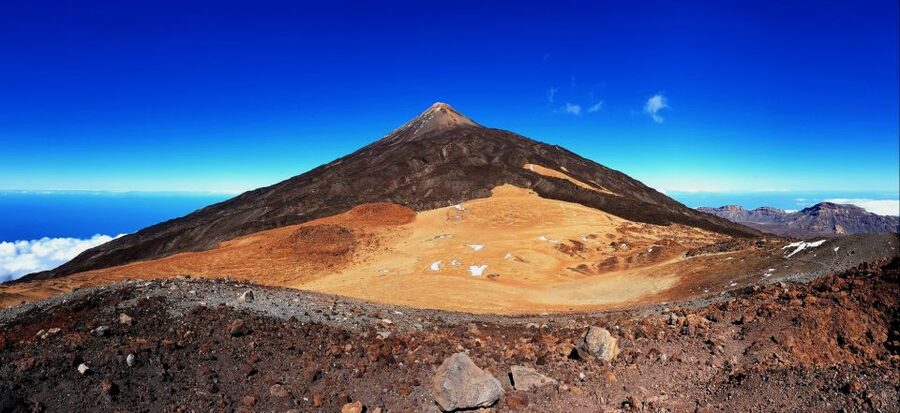
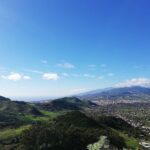
What makes it especially interesting is that you’re going above 3000m in volcanic ground that looks otherworldly. The views aren’t just pretty. They’re wide. Think ocean views where you can spot the bigger picture of Tenerife and the neighboring islands from the top.
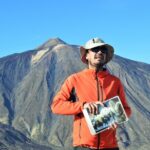
And yes, you get that classic summit feeling: a 360-degree horizon and a strong sense of being on the top of the world. It’s the kind of moment that makes photos look flat unless you’re there in person.
You can also read our reviews of more tours and experiences in Tenerife.
Your guide matters: Peter and Evelyn set the tone
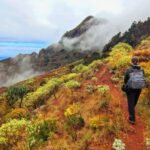
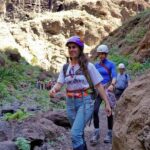
This tour is led by a qualified mountain guide (small group, limited to 10). Based on real trip experiences, the vibe is professional but not stiff. Guides like Peter and Evelyn are mentioned again and again for being relaxed while still focused on safety and route decisions.
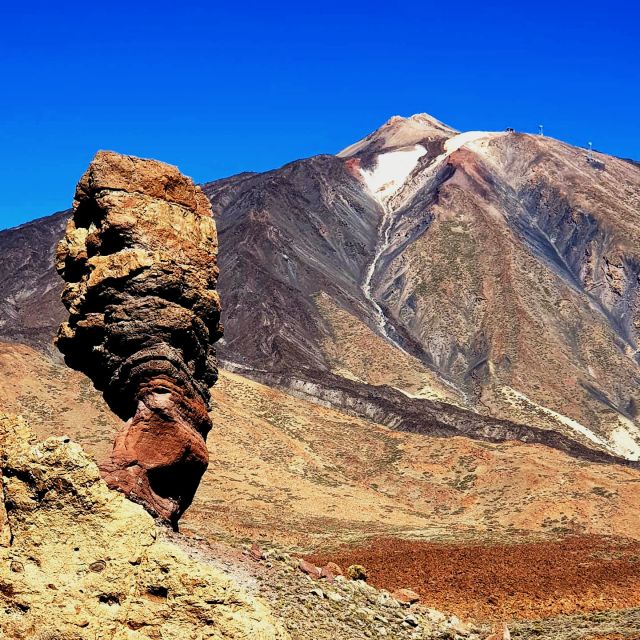
They also bring serious local context. You don’t just get told what you’re looking at. You learn why the park looks the way it does, and how the volcano shapes Tenerife’s look and feel. If you care about nature facts, you’ll get plenty.
One practical point: the guide sets the rhythm. In some groups, the walking pace can be quicker than you expect, and a few people may struggle to follow if they’re not moving with purpose. If you’re the type who stops a lot for photos, keep an eye on the group pace and don’t lag behind.
What you get for cold, altitude, and nightfall
Teide can mess with your comfort. That’s why this tour doesn’t treat gear like an optional add-on. Included items mean you’re not showing up with just sneakers and optimism.
You’ll have:
- Trekking poles and a headlamp
- Ankle-high hiking boots if needed
- Warm layers such as a coat, sweater, hat, and gloves
Bring your own essentials too—especially things like a daypack, sunscreen, food and drinks, and water. Even with provided layers, cold-weather hiking still depends on how you layer yourself.
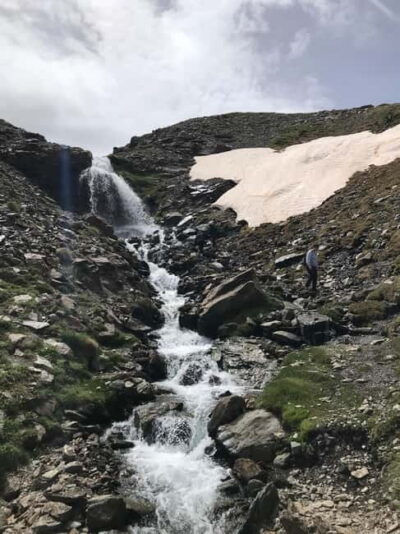
The coolest thing? When conditions turn snowy or icy, the group may get traction gear like crampons or spikes. That’s not something you should count on every day, but you can’t assume dry ground either. If you show up prepared to be warm and stable, you’ll enjoy the day more.
How the schedule really works: permits and timing
The summit isn’t a free-for-all. You go up as soon as your permit time allows it. That means the day’s meeting time depends on the permit and, if you’re using it, the cable car’s departure timing.
That setup is a big deal for value. It reduces wasted time and helps you arrive at the top when the rules let you. It also means the hike feels structured even if the exact clock times shift from day to day.
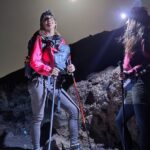
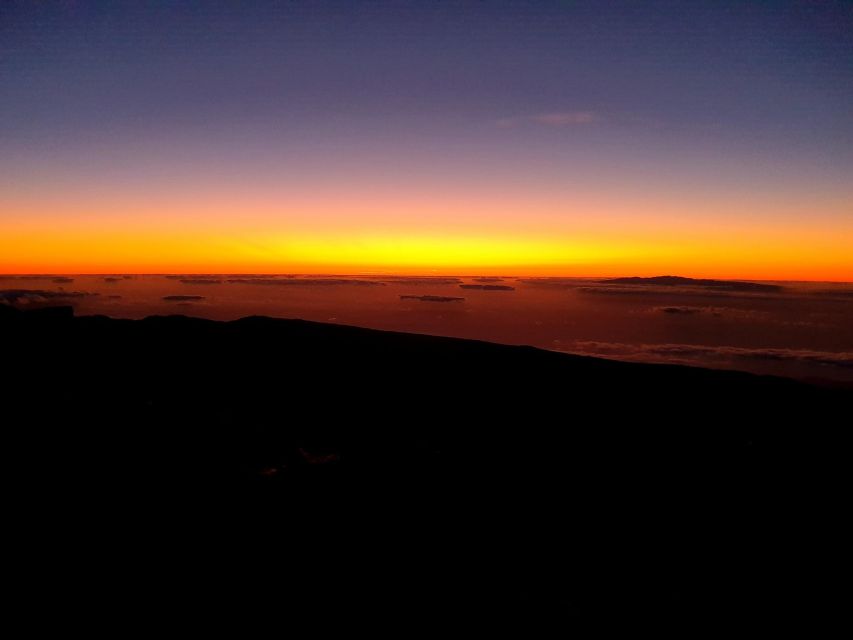
For your planning: the overall duration is about 6 hours, but if your group ends up hiking down for longer or conditions slow you down, your day can stretch. One experience included a return after sunset with a headlamp, plus a star observation stop along the way. Plan your day with the understanding that Teide doesn’t always wrap up neatly at a stopwatch time.
Summit views: 360 degrees, volcanic detail, and ocean scale
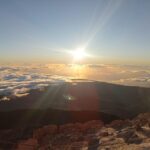
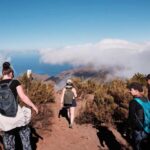
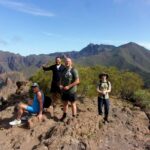
When you reach the summit, the payoff is immediate. A 360-degree panorama turns the whole island into a map. On clear days, ocean views stand out fast, and you get a sense for where Tenerife ends and the Atlantic starts.
What I love here is the detail on the ground. Volcanic terrain can look like a mix of colors—rock, sand, and ash tones that change as you move. In winter conditions, you might also encounter patches that need spikes for traction.
At the top, you’re not just admiring from a distance. You’re standing in a place that feels geologically active, even if you’re only there for a few hours.
Cable car vs. walking down via Montana Blanca
This is the big decision point for the day, and it affects how the tour feels in the last stretch.
You have two descent options:
- Cable car down: you can do this, but the cable car entry is extra at +24€/person
- Walk down via Montana Blanca: the foot descent is about 10 km with a 1400 m elevation change, and it’s recommended only if you’re experienced
Here’s how to choose in plain terms. If you want the easiest possible end to your climb, use the cable car and save your legs for the summit. If you want the full hiking experience and you know how to handle long descents on uneven ground, then the Montana Blanca route can be worth it.
Also remember this: even when the cable car is involved, you’re still hiking to 3715m. The altitude work is still real. Don’t treat the cable car as a cheat code.
The pace, the group size, and why your follow-through matters
This is a small-group tour limited to 10 participants, which helps. You’re not fighting crowds, and you can hear your guide. Still, the mountain doesn’t care about your comfort level.
Expect a steady climb, with the guide keeping the group moving so you’re positioned well for the permit timing. In one experience, the guide’s pace was notably quicker than some people expected, and not everyone found it easy to keep up.
If you want to enjoy the views without stress, do two things:
- Move steadily during the climb so you don’t get out of breath constantly
- Stay close enough that you don’t lose the route
With snow or ice, staying with the group matters even more. The day can get technical fast when traction changes.
Value check: is $199 a fair deal?
$199 per person sounds specific, and it’s helpful to look at what you’re paying for. You’re not just buying a hike. You’re buying:
- The official summit permit timed to your group
- A qualified mountain guide
- Liability and accident insurance
- Trekking poles and a headlamp
- Warm layers and boots if needed
Then, there are costs that aren’t included:
- Transport to the meeting area
- Cable car entry if you choose it
From a value perspective, the permit + guide + gear bundle is the core. If you were trying to organize your own summit logistics, the time and uncertainty would be on you. Here, you’re paying so the climb is managed and you show up with the right equipment.
If you also plan to use the cable car on the way down, budget the extra +24€/person.
What to bring (and what not to overthink)
Bring a daypack and keep it simple. The essentials listed for the hike include:
- Sunscreen
- Passport or ID card
- Sportswear
- Warm clothing
- Hiking shoes (comfortable shoes work too, but traction matters)
- Food and drinks
- Water
Two practical tips from real Teide reality:
- Pack water even if you feel like you don’t need it. Altitude + sun can dry you out faster than expected.
- Have your layers ready before you start climbing. When you stop to fumble with jackets, you cool down quickly.
Who should book, and who should skip this one
This tour fits best if you’re comfortable with altitude walking and you want a guided, permit-based summit experience. It also helps if you like having the context—why the park looks the way it does and what you’re seeing up high.
It is not suitable for:
- People over 65
- People under 120 cm (3 ft 9 in)
- Pregnant women
- Children under 12
- People with mobility impairments
- People with high blood pressure
Also, be honest about fitness. The foot descent via Montana Blanca is long and has a big elevation change. Even if you plan to use the cable car, the climb to 3715m still demands effort.
Small-group means you’ll get more attention, but it also means you should be ready to move when the guide moves.
Booking thoughts: when Teide is worth your time
I think you should book this tour if you want the summit with a plan that’s built around the official permit and you’re okay with a day that can run longer than expected—especially in winter conditions. The guide support, equipment, and real traction in snow situations are the difference between a trip that feels tough and one that feels manageable.
I’d skip it if you want a slow, flexible stroll, or if you’re dealing with any of the health and mobility limitations listed. This isn’t a casual viewpoint stop. It’s a high-altitude hike with real terrain and real weather risk.
Also double-check that you can meet the schedule. The meeting time depends on your permit, so staying flexible helps you enjoy the experience instead of rushing it.
FAQ
How long is the Teide Peak Hiking tour?
The duration is listed as 6 hours.
Do I need an entry permit to reach the summit?
Yes. The tour includes an official permit to go to the peak at a certain time.
Is the cable car included in the price?
No. Cable car entry is not included. There is an option to take the cable car down for +24€/person.
What gear is included?
Included items are trekking poles and a headlamp, plus ankle-high hiking boots if needed. You also receive warm clothing items such as a coat, sweater, hat, and gloves, and any missing equipment for the hike.
What languages will the guide speak?
The live tour guide is available in English, Hungarian, and Spanish.
Where is the meeting point?
Wait outside of the barrel. Do not go up to the cable car station without the guide.
What should I bring?
You should bring a daypack, sunscreen, passport or ID card, sportswear, warm clothing, hiking shoes, food and drinks, comfortable shoes, and water.
Who is this tour not suitable for?
It is not suitable for people over 65, people under 120 cm, pregnant women, children under 12, people with mobility impairments, and people with high blood pressure.
What is the cancellation policy?
You can cancel up to 24 hours in advance for a full refund. There is also a reserve now & pay later option.
If you want, tell me your month of travel and your hiking level, and I’ll help you decide whether the cable car down or the Montana Blanca descent makes more sense for your day.