REVIEW · ARUBA
Sunrise Hike & Swim in Natural Pool: Escape the Crowds and Heat
Book on Viator →Operated by Yarimar Orozco · Bookable on Viator
Sunrise in Aruba feels like a secret. You start with a guided walk along the less-traveled north coast, aiming to reach Conchi Natural Pool before the jeep crowds show up. I like how the route stays focused on what’s around you, from plants and wildlife to the island’s gold-era stories, and I also like the small-group feel that makes the experience calmer. The main thing to consider is that the pool conditions can change: if the water is choppy, swimming or snorkeling may be less comfortable than you hoped.
This trip also works because it’s built around timing. You’re up early, moving while it’s cooler, and you’re not spending your best morning stuck watching other groups form lines. Guides often point out details you’d miss on your own, like sea grapes and how local terrain supports animals and nesting behaviors, plus small moments like wild goats along the way. I’ve heard from guides named Genesis and Yari (and others leading similar walks) and the consistency is clear: they make the hike feel personal, not like a quick checklist.
One more practical note: you pay the tour price, but some conservation and admission-related costs may apply on-site. You’ll also want to bring the right footwear because the walking is on uneven ground, and you may want separate water shoes for the pool. If you don’t have transportation included, plan to get yourself to Angochi Supermarket in Santa Cruz, where the tour starts and ends, and budget the National park conservation fee of $10 per person.
In This Review
- Key points before you go
- Why the Sunrise Hike Hits Different on Aruba’s North Coast
- The Walk: Wildlife, Gold-Era Stories, and What You’ll Actually Notice
- Conchi Natural Pool: Early Arrival, Swimming Options, and Wave Reality
- Boca Ketu and Daimari Beach: Short Stops That Add Texture
- Boca Ketu (secluded bay)
- Daimari Beach and viewpoint moments
- Sea grape plantation and Rancho Daimari history
- Small-Group Pacing: Snacks, Breaks, and a Calmer Day
- Price and What It Really Covers in the $55 Ticket
- What to Bring for a Comfortable Sunrise (and Safer Pool Time)
- Should You Book This Aruba Sunrise Hike and Swim?
- FAQ
- How much does the Aruba Sunrise Hike & Swim cost?
- How long is the experience?
- Where does the tour start and end?
- Is transportation included?
- What’s included in the tour?
- Do I pay any fees on-site?
- What fitness level do I need?
- How big is the group?
- Is sea turtle spotting possible?
- Can I cancel for a full refund?
Key points before you go
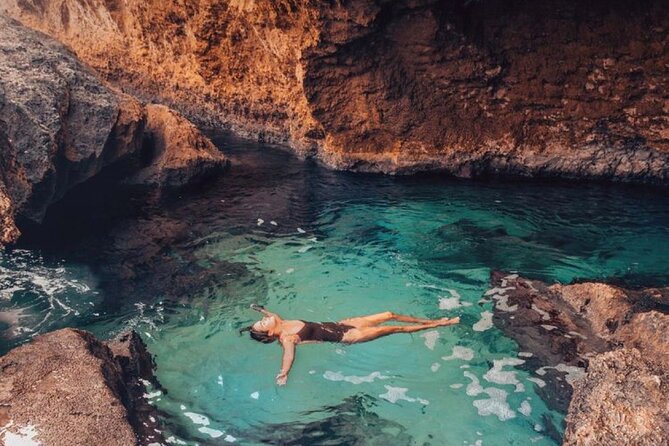
- Beat the crowds at Conchi Natural Pool with an early arrival that keeps the water time calmer.
- Guides connect nature and history as you hike, often stopping for plant and wildlife spotting.
- Small group up to 10 means more chances to ask questions and get pacing that fits the group.
- Snorkeling gear is included, but bring your own mask/goggles if you want to be sure you get full use.
- Wear proper shoes and consider separate water shoes for pool entry and rocky footing.
- Turtles are seasonal: you may spot nesting or hatchlings depending on timing.
Why the Sunrise Hike Hits Different on Aruba’s North Coast
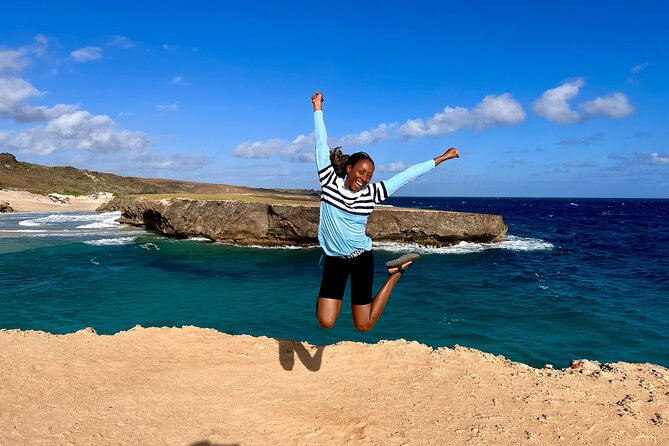
This is the kind of Aruba morning that turns the whole trip in your favor. The north coast can get busy later in the day, but at sunrise you’re walking and arriving before most people are even thinking about heading out. The payoff is simple: cooler temps for the hike, and more peaceful time at the pool.
What makes this feel authentic is that the tour isn’t just a “get to the water” plan. You’re moving through countryside and wild coastal areas with a guide who helps you read the place: why certain plants grow where they do, what animals you might spot, and how the terrain shapes daily life on the island. Aruba’s interior and coast aren’t flat and easy, so you’ll feel like you’re actually traveling through the island—not just visiting one stop.
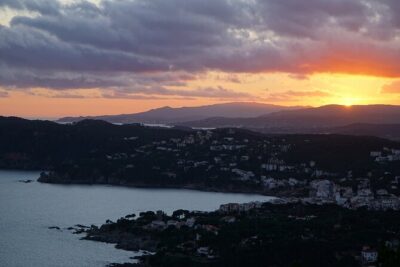
And if you love photos, sunrise also changes everything. Light hits the rocks and shallows differently, and you get dramatic ocean views without the harsh midday glare. One practical tip: keep your schedule flexible enough for an early wake-up. This tour is timed so you can enjoy the natural pool before the jeep tours arrive, and that depends on starting on time.
You can also read our reviews of more tours and experiences in Aruba.
The Walk: Wildlife, Gold-Era Stories, and What You’ll Actually Notice
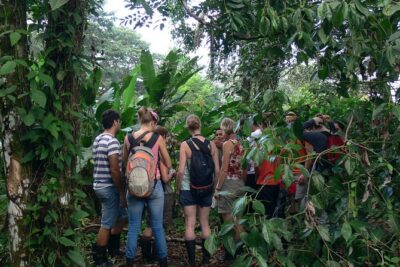
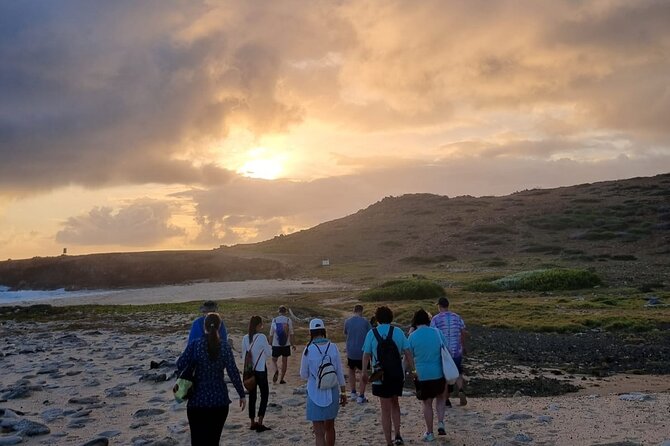
The hike is guided, so you’re not just following a route—you’re learning what you’re looking at. Along the way, your guide points out local flora and fauna so you don’t feel like you’re guessing where to step or what you’re supposed to notice. It’s also one of those tours where the “education” part doesn’t feel forced because it’s tied to stops and viewpoints.
Here are some of the things you’re likely to hear about as you move:
- Endemic plants and how they survive Aruba’s conditions, including cactus types and other coastal species.
- Gold history connected to places like Rancho Daimari, where you learn how and why gold-era events shaped Aruba.
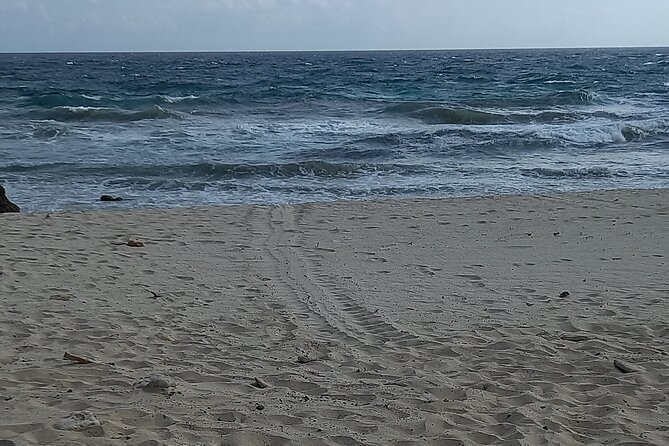
- Wildlife spotting opportunities, including the possibility of sea turtles nesting or seeing baby turtles if it’s hatch season.
- Coastal features such as sea grape plantations and how they define parts of the north coast.
In particular, the guide-led pace matters. The walk is described as moderately physical, and the terrain can include loose or uneven footing. Guides also build in breaks, which is helpful if you want to enjoy the views without feeling rushed. You’ll likely be stopping for pictures, but it’s not a slow “tour bus” stroll. It’s active enough to feel like you earned your swim.
One last note on animals: sea turtles and nesting are seasonal. That means you should go for the experience of the area and the chance of a sighting, not a guaranteed turtle moment. Still, it’s a meaningful reason to be out early when the island is quiet.
Conchi Natural Pool: Early Arrival, Swimming Options, and Wave Reality
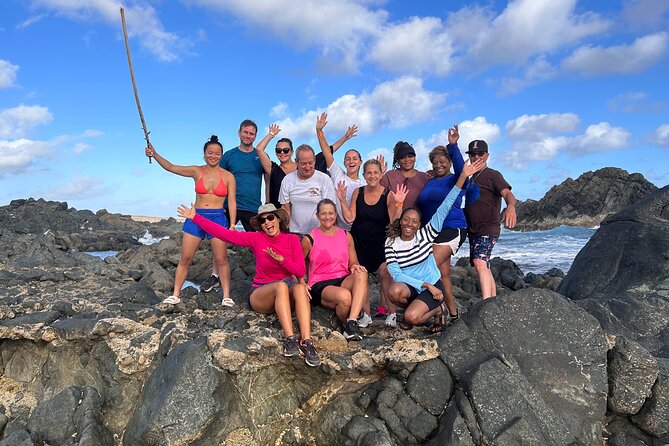
The center of gravity here is Conchi Natural Pool. This is a well-known natural swimming spot on Aruba’s north coast, and it’s famous partly because it’s dramatic and partly because it’s accessible when you know how to approach it safely.
The big win is timing. You’re aiming to be there first, before the crowds and jeep groups arrive. In practical terms, that means you often get more space for your group, less waiting around, and a calmer feel in the water.
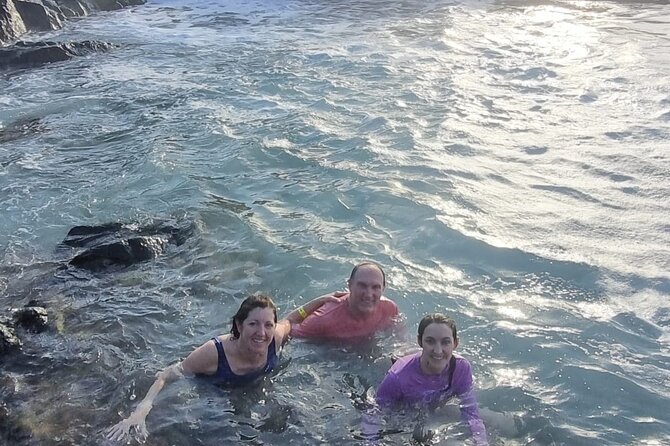
Once you reach the pool, you’ll have time to swim or snorkel depending on conditions. The entry can involve careful steps down and sometimes a slow, deliberate crawl into the water area. That’s a good thing to know: it’s not a simple “walk in from a beach.” It’s also one reason the experience feels more secure than some more chaotic access points you may see elsewhere.
Now for the part you should plan around: water conditions can vary. On some days, the pool can be choppy, and that reduces how many people are comfortable snorkeling or even fully entering. If the waves are strong, you may focus more on splashing, floating, and short swims, or you may stick to where it’s calmer. If you’re sensitive to rough water, consider that before you book.
Snorkeling gear is included, and that’s a real plus. Still, I’d take one smart precaution: bring your own mask or goggles if you want a guaranteed fit and comfort. One caution from real-world experience is that snorkeling gear availability can be limited, so having your own kit avoids the stress of sharing or waiting.
Boca Ketu and Daimari Beach: Short Stops That Add Texture
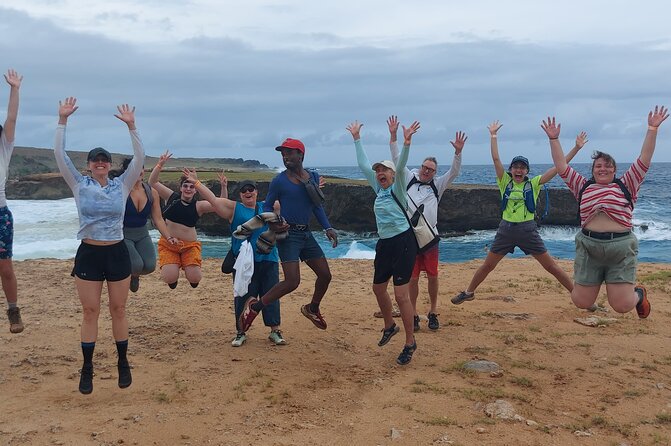
Not every stop is about the water. Some are quick “you’re here, look at this” moments that give Aruba more depth than just swimming.
Boca Ketu (secluded bay)
Boca Ketu is positioned as a secluded beach area, and it’s one of the places where turtle activity may show up depending on the season. Even if you don’t see turtles, the bay’s remoteness is part of the value. It’s the feeling of being away from the main tourist circuit for a couple of hours—especially at the start of the day.
There’s also a practical rhythm here: you’re not lingering long at this stop. It’s enough time to absorb the view, grab a few photos, and keep the hike moving toward the pool.
Daimari Beach and viewpoint moments
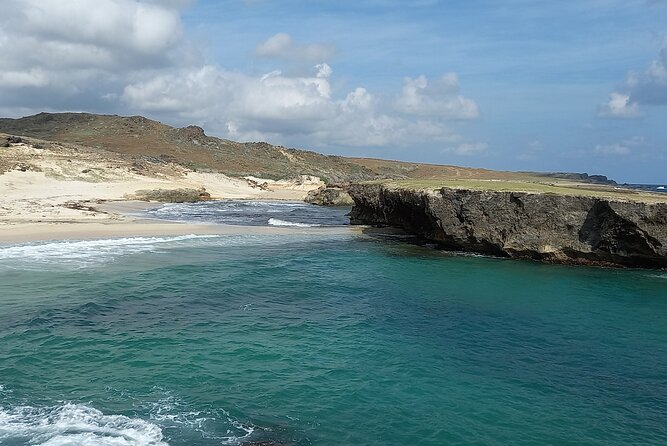
At Daimari Beach, you’ll get a first taste of Aruba’s story through gold-era context and local nature. Guides point out endemic flora and fauna and find moments for Atlantic Sea views that feel wild and open. Again, the stop is brief, but it works because it breaks up the hike with a change of scenery and context.
If you like geography, you’ll also appreciate how the north coast changes character from place to place. This isn’t one generic beach scene; it’s a sequence of small viewpoints.
Sea grape plantation and Rancho Daimari history
You’ll also see a sea grape plantation mentioned as the biggest on the island. That kind of plant detail matters because it helps you understand why certain coastal areas function the way they do. Then Rancho Daimari adds the gold story: where gold was discovered early on and how that shaped the island’s gold era.
These history bits can make the entire hike more satisfying. Without them, you’d just be walking through scenery. With them, you start connecting the island’s biology and human history.
Small-Group Pacing: Snacks, Breaks, and a Calmer Day
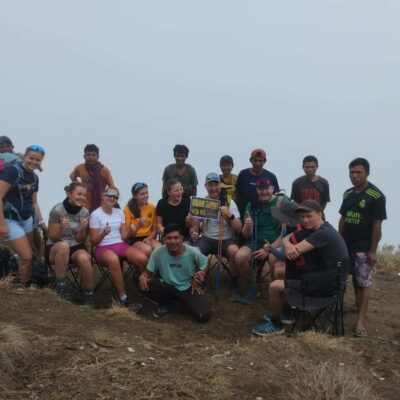
The tour caps out at a maximum of 10 travelers. That matters more than you might think. With smaller groups, the guide can slow down when the terrain or photos call for it, and everyone tends to stay together without feeling like you’re waiting on someone.
You’ll also get local snacks: fresh squeezed lemonade and a fruit bar biscuit. It’s a small detail, but it’s timed for real value—after some hiking and before you settle into pool time. Bring your own water bottle too. Dehydration can sneak up fast in Aruba, even in the early morning.
Pacing-wise, the hike is often described as manageable with a few steeper moments. Plan to save a little energy for the last hill near the end of the walk. That’s one of those tips that sounds minor until you feel it in your legs.
The best part of small-group guiding is the interaction. Guides like Genesis and Yari are known for mixing practical trail guidance with Aruba context. You’ll likely get thoughtful answers to questions, and the whole experience feels like it’s happening with your group rather than for a crowd.
Price and What It Really Covers in the $55 Ticket
At $55 per person, this tour is priced like a focused half-day active experience—hike plus guided nature interpretation plus time at a signature natural pool. For many people, that’s the key value: you’re not paying extra for the guide’s time and effort, and you’re not just buying entry to one place.
What’s included:
- Local snacks: fresh squeezed lemonade and a fruit bar biscuit
- Snorkeling equipment
- Guided walk with small-group attention
What’s not included:
- The National park conservation fee is listed as $10 per adult, $10.00 per person
- Admission fees are listed as not included for some key stops (including Conchi Natural Pool and Boca Ketu)
- Transportation is not provided
- Tips for the guides
So what should you budget mentally? The easiest approach is to treat the $55 as the tour base cost and then plan for an additional $10 per person for conservation. Admission fees vary by stop based on what’s marked included or not, so you’ll want to be ready for on-site payments where applicable.
Even with those add-ons, the value is usually strongest for people who care about doing this at the right time—sunrise arrival and quieter pool access. If your priority is only swimming and you don’t care about the hike or natural history context, you might compare other ways to reach the pool. But if you want a morning that feels like Aruba’s north coast at its best, this price often makes sense.
What to Bring for a Comfortable Sunrise (and Safer Pool Time)
This tour is practical, which means your gear matters. The biggest theme from real-world tips is footwear.
Here’s what you should pack:
- Proper walking shoes for uneven, sometimes loose terrain
- Separate water shoes if you plan to spend time in the pool area
- A water bottle of your own (snacks are provided, but hydration is on you)
- Sunscreen, a hat, and sunglasses (sun comes early, and you’re outside)
- Towel for after swimming
- If you care about snorkeling comfort: bring your own mask/goggles, not just equipment borrowed by the group
Also, consider that pool conditions can change. If the water is choppy, having footwear you trust reduces the stress of moving around the rocks. And if you just want a calm swim, arriving when the tour is timed for fewer crowds helps a lot.
Should You Book This Aruba Sunrise Hike and Swim?
I’d book this if you fit a few simple ideas:
- You want an early start that keeps you out of the hottest part of the day
- You prefer smaller groups and guided interpretation
- You care about nature and local details, not only a quick beach stop
- You’re comfortable with a moderate hike on uneven ground
I’d think twice if you’re hoping for guaranteed, easy snorkeling every single day. Pool conditions can vary, and choppy water can limit participation. Also, since transportation isn’t included, make sure you can reliably get to the meeting point in Santa Cruz early.
One more reason to lean yes: the timing strategy is the heart of the experience. You’re not just visiting a natural pool—you’re trying to reach it while the island is still quiet. If that matters to you, this tour is built around exactly that.
FAQ
How much does the Aruba Sunrise Hike & Swim cost?
The tour price is $55.00 per person.
How long is the experience?
Plan on about 3 to 4 hours.
Where does the tour start and end?
It starts at Angochi Supermarket in Santa Cruz, Aruba and ends back at the same meeting point.
Is transportation included?
No. Transportation is not provided, so you’ll need to arrange your own way to the meeting point.
What’s included in the tour?
The tour includes local snacks (fresh squeezed lemonade and a fruit bar biscuit) and the use of snorkeling equipment. You should bring your own water bottle.
Do I pay any fees on-site?
Yes. A National park conservation fee is listed as $10 per adult (also $10.00 per person). Some stop admission fees are also listed as not included.
What fitness level do I need?
The tour is described as requiring a moderate physical fitness level.
How big is the group?
It has a maximum of 10 travelers, so it stays a small-group experience.
Is sea turtle spotting possible?
The tour description notes you may spot leatherback turtles nesting depending on the season, or baby turtles during hatch season.
Can I cancel for a full refund?
Yes. You can cancel up to 24 hours in advance for a full refund. If you cancel less than 24 hours before the start time, the amount paid is not refunded.