REVIEW · AORAKI MOUNT COOK NATIONAL PARK TE WAHIPOUNAMU
The Adventurer: Tasman Glacier Heli-hike
Book on Viator →Operated by Mt Cook Glacier Guiding · Bookable on Viator
Ever wanted to walk on a real glacier, fast? This Tasman Glacier Heli-hike pairs two helicopter flights with a short guided walk on ice near Mount Cook, so you get big scenery without a full-day trek. I love that it’s a small group setup (maximum 11), which usually means less waiting and more time for your guide to check on you.
I also like the practical way they prep you: you get leather boots, wool socks, and a waterproof jacket/over-trousers, plus crampons (and snow shoes in winter) so your day stays warm and dry. The one catch to plan around is that this trip is weather-dependent and helicopter timing is strict, so late arrivals can turn into missed departures.
In This Review
- Quick takes before you commit
- Tasman Glacier by helicopter: what makes this feel worth it
- Mount Cook Airport to helicopter seats: how the morning (or afternoon) starts
- Landing on Tasman Glacier: fitting boots, crampons, and waterproof layers
- The 3-hour glacier hike at ~4,265 ft: what walking is actually like
- How the guide makes the difference on ice
- The return helicopter flight: Mount Cook and Aoraki views from the sky
- Price and value: is $572.23 actually a deal here?
- Who should book this heli-hike (and who should pause)
- Book it or skip it: my decision guide
- FAQ
- How long is the Tasman Glacier Heli-hike?
- Where does the tour start?
- What’s included in the tour price?
- What should I bring with me?
- Do you provide crampons and snow shoes?
- About how high is the glacier hike?
- What fitness level do I need?
- What’s the group size?
- What happens if weather is poor?
- Can I cancel for free, and what if I miss my departure time?
Quick takes before you commit
- Two helicopter flights: you start with a scenic flight to the glacier and end with a second flight back, usually with changing views.
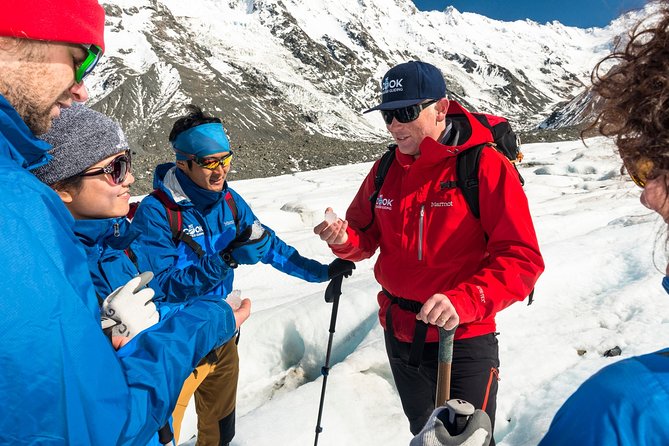
- Glacier walking gear is handled for you: boots, socks, crampons/snow shoes, poles, and waterproof layers are included.
- You’re hiking high enough to feel it: the ice area is around 4,265 ft / 1,300 m.
- Small group focus: up to 11 people, so safety checks and questions don’t get rushed.
- Guides you might meet: names like Flav, Fiona, Pawel, Hunter, and Richard show up in firsthand accounts for friendliness and careful pacing.
Tasman Glacier by helicopter: what makes this feel worth it
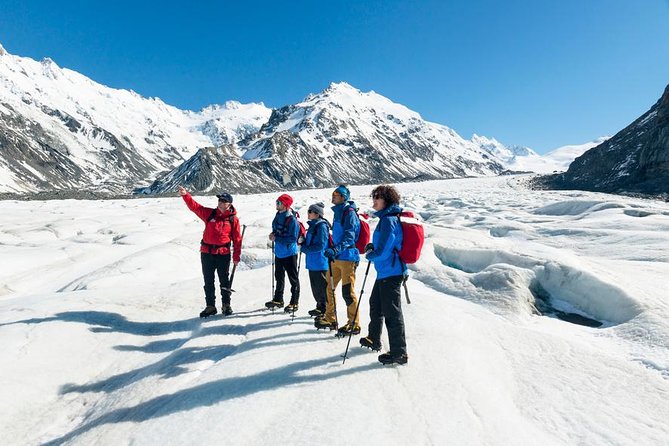
This heli-hike is built for people who want the glacier part without the long drive-and-hike grind. In a few hours, you’re flying over Mount Cook country, landing on the ice, and then walking on glacier terrain that most visitors only see from afar.
What really makes it compelling is the mix of scale and access. Tasman Glacier sits in a dramatic setting under Aoraki/Mt. Cook, and the helicopter gets you to a high landing spot that would take an arduous overland journey to reach. You’ll spend your time on the part that counts: walking and looking up at the ice formations, not doing hours of approach travel.
You can also read our reviews of more tours and experiences in Aoraki Mount Cook National Park Te Wahipounamu.
Mount Cook Airport to helicopter seats: how the morning (or afternoon) starts
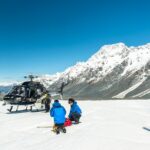
Your day begins at Mount Cook Airport on Mount Cook Road in the Canterbury Region. Plan to arrive with a little breathing room. Helicopters run on tight schedules, and there’s no flexibility to hold departure times if you’re late or miss your slot.
Once you’re checked in, you’ll be set up for the helicopter ride that’s part scenic transport and part big-view moment. Many people aim for a window seat on the way out and back—and on at least some departures, the team may adjust seating so more folks get good views. That matters because the Mount Cook/Aoraki area looks best when you can actually see it clearly, not just through someone’s shoulder.
This is also where you’ll feel the “premium” feel of the day: the operation is compact, the group is small, and everything is geared toward getting you onto the glacier safely and efficiently.
Landing on Tasman Glacier: fitting boots, crampons, and waterproof layers
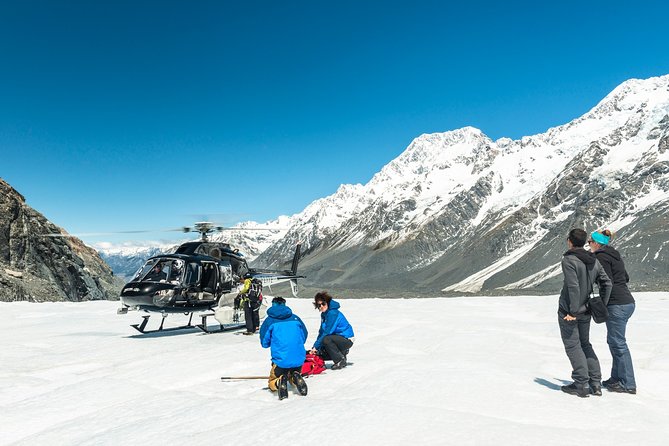
After landing, your first “real” moment comes fast: glacier walking gear. You’ll have boots and wool socks provided, which is huge if you’ve ever tried to hike in cold rentals that don’t quite fit. You’ll also get a waterproof jacket and over-trousers, designed to handle meltwater and the damp cold that hangs around at altitude.
Then comes traction. You’ll be fitted with crampons for glacier walking, and snow shoes in winter depending on conditions. Your guide will also use practical techniques to help the group move safely—this includes cutting steps in the glacier so everyone can get a stable path.
If you need it, there’s also a harness (if required). That’s a normal safety detail for glacier environments, not a gimmick. The goal is simple: you should be able to focus on where you’re stepping and what you’re seeing.
And yes, bring your own layers on purpose. They provide outer gear, but your comfort still depends on what you wear underneath.
The 3-hour glacier hike at ~4,265 ft: what walking is actually like
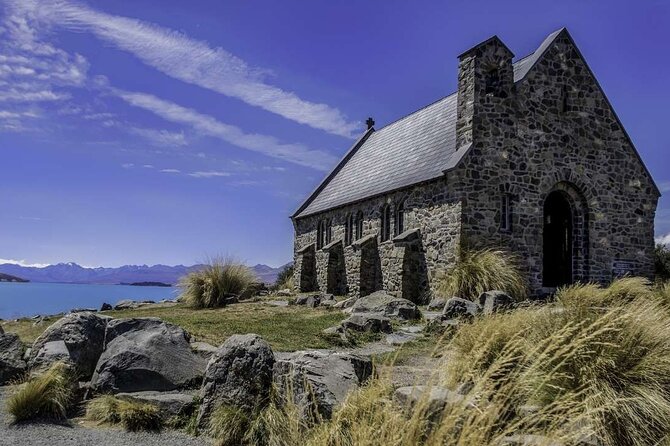
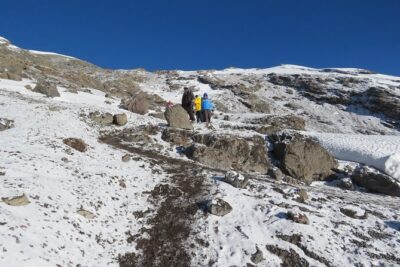
The walking part is where this tour earns its keep. After the fit-up, you’ll head out exploring remote snow fields and ice formations. The route is guided, and you’re not left to wander on your own. Your guide leads the way, and you follow as conditions require—often with time to stop, look, and take photos.
You’ll be operating at roughly 4,265 ft / 1,300 m, which can feel chillier than you expect if you’re used to lowland New Zealand weather. That’s why the clothing guidance matters: wear 3–4 layers on your upper body, and bring warm trousers (no jeans). Jeans stay wet too easily, and cold damp fabric can turn a short hike into an uncomfortable one.
As for what you might see on the ice, think texture and weird angles: blue-white ice, sharp edges, and formation areas that look sculpted rather than natural. Some departures include standout features like ice tunnels or ice-cave-like areas, and a few groups have even talked about tasting or using glacier ice in a playful way. Don’t assume it will happen every day, but it helps to know the guides often look for memorable ice features when safety allows.
The pace is typically “explore, stop, learn, move.” If you’re the type who wants details—how the glacier changes, how the terrain forms, why step-cutting matters—this is the part you’ll enjoy most.
How the guide makes the difference on ice
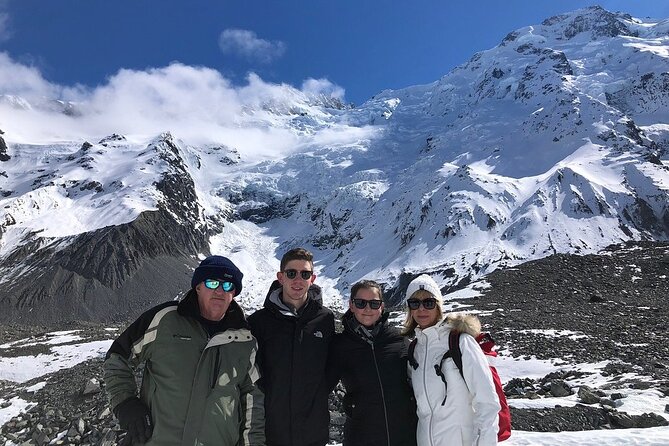
On glaciers, the guide isn’t just there for fun facts. They’re there for footing, pacing, and group management—especially with a maximum group size of 11 people.
From the accounts of past groups, guides like Flav, Fiona, Pawel, Hunter, and Richard get praised for a few repeat themes: they explain what to do clearly, keep safety front and center, and still leave room for photos. One common detail is that you get time on the ice rather than a rushed “in-and-out” stampede.
I also appreciate the hands-on feel of the coaching. You’re shown how to handle crampons and how to walk on slanted ice, and the guide cuts steps as needed so the route stays stable. This is the sort of expertise you want when you’re walking on something that looks solid but behaves like a living, moving system.
If you have questions—about gear, routes, what you’re looking at—small groups make it easier for your guide to answer without everyone waiting behind you.
The return helicopter flight: Mount Cook and Aoraki views from the sky
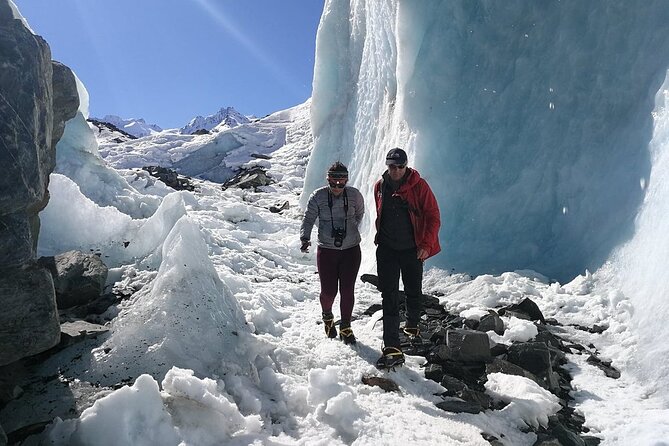
The tour ends the way it starts: by helicopter. That second scenic flight isn’t just transportation—it’s your chance to pull back and see how all the ice features sit in the bigger Mount Cook setting.
You’ll fly back to the Aoraki/Mt. Cook base, and the route includes a spectacular fly-by of Mount Cook (Aoraki) during the flight. This kind of visual wrap-up matters because glacier terrain can feel confusing on foot. From above, it all clicks into place: where you landed, how the valley opens, and why this whole area is so visually intense.
If weather allows, consider your camera ready early. Cold air and quick changes in light can make you wish you’d brought your glove-covered hands to shooting position sooner.
Price and value: is $572.23 actually a deal here?
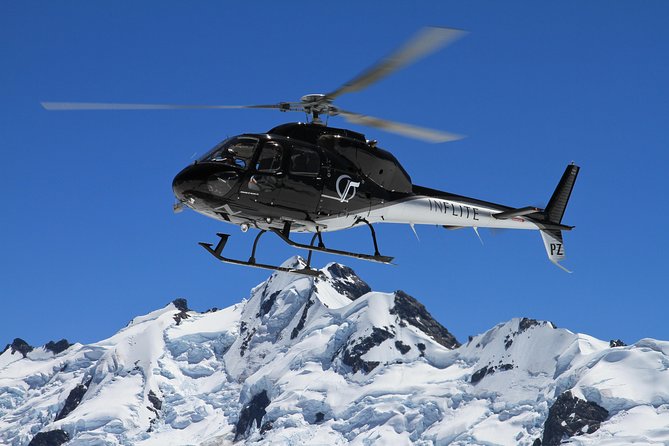
At $572.23 per person, this isn’t a budget activity. You’re paying for three expensive ingredients: helicopter time, professional glacier guiding, and full gear support.
Here’s where the value math gets interesting. You’re not just buying a helicopter ride. The price includes:
- Two scenic flights (to the glacier and back)
- A professional guide
- Leather boots and woolen socks
- Waterproof jacket and over-trousers
- Crampons (or snow shoes in winter)
- Adjustable walking poles
- Harness if required
So compared with piecing together glacier gear rentals plus a tour plus a transport plan, it’s structured to be “all handled.” You still need to bring your own warm layers and snacks, but you’re not scrambling for the essentials.
Is it worth it? If glacier walking is high on your list and you want it done efficiently, I think it’s one of the cleaner ways to get the real ice experience. If your goal is simply a quick scenic look, you may find cheaper viewpoints nearby—but they won’t give you traction, step-cutting, and close-up ice formations.
Who should book this heli-hike (and who should pause)
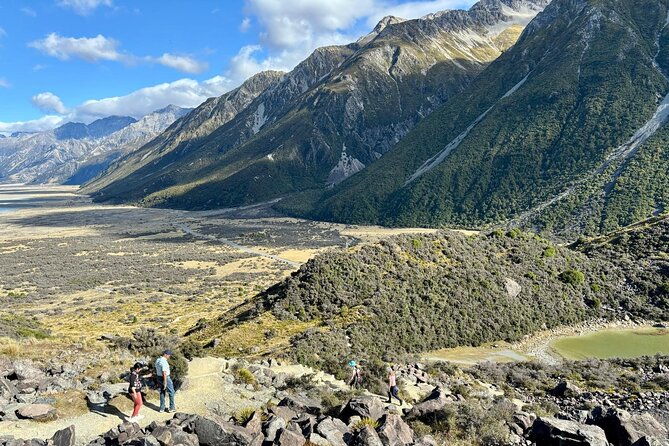
This fits best if you’re comfortable with moderate physical fitness and you can follow instruction. The hike is guided and planned for a wide range of visitors, but you are walking on ice, and your footing matters.
You’ll also enjoy it more if you like getting out of your car and actually doing something physical instead of just watching from a distance. The “walk on frozen water” factor is the point here.
I’d pause if you:
- Hate being cold and you don’t want to layer up (the altitude and ice environment are real)
- Aren’t comfortable moving carefully on traction
- Need a plan that can run no matter what weather does (this one depends on conditions)
If you’re the type who appreciates safety briefings and structured guidance—plus the chance to see Aoraki/Mt. Cook from both land and sky—you’re in the right place.
Book it or skip it: my decision guide
I’d book the Tasman Glacier Heli-hike if you want a short, high-impact glacier day with serious views and no gear hassle. The included boots, crampons/snow shoes, waterproof layers, and guide make it feel like a complete outing rather than a “show up and hope” adventure.
I’d skip it if you’re watching expenses closely or you’re not okay with weather-driven changes. This tour needs favourable conditions, and helicopter schedules are strict—if you miss your departure time, they can’t simply delay for you.
My final take: if glacier walking is on your South Island bucket list, this is one of the most straightforward ways to get on the ice and also see Mount Cook from above—without turning your day into a marathon.
FAQ
How long is the Tasman Glacier Heli-hike?
It runs for about 3 hours (approx.).
Where does the tour start?
The meeting point is Mount Cook Airport, Mount Cook Road, Canterbury Region 7999, New Zealand.
What’s included in the tour price?
You get two scenic helicopter flights, a professional guide, quality leather boots and woolen socks, a waterproof jacket and over-trousers, adjustable walking poles, and crampons (and/or snow shoes in winter). A harness is included if required.
What should I bring with me?
Bring 3–4 layers of warm upper body clothing, warm trousers (no jeans), sunglasses and sun protection, a hat and gloves, plus drink and snacks.
Do you provide crampons and snow shoes?
Yes. Crampons are provided, and snow shoes are used in winter (as stated in the inclusions).
About how high is the glacier hike?
The glacier hike is roughly at 4,265 ft (1,300 m).
What fitness level do I need?
The tour asks for a moderate physical fitness level.
What’s the group size?
There’s a maximum of 11 travelers.
What happens if weather is poor?
The activity is subject to favourable weather. If it’s cancelled due to poor weather, you’ll be offered an alternative date or a full refund.
Can I cancel for free, and what if I miss my departure time?
There’s free cancellation up to 24 hours in advance for a full refund. If you miss your confirmed departure time, the operator can’t delay due to strict helicopter scheduling, and you may be charged 100% of the cost if the space can’t be resold.