REVIEW · SARAJEVO
Urban Hiking city tour through Sarajevo
Book on Viator →Operated by .Cheyf · Bookable on Viator
Sarajevo gets personal once you start walking. This urban hiking city tour links downtown streets, Ottoman-era mahalas, and high viewpoints into one 4 to 5 hour day with an English-speaking guide.
I especially like the way the route connects multiple Sarajevo identities in order, from Ferhadija’s center to the historic Jewish quarter in Mejtaš, then onward to Vrbanjuša’s hillside dervish monastery. I also like the pacing for real humans: it’s a small group (up to 8), with snack breaks and a lunch finish that feels like part of the day, not an afterthought.
The only real drawback to plan for is that this is an actual climb. You’ll be walking uphill and reaching viewpoints, so if you want flat ground or a very light day, you may find the effort too much—especially near the more heavy siege-history stops.
In This Review
- Key points that make this Sarajevo hike different
- How the 4 to 5 hour route really works (and why it’s a smart format)
- Ferhadija Pedestrian Street: history starts at Sacred Heart Cathedral
- Mejtaš and Vrbanjuša: Ottoman neighborhoods with Jewish and dervish threads
- Grdonj: when the view shifts from streets to hillside life
- Vidikovac Špicasta stijena: trench memory and the siege’s heavy context
- Restoran 7 šuma Minjo in Sedrenik: lunch that feels like the reward
- Price and value: what $72.25 buys you (besides a walk)
- Pace, shoes, and who this hike suits best
- Should you book this Sarajevo urban hike?
- FAQ
- How long is the Sarajevo urban hiking tour?
- What is the starting point and meeting location?
- Where does the tour end?
- What time does the tour start?
- Is the tour offered in English?
- What’s included in the price?
- What does the tour cost?
- How big is the group?
- Do I need to pay admissions at the stops?
- Is a mobile ticket provided?
- Is the tour weather dependent?
Key points that make this Sarajevo hike different
- Ferhadija Pedestrian Street start by Sacred Heart Cathedral gives you instant orientation in the city center
- Mejtaš and Vrbanjuša bring Jewish heritage and Ottoman spiritual history into the same walking flow
- Grdonj turns city streets into hillside suburb life, with gardens, animals, and informal settlement scenery
- Vidikovac Špicasta stijena is about memory, passing trench areas tied to the siege
- Finish at Restoran 7 šuma Minjo in Sedrenik with a proper Bosnian lunch and time to settle in
- Small group size and English guide help you ask questions and keep the info focused
How the 4 to 5 hour route really works (and why it’s a smart format)
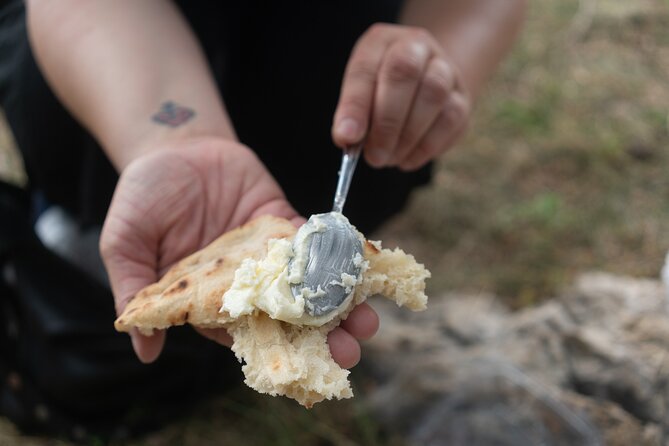
This tour is built around one simple idea: you see Sarajevo best when you move—slowly uphill, but steadily—so the city changes around you. You start in the center, then the neighborhoods shift, then the terrain starts doing what it does naturally in Sarajevo: it pulls you toward the surrounding hills.
The whole experience typically runs 4 to 5 hours, which is long enough to feel like you left the tourist bubble, but short enough that you’re not spending your whole day commuting and waiting. Since the hike ends at a restaurant in the neighborhoods, you also get a clean wrap-up: you eat, you cool down, then you head back into town by taxi or on foot with your guide’s help.
Two practical notes to keep your expectations right. First, this is weather-dependent because you’re outdoors and walking. Second, it’s designed for most travelers, but “most” doesn’t mean “zero effort.” You’re going to climb, and you’ll appreciate bringing water and comfy shoes.
You can also read our reviews of more tours and experiences in Sarajevo.

Ferhadija Pedestrian Street: history starts at Sacred Heart Cathedral
Your morning kicks off at the Sacred Heart Cathedral area (Trg Fra Grge Martića 2). The timing matters: the start is listed for 9:30 am, so you’re beginning while the city is still waking up, and before the walk gets too hot or too crowded.
From there, the tour settles you into the big-picture Sarajevo story. Your guide gives a fast history download that frames why Sarajevo is often described as a meeting place of empires and religions. You also get a “map in your mind” effect: once you know the layers behind the city, the streets stop looking random.
Stop 1 itself is quick—about 10 minutes on Ferhadija Pedestrian Street—but it’s not shallow. It’s there to orient you before you climb into the mahalas. If you’ve only seen Sarajevo from main roads or museum fronts, this kind of start helps you understand what you’re about to walk through.
Mejtaš and Vrbanjuša: Ottoman neighborhoods with Jewish and dervish threads
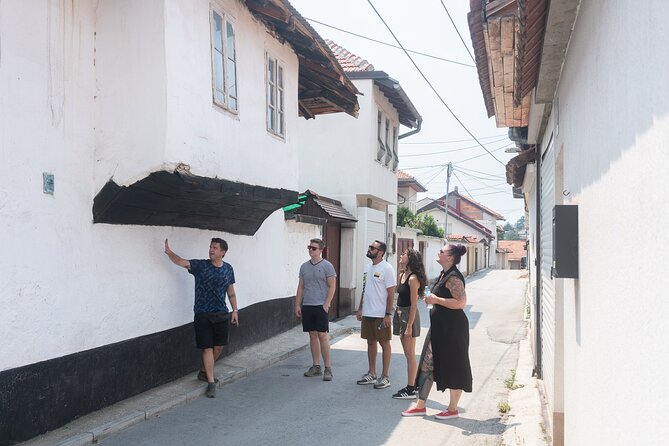
The tour’s best trick is that it doesn’t treat “history” like a single timeline. It treats it like a set of overlapping neighborhoods, where the present is still shaped by older faiths, older communities, and older architecture.
In Mejtaš, you’re stepping into Sarajevo’s historic Jewish quarter. The guide talks about the Sephardic roots and how cultures blended here over time. This matters because it adds a different tone to Sarajevo. Instead of only hearing about one period or one conflict, you’re learning how communities lived side by side.
Then you move to Vrbanjuša, where you see that Ottoman Sarajevo wasn’t just buildings—it was also religious life and learning traditions. One highlight is the old dervish monastery tucked on the hillside. For a short stop, it’s a strong reminder that Sarajevo’s spiritual history isn’t only about mosques and churches; it also includes more unusual threads that you might miss if you only stick to the best-known landmarks.
A small warning that’s practical, not gloomy: these stops are information-heavy. If you’re the type who hates explanations, plan to treat it like a guided walk through context rather than a lecture. The format is short enough that you’ll stay engaged.
Grdonj: when the view shifts from streets to hillside life
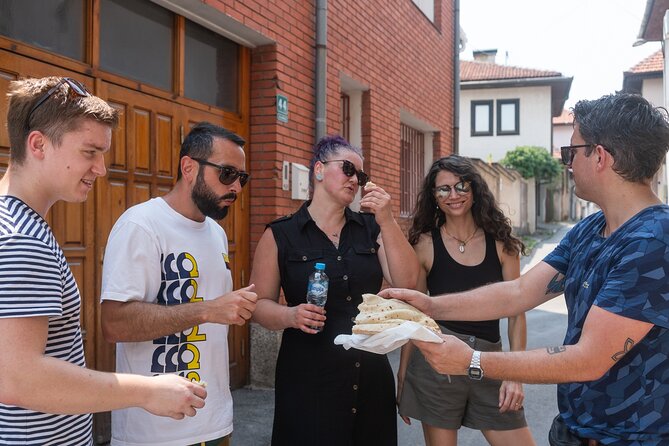
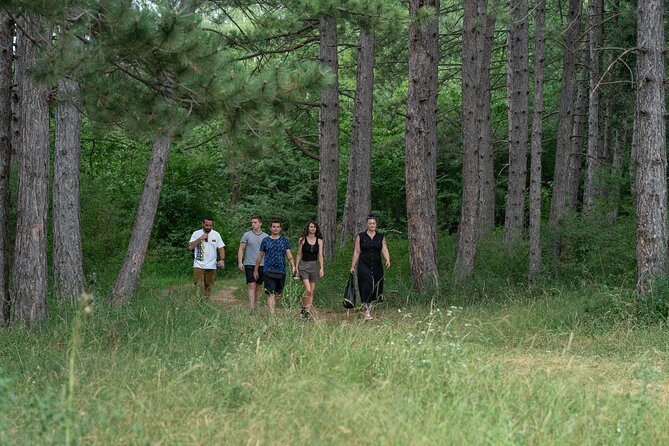
After the mahalas, the tour starts to climb more clearly, and the setting shifts from urban density toward hillside living. This is where the walk turns from “sightseeing” to “seeing how the city actually sits in the mountains.”
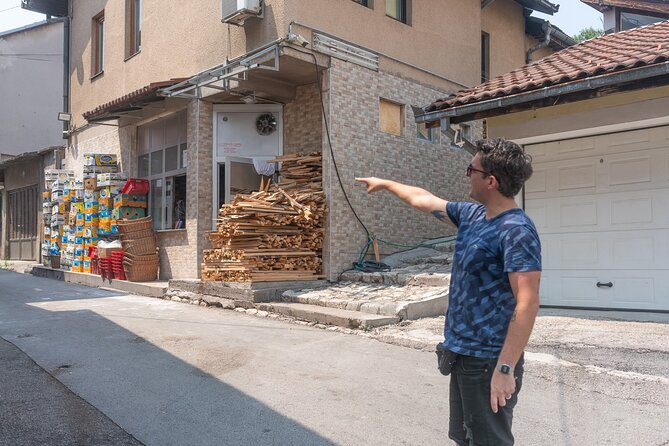
At Grdonj, you pass homes and yards on the edge of the city’s more informal settlement patterns. The vibe changes: you might notice makeshift gardens, and in the broader sense of what people keep in those spaces, even animals like chickens or sheep. The point isn’t to focus on poverty or judge it. The point is to notice how people adapt their daily lives to a steep, mountainous place.
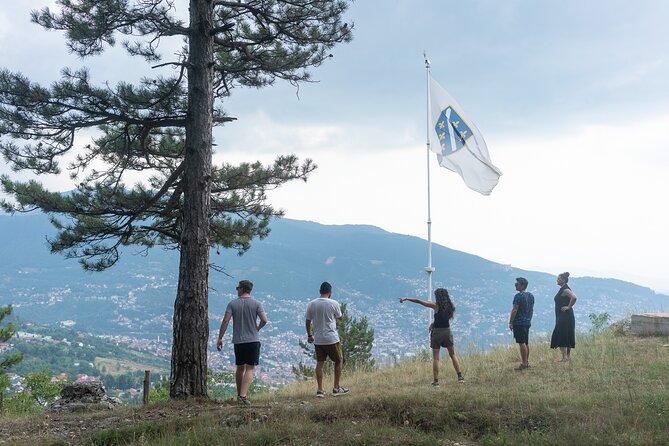
You also get a pause at a viewpoint, and this is where Sarajevo starts looking like the valley-to-hills picture you’ve probably seen in photos. But you’ll get it from eye level, not from a postcard.
This stop can be a mental reset, too. After dense neighborhood history, the hillside scenery helps your brain breathe. In reviews, people liked the mixture of shade and fresh air when the walk goes higher, which suggests a cooler feel compared with staying in the center all day.
Vidikovac Špicasta stijena: trench memory and the siege’s heavy context
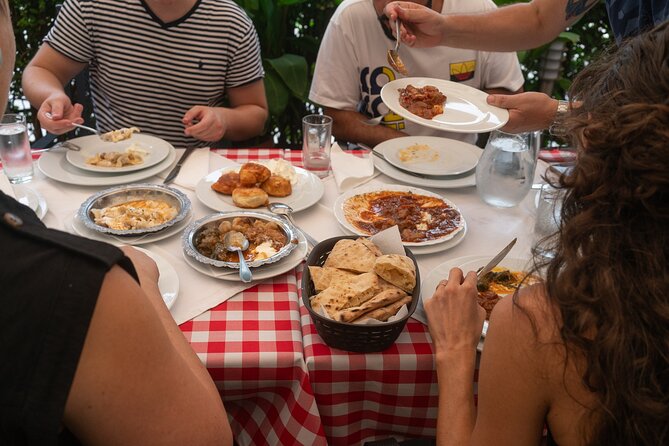
Then comes the most difficult section: Vidikovac Špicasta stijena. The walk takes you toward another great viewpoint, and along the way you pass areas tied to Serb trenches—part of the siege story.
This is not “war tourism as entertainment.” It’s presented as living memory and a painful chapter that shaped Sarajevo. Reviews mention trenches that soldiers dug around 30 years ago, and that detail helps make the history feel painfully physical rather than abstract.
Here’s why this stop matters for your understanding of Sarajevo. City views can feel romantic, but Sarajevo’s skyline doesn’t only mean beauty. It also means survival and resilience in a place that had to keep functioning while under siege. If you came for cultural history and mountain views, you still get them—but you also leave with a clearer sense of what those views mean to people who lived through that period.
The consideration: if you want a fully light, casual walk, this is where your mood may dip. I’d treat it like a moment of respect—pause, listen, then move on. The rest of the day ends with food, so you can recover after the heavy context.

Restoran 7 šuma Minjo in Sedrenik: lunch that feels like the reward
The tour finishes at Restoran 7 šuma Minjo in Mahala Sedrenik. This is a big part of why this hiking tour earns strong marks: the meal isn’t just calories. It’s a chance to sit with the neighborhoods you’ve been walking through.
Lunch is included, along with snacks during the hike. That combination matters because you’re working your legs, and you don’t want your day to turn into a snack hunt. Some reviews also mention a rakija tasting, which suggests the restaurant experience may include local spirits as part of the food setup, even if it’s not highlighted as the main point.
One more practical plus: people noted that the meal can be vegetarian, which is rare for some countryside-style restaurant experiences and a real help if your group has different diets.
After lunch, you’re finished at the restaurant, and then you return to the city by taxi or on foot. The guide is there to help you figure it out, which keeps the day from ending with confusion.
Price and value: what $72.25 buys you (besides a walk)
At $72.25 per person, you’re paying for more than a route. You’re paying for an English guide, a curated order of neighborhoods, and meals that make the day actually livable. With a max group size of 8, the cost per person isn’t being spread across a huge crowd, and the guide can keep the conversation going without losing you in a slideshow.
The included parts are clear: snacks and lunch. When a tour includes food at the end, it usually means you’re not rushed to find a restaurant afterward, and it often means the itinerary is planned around the meal rather than interrupted by it.
Duration is listed at 4 to 5 hours, and the stops are timed in short bursts, with the longer climbs and pauses where you’ll want them. That keeps the day from dragging, and it helps explain why people call it a worthwhile guided experience rather than just exercise with a history label.
One last value point: this route isn’t only downtown icons. You’re seeing mahalas, hillside monastery context, and viewpoint areas tied to siege memory. That mix—city + hillside + context + food—tends to feel more complete than the typical “two neighborhoods and a selfie” walking tour.
Pace, shoes, and who this hike suits best
This is a good fit if you want Sarajevo in layers. You’ll get urban context from the start, then neighborhood history as you move through the mahalas, then real hillside scenery. It’s also a good choice if you want some nature time but you don’t want to commit to an all-day mountain hike.
Who it fits best:
- You like walking with explanations, but prefer them broken into short stops
- You want both Sarajevo’s culture and its mountain setting
- You’re curious about mahalas, Ottoman-era traces, and the city’s siege memory in the same day
Who might rethink:
- You need a fully flat, minimal-effort route
- You want to avoid any mention of trench areas and siege history (it’s part of the viewpoint segment)
- You’re sensitive to cold or heat and can’t handle outdoor time when weather is less friendly
If you book, pack for walking uphill. Comfortable shoes matter more than you think, and bringing water helps because you’ll be moving for hours.
Should you book this Sarajevo urban hike?
Book it if you want a Sarajevo walking tour that feels like a full day, not just a downtown circuit. The standout value is the blend: start in the city center, learn how mahalas shaped Sarajevo, climb into hillside views, face the siege context at Vidikovac Špicasta stijena, then reward yourself with an included Bosnian lunch at Restoran 7 šuma Minjo.
Skip or reconsider if you’re chasing only light, casual sightseeing with no heavy moments, or if you’re not comfortable with uphill walking. For everyone else, this is a strong way to see Sarajevo’s real geography and its real layers in one connected story.
FAQ
How long is the Sarajevo urban hiking tour?
It runs about 4 to 5 hours.
What is the starting point and meeting location?
The tour starts at Sacred Heart Cathedral, Trg Fra Grge Martića 2, Sarajevo.
Where does the tour end?
It ends at Restoran 7 šuma Minjo, Sedrenik 65, Sarajevo. From there, you return to the city by taxi or on foot.
What time does the tour start?
The start time is listed as 9:30 am.
Is the tour offered in English?
Yes. The tour is offered in English.
What’s included in the price?
Snacks and lunch are included.
What does the tour cost?
The price is listed as $72.25 per person.
How big is the group?
The tour has a maximum of 8 travelers.
Do I need to pay admissions at the stops?
Admission tickets are listed as free for the stops included.
Is a mobile ticket provided?
Yes, it uses a mobile ticket.
Is the tour weather dependent?
Yes. It requires good weather, and if it’s canceled due to poor weather, you’ll be offered a different date or a full refund.