REVIEW · UGANDA
7 Days Rwenzori Summit (Margherita Peak) Hike
Book on Viator →Operated by Trek Rwenzori Tours · Bookable on Viator
Africa’s third-largest summit is a real workout.
This 7-day small-group trek to Margherita Peak in Rwenzori Mountain National Park is interesting because you climb through changing ecosystems, from rainforests and rivers to the cooler, high-alpine zone where glaciers can still be seen. I especially like the small group feel (up to 15 people) because it makes the pace feel human and the support more hands-on.
I also like the way the trip removes stress from logistics. You get all hiking gear plus hut accommodation for the trek, and the package includes food and bottled water for the week, so you’re not juggling shopping lists while your body is busy adapting to altitude. Overnight support by guides and park rangers also means you’re not “winging it” on a serious mountain.
One drawback to think about: this hike is genuinely challenging, and you’ll want strong physical fitness before you start. Also, rain jackets and high mountain pants are not included, so you’ll need to plan for proper weather protection yourself—especially since some conditions can get nasty in the rainy season.
In This Review
- Quick hits on the Margherita Peak trek
- Why Margherita Peak is such a big deal in Uganda
- Price and value: what $1,435.90 really buys you
- The support team: small group pacing with Emmanuel, Enoch, and John
- Your week on the mountain: altitude, huts, and acclimatization
- Day 1: Nyakalengija (1615m) to Nyabitaba Hut (2651m)
- Day 2: Nyabitaba Hut (2651m) to Mubuku River (2600m) and John Matte Hut (3380m)
- Day 3: John Matte Hut (3380m) to Bujuku Hut (3962m)
- Day 4: Bujuku Hut (3977m) to Elena Hut (4541m)
- Day 5: Elena Hut (4541m) to Margherita Peak and then Kitandara Hut (4027m)
- Day 6: Kitandara (4027m) to Fresh Field Pass (4282m) to Guy Yeoman Hut (3450m)
- Day 7: Guy Yeoman Hut (3450m) to Nyabitaba Hut (2651m)
- Day 8: Nyabitaba Hut (2651m) to Nyakalengija (1615m)
- Wildlife moments and the changing ecosystems you’ll notice
- What’s included on the trail (and what you still need)
- Where you start and how the timing works in Fort Portal
- Safety and conditions: why the rainy season needs strong leadership
- Who should book this Margherita Peak trek
- Should you book this trek to Margherita Peak?
- FAQ
- Where is this trek, and what summit does it target?
- How long is the trek to Margherita Peak?
- What time does the trek start, and where do we meet?
- What is included in the price of $1,435.90 per person?
- What should I bring because it is not included?
- How many people are in the group?
- Can I cancel and get a full refund?
Quick hits on the Margherita Peak trek
- All gear included: you do not need to bring your own trekking equipment
- Guides plus park rangers: real local expertise working together each day
- Food and bottled water included: less decision-making when you’re tired
- A true 7-8 day summit rhythm: built-in acclimatization for most hikers
- You travel the major peaks route: Portal Peaks, Mt. Gessi, Mt. Emin, Margherita Peak, and Mt. Speke
Why Margherita Peak is such a big deal in Uganda
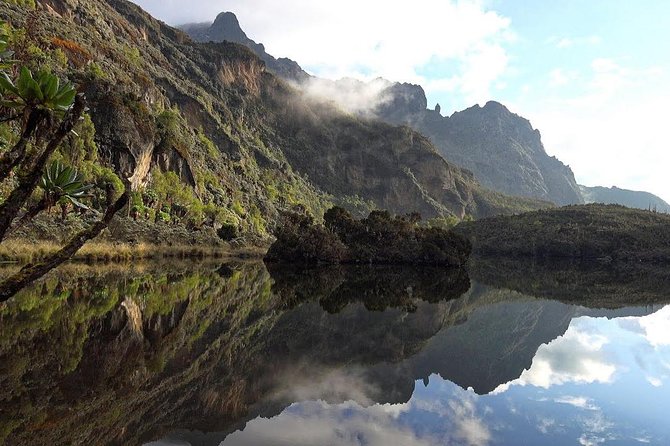
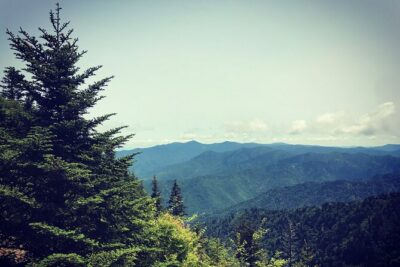
Rwenzori Mountain National Park is famous for one simple reason: it feels like you’re walking through different climates in one trip. Starting from lower elevations, you move upward into cooler terrain where you can see the effects of altitude and weather changing fast. That matters on this trek because the top part of Africa’s mountain world is not just a “bigger hill.” It’s a long, slow climb where your body has to keep up.
Margherita Peak is the moment everyone signs up for. It’s listed as the climb to the top of Africa’s third-largest summit, and the route also covers other major points along the way, including Portal Peaks, Mt. Gessi, Mt. Emin, and Mt. Speke. That gives the whole week a sense of progression, not just one long day of grinding followed by a summit stamp.
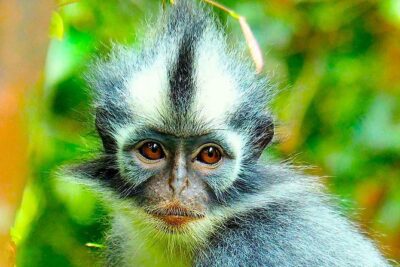
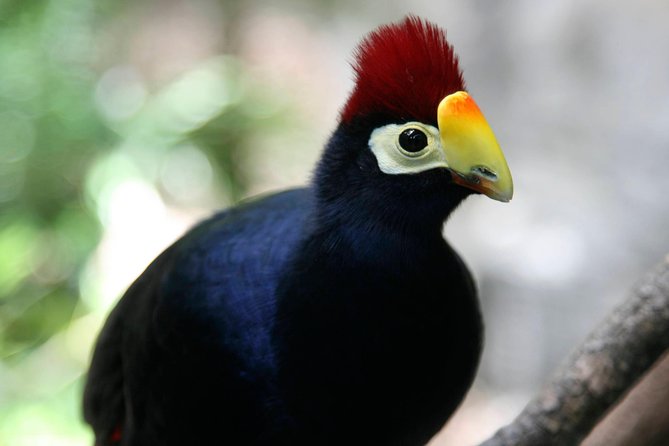
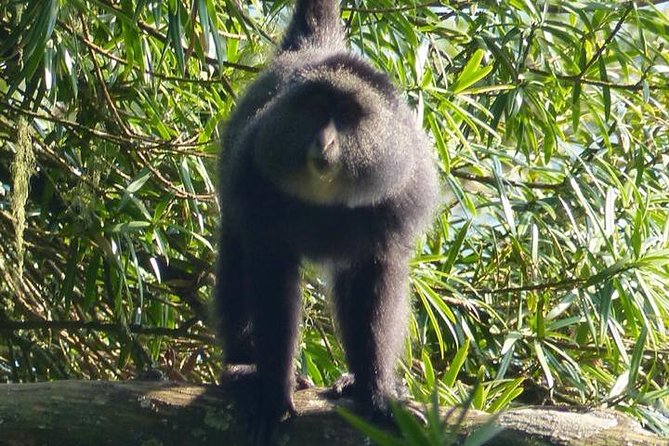
What makes this hike feel especially “Uganda” is the wildlife and plant life you can encounter on the way up. The trip highlights include the chance to see blue monkeys and even the endemic three-horned chameleon. On a summit trek, that’s a nice reminder you’re not just climbing rocks—you’re moving through a living ecosystem.
You can also read our reviews of more tours and experiences in Uganda.
Price and value: what $1,435.90 really buys you
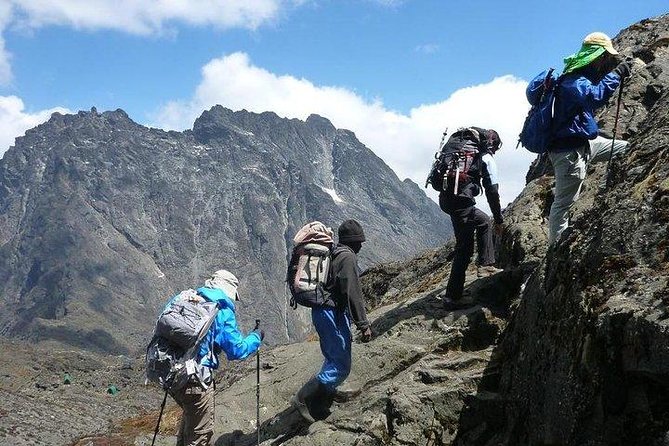
At $1,435.90 per person, you’re paying for a lot more than time on a trail. The package includes national park entrance fees for 7-8 days, all meals (breakfast, lunch, dinner), and bottled water for the week. It also includes expert trekking guides plus park rangers, overnight hut accommodation, and all hiking gear.
That combination is the value. On a route like this, the expensive parts are often the ones people forget to budget: park access, trained guides, and the support system that keeps you moving safely. Here, you’re not paying separately for rangers, lodging, or “basic survival” on the trail (meals and water are handled).
Your main “extra” costs are the usual travel items not listed as included: insurance, tips, visas, and flight tickets. And the two gear-related gaps are important: rain jackets and high mountain pants are not included. If you show up without them, you’ll either be cold and miserable, or you’ll be forced into last-minute purchases.
So my practical take: if you already have proper rain protection and high mountain pants, this price looks like a fair, all-in mountain package. If you don’t have those items, your real budget should include them.
The support team: small group pacing with Emmanuel, Enoch, and John
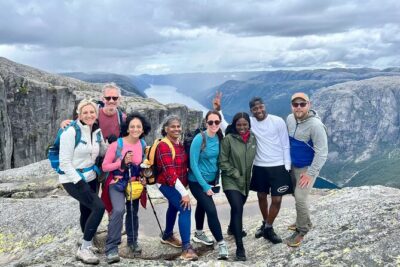
This trek runs with a maximum of 15 travelers, which is a big deal for a high-altitude hike. Smaller groups generally mean less waiting and fewer “everyone do your own thing” moments. It’s also easier for guides to check on you if weather changes or if someone is struggling with acclimatization.
The trip is designed to give you hands-on help from a team of guides and park rangers. In the past experiences shared for this operator, people specifically thanked staff such as Emmanuel (also referenced as Emma), along with Enoch and John, for making the trek smoother before, during, and after the climb. That kind of local continuity matters because summit trekking is not only about legs. It’s about decisions: pacing, route judgment, and knowing when to slow down.
Even in tougher conditions, strong guidance makes a difference. One trek experience during the rainy season credited the guides’ good judgment for making it to the top despite demanding conditions and navigation on the snow plateau area. That doesn’t mean the mountain is always easy. It means the right team helps you stay smart when the conditions turn.
Your week on the mountain: altitude, huts, and acclimatization
This trek takes 7 to 8 days, and the route plan includes a rest day for many hikers to acclimatize to altitude. Very experienced hikers can finish faster, but the normal plan is set up so you’re not constantly racing uphill without giving your body time to adjust.
You’ll also pass through several named major points on the route: Portal Peaks, Mt. Gessi, Mt. Emin, Margherita Peak, and Mt. Speke. The daily rhythm is about gaining elevation step-by-step, sleeping in huts, and then moving again with the next altitude gain in mind.
Here’s what your day-by-day plan looks like by elevation:
Day 1: Nyakalengija (1615m) to Nyabitaba Hut (2651m)
Day 1 is a major altitude jump—from 1,615m to 2,651m. That means expect a strong first-day effort, even before you feel “mountain-tired.” This is also where you likely notice the change in air and temperature right away.
Why this stop matters: the hut night is your first acclimatization anchor. You’re building the habit of sleeping at altitude and waking up to move higher carefully.
Day 2: Nyabitaba Hut (2651m) to Mubuku River (2600m) and John Matte Hut (3380m)
Day 2 starts with a dip toward the Mubuku River zone (from 2,651m down to about 2,600m) before you climb again to John Matte Hut at 3,380m. That pattern is common in altitude treks: a “reset” section that helps you keep going rather than grinding nonstop.
Why this stop matters: it’s your second exposure to altitude. You’ll learn quickly how your pace affects your breathing and energy.
Day 3: John Matte Hut (3380m) to Bujuku Hut (3962m)
You’re gaining again, from 3,380m up to Bujuku Hut at 3,962m. By day three, you’ll likely feel the mountain more than you do in your first two days. That’s normal.
The practical takeaway: don’t treat day three like a fitness test. In serious altitude treks, steady wins.
Day 4: Bujuku Hut (3977m) to Elena Hut (4541m)
Day 4 is a big push to Elena Hut at 4,541m. It’s the kind of elevation where the “small things” start mattering—your breathing rhythm, how you hydrate, and how aggressively you try to power uphill.
Why this stop matters: you’re getting closer to the main alpine zone. If you’re going to feel the altitude, you often feel it around here.
Day 5: Elena Hut (4541m) to Margherita Peak and then Kitandara Hut (4027m)
This is the summit day structure. Starting at Elena Hut, you reach Margherita Peak and then sleep at Kitandara Hut at 4,027m. The drop after summiting is meaningful: it gives you relief for the night and a chance to recover before the next high pass.
Why it’s special: summit days are where the whole week clicks into place. You’ll also be moving in an ecosystem where glacial remnants are part of what makes the area distinctive, and that’s where the trek’s “once-in-a-lifetime” feeling tends to show up.
Day 6: Kitandara (4027m) to Fresh Field Pass (4282m) to Guy Yeoman Hut (3450m)
Day 6 takes you over Fresh Field Pass at 4,282m, then down to Guy Yeoman Hut at 3,450m. That is a classic altitude trek feature: you climb over a pass, then descend to a lower sleep altitude.
Why this stop matters: passes feel intense, but that final descent helps you reset your body. You finish the day with a little more “breathing room” than earlier in the climb.
Day 7: Guy Yeoman Hut (3450m) to Nyabitaba Hut (2651m)
Today is your retreat day. Dropping from 3,450m down to Nyabitaba Hut at 2,651m gives you the physical reward of altitude loss. It also helps you recover before the final trek-out.
Practical note: descent can still be hard on knees and ankles. Your legs may feel tired, even when the altitude is lower.
Day 8: Nyabitaba Hut (2651m) to Nyakalengija (1615m)
Day 8 ends back at Nyakalengija (1,615m) and completes the trek return arc. This is the final “get back down to Earth” day, and it often feels surprisingly emotional after a long week.
Wildlife moments and the changing ecosystems you’ll notice
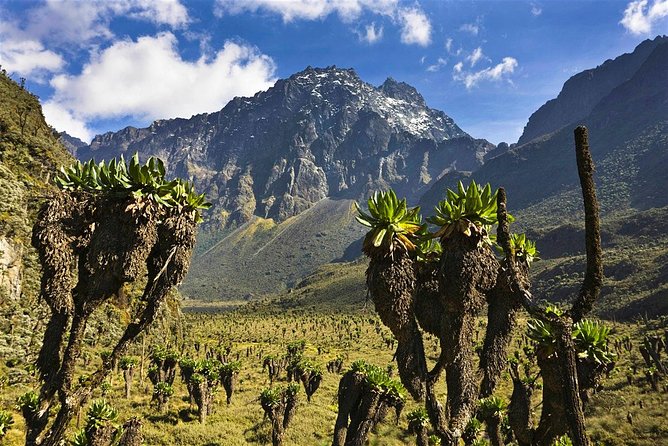
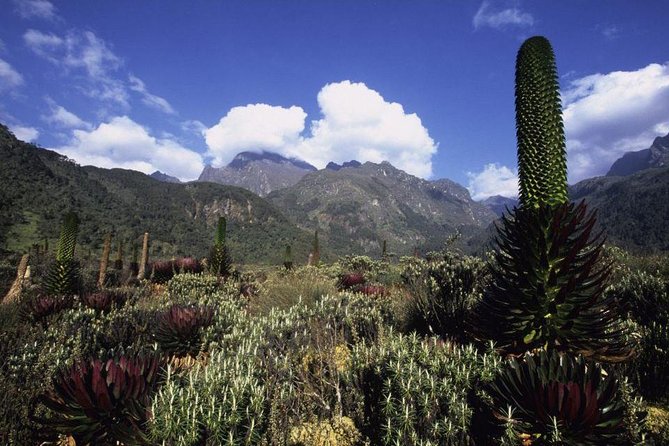
The trek description highlights rainforests, waterfalls, and rivers, and the overall experience is built around the idea that Rwenzori isn’t one uniform mountain. It’s a shift in climate and life zones as you gain height.
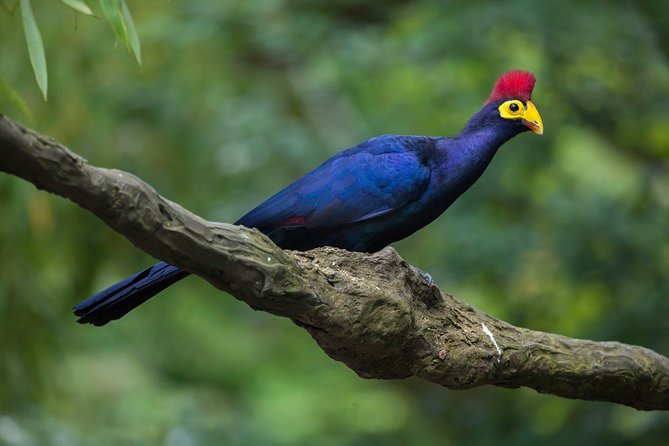
You can look for sightings like blue monkeys in the lower/forest areas, and you might spot the endemic three-horned chameleon as you move through the higher, wetter habitats. Those are not things you’d expect on a typical summit trek, so they add real texture to the week.
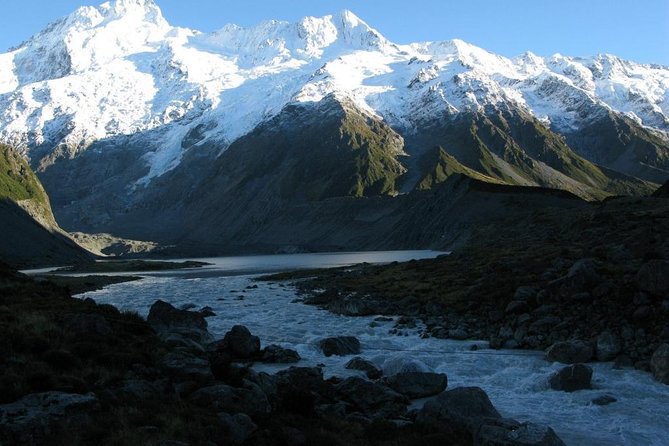
Then, as you climb toward the top, you’re in a part of the range where people describe the presence of remaining glaciers and alpine lakes. Even without getting stuck on exact visuals, you’ll feel the difference in air, wind, and terrain. It becomes a more exposed, high-elevation environment where weather can change how hard the trek feels from one hour to the next.
What’s included on the trail (and what you still need)
One of the easiest parts of this tour is that the major trail basics are handled. Included in the package are:
- All hiking gear (no need to bring trekking equipment)
- Overnight hut accommodation
- Meals: breakfast, lunch, dinner
- Bottled water for the week
- Expert guides and park rangers
This matters because it reduces the “pre-trek homework” load. When you don’t have to rent equipment or figure out hut logistics, you can focus on acclimatization and moving steadily.
The two items you must provide yourself are:
- Rain jackets
- High mountain pants
If you’re the type who tends to pack light, this is your reminder to pack smart. Those items are the difference between a day that feels manageable and a day that feels punishing.
Where you start and how the timing works in Fort Portal
You meet at trek rwenzori tours | gorilla trekking | rwenzori trekking | safaris uganda on Rukidi III St, Fort Portal, Uganda. The start time is 8:00 am. Pickup is offered, and the activity ends back at the meeting point.
It’s also described as being near public transportation, which is helpful if you’re trying to plan your arrival in the Fort Portal area.
The day structure is mountain-paced, not city-paced. That means even if you’re energized at the start time, your energy will be shaped by altitude, hut stops, and the summit day rhythm.
Safety and conditions: why the rainy season needs strong leadership
This is a mountain trek where conditions can shift. One shared experience notes doing the hike during the rainy season and crediting the guides for motivation and good judgment. That same account also mentions skilled navigation on the snow plateau area.
You don’t need to panic about rain, but you should respect it. On a trek like this, rain can make footing slower, increase the cold wind factor, and change visibility. In those moments, the value of a guide team plus park rangers becomes very real.
If you’re considering booking and you’re unsure about your fitness, lean toward caution. The tour notes say travelers should have a strong physical fitness level, and that’s not marketing language—it’s the difference between enjoying the climb and spending the week fighting your own limits.
Who should book this Margherita Peak trek
This trek is best for you if:
- You want a serious, structured summit hike rather than a casual day walk
- You’re comfortable with 7 to 8 days on your feet and changing elevations
- You value having guides and park rangers handling route and mountain decisions
- You want the summit experience without bringing your own trekking equipment
You might want to think twice if you:
- Are not confident in your physical fitness for altitude hiking
- Don’t have (or don’t want to buy) proper rain protection and high mountain pants
- Are looking for a mostly easy experience
Should you book this trek to Margherita Peak?
If you’re ready for a challenging but well-supported summit climb, I think this is a smart way to do it. The big reasons are practical: park fees, meals, bottled water, hut nights, and all hiking gear are included, and the small group size helps keep the experience manageable.
My main “hold on” checklist is simple:
- Do you have the two missing pieces: rain jacket and high mountain pants?
- Are you truly fit for a week of altitude hiking with hut nights?
- Are you okay with the fact that summit trekking is about pace and judgment, not just speed?
If you can answer yes to those, booking looks like a strong move.
FAQ
Where is this trek, and what summit does it target?
The trek is in Uganda at Rwenzori Mountain National Park, and it’s a hike to Margherita Peak as part of a multi-peak route.
How long is the trek to Margherita Peak?
The trek takes between 7 and 8 days to complete. The plan includes acclimatization for many hikers, and very experienced hikers may finish faster.
What time does the trek start, and where do we meet?
You start at 8:00 am at trek rwenzori tours | gorilla trekking | rwenzori trekking | safaris uganda, Rukidi III St, Fort Portal, Uganda. Pickup is offered.
What is included in the price of $1,435.90 per person?
Included are national park entrance fees for 7–8 days, breakfast, lunch, dinner, bottled water, expert guides and park rangers, all hiking gear, and overnight hut accommodation.
What should I bring because it is not included?
Insurance, tips, visas, and flight tickets are not included. Also, rain jackets and high mountain pants are not included, so you’ll need to bring them.
How many people are in the group?
The group maximum is 15 travelers.
Can I cancel and get a full refund?
Yes. Free cancellation is available up to 24 hours before the experience start time for a full refund.