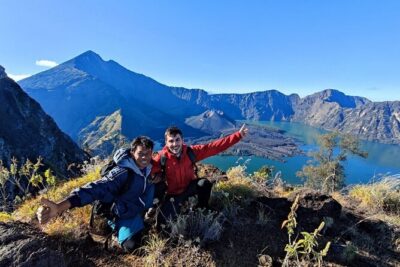
You feel it the moment you start climbing—Olympus is not a stroll, it is a real summit day. This one-day hike takes you to Mytikas (2,918m), the top of Greece’s most revered mountain, using 4×4 access to cut the boring parts and save your legs for the steep section. I like that the route is organized and paced for a full-day push without wasting time, and I also like the safety focus from guides who know the mountain and take it seriously.
The possible downside is the difficulty jump near the top: the steeper part includes scrambling, and the day still totals a long effort even if the 4×4 gets you partway up. If the weather turns ugly, you may face a change in plans, so bring a realistic attitude and dress for the mountain, not for a postcard.
In This Review
- Key Points You’ll Care About
- Why a One-Day Mytikas Summit Works (If You Go in With the Right Mindset)
- Getting There: Kalivia, the 4×4 Drive, and Christakis Hut Altitude
- Hike Start on the E4: From Vehicles to Skolio and Skala
- Skala to Mytikas: Kakoskala Scramble and the Top Push
- Safety on Olympus: Guides, Weather Reality, and Practical Packing
- Gear, Pace, and Group Size: What Included Equipment Changes
- Price and Value: Is $167.76 a Fair Deal for a Highest-Peak Day?
- Who This Tour Suits Best (and Who Should Be Careful)
- Should You Book This Mt. Olympus Mytikas Day Hike?
- FAQ
- What time does the tour start?
- Where do we meet for the hike?
- How long is the tour?
- Do we drive before hiking?
- How many people are in the group?
- What fitness level do I need?
- What happens if the weather is bad?
- Is equipment provided?
Key Points You’ll Care About
- 4×4 access from Kalivia: drive up the west side to the Christakis hut to save hours on foot
- Mytikas is a real summit: you’re going to the highest point, not just a viewpoint
- E4 European Trail section: you’ll spend a solid chunk of time on the E4 route before the hardest bit
- Skala → Kakoskala scramble: this is where good fitness and steady footing matter
- Small group size (max 8): easier control, more personal attention
- Safety-first guidance: guides like Thanasis (with mountain rescue background) keep the pace and risk in check
Why a One-Day Mytikas Summit Works (If You Go in With the Right Mindset)
A one-day Mytikas hike is exactly what it sounds like: fast, focused, and aimed at getting you to the top without turning it into a multi-day project. The tradeoff is that you’ll move with purpose the whole day. No wandering. No long detours. Just a climb that’s tightly organized around reaching the summit.
You’ll also get a more efficient route than the classic “start from the bottom and suffer” approach. The tour uses 4×4 to reach the Christakis mountain hut at about 2,430m, then switches to a guided hike. That altitude jump matters because it turns the day into a manageable (still challenging) mission rather than a marathon.
I like that the plan is built around real hiking logic: drive up, hike on established paths, then tackle the scrambling segment when your legs are warmed up. The biggest consideration is mental more than physical—if you’re expecting a relaxed nature walk, you’ll feel blindsided when the scramble starts.
You can also read our reviews of more tours and experiences in Greece.
Getting There: Kalivia, the 4×4 Drive, and Christakis Hut Altitude
You meet in the center of Kalyvia (Kalyvia 402 00), and you start at 8:00am. From there, you’ll ride in a 4×4 toward the mountain hut Christakis. The drive is split: about 20 km on tarmac, then another 22 km on dirt. It takes roughly an hour for that dirt-road section, which helps explain why the whole day can still feel “long,” even though you won’t be hiking from street level.
Reaching Christakis hut at 2,430m is a big deal. It’s basically the tour’s way of compressing the climb. Instead of spending hours just gaining altitude on foot, you get to the “hike” part sooner and save energy for the route above.
A practical note: expect a bumpy ride on dirt road. Wear shoes that handle rough ground, and keep your phone protected if you’re filming. Once you park the vehicles, the tone shifts from “drive and breathe” to “walk and work.”
Hike Start on the E4: From Vehicles to Skolio and Skala
After you leave the vehicles at the Christakis area, you start walking and follow the E4 European Trail for about 60 to 70 minutes. This segment matters because it sets your rhythm. You’re not yet in the toughest scramble area, so it’s a good time to find a steady pace and stop yourself from rushing.
On this stretch, you traverse past Skolio at around 2,912m, then continue toward Skala. Skala is described as the point where the difficulty ramps up. That detail helps you plan your energy: you’ll likely feel more tired arriving at Skala than you think, even if the earlier walking feels “fine.”
This is also when your guide’s approach really shows. A safety-conscious guide tends to keep the group together, manage footing, and watch weather cues. If skies roll in—or if you’re in for cool, cloudy conditions—your pace may feel harder than expected because you’re fighting wind and low visibility.
Skala to Mytikas: Kakoskala Scramble and the Top Push
This is the part you should respect. The most difficult section begins at Skala, then you continue toward Kakoskala. From there, you scramble up to reach the summit.
Scrambling changes the game. Your hands might be useful. Your footing needs attention. And you’ll likely feel it in your calves and thighs when you’re climbing over uneven ground. The summit itself is Mytikas at 2,918m—close enough in elevation that you may feel like it’s “just a little higher,” yet the final approach is still the hardest effort of the day.
A useful thing to know is that this isn’t a route where you can casually drift. You need to stay present and follow the guide’s moves. That’s why the tour is capped at a maximum of 8 travelers—smaller groups make it easier to manage the most technical terrain.
Also, don’t ignore small comfort details here. One guide-focused tip that came through clearly: wear sunscreen on your face. Even on cloudy days, you can get sun exposure at altitude. If the sky is bright for even part of the hike, you’ll be glad you protected your face before you started sweating.
Safety on Olympus: Guides, Weather Reality, and Practical Packing
Olympus has a way of humbling expectations, and this route takes you into that reality fast. One day you can be in steady conditions; another day you might hit super cloudy weather with a little snowfall. That’s not a reason to panic. It’s a reason to plan.
The strongest theme from the guides is safety. You might hike with leaders such as Thanasis, who has a mountain rescue background, or other experienced professionals like Kostas, Stregios, and Tasos. The names matter because they point to a consistent approach: careful pacing, confidence on rough ground, and a focus on keeping the group together.
If you’re thinking, “I’m fit, so I’ll be fine,” I’d reframe it: you’ll be fine if you’re also cautious. Olympus punishes sloppy steps, not just slow legs. The best safety mindset is simple: move deliberately, keep breathing steady, and follow the guide’s route choices rather than trying to improvise when things get rocky.
Packing advice, based on what you can infer from mountain conditions and the day’s effort:
- Bring layers, because clouds and cold snaps can happen even when the hike starts early.
- Have sun protection even if it’s not blazing.
- Wear shoes with grip for dirt, rocks, and scramble terrain.
- Keep something for hydration accessible, because you’ll be working for hours.
If the weather doesn’t cooperate, you may be offered a different date or a full refund—so don’t treat weather as an optional factor.
Gear, Pace, and Group Size: What Included Equipment Changes
This tour includes equipment, which helps you travel lighter and worry less. That said, you should still show up with the basics that matter: proper footwear and clothing that handles a long day of climbing. The scramble portion is where shoes earn their keep.
The pace is built for people with good fitness levels, and the tour specifically notes suitability for moderate physical fitness. Translation: you don’t need to be an athlete, but you do need stamina for a 10-hour day. Your legs will work. Your breathing will rise. And you’ll likely feel the time.
Small-group structure helps, too. With up to 8 travelers, you get less crowding and more chance to ask questions mid-hike. It also gives the guide flexibility to pause when the terrain gets busy or when someone needs a breather.
One thing I genuinely like about guided summit days is that the leader handles the “what now?” moments. When you hit the scrambly section, you want someone deciding the safest line, not a group guessing.
Price and Value: Is $167.76 a Fair Deal for a Highest-Peak Day?
At $167.76 per person for about 10 hours, you’re paying for three major things: guided safety on difficult terrain, 4×4 access up to roughly 2,430m, and the logistical work of running a tight one-day summit plan.
What you get is not just walking to a viewpoint. You’re targeting the highest peak, Mytikas (2,918m), and the route includes a technical scrambling segment. That kind of terrain requires expertise and risk management. In this context, the price doesn’t feel inflated; it feels like the cost of doing the day right.
You also get group value. Group discounts are listed, and the group size limit means they’re not trying to cram in a huge number of people. Plus, equipment being included can reduce your pre-trip costs.
The real “value” question is whether you’ll actually use the benefits. If you’re strong on footing and comfortable with a scramble, the guide + 4×4 access makes this day efficient. If you’re not, you may struggle more than you want and lose some enjoyment. This is one of those tours where your personal comfort with climbing mechanics affects the experience more than almost anything else.
Who This Tour Suits Best (and Who Should Be Careful)
This is a good fit if you:
- Have good fitness and can handle a long day of hiking
- Are okay with scrambling and uneven rocky ground
- Want a guided summit attempt that emphasizes safe movement
- Prefer a small group experience (max 8)
It’s something to approach cautiously if you:
- Avoid scrambling or aren’t comfortable using hands for balance
- Get stressed when footing gets technical
- Have limited hiking stamina for a full 10-hour day
One review detail that supports this: even people without heavy climbing experience said they could do it, but the scramble included more climbing than they expected. So I’d treat this as “possible if you’re prepared,” not “easy if you’re curious.”
If you’re the kind of hiker who likes clear structure, small-group control, and a summit goal that’s run with real competence, you’ll likely love this day.
Should You Book This Mt. Olympus Mytikas Day Hike?
I’d book it if your top priority is a real, highest-peak summit day on Olympus with guided safety and 4×4 support. This tour is designed to make Mytikas achievable in one day by cutting the long initial approach and concentrating effort where it counts.
Don’t book it on autopilot if you’re unsure about scrambling. Be honest with yourself about your comfort on rough, steep terrain. Also, check your expectations around weather: clouds and even light snowfall have happened, and the mountain won’t apologize for being the mountain.
Finally, if you’re going to invest in a summit day, choose the experience where the guide leads with safety. With this operator, you’ll be in that hands-on, risk-aware style—whether you hike with Kostas, Thanasis, Stregios, or Tasos.
FAQ
What time does the tour start?
The start time is 8:00am.
Where do we meet for the hike?
You meet in the center of Kalyvia (Kalyvia 402 00, Greece).
How long is the tour?
The duration is about 10 hours.
Do we drive before hiking?
Yes. You ride in a 4×4 from Kalivia toward the Christakis mountain hut, then hike the rest of the way from there.
How many people are in the group?
The tour has a maximum of 8 travelers.
What fitness level do I need?
The tour is described as suitable for people with moderate physical fitness and a generally good fitness level. The route includes a difficult section with scrambling.
What happens if the weather is bad?
The experience requires good weather. If it’s canceled due to poor weather, you’ll be offered a different date or a full refund.
Is equipment provided?
Yes, equipment is included.