REVIEW · QUITO
Cotopaxi National Park Hiking & Biking Tour
Book on Viator →Operated by Ecuatraveling · Bookable on Viator
Cotopaxi is loud with fresh air. This hike-and-bike day trip takes you up to a refuge near an active volcano, then drops you back down through dramatic country toward Limpiopungo Lake. I especially love the mix of effort and payoff: the climb gives you big altitude views, and the bike portion turns the whole day from hard work into fun. My other favorite part is the small-group feel (max 18) plus an expert, bilingual guide who can explain what you’re looking at. One thing to consider: timing and weather matter, and a cloudy day can blunt the views while the logistics around meeting the group can be a bit fussy if you arrive a few minutes late.
You’ll be up early, with pickups in two different parts of Quito, and the schedule moves fast once you’re on the mountain. I like that lunch is built in at the Chaupi community, so you’re not scrambling after a high-altitude morning. The only real drawback I’d watch for is bike quality and safety—when bikes aren’t in great shape, the ride can feel more stressful than exciting, even if the route is straightforward.
In This Review
- Key things to know before you go
- What you’re really signing up for on Cotopaxi
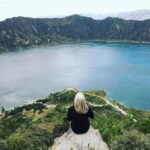
- Getting out of Quito: pickup points and the early start
- The hike: from 4,600 m to the refuge at 4,800 m
- Downhill mountain biking: fun, fast, and worth checking
- Limpiopungo Lake viewpoint and the Chaupi lunch stop
- Timing pressure: what it means for photos and pacing
- Gear checklist that actually matches Cotopaxi weather
- Fitness level: what moderate really means here
- Price and value: is $72 a fair deal for this day?
- Should you book this Cotopaxi hike and bike tour?
- FAQ
- How long is the Cotopaxi Hiking & Biking Tour?
- Where do you get picked up in Quito?
- How high do you hike during the tour?
- Is breakfast included?
- Is the bike ride included?
- Do I need to sign anything if I use the bicycle?
- Are hot drinks included at the refuge?
- What should I bring?
- Does the tour run in all weather conditions?
- What is the cancellation policy?
- How many people are in the group?
Key things to know before you go
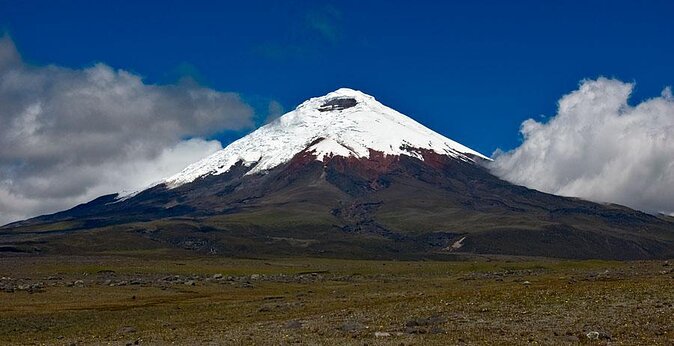
- High-altitude start: you begin hiking from about 4,600 m (15,092 ft), then reach a refuge around 4,800 m (15,750 ft).
- Bike is optional, but not trivial: you may sign a responsibility document and leave an identity document during the tour.
- Clear time blocks: you’ll likely be on the move by late morning, then bike downhill starting around 13:00.
- Small group (max 18): easier to manage on crowded trails and at viewpoints.
- Lunch at Chaupi: a real community stop, not just a quick tourist snack.
- Bring real cold-weather gear: warm layers and head/hand protection are not optional at this altitude.
What you’re really signing up for on Cotopaxi
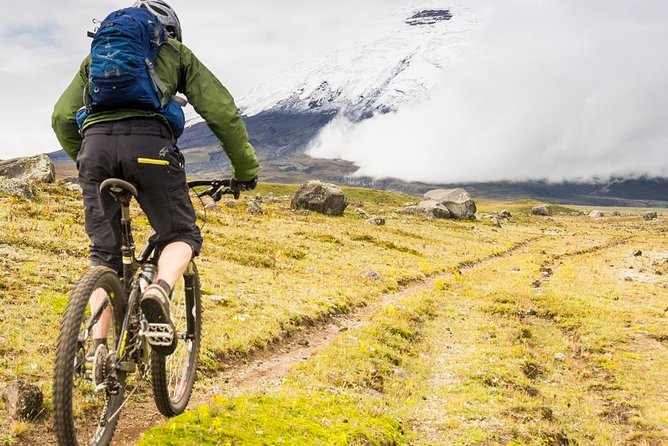
This is a day that blends two styles of travel—walking in thin air, then rolling downhill on a mountain bike—so it feels more like an active excursion than a scenic bus ride. The route is focused and compact: you get altitude early, a refuge stop around late morning, then downhill biking and a lake viewpoint before lunch.
The best version of this day is simple: steady hike, breath-catching views (when the sky cooperates), and then a bike ride that feels like a reward for your effort. A lot of the positive energy people report comes from the guide’s pace and encouragement, including guides like Stuie and Victor (and drivers like Alex) who sound used to keeping different fitness levels in sync.
The less-perfect version is also predictable: if clouds roll in, Cotopaxi’s views can shrink fast. And if you’re picky about photos and lingering at the top, keep expectations realistic—this tour is designed to keep moving.
You can also read our reviews of more tours and experiences in Quito.

Getting out of Quito: pickup points and the early start
Plan for an early wake-up. The tour picks up in Quito around:
- 07:15 at Plaza Foch (near Juan Leon Mera and Mariscal Foch)
- 07:30 at Plaza San Blas (Caldas E1-83 y Pichincha)
Then you transfer to Cotopaxi National Park and arrive at the parking lot around 09:45 at about 4,600 m. That means your body is going to be climbing into altitude fast, and your schedule won’t wait for late arrivals.
Practical advice: confirm the exact meet point details from the operator (not just a vague location). If you can, have a working local calling plan or WhatsApp-ready phone—some tours run smoothly, but when communication slips, it can turn into a frustrating wait.
The hike: from 4,600 m to the refuge at 4,800 m
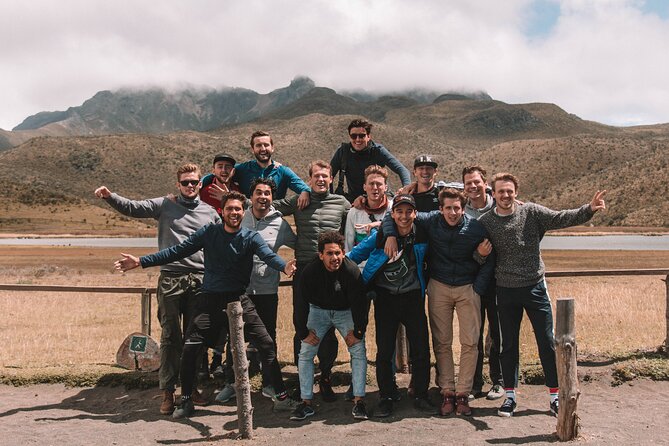
This tour’s hiking segment is the core. You start at roughly 4,600 m (15,092 ft) and head uphill to a refuge at about 4,800 m (15,750 ft). The goal isn’t a marathon summit push; it’s a breathing-in-thin-air trek that’s still intense because the altitude does most of the work.
Timing is tight but not crazy:
- 09:45 start hiking from the parking lot
- 11:00 arrive at the refuge
At the refuge, hot drinks are optional and not included—so you’re likely to stay warm with what you’ve brought, then decide on any extra warmth you want there.
What I like about this hike format is that it’s long enough to feel like you climbed something real, but short enough to keep the day active for biking afterward. For many people, the refuge stop feels like a turning point: you’ve done the hard part, and now you can shift into the downhill phase.
What to consider: at this elevation, you’ll feel it even if you’re fit. Bring warm clothing and use a steady pace. If you get winded, slow down early rather than trying to power through—your legs will thank you later.
Downhill mountain biking: fun, fast, and worth checking
Around 13:00, the downhill biking starts from the parking lot area. Expect a real descent, not a flat cruise. The goal is simple: get you down from high altitude through changing terrain until you reach the Limpiopungo Lake viewpoint at about 14:00.
A few practical notes before you say yes to the bike:
- Bike use is optional, so you can choose not to ride.
- If you do ride, you’ll likely be asked to sign a document accepting responsibility for the bike’s use, and you’ll be asked to leave an identity document (returned after the tour).
- You need to take safety seriously. The bike ride is described by many as exhilarating, but the quality of the bike can vary.
Some people have flagged issues like brakes that don’t feel responsive and the wrong type of helmet compared with typical bike helmets. That doesn’t mean you’ll get a bad bike, but it does mean you should do a quick check before you roll: test the brakes, confirm the helmet fits properly, and wear warm gloves if it’s cold.
If you’re older or less comfortable on bikes, you may still have a great time—guides who keep a team rhythm can help you choose a pace and avoid panic. But if you know you’re sensitive to mechanical problems, bring your expectations back to earth and don’t assume every bike will feel brand new.
Limpiopungo Lake viewpoint and the Chaupi lunch stop
At about 14:00, you’ll reach the Limpiopungo Lake viewpoint. This is the in-between moment: the bike ride is done, you get a break, and you can take in the area around the lake.
Then comes lunch at 15:00 at the Chaupi community. This matters more than it sounds. A community meal gives you a pause from the altitude effort and shifts the day from pure adventure into a more grounded experience—food, warmth, and conversation after hours outside.
If you’re the type who likes to learn while you eat, this part can be your payoff time. Many people come away happiest when the guide connects the environment to local stories and everyday life, not just to hiking stats.
Timing pressure: what it means for photos and pacing
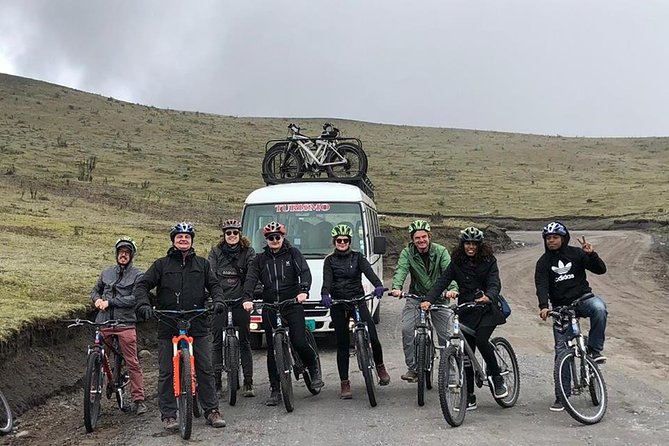
This day is packed. You’re likely to start hiking at 09:45 and be back on the road toward Quito by 18:00. That schedule is exactly why some people love it, and exactly why some people feel rushed.
If you like photography, treat it like a practical task, not a slow strolling hobby. Plan quick photo stops at viewpoints and the refuge. If you want a long, unhurried look around near the glacier region or top areas, you may find this tour keeps moving.
The best approach: travel with the mindset of capturing a few strong images rather than trying to photograph everything. If clouds cover the mountain, adjust too—rather than waiting forever for blue sky, focus on the lake viewpoint and the ride’s scenery.
Gear checklist that actually matches Cotopaxi weather
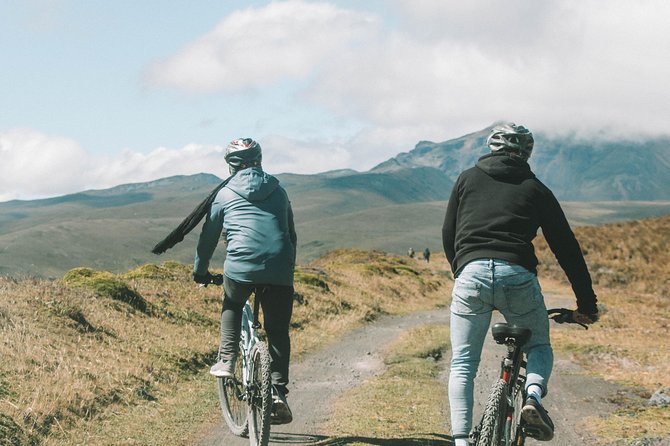
Cotopaxi weather can change quickly, and the tour runs in all weather conditions. That’s not a marketing claim—it’s a packing instruction.
You’ll want warm layers and protection for cold hands and the head:
- Warm clothing, including a change of clothes
- Gloves, scarf, hat
- Sunglasses
- Water
- Hiking shoes or boots
- Camera
- Snacks
- Sun cream
- Cotton pants
- Waterproof jacket
If you bring only a light jacket, you’ll feel it at altitude. If you bring a waterproof layer, you’ll handle rain or wind better and keep your day enjoyable.
Also: consider extra warmth for the bike ride. A downhill ride can feel colder than the hike, especially once you stop sweating.
Fitness level: what moderate really means here
The operator asks for moderate physical fitness. In real terms, you should be able to handle uphill walking at elevation for a couple of hours, then handle the rest of the day after.
You don’t need to be a mountain athlete, but you do need two things:
- steady effort without stopping constantly
- willingness to slow down and breathe through the altitude
A common positive note from people who report great experiences is that guides can adjust pacing for different abilities. Names that show up include Victor and Stuie, and the tone is usually about teamwork and looking out for each other, not leaving slower hikers behind.
If you have respiratory issues or you’re very sensitive to altitude, it’s worth thinking twice and asking medical questions before you go. Even with a guide, the elevation itself is non-negotiable.
Price and value: is $72 a fair deal for this day?
At $72 per person, this is a value-style tour if you want one organized day that combines transportation, a bilingual guide, lunch, and a high-altitude hike with an optional bike.
What you’re getting for that price:
- Round-trip transportation from Quito meeting points
- Admission ticket included
- A professional/bilingual guide
- Lunch
- Bike included as an option (not always taken by everyone)
What’s not included:
- Breakfast
So the key value question is whether you’ll use the whole experience—especially the bike option. If you’re excited by both hiking and biking, the cost feels fair because you’re not paying separately for transport and a multi-activity day.
If you only want the hike and you won’t ride the bike, it may feel a bit more expensive. Still, lunch and guide time can justify it, as long as you show up prepared for cold and altitude.
One more note: the tour is often booked in advance (on average about 18 days). If you’re traveling in peak season or during cloudy-week windows, book early and keep your packing flexible for changing weather.
Should you book this Cotopaxi hike and bike tour?
I’d book it if you want a single active day outside Quito with:
- a real high-altitude hike near an active volcano
- a downhill bike ride that can turn the day into pure momentum
- lunch included at the Chaupi community
- a small group size (max 18) and a guide who can keep the pace friendly
I’d be cautious if:
- you need lots of time for lingering photos at the top, because the schedule is designed to move
- you’re very sensitive to weather and you’re hoping for guaranteed glacier-level views
- you’re worried about bike safety, in which case you should do a quick bike/helmet check before riding and consider opting out if anything feels off
If you do book, come early, confirm the exact meeting spot, dress for cold at altitude, and treat the day like an adventure with structure—fast, focused, and very rewarding when the sky cooperates.
FAQ
How long is the Cotopaxi Hiking & Biking Tour?
The tour runs for about 9 hours (approximately). The schedule includes arrival back in Quito around 18:00.
Where do you get picked up in Quito?
You’ll be picked up at Plaza Foch (07:15) and Plaza San Blas (07:30).
How high do you hike during the tour?
You start hiking around 4,600 m (15,092 ft) and reach the refuge around 4,800 m (15,750 ft).
Is breakfast included?
No. Breakfast is not included.
Is the bike ride included?
A bike is included as an optional part of the tour.
Do I need to sign anything if I use the bicycle?
Yes. For bicycle use, you’ll be asked to sign a document accepting responsibility and you’ll be asked to leave an identity document that’s returned after the tour.
Are hot drinks included at the refuge?
Hot drinks are optional at the refuge and not included.
What should I bring?
Bring warm clothing (including a change of clothes), gloves, scarf, hat, sunglasses, water, hiking shoes/boots, camera, snacks, sun cream, cotton pants, and a waterproof jacket. The tour also emphasizes dressing appropriately for weather.
Does the tour run in all weather conditions?
Yes. It operates in all weather conditions, so you should dress for wind and cold.
What is the cancellation policy?
You can cancel for a full refund up to 24 hours before the experience start time.
How many people are in the group?
The tour has a maximum of 18 travelers.