REVIEW · TBILISI
David Gareji and Real Rainbow Mountains Off-Road adventure + hike
Book on Viator →Operated by Friendly.ge: Transfers & Tours in Georgia · Bookable on Viator
4x4s, caves, and rainbow mountains in one day. This is a long, rugged outing from Tbilisi where you ride out into Georgia’s semi-desert and walk right on the colored slopes around Mravaltskaro before stepping into cave monasteries at David Gareji.
I like that the day mixes two very different sides of Kakheti: the desert scenery plus the living monastic world. When I picture this trip, I think of the Natlismtsemeli cave churches and the way the rock-carved David Gareji complex turns the landscape into part of the story. I also like the human touch—guides such as Alex and Koba are repeatedly praised for clear English, real context, and keeping the ride fun even when the road turns rough.
One thing to consider: this is not a flat stroll. Expect bumpy 4×4 driving, some steep or slippery hiking patches, and about 4 km walking total, so it’s not ideal if you get motion sickness.
In This Review
- Quick take: what makes this day trip click
- Europe Square pickup, then Rustavi to the first real change of scenery
- Mravaltskaro color mountains: where the photo spots turn into a short hike
- Natlismtsemeli Monastery: cave temples, frescoes, and a living rhythm
- David Gareji Monastery: rock churches in the semi-desert
- Udabno lunch and the optional winery stop in Patardzeuli
- Kapatadze Lake salt patches: the quiet finale that looks unreal in person
- Driving comfort, group size, and timing: what 9–11 hours really means
- What to wear and bring so the hike and caves feel easy
- Price and value: what you’re really paying for at $51.50
- Who should book this, and who should skip it
- Should you book the David Gareji and Rainbow Mountains off-road day?
- FAQ
- FAQ
- Where does the tour meet in Tbilisi?
- How long is the David Gareji and Rainbow Mountains tour?
- Is hotel pickup included?
- What walking is involved?
- What’s the lunch situation?
- Is wine tasting included?
- Are there rules for visiting monasteries?
- What should I wear and bring?
- How many people are in the group?
- Is the tour okay for people who get motion sickness?
Quick take: what makes this day trip click
- Off-road viewpoints that go beyond a quick stop for photos
- Rainbow mountains hike with time for multiple angles, not just a bus-window view
- Cave monasteries including Natlismtsemeli and David Gareji
- Small-group feel with a maximum of 12 travelers
- Lunch in Udabno plus a small optional wine tasting
- Desert-sky finale at Kapatadze Lake’s salty white patches (seasonal)
Europe Square pickup, then Rustavi to the first real change of scenery
Most days start at Europe Square. For group tours, you meet at the taxi parking area there, and there’s a short wait window so you can get everyone lined up. If you book private, you get hotel pickup in Tbilisi, which saves time and avoids the early scramble.
Then the day shifts fast. You leave Tbilisi and head toward Rustavi, a post-Soviet city that gives you a side of Georgia you won’t see on the classic city loop. Think Soviet-era architecture, factories and derelict parks, plus dusty hills in the distance. Even if you don’t stop long, it helps you mentally switch from “city day” to “road day.”
The real payoff comes after the drive: the terrain starts getting drier, more remote, and more open. That’s when the 4×4 matters. This isn’t just transportation—it’s part of the experience, because the route heads for areas with fewer visitors.
You can also read our reviews of more tours and experiences in Tbilisi.
Mravaltskaro color mountains: where the photo spots turn into a short hike
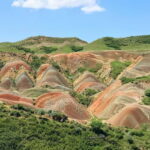
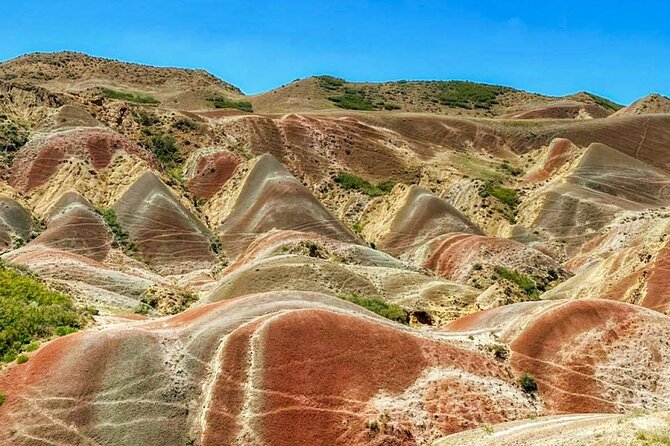
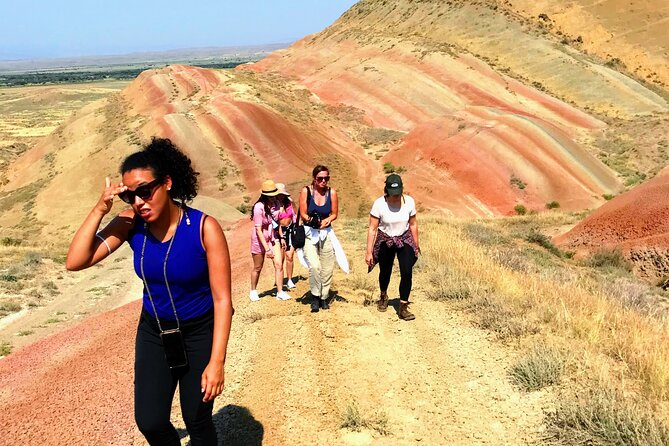
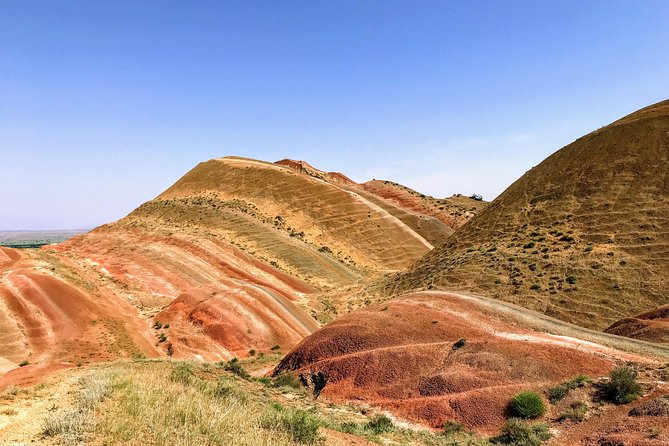
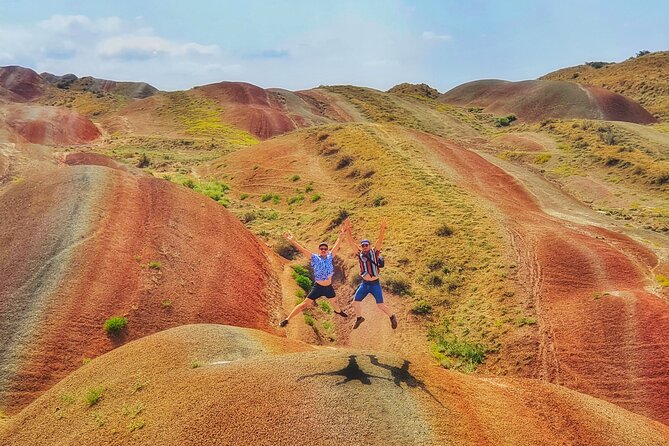
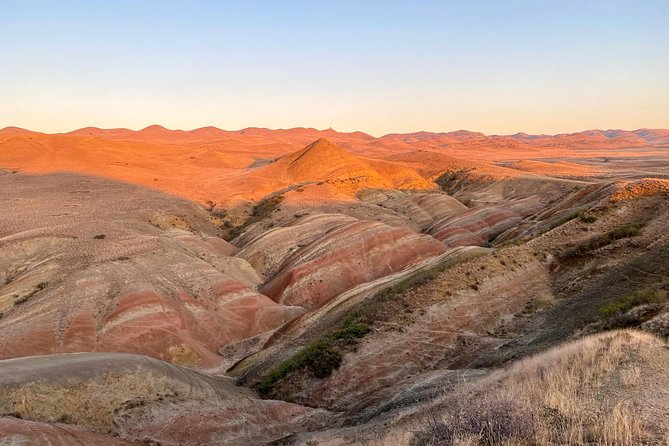
Your first big nature stop is Mravaltskaro, where the colored rock formations and open-breath views can feel almost unreal. This is one of those places where you can spend time looking at the same ridge and notice new colors every few minutes.
You should plan for walking—not a long trek, but enough that you’ll want comfortable shoes and a camera ready. The terrain can include slope and uneven footing. If it’s muddy, you may find sections trickier, so good grip matters.
Why this stop works so well: you’re not just arriving for a single viewpoint. You get time for multiple photo angles and a hike-like exploration around the most scenic spots. In other words, you get closer to the mountains than the typical “quick look” format.
Practical tip: bring long pants if you hike here in warmer months. One reviewer specifically warned about sharp grasses on sloping ground, and it’s the kind of small detail that can make a big comfort difference.
Natlismtsemeli Monastery: cave temples, frescoes, and a living rhythm
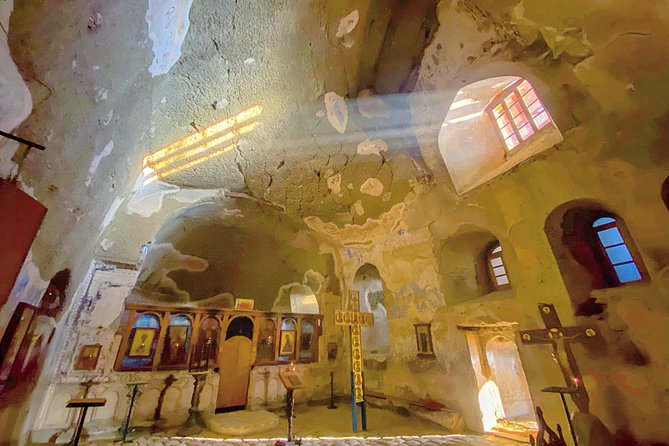
After the desert views, you switch gears to spirituality at Natlismtsemeli Monastery. This place is known for cave temples and an active monastic site. You’re looking at a monastery founded in the 6th century by Father Lucian (a disciple of St David), and the site connects to the wider David Gareji monastic complex.
Inside, you’ll visit multiple cave areas and the main church, including frescoes from the 12th century. That’s the kind of art-and-history combo that helps the day feel more than scenic driving. Frescoes are one thing on a museum wall; here, they’re set into a working monastery environment.
Another detail worth knowing: Natlismtsemeli is presented as a living monastery, so your visit should feel calm and respectful rather than hurried. It’s the kind of stop where a good guide makes the difference, because the architecture and cave layout can be easier to understand when someone explains how monastic life is organized here.
Also, watch your clothing. Since you’ll be visiting Orthodox religious spaces, plan on head covering for women and skirts, while men should wear pants.
David Gareji Monastery: rock churches in the semi-desert
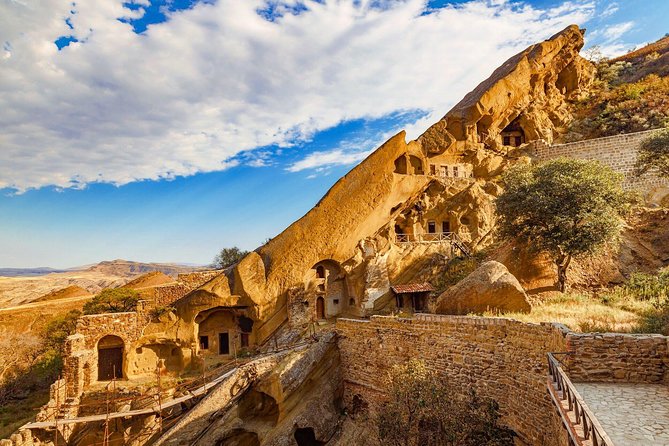
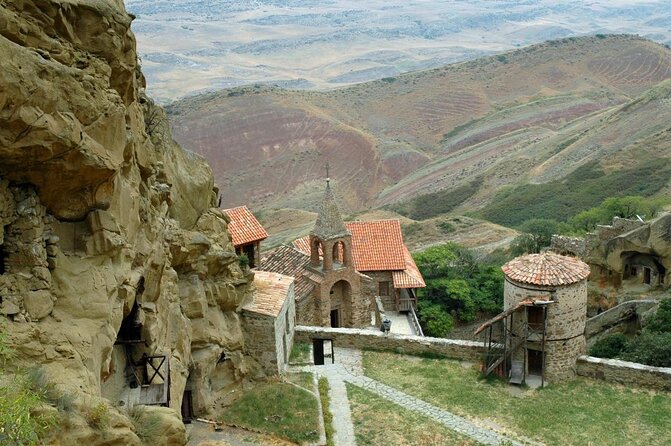
Then comes the headline: David Gareji Monastery complex, carved into a massive rock formation in Georgia’s southeastern semi-desert. This is one of those “the location is part of the design” stops. You’re surrounded by desert hills and wide horizons, and the cave churches and monastic cells give you a layered sense of space.
What I like about this stop is the atmosphere. You’re not only looking at buildings. You’re moving through passageways and cave churches where the rock itself feels like it’s holding the stories in place. Even if you’re not a big religious-history person, the physical experience still lands: steps, rock textures, narrow cave corridors, and dramatic views from nearby points.
Time is tight enough that the day stays energetic, but long enough for you to slow down at key areas. The whole thing works best when you understand what you’re looking at, so if your guide is Alex, Koba, Salomea, or another fluent host, ask a question. Guides on this route tend to be the kind of people who happily answer.
One more note: part of the drive route can include glimpses toward the Azerbaijan border from the car, including views of patrol presence mentioned in firsthand feedback. You don’t come here specifically for border watching, but if you catch it, it’s a striking reminder of how remote this region can feel.
Udabno lunch and the optional winery stop in Patardzeuli
Lunch happens in the village of Udabno. This is a practical break in the day—food matters on a long road trip—plus it adds local flavor beyond the monasteries. The menu leans traditional Georgian, and you may also see dishes with Svaneti influence.
One standout dish described is kubdari, a hearty meat-filled bread from Svaneti. If you’re vegetarian, you’ll want to talk to the restaurant staff when you sit down, because the day plan includes a note that vegetarian options are available in the local restaurants.
Budget reality check: lunch is not included in the tour price. The day plan estimates about 30 GEL per person, typically without beverages. Bring cash or card to avoid stress.
After lunch (or as part of the later rhythm of the day), there can be a small wine tasting at a local winery in Patardzeuli. It’s labeled as optional, but it’s also one of the most praised parts of the experience. If you enjoy wine, don’t rush through it. This is the kind of tasting where you’ll get context about what you’re drinking, not just a quick sip-and-go.
Some guides also add small extras that aren’t on a typical checklist, like sending customer photos afterward or sharing creative souvenirs tied to the region. That’s not guaranteed, but it’s a consistent theme in feedback.
Kapatadze Lake salt patches: the quiet finale that looks unreal in person
The final nature stop is Kapatadze Lake, close to the David Gareji area. It’s a salty lake where the water level can change a lot by season. In summer, it often partially dries up, revealing white salt patches that can look almost snow-like against the desert tones.
This stop is short—about 15 minutes—but it works as a calm wind-down after caves and hiking. You’ll have a chance to step away from the stronger sights and just take in the desert-sky space. If you visit in spring, almond orchards nearby may bloom and add softer pink and white tones to the scene.
Practical photo tip: this is one of those locations where the light direction matters. If you want the best salt texture shots, wait a moment for the angle to shift. Five extra minutes here can beat rushing.
Driving comfort, group size, and timing: what 9–11 hours really means
Expect the tour to run roughly 9 to 11 hours. The schedule is packed, but it doesn’t feel like a nonstop sprint because each stop has a built-in reason to linger—views at Mravaltskaro, cave areas at Natlismtsemeli, time inside David Gareji, then a proper lunch break.
Group size stays small, with a maximum of 12 travelers, which usually helps the guide keep an eye on everyone during uneven terrain and cave visits.
A detail that can affect pacing: on some group days, tours may run Russian and English simultaneously. The guide aims for both languages, but it can mean a slower pace or longer explanations.
If you want extra comfort on the ride, there’s an optional front seat upgrade for 30 USD (subject to availability).
Also important: this is an off-road route, so it’s not recommended for motion sickness. Even if you’re fine with a bumpy backroad at home, this day includes rougher sections where the vehicle moves around more than a paved highway drive.
What to wear and bring so the hike and caves feel easy
I’d treat this as a day hike in the desert plus cave walking. The terrain can be muddy, steep, or slippery depending on conditions. Even if you’re only walking about 4 km total, the ground can feel more demanding than the distance suggests.
Bring:
- Closed-toe sturdy shoes with grip
- Long pants (especially if grasses are sharp where you hike)
- Layers (temperature can swing and sun can be strong)
- A camera
- Cash or card for lunch, coffee, restrooms, and small incidentals
- Head covering if you’re visiting Orthodox churches and want to avoid last-minute searching
Weather note: from May to October, temperatures can run over 30°C (86°F). Heat turns sloppy footing into a harder problem, so plan a steady pace and don’t treat the hike like it’s effortless.
Altitude is the same as Tbilisi (about 350 m / 1150 ft), so you don’t need high-altitude gear or special planning. The challenge is more about terrain and sun than altitude.
Price and value: what you’re really paying for at $51.50
At about $51.50 per person, this tour is priced as a full-day experience with transportation, guiding, bottled water, and a route that takes you off main roads.
Here’s the value math that matters:
- You’re not just visiting David Gareji from a single viewpoint. You get multiple stops: Mravaltskaro, Natlismtsemeli, David Gareji, Udabno lunch, Kapatadze Lake.
- You’re doing real off-road driving in a 4×4, which changes access and makes the journey part of the attraction.
- You’re getting both the scenic desert and the cave monastery context, which makes the day more meaningful than photos alone.
- Lunch costs extra (around 30 GEL without beverages), and the wine tasting is optional, but the day still gives you plenty even without those add-ons.
If you’re traveling as a couple or small group, check for group discounts and make sure you’re reading the exact inclusions for your date. Price can change based on day of week, season, and participant count, with discounts sometimes applied automatically.
One more thing: tours like this often get booked ahead. The data shows an average booking lead time of about 42 days, so if your dates are fixed, don’t wait until the last minute.
Who should book this, and who should skip it
This tour suits you if:
- You like variety in one day: desert views, a short hike, cave monasteries, and a local meal
- You want a small-group experience away from the main tourist routes
- You’re okay with uneven ground and a ride that feels like an adventure, not a smooth city transfer
Skip it if:
- You get motion sickness easily
- You can’t handle steep or slippery patches, or you’re relying on fully level ground
- You want a relaxed day with minimal walking and minimal time in caves (because this itinerary does include both)
It also fits well for first-time visitors who want an authentic taste of Kakheti beyond wine country headlines. If you’re the type who enjoys asking questions, the guide can make the monasteries feel far more understandable and real.
Should you book the David Gareji and Rainbow Mountains off-road day?
Yes, if you want a day that feels like Georgia in motion: color-rock hills, cave churches, and real road time into Kakheti’s desert edge. The combination is the key, and the small-group pace plus the skilled driving is exactly what makes it work.
Book it soon if your dates are fixed, and take the shoe and heat advice seriously. If you do that, you’re set up for a trip that’s part adventure, part history walk, and part “how is this real” desert photography session.
FAQ
FAQ
Where does the tour meet in Tbilisi?
The group tour starts at the taxi parking at Europe Square. There is a short waiting period to help you find the right point. Private tours pick you up at your accommodation in Tbilisi.
How long is the David Gareji and Rainbow Mountains tour?
It runs about 9 to 11 hours.
Is hotel pickup included?
Hotel pickup is only for private tours. For group tours, you meet at Europe Square.
What walking is involved?
You’ll explore on foot for about 4 km (2.5 miles) total, plus some additional walking on scenic paths depending on conditions.
What’s the lunch situation?
Lunch is not included. You’ll pay about 30 GEL per person without beverages, using cash or card.
Is wine tasting included?
The tour includes a small wine tasting as an optional part of the day.
Are there rules for visiting monasteries?
Yes. For Orthodox churches, women need to cover their heads and wear skirts, and men should wear pants.
What should I wear and bring?
Wear closed-toe, sturdy shoes suitable for muddy or steep terrain, and bring layers. Bring cash or card for lunch, coffee, and other incidentals, plus water and a camera.
How many people are in the group?
The group size has a maximum of 12 travelers.
Is the tour okay for people who get motion sickness?
It’s not recommended if you have motion sickness, since it involves off-road driving.