REVIEW · BOLZANO
Dolomites Alta Via Multi Day Hiking Tour (2 to 4 days)
Book on Viator →Operated by Freemotion Italia · Bookable on Viator
One thing you notice fast in the Dolomites is the scale. This multi-day, rifugio-to-rifugio hike lets you move on foot and finish each day with a proper mountain evening, with help from a local guide like Guido.
I love how the days are built around real time on the trail, not constant logistics, so you get long stretches of hiking through Dolomite valleys and ridges. The start is anchored in Bolzano, so you get a clean handoff from city to mountain.
Second, I really like the way the experience treats each hut stop as part of the adventure, not just a bed. You end in a cosy rifugio, eat a traditional dinner, and still have time to enjoy the area before night settles in. Your guide also brings the route to life with practical mountain know-how and on-the-ground details like geology and plants, and even stories that make the effort feel more personal.
One thing to consider is that this is weather-dependent hiking. If conditions are rough or visibility is poor, your day can change, and the operator may offer a different date or a full refund, so you should plan to be flexible if possible.
In This Review
- Key things to know before you go
- Bolzano to the Dolomites: why this start point works
- Price and value: what $541.85 is really buying
- The hut-to-hut rhythm: mornings on the trail, evenings at rifugio
- What “no transport during the hike” changes for you
- The kind of hiking you get: varying Dolomite zones and real trail variety
- The guide factor: how Guido’s style makes the route feel safe
- Rifugio dinners, sunsets, and the comfort level you should expect
- Weather and route changes: a realistic way to plan in the Dolomites
- Who should book this, and who should rethink it
- Should you book this Alta Via multi-day hike?
- FAQ
- Where do we meet, and what time does the tour start?
- How long is this Dolomites Alta Via tour?
- Do you use transport during the hikes?
- Is rifugio accommodation, dinner, and breakfast included?
- What fitness level do I need?
- What happens if the tour gets canceled due to weather?
Key things to know before you go
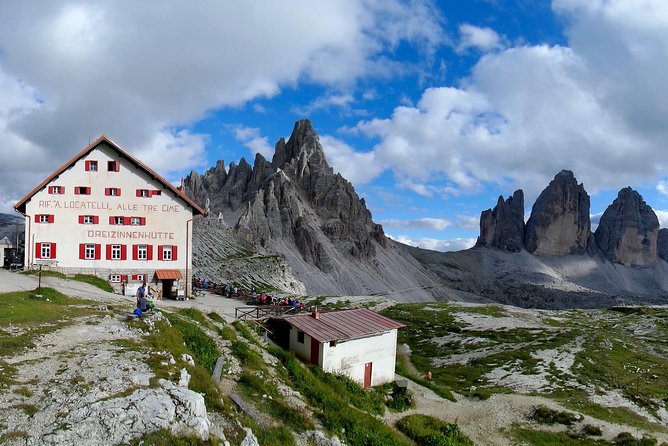
- Rifugio-to-rifugio days: Each day starts in the morning and ends in the afternoon at a hut where you overnight.
- No daytime transport on the trail: During the hike, you use no vehicles, so you walk the stages end to end.
- Hut stays and meals are not included: Your tour price covers guiding and support, while rifugio accommodation and meals are extra.
- Pickup might be available: If needed, you can arrange pickup and drop-off based on your itinerary and location.
- Designed for moderate hikers: You should be comfortable with multi-day walking and uneven mountain terrain.
Bolzano to the Dolomites: why this start point works
Bolzano is a good launch pad for Dolomite walking because it keeps your first morning simple. You meet at Piazza della Stazione, 2, and the start time is 8:30 am. From there, pickup details are handled based on the chosen itinerary, so you are not stuck trying to interpret transit connections while your muscles are still waking up.
This kind of tour also matters because it keeps your energy for the hiking. Instead of bouncing between stations all day, you get a clear meeting point, a guide-led plan, and a straightforward return to the same spot at the end. It is a small detail, but it makes the first day feel calm.
You can also read our reviews of more tours and experiences in Bolzano.
Price and value: what $541.85 is really buying
The price shown is $541.85 per person, and the duration is listed as about 2 days, with private options that can be customized from 2 to 4 days. That pricing can feel like a lot until you break down what is included.
You are paying for:
- A professional local guide who plans your day pacing and keeps you safe on trail sections.
- Support with essentials: hiking sticks if you need them, and a backpack if you need one.
- Optional pickup and drop-off from your accommodation if needed.
- A private format: only your group participates.
What you are not paying for is part of the hut system itself. Rifugio accommodation and typical dinner and breakfast are not included. In other words, the tour price buys the walking experience and local guidance, while the mountain lodging cost is separate.
Is it good value? For me, it is when you want less planning stress and more time enjoying the Dolomites. If you already know how to self-organize hut reservations, route finding, and timing, you might do it cheaper on your own. If you want the hardest part handled—route flow, pace, and keeping you on track—this pricing starts to feel fair.
The hut-to-hut rhythm: mornings on the trail, evenings at rifugio
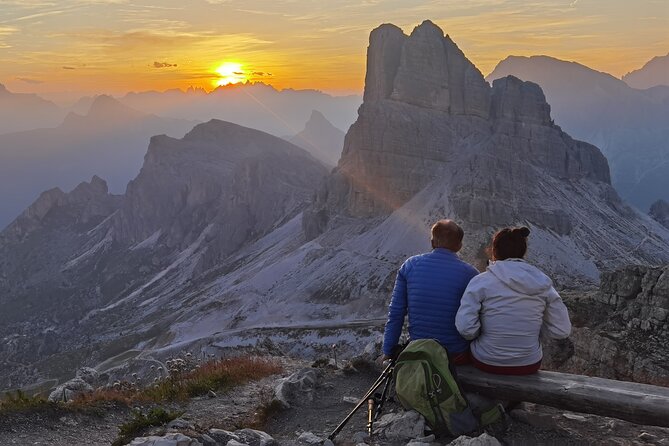
This tour follows a simple daily pattern. Every morning, you start on foot. By afternoon, you arrive at a rifugio for the night. You then get time to settle in, eat, and enjoy the surroundings as the day winds down.
That daily structure is the secret sauce. Dolomite walking can be mentally draining if you are rushing from one decision to the next. Here, you know you will hike in the day, sleep high, and repeat. It turns the trip into a steady rhythm where you can pace yourself, take breaks without feeling behind, and enjoy that slow shift from daylight to evening calm.
You also get more than just the basics at the hut. The mountain food is part of why people love this system. In the experiences I reviewed and heard about, the rifugios delivered strong meals and comfortable rooms, with small differences from one place to another. One hut stop in particular was noted as lacking shower facilities, so you should assume that comfort levels can vary. Pack mentally for “mountain simple,” not “hotel standard.”
What “no transport during the hike” changes for you
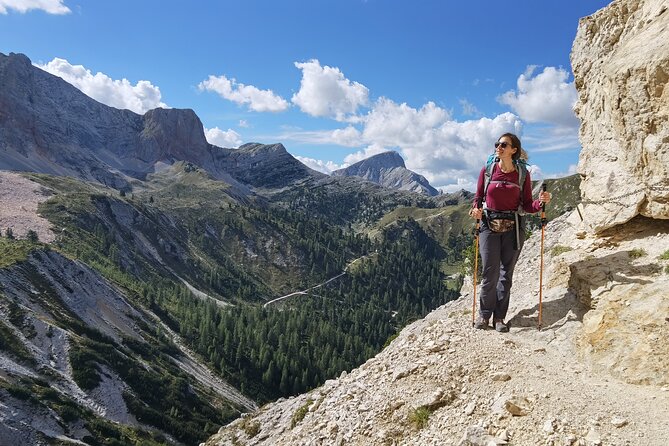
Walking without daytime transport sounds obvious, but it has real benefits. It means your route is designed as stages you complete on foot, rather than “walk for 2 hours then transfer” days that can break your flow.
For you, it usually means:
- More continuous time with the views you walked toward.
- Less time waiting around.
- A clearer sense of progress each day.
It also means you can focus on the terrain itself. The Dolomites are not one kind of walking. Some parts are steady and rewarding; other sections can be rougher, with narrow passages or moments that require balance and attention. This is where having a guide helps a lot. If you are new-ish to mountain hiking, a good guide turns tricky sections into normal sections by showing you what to watch for and offering quick, practical tips.
The kind of hiking you get: varying Dolomite zones and real trail variety
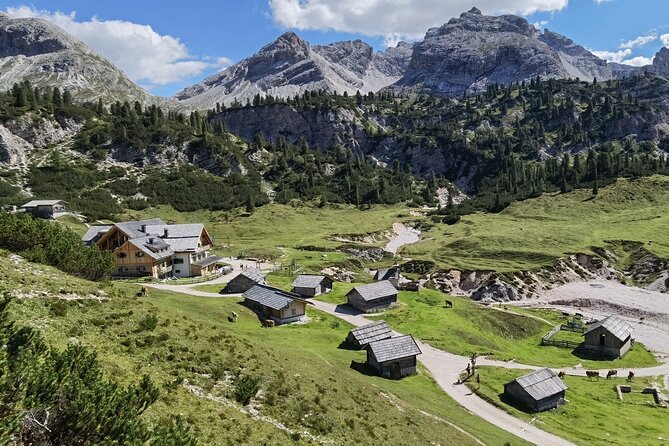
You are not walking one flat “tourist circuit.” The hut system in the Dolomites is built for stage walking, and your route will move through different areas depending on your chosen option and timing.
Based on routes that have been used for similar multi-day Dolomites treks, you might find yourself in places like:
- Around Fodara Refuge, with that classic Dolomite feel of dramatic rock and open air.
- Areas near Rifugio Cinque Torri and Croda da Lago, where views can open quickly and reward steady effort.
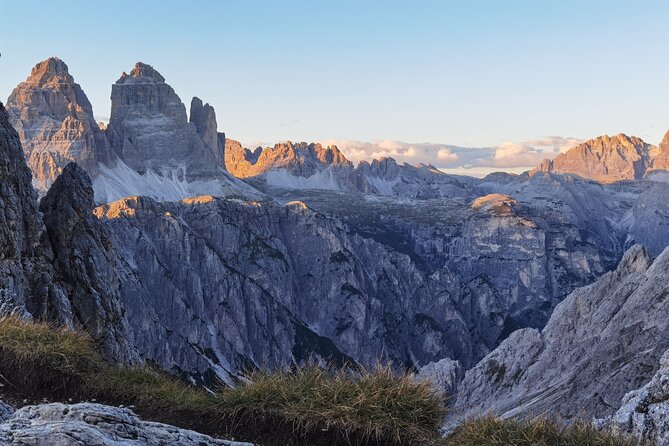
- Routes that start toward the Lake Braies side and head toward the foot of the Three Peaks of Lavaredo, often on quieter paths.
I am not promising your exact trail will match those zones, because the operator customizes the itinerary. But the pattern is consistent: you get variety in scenery and route character, not just one repeat type of ridge.
A key detail to understand: this tour is built for moderate physical fitness, not for couch-to-peak beginners. If you can handle multi-day walking with elevation changes and uneven ground, you will likely be comfortable. If you struggle with stairs, long walks, or changing weather on foot, you will feel it.
The guide factor: how Guido’s style makes the route feel safe
A guide can be the difference between a “tough trip” and a “trip you remember forever.” The guides on these experiences, including Guido, are known for balancing competence with a human pace.
What you should expect:
- Route choices that keep you moving efficiently and on time for rifugio arrivals.
- Adaptation to your pace and your interests.
- Trail guidance that makes rough or narrow parts feel manageable.
One standout theme from guide feedback is how they explain what you are seeing. People mention learning about geological features and even finding fossils along the way. They also talk about regional history and botany. That kind of interpretation matters on multi-day hikes. It gives your legs a reason to keep going because the route becomes more than just distance. You start watching the rock and the plants instead of just watching your feet.
If you are traveling solo, this also helps. You still get your independence, but you have a professional to lean on when conditions change or you want context for what you are passing.
Rifugio dinners, sunsets, and the comfort level you should expect
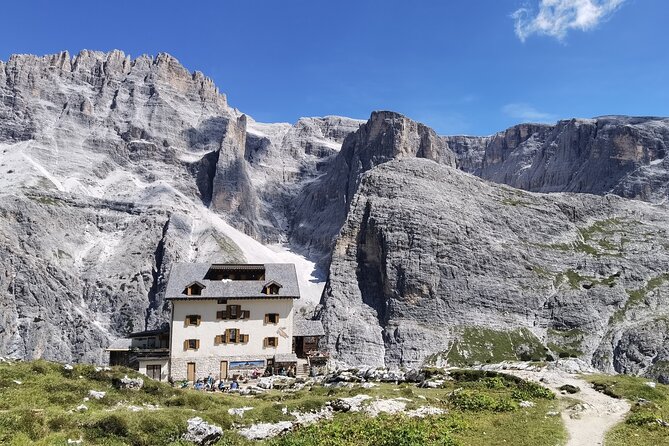
At each rifugio stop, you overnight, enjoy a traditional dinner, and then have time around the hut. The tour is explicitly designed so you can experience the Dolomites from sunrise to sunset across your days, not only from the trail hours.
The rifugio meal part is worth planning for. Your tour price does not include hut accommodation, dinner, or breakfast. Still, the experience is arranged as hut-to-hut, so you are not showing up cold and guessing your options. You should expect that the guide and the operator handle the flow so you reach the right hut at the right time.
Comfort can vary. Some rifugios are described as comfortable with good rooms. Others may have limitations like no shower facilities at a particular stop. This is normal in high-altitude mountain lodging. If you care about hygiene routines, bring towelettes and plan for “good enough” rather than “perfect.”
What I like about this part of the tour is that you are not just hiking and then immediately leaving. You get to live the mountain day—eat, relax, look around, and let the light fade. That is a big part of why hut-to-hut hiking feels different from a day hike stretched into multiple days.
Weather and route changes: a realistic way to plan in the Dolomites
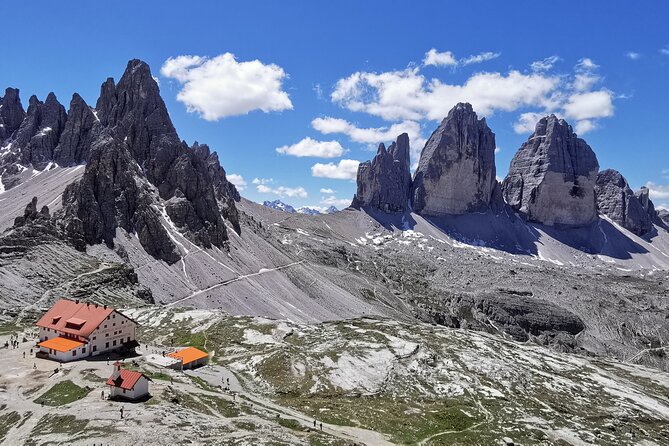
The Dolomites are not predictable, and this tour is candid about it. The experience requires good weather. If it is canceled due to poor weather, you are offered a different date or a full refund.
That matters because it tells you how the operator thinks: they would rather protect the quality of your walking days than push everyone onto a compromised route. On multi-day mountain hikes, weather affects visibility, trail safety, and how enjoyable the day feels.
A small but important angle: the route is stage-based and dependent on reaching rifugios in daylight and appropriate conditions. So yes, weather can change the plan. But you are not left without an option. The goal is to keep the overall hiking experience intact, either by shifting timing or by rerouting when possible.
Who should book this, and who should rethink it
This is a strong match if:
- You have moderate fitness and want a guided multi-day hike.
- You want the hut system experience without juggling route research and hut logistics.
- You like learning from a guide, not only getting from point A to B.
- You travel solo, as the tour welcomes solo travelers, or you go with a couple or a small group.
It might be a poor fit if:
- You want a fully “hotel style” trip. Rifugios can be basic, and shower facilities may be limited at some stops.
- You dislike weather-related uncertainty. You need decent conditions for this to run well.
- You want your own full DIY control. This is a private tour with your group, and the guide runs the experience.
If you are deciding between self-guided hiking and guided hut-to-hut, I would choose guided if you value safety, pacing, and mountain context. I would choose DIY only if you already know the Dolomites hut system well and you are comfortable managing changes fast.
Should you book this Alta Via multi-day hike?
If you want the Dolomites in a way that feels like a real mountain trip, not a daily bus-and-wait routine, this is a smart choice. The price buys you a guide, real stage walking, and support like sticks and a backpack if needed. The rifugio nights and meals cost extra, but that is the trade-off for authentic high-altitude stays.
Book it if you can hike with a moderate fitness level and you are willing to let the Dolomites set the pace. Skip it only if you want total predictability and hotel comfort every night.
If you do book, one practical move helps a lot: pack for variable mountain conditions and treat rifugio lodging as part of the experience, not a downgrade. That mindset is what turns a challenging day of walking into the kind of memory that sticks.
FAQ
Where do we meet, and what time does the tour start?
You meet at Piazza della Stazione, 2, 39100 Bolzano BZ, Italy. The start time is 8:30 am. The activity ends back at the same meeting point.
How long is this Dolomites Alta Via tour?
It is offered as a private tour customized from 2 to 4 days. The summary lists 2 days as approximately the duration.
Do you use transport during the hikes?
No. During the hiking days, you do not use any means of transport. After each day’s hike, you reach your next rifugio on foot, and at the end you can return to your next destination or back to the start using the public or private transportation system.
Is rifugio accommodation, dinner, and breakfast included?
No. Accommodation in the rifugio with dinner and breakfast is not included. The experience focuses on hut-to-hut hiking with overnight stays at rifugios, while those hut meals and lodging are an extra cost.
What fitness level do I need?
The tour is suitable for travelers with moderate physical fitness. It is designed for those who can handle multi-day walking on mountain terrain.
What happens if the tour gets canceled due to weather?
The experience requires good weather. If it is canceled due to poor weather, you will be offered a different date or a full refund.