REVIEW · BELPASSO
Etna: Summit Area Guided Hike from Cable Car Station
Book on GetYourGuide →Operated by Aitne Med Etna Excursions · Bookable on GetYourGuide
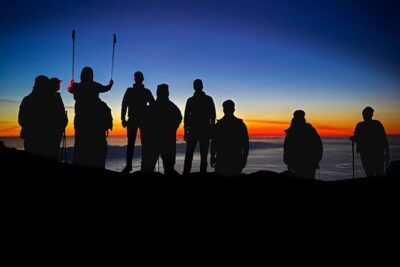
Etna looks unreal from 2,500 meters. I love that this guided hike follows small paths shaped by eruptions and gets you to the best summit-area stops, including the lava tunnel and the 2002 fracture zone.
The one thing to plan for is the extra cable car fee (€52 roundtrip), plus the fact that summit weather can turn quickly—warm layers matter.
In This Review
- Key highlights worth your time
- Entering Etna’s summit world at 2,500 meters
- Meeting at La Terrazza Dell’Etna and getting properly kitted
- Cable car to 2,500 m: the fast track to real hiking
- Lava tunnel time: headlamp energy, helmet required
- 2002 eruptive fractures and hot springs: the “feel it” moment
- Summit views and a lunch break over the Gulf of Catania
- Higher still: walking past 2002 craters and the southeast crater flows
- The volcanic sand descent and the Valle del Bove viewpoint
- Price and value: what $59 covers (and what you must budget)
- Who should book this hike, and who should skip it
- Practical tips to make the most of it
- Should you book the Etna Summit Area Guided Hike?
- FAQ
- Where is the meeting point for the Etna summit hike?
- How long does the tour last?
- What is included in the guided trek?
- Do I need to pay for the cable car?
- Is lunch included?
- What languages are the guides available in?
- What should I bring to the hike?
- Is this tour suitable for kids?
- What kinds of conditions can make the tour change?
Key highlights worth your time
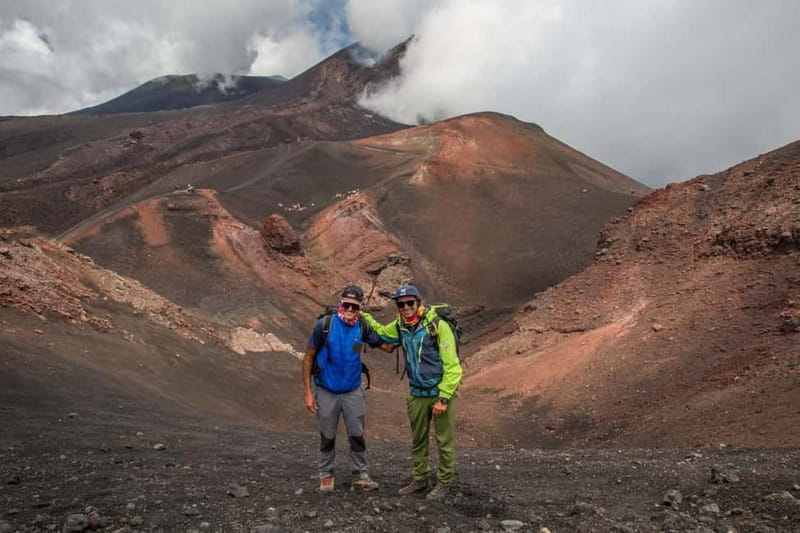
- Cable car rise to 2,500 m so you spend your energy walking, not climbing from the base
- Lava tunnel visit with provided helmet protection for a close look at volcanic rock
- 2002 fractures and craters—a focused route through the places most visitors miss
- Hot springs stop to warm up in natural thermal waters in the summit area
- Big views at ~3,000 m, including the summit craters and the Gulf of Catania
- Packed-lunch break with scenery before you continue toward the next crater area
Entering Etna’s summit world at 2,500 meters
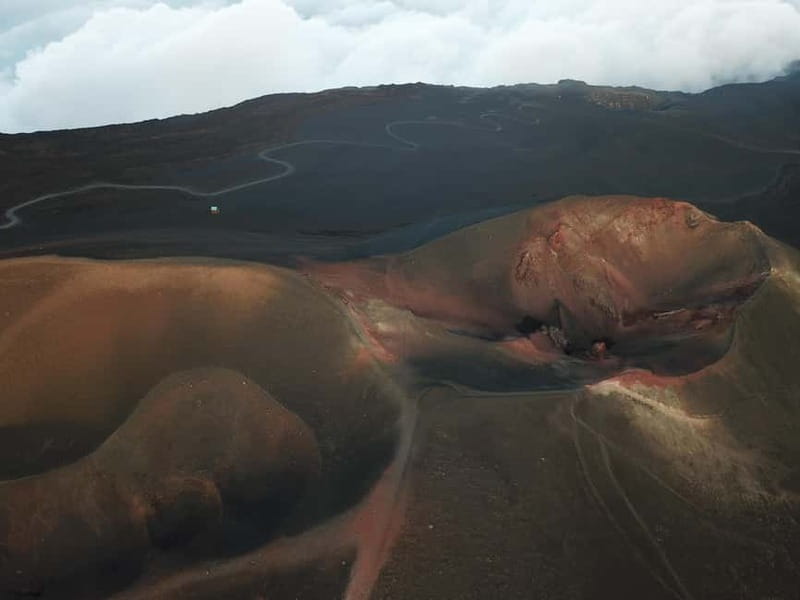
There are volcanoes that look impressive from a distance, and then there’s Etna—up close, it feels like the planet is still switching gears. This summit-area hike starts with a cable car ride up to 2,500 meters, which instantly changes the vibe. The air feels thinner, the ground gets more volcanic under your feet, and the whole place has that raw, work-in-progress energy.
What makes this version of the Etna experience especially satisfying is the route style. You’re not just passing viewpoints. You’re walking along small paths created during the last eruption period and visiting specific sites tied to the 2001 and 2002 events. That structure helps you understand what you’re looking at—lava texture, fracture lines, and crater impressions make more sense when you move through them in a logical sequence.
You can also read our reviews of more tours and experiences in Belpasso.
Meeting at La Terrazza Dell’Etna and getting properly kitted
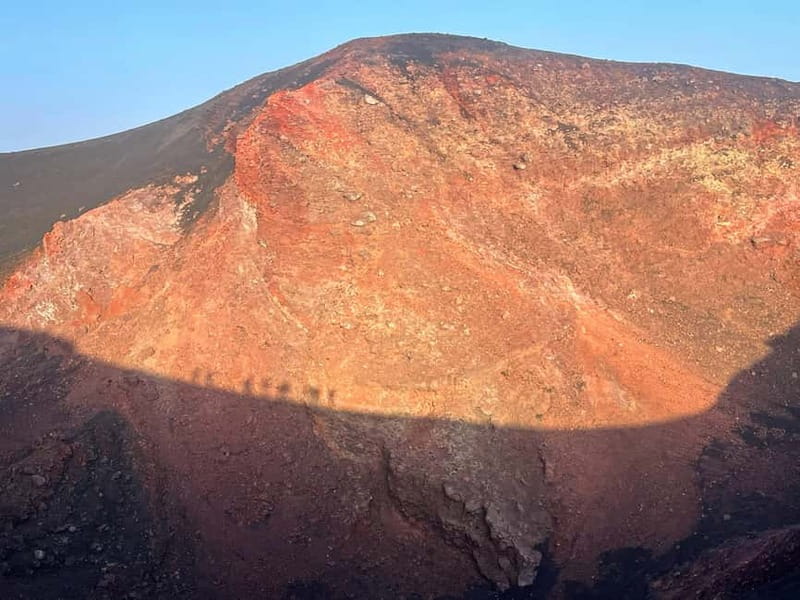
Your tour meets inside La Terrazza Dell’Etna restaurant. That matters because it’s a clean, easy starting point rather than a vague roadside rendezvous.
Before you head out, you’ll get the practical stuff that makes a big difference on Etna’s uneven terrain. The hike includes trekking shoes, a helmet, trekking poles, and a wind jacket. Even if you’ve hiked before, I like when the gear is handled for you—especially the helmet. Lava tunnels aren’t the place to guess about head height or overhead rock.
One review also noted that equipment can include shoes and a warm jacket. So if you’re arriving light or unsure what to pack, this is a helpful safety net. Still, don’t treat that as permission to show up in summer clothes. Summit conditions can be cold and windy.
Cable car to 2,500 m: the fast track to real hiking
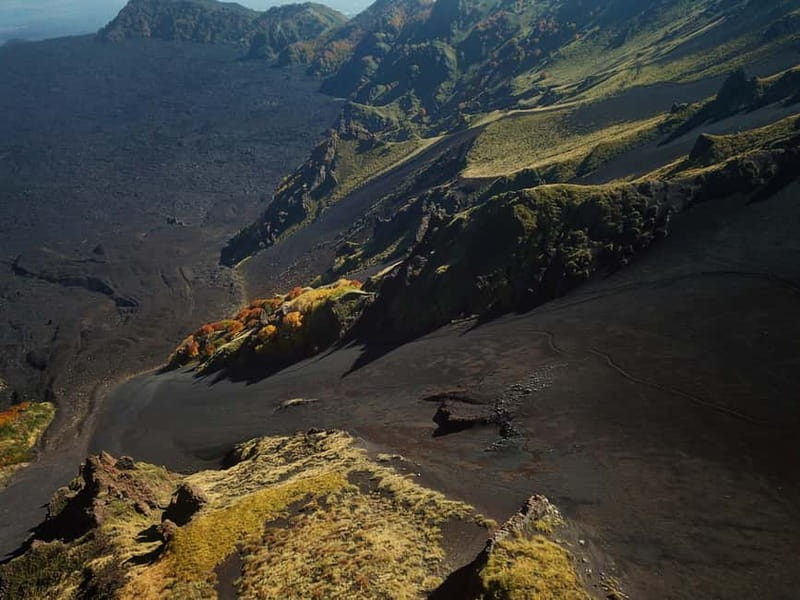
The cable car is not included, and it’s a key part of your planning. You’ll pay about €52 roundtrip. The good news: you’re using the cable car to “buy” time and altitude, not skipping the walking. Once you’re at 2,500 meters, you’re ready for the good part—the volcanic features that the guided route targets.
This is also where I recommend you keep your payment practical. One guide-trip tip you might find useful: bring cash for the cable car purchase when booking through certain platforms (a reviewer specifically advised having cash). That’s not glamorous travel advice, but it saves time if payment systems are unpredictable.
And yes, the tour is designed to skip the ticket line—just remember that only the tour’s part is streamlined. The cable car itself is separate.
Lava tunnel time: headlamp energy, helmet required
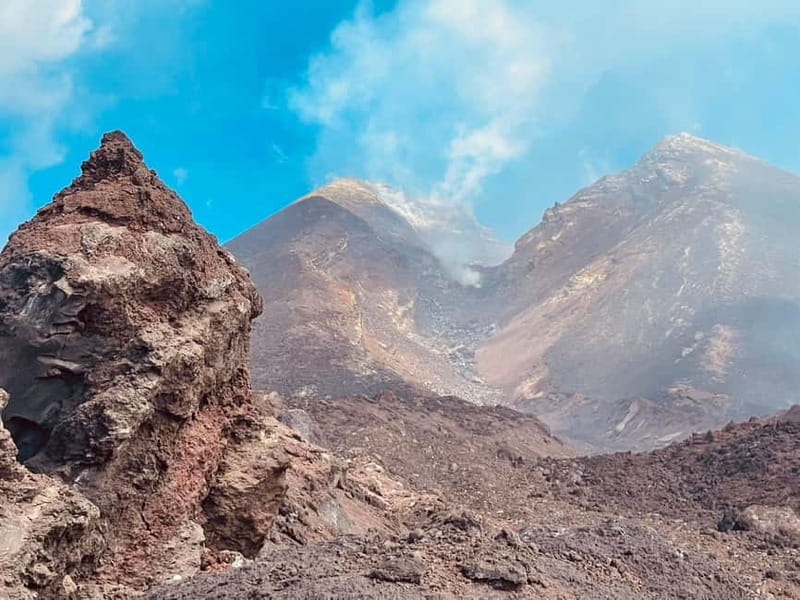
A lava tunnel is one of those Etna stops that feels simple on paper and then becomes memorable once you’re standing at the entrance. The included visit is a chance to see how volcanic material cooled and formed passage-like spaces—darker, cooler, and strangely atmospheric compared with the open summit paths.
This is exactly where the helmet inclusion shows its value. Even if you’re comfortable underground, tunnels can have uneven surfaces and low ceilings. The gear is there so you can focus on the rock formations and the guide’s explanation rather than on safety math.
If you’re curious about how your guide will interpret what you’re seeing: several guides in the experience have been praised for clear explanations and for answering lots of questions. Names that came up included Giovanni, Rafael, Eduardo, and Emiliano/Fabrizio. That’s a good sign that you won’t just walk silently from one rock to the next.
2002 eruptive fractures and hot springs: the “feel it” moment
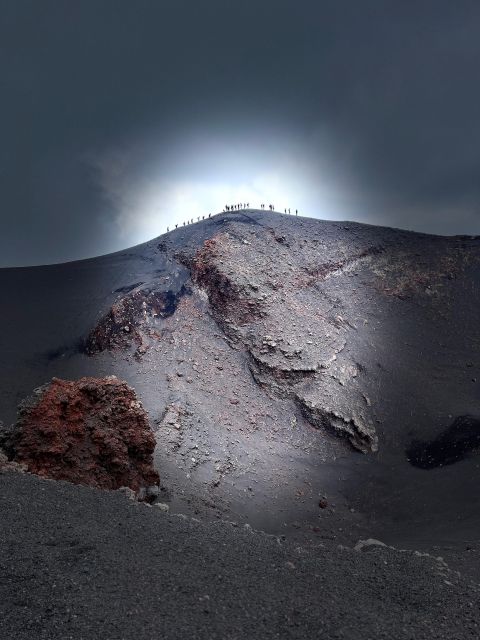
After the tunnel, the route moves you toward the eruptive fractures from the 2002 event. This part of the hike is about structure—cracks, breaks, and telltale signs of activity that shaped the summit terrain. Instead of treating these as random scars in the earth, you’re guided to areas that help you connect the geology to what happened.
Then comes one of the most unusual perks: a chance to warm up in natural hot springs in the summit area. The tour highlights “thermal waters,” and the core point is simple—you’ll get a break from the chill at altitude and feel why people describe thermal spots as part comfort, part survival tool.
This is also one reason the hike works well even for travelers who aren’t hardcore geology nerds. If you can handle a walk across volcanic ground, you’ll get a sensory payoff: textures outside the tunnel, fracture views outside, and heat inside the warm-water stop.
Summit views and a lunch break over the Gulf of Catania
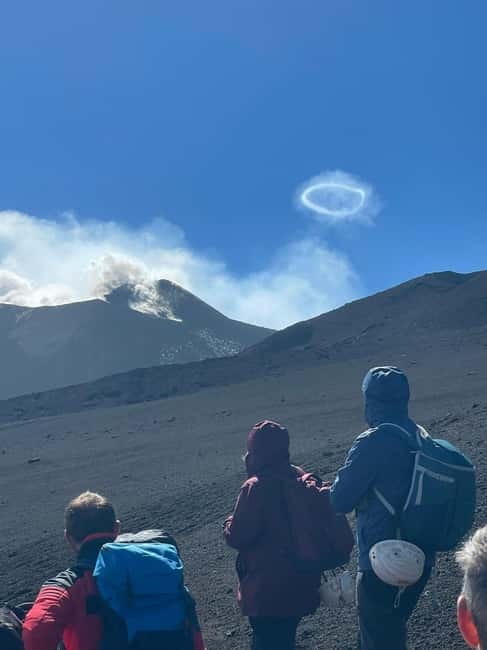
Around the 3000-meter mark, you’ll get a view payoff: summit craters plus the Gulf of Catania stretching out below. Etna is big, but the gulf makes the scale click. You start to understand that you’re not just looking at a mountain—you’re looking at a whole volcanic system sitting above a working coastline and cities.
Between these viewpoints and the next crater stop, you take a short lunch break. Lunch is not included, so bring your packed lunch. I actually like this setup. You’re not waiting for restaurant timings, and you can eat when your guide says it’s a good pause point—while the views are still holding.
Practical note: eat early enough that you don’t feel rushed. At altitude, you can get winded quicker than you expect, and you’ll need energy for the later crater area and descent.
Higher still: walking past 2002 craters and the southeast crater flows
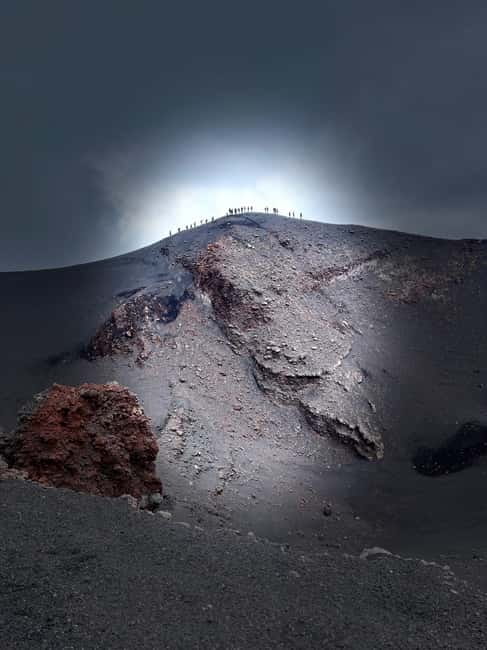
The route after lunch includes the craters of the 2002 eruption. This isn’t just a single overlook; it’s a continuation of the themed story—what changed in 2001 and 2002, how the summit area expresses that change, and what those surfaces look like when you’re close enough to see detail.
You’ll also walk past lava flows from the last paroxysms of the southeast crater. Even if you don’t label every feature, the value is that your guide ties what you’re seeing to volcanic activity patterns. The hike stays focused, and that focus is what helps this feel worth it rather than like a list of places.
The volcanic sand descent and the Valle del Bove viewpoint
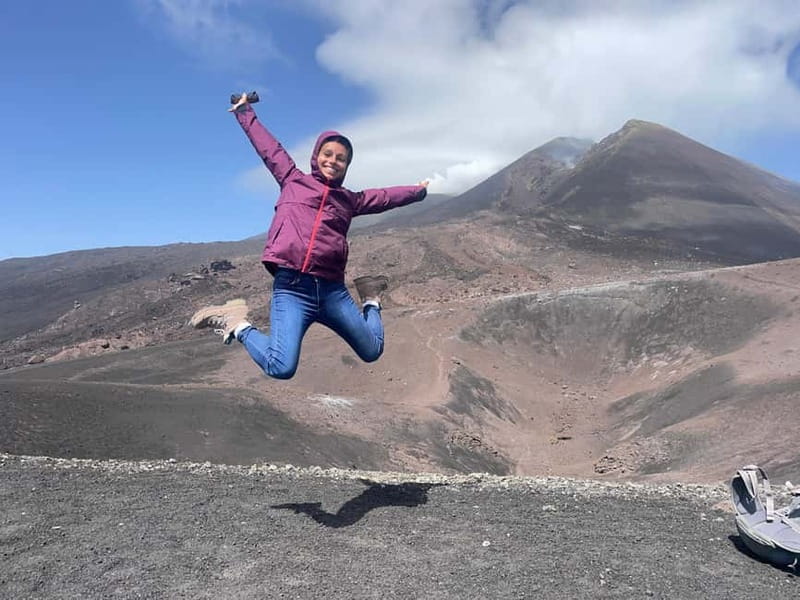
After the crater area, the hike includes a steep but easy descent over volcanic sand. This is where trekking poles earn their keep. Even with good shoes, volcanic sand can shift and test your balance. The included poles help you control the pace and keep your knees happier on the way down.
As you descend, you’ll reach a viewpoint over the Valle del Bove, the huge volcanic depression that gives Etna its dramatic shape. This is one of those “step back and look” points. You’ve been moving through detailed features—tunnel, fractures, crater sites—and now the guide has you reconnect those details to the bigger structure.
Finally, you continue downhill to return to the cable car and head back to the starting area.
Price and value: what $59 covers (and what you must budget)
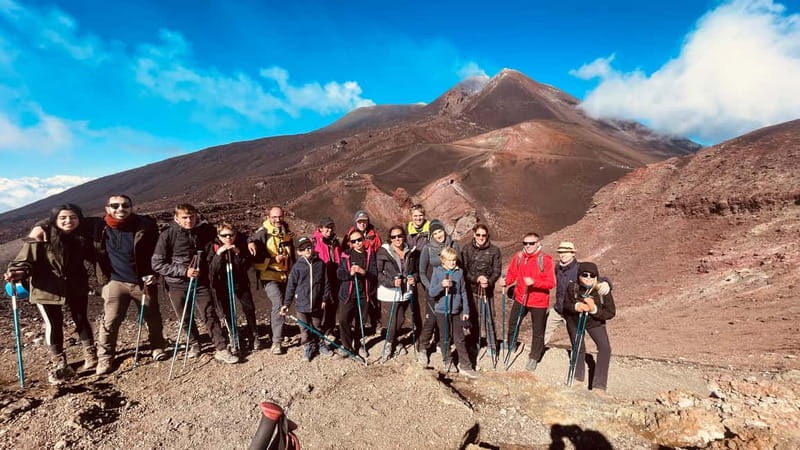
At $59 per person (for a 4-hour guided experience), the price is best understood as “you’re paying for interpretation plus safety gear.” The included items matter: guided trek, visit to a lava tunnel, helmet, trekking poles, wind jacket, and trekking shoes. Those pieces aren’t just nice-to-have. On Etna, they reduce friction, improve comfort, and help you handle uneven ground and tunnel conditions.
The budget catch is the cable car: €52 roundtrip. You’ll want to factor that in early so you’re not doing last-minute math. Depending on currency rates, the total cost can feel meaningfully higher than the $59 headline price.
Still, when you compare what you get—guided route through summit highlights, helmet-tunnel access, and crater views—it often lands in the “good value” category, especially if you’d otherwise have to rent gear or figure out the route yourself. This tour keeps your time efficient and your experience structured.
Who should book this hike, and who should skip it
This hike is a strong match if you want a guided way to see the summit area without guessing which spots matter most. You’ll also like it if you enjoy question-friendly tours—multiple guide names from the experience were praised for knowledge and for answering questions clearly.
It’s not suitable for:
- Children under 6
- Pregnant women
- People with claustrophobia (because of the tunnel element)
- People with respiratory issues
Also, keep in mind the tour program can change due to bad weather or volcanic activity. Etna is alive. Planning that flexibility is part of the deal.
If you love straightforward adventure—walking, a tunnel, crater views, and a thermal warm-up—this fits your style.
Practical tips to make the most of it
These are the details that tend to matter on summit treks:
- Bring warm layers. Even with a wind jacket, you’ll be at altitude. Dress for cool air and wind.
- Pack water and a packed lunch. Lunch is your responsibility, but the route gives you the break to eat it with a view.
- Wear comfortable shoes that can handle volcanic ground. The tour provides shoes, but comfort starts with your fit and socks.
- Use trekking poles if you’re given them. Volcanic sand and steep sections go easier with support.
- Expect your schedule to be flexible. Weather and volcanic conditions can shift plans.
And for a tiny bit of stress reduction: if you’re paying for the cable car separately, having the right payment approach ready (cash was specifically recommended by one reviewer) can prevent awkward waits.
Should you book the Etna Summit Area Guided Hike?
If your goal is to see Etna’s summit highlights—lava tunnel, 2002 fractures and craters, hot springs, and crater-and-gulf views—in about 4 hours with the right gear and a guide who can explain what you’re looking at, then yes, this is a smart booking.
I’d especially lean toward booking if you don’t want to do the planning work on your own. The route is structured, the gear is included, and the summit time is used for the stops that make Etna feel alive rather than just large.
Skip it if you can’t manage a tunnel, if high-altitude hiking is a problem for you, or if you know volcanic weather variability would ruin your day.
FAQ
Where is the meeting point for the Etna summit hike?
You meet your guide inside La Terrazza Dell’Etna restaurant.
How long does the tour last?
The experience lasts about 4 hours.
What is included in the guided trek?
It includes a guided trek, a visit to a lava tunnel, views of the summit craters and the Gulf of Catania, a visit to the craters of the 2002 eruption, and trekking equipment such as shoes, a helmet, trekking poles, and a wind jacket.
Do I need to pay for the cable car?
Yes. The cable car fee is not included, and it’s listed as €52 roundtrip.
Is lunch included?
No. Lunch is not included, but you will have a lunch break during the hike, so bring a packed lunch.
What languages are the guides available in?
The live tour guide is available in English, French, and Italian.
What should I bring to the hike?
Bring comfortable shoes, warm clothing, water, and a packed lunch. Trekking gear is also recommended.
Is this tour suitable for kids?
No. It is not suitable for children under 6 years.
What kinds of conditions can make the tour change?
The program can change due to bad weather or volcanic activity.