REVIEW · CHIVAY
From Arequipa Trek : 2-Days of Hiking in the Colca Canyon
Book on GetYourGuide →Operated by AREQUIPA EXPLORER Y ACTIVIDADES TURISTICAS · Bookable on GetYourGuide
This hike is short on days, big on effort. What makes it special is the mix of Colca Canyon depth views and real time on foot down into the canyon and back out.
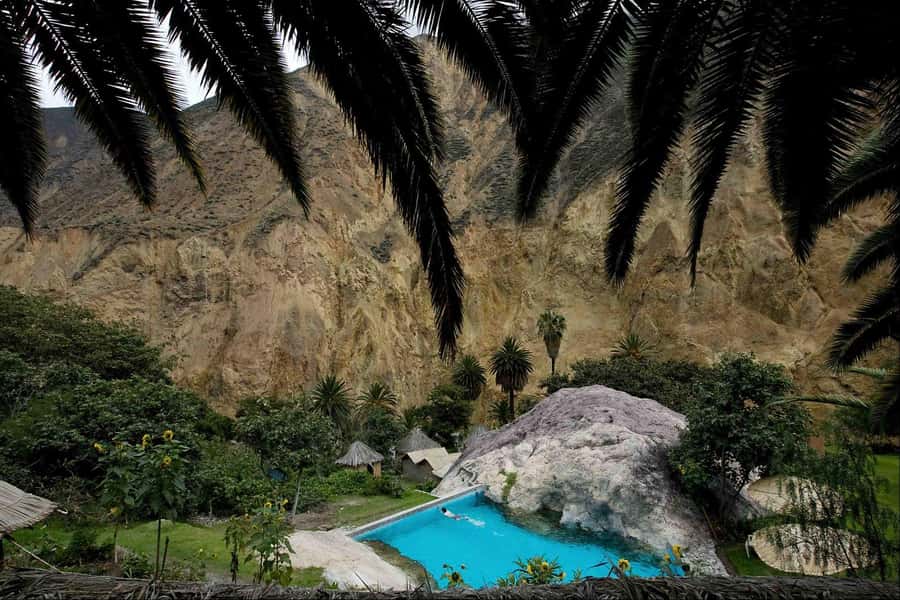
I love how the route uses classic Colca angles: the Cruz del Cóndor viewpoint for condors, then long walking hours that actually show you how the canyon works. I also like the Sangalle overnight at the Oasis, with pools time that feels earned after the descent.
One catch: this is not a casual stroll. The path is steep and uneven, some sections can feel exposed, and the altitude plus heat can turn a “2-day trek” into a serious workout.
In This Review
- Key Things I’d Bank On
- First: What This Colca Canyon Trek Really Feels Like
- Colca Canyon Depth From Cruz del Cóndor at 3,600m
- Day 1: The Long Descent Into the Canyon, Then Sangalle
- San Miguel Descent: 3 Hours of Canyon Education
- San Juan de Chuccho: Lunch With a Local Family
- The Last Stretch: 3 Hours to Sangalle Oasis (~1,900m)
- Day 1 Overnight in Sangalle: Great Reward, Basic Comfort
- Day 2: The Sunrise Climb Back Up and the Taste of Recovery
- The Biggest Effort: 3 to 4 Hours Up
- Reaching Cabanaconde (~3,300m) for Breakfast
- Antahuilque Viewpoints, Terraces, and Thermal Baths
- Chivay Hot Springs and the Return Toward Arequipa
- Price and Value: How the Money Actually Adds Up
- Who This Trek Suits Best (and Who Should Skip It)
- What to Bring: The Packing List That Actually Helps
- Guide and Group Size: Expect Structure, but Stay Proactive
- Should You Book This Colca Canyon Hike?
Key Things I’d Bank On
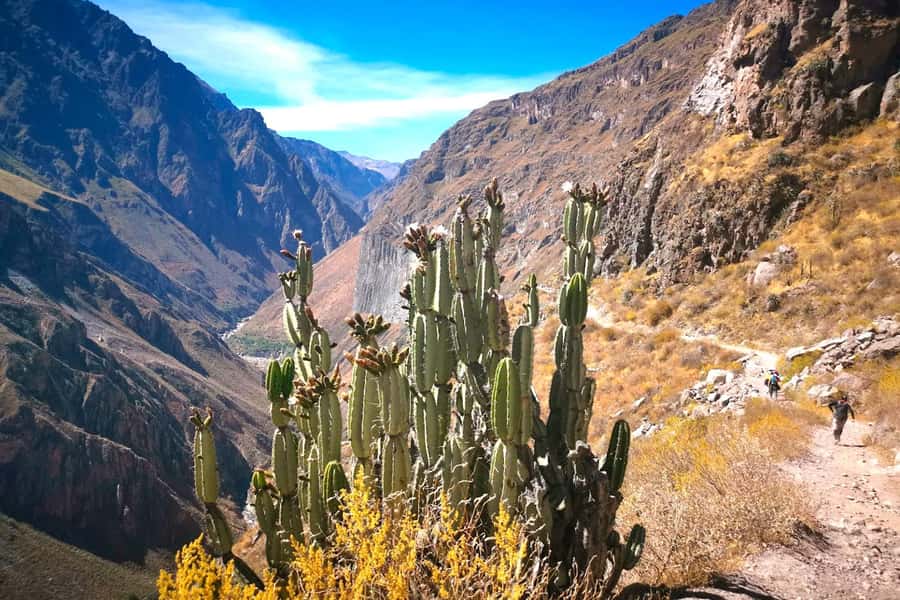
- Cruz del Cóndor timing that gives you a real condor-view chance at about 3,600m
- Sangalle Oasis pools to cool off after a long Day 1 descent
- Altitude changes all day (over 3,000m down to ~1,900m, then back up)
- Local-family lunch in San Juan de Chuccho, with the kind of pause you need mid-trek
- Very early start (03:00 pickup) and early-morning walking on Day 2 for sunrise views
- Bring-for-the-walk basics: good shoes, water, and snacks for the long climb
First: What This Colca Canyon Trek Really Feels Like
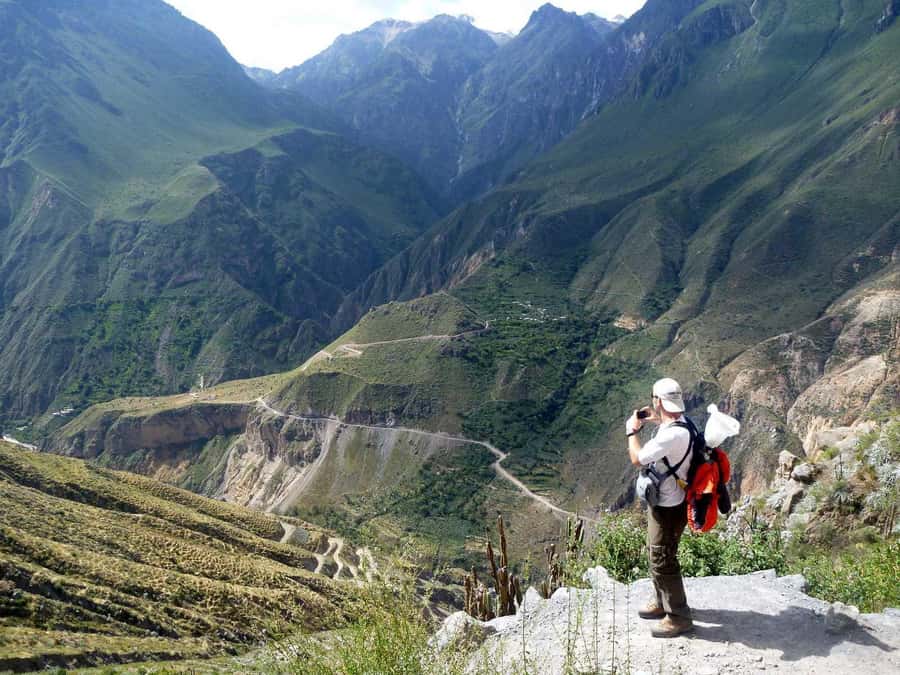
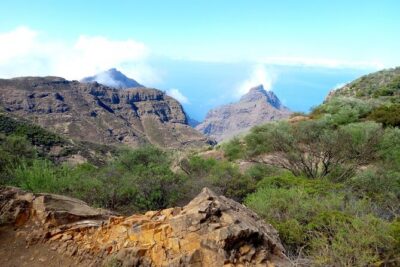
The Colca Canyon is famous for scale, but on this trek you experience it in motion. You start high near San Miguel, drop into the canyon, sleep in Sangalle, then climb back up before the day is fully underway. That change in elevation is the whole point, and it’s what makes the views feel earned rather than just photographed.
You’ll also get a clear Colca “route logic.” The tour doesn’t only stop at viewpoints. It strings together a viewpoint (Cruz del Cóndor), an actual canyon walk (Day 1 and Day 2), and then hot-spring recovery time around Chivay and thermal baths. It’s the kind of pacing that helps you keep your energy for the big parts.
Colca Canyon Depth From Cruz del Cóndor at 3,600m
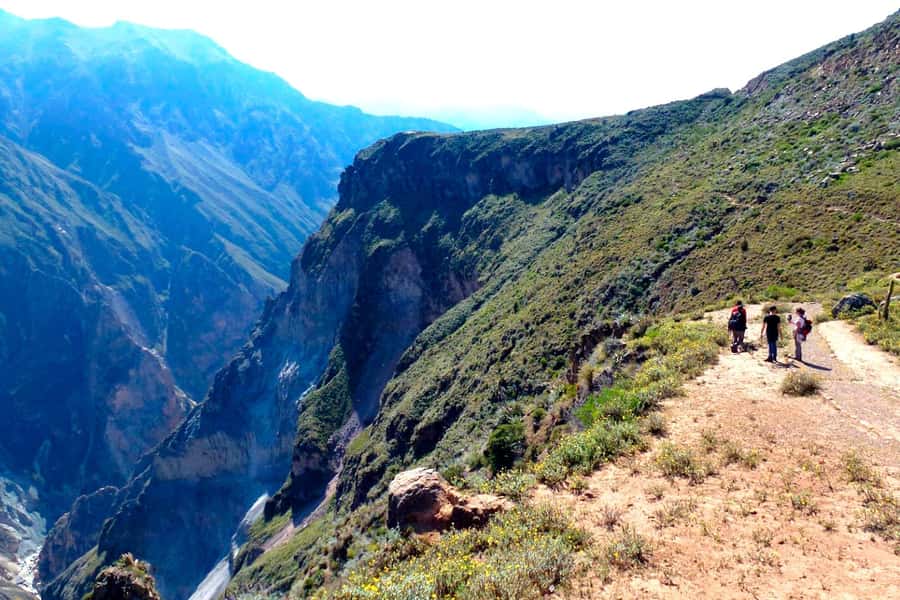
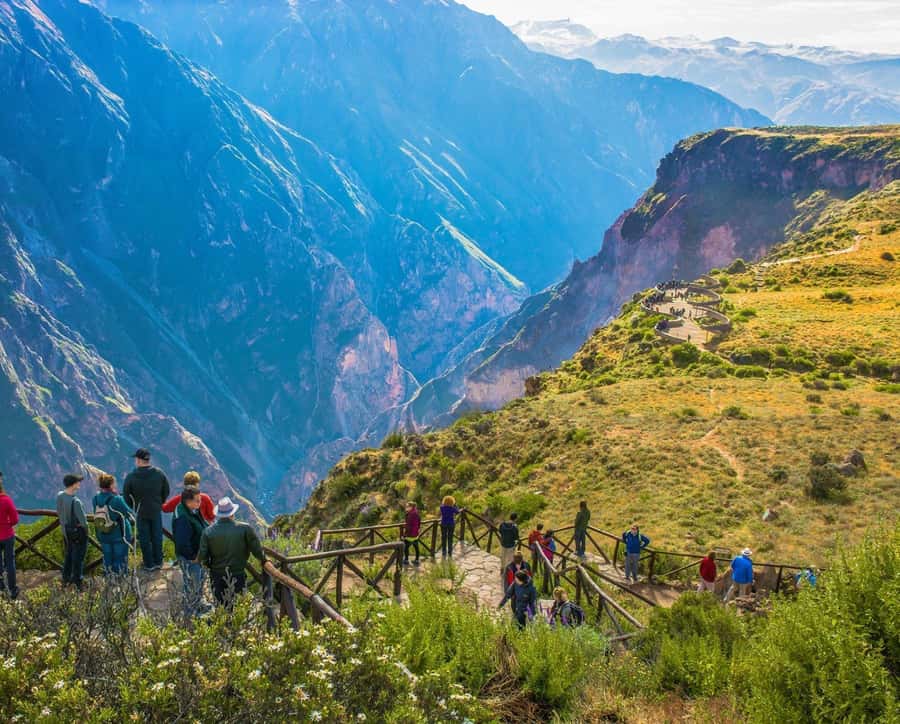
Cruz del Cóndor is the grand entrance to the canyon story. You’ll visit after breakfast in Chivay, around 3,600m, with about 40 to 50 minutes on site for viewing and photos.
Here’s the practical tip: at this altitude, even standing still takes a bit of effort. Keep moving, don’t rush your breathing, and give yourself time to settle before you stare into the wind. If condors circle, they usually do so with slow confidence—meaning you should plan for a patient kind of watching, not a quick drive-by.
This stop also sets expectations for the trek. After you’ve seen the canyon from above, you understand what you’re going toward on Day 1: steep walls, switchback valleys, and terraces that look small from the road but huge once you’re among them.
Day 1: The Long Descent Into the Canyon, Then Sangalle
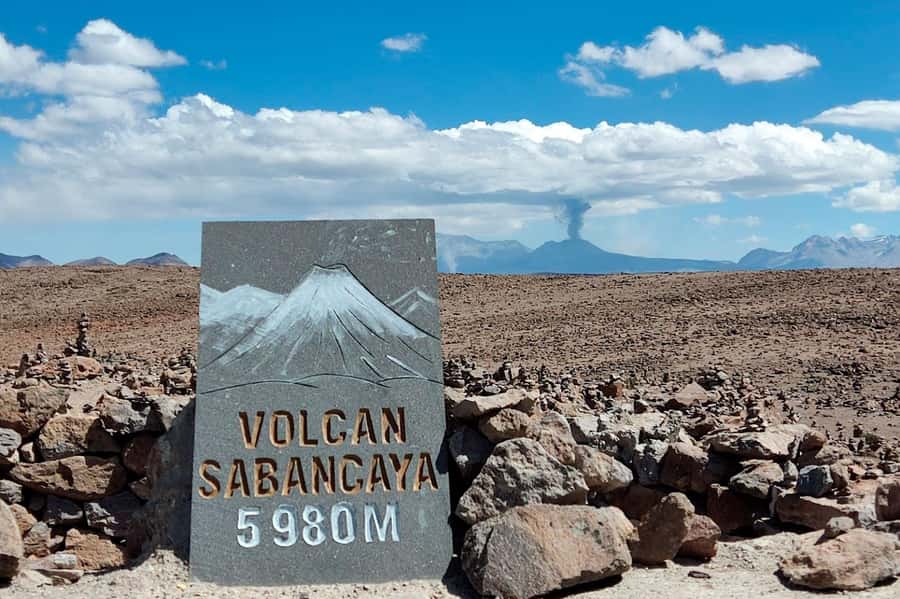
Day 1 runs from an early pickup in Arequipa (around 03:00), then van time toward Chivay. You’ll have breakfast, then a short visit to Cruz del Cóndor, and then continue by vehicle to San Miguel around 3,200m. From there, you start descending—this is where the real walking begins.
San Miguel Descent: 3 Hours of Canyon Education
The descent is scheduled for about 3 hours, with views of the canyon depth plus flora and fauna along the way. This is the kind of trek section where your legs do most of the thinking. Downhills can feel easier than they are, but they chew up your knees if you rush.
Pay attention to footing. The tour notes steep and uneven paths, and the reviews you’ll read about this trek often point out how some sections can feel exposed. A steady pace beats speed here.
San Juan de Chuccho: Lunch With a Local Family
After about 3 hours of descent, you cross a bridge and reach San Juan de Chuccho at roughly 2,230m. Lunch is with a local family, with about 50 minutes scheduled.
This is a useful break in two ways. First, you refuel before the next hike. Second, you get a rhythm reset: stop, eat, and let your body cool down from the initial push.
The Last Stretch: 3 Hours to Sangalle Oasis (~1,900m)
After lunch and rest, you walk about 3 more hours to Sangalle Oasis at around 1,900m. Expect a slower pace as you near camp area, because you’re building fatigue on top of altitude.
Once you arrive, the tour gives you time to enjoy nature and pools in Sangalle, plus dinner and an overnight stay. This is the “recovery chapter” of Day 1. Even if you’re tired, try to actually enjoy the pools instead of just collapsing. It helps with that post-descent stiffness.
Day 1 Overnight in Sangalle: Great Reward, Basic Comfort
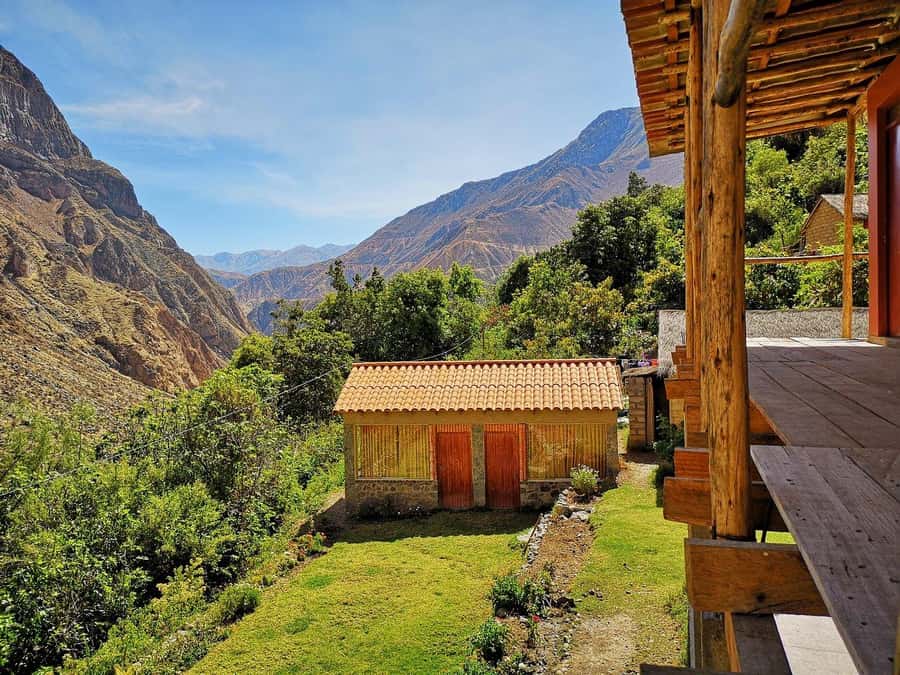
Sangalle is the kind of place that feels like a reward—pools, quiet surroundings, and the sense that the canyon is finally around you rather than under you. But comfort level is not hotel-level.
The tour includes an overnight stay, and the schedule gives you a dinner period and about 10 hours to sleep. What you should expect is simple lodging. Build your plans around that reality, not around showers and outlets.
If you hate “rough it” nights, I’d still consider the trek only if you’re okay treating sleep as fuel, not luxury.
Day 2: The Sunrise Climb Back Up and the Taste of Recovery
Day 2 starts very early. You’ll hike up toward the highest part of the canyon for about 3 to 4 hours, with sunrise views as the day lightens.
The Biggest Effort: 3 to 4 Hours Up
The climb is the tough part, and it’s where your planning matters most. You’ll likely feel the altitude again, even though you’re starting lower the night before. The tour’s notes on acclimatization make sense here.
Also, heat can play tricks. Even when sunrise is cool, the mid-morning climb can get warm once the sun fully hits the trail. Bring water, and don’t rely only on meals for energy.
One more practical point: breakfast is after reaching Cabanaconde later in the morning. If you’re the kind of person who needs fuel during long ascents, bring snacks you can eat while walking.
Reaching Cabanaconde (~3,300m) for Breakfast
You’ll continue a bit further to Cabanaconde around 3,300m, then take breakfast. This is a good moment to reset your body temperature and your breath before the transport portions.
From here, the day shifts from “legs” to “views and recovery stops.”
Antahuilque Viewpoints, Terraces, and Thermal Baths
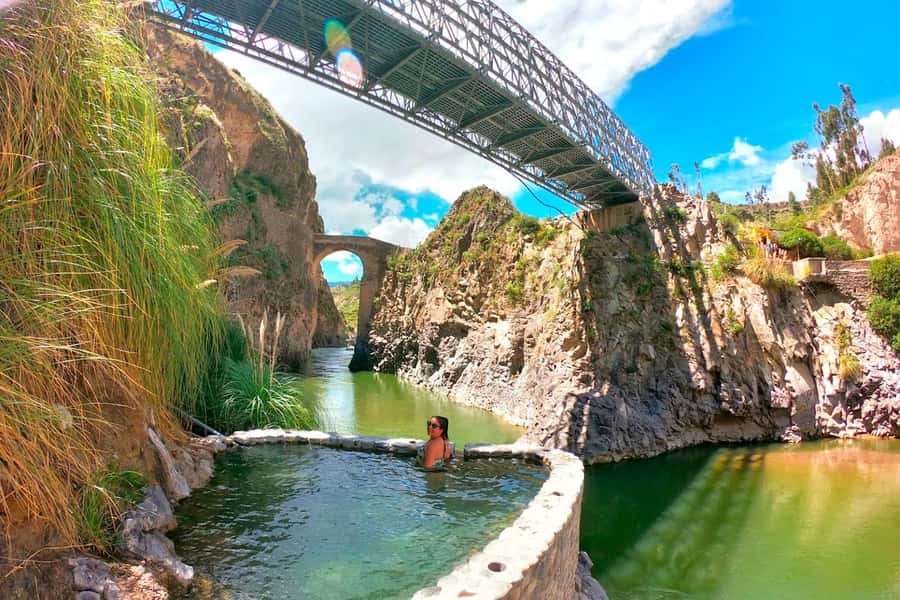
After breakfast you’ll take transport, stopping by Antahuilque viewpoints. This is where you’ll be able to see cultivation terraces—an important reminder that the canyon isn’t only dramatic; it’s lived-in.
Then you’ll visit thermal baths. The tour notes an optional hot spring entrance fee (about $5 / 15 soles), so treat hot springs access as an add-on you may need to pay for depending on what’s included on your day.
This part of the itinerary is smart. It gives you a chance to soak while your body is still asking for it, and it breaks up the last travel blocks before Chivay and Arequipa.
Chivay Hot Springs and the Return Toward Arequipa
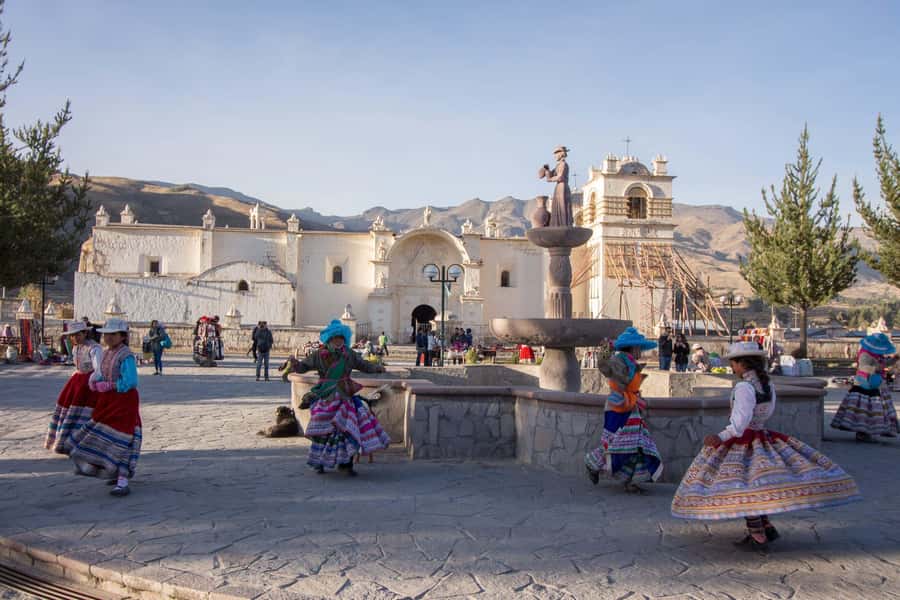
The itinerary builds in additional hot springs time and relaxation around Chivay. After lunch in Chivay (about 1 hour), you’ll begin the return trip toward Arequipa.
You also stop at a viewpoint around 4,190m for photo time and a guided visit, plus another stop at a traditional village with a short break. These stops won’t replace the main hike, but they help fill the day with Colca context while you’re no longer carrying a heavy “walk mindset.”
Finally, the tour ends around 17:30 in central Arequipa (Av La Marina).
Price and Value: How the Money Actually Adds Up
The headline price can look low—around $21 per person—but you should budget for the extra on-the-ground payment. You’ll need to pay $90 (or 320 soles) in cash at the start of the tour to cover food, lodging, and an entrance ticket. There’s also an optional hot spring entrance fee (about $5 / 15 soles).
So the realistic total is closer to $111 plus any add-ons, assuming you cover the hot spring entrance. That still can be good value for two reasons:
- You’re getting round-trip transport from Arequipa plus a bilingual guide (English and Spanish).
- You’re also getting the canyon walk experience plus an overnight in Sangalle and organized stops for terraces and soaking.
Where value can wobble is communication and expectations. Some people want a clearer early briefing about how hard the trek is and what to bring. If that’s important to you, plan to ask your guide directly during the first orientation moment: confirm difficulty level, what terrain to expect, and where the biggest pressure points are (steep downhills, the Day 2 climb, and any exposed segments).
Who This Trek Suits Best (and Who Should Skip It)
This tour is a strong match if you:
- Can handle steep, uneven trails for multiple hours
- Want a real canyon experience, not just a viewpoint day
- Like early starts and sunrise walking
- Can manage altitude changes with acclimatization and steady pacing
It’s not a good fit for people with back problems, mobility impairments, vertigo, or low fitness. Also consider skipping if you know you struggle with long hikes in heat.
If you’re a confident hiker but nervous about the Day 2 climb, you might find there’s sometimes an option to take a mule back up on the second day. Don’t assume it’s guaranteed—ask early once you’re on the ground.
What to Bring: The Packing List That Actually Helps
The basic kit is simple and very important for this trek:
- Comfortable trekking shoes (proper grip matters on uneven sections)
- Hat
- Camera
- Snacks
- Sunscreen
- Water
Then I’d add two practical items based on how people cope with long days:
- A head light (useful if mornings start before you’re fully awake)
- Toilet paper (helpful for “just in case” moments)
Also, wear layers. The altitude can make mornings feel cooler, while the climb can turn warm fast.
Guide and Group Size: Expect Structure, but Stay Proactive
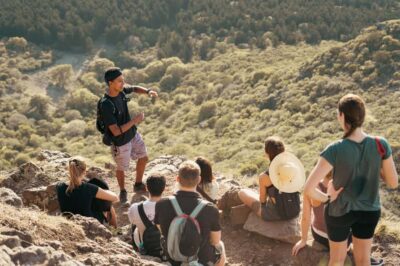
This is a small group capped at 18 people, guided in English and Spanish. That size can be a good balance: big enough to feel safe, small enough that you can actually hear instructions and move with a shared pace.
That said, communication quality can vary. If you want clarity, be proactive. Ask for:
- How hard you should expect the Day 2 climb to feel
- Where the most demanding sections are
- What your guide recommends for pacing and breaks
You’ll enjoy the trek more if you walk in knowing what to expect from the steep parts and the long uphill finish.
Should You Book This Colca Canyon Hike?
Book it if you want the full Colca experience: condors at Cruz del Cóndor, a real descent into the canyon, an overnight at Sangalle Oasis, and recovery time with hot springs near Chivay. This one is for people who like effort because the views after effort actually land.
Don’t book it if you’re hoping for a gentle walk, easy trails, or cushy lodging. The terrain is steep and uneven, and the altitude plus heat can make this tougher than it sounds on paper.
If you’re even slightly uncertain, send yourself the “decision test”:
- Can you hike for 3 to 4 hours with a climb?
- Can you manage a long downhill without knee pain?
- Are you okay sleeping somewhere simple after a full day outside?
If the answers are yes, this trek is a solid value way to see one of Peru’s most impressive canyon systems up close.