REVIEW · INDONESIA
Mount Rinjani: 2-day 1-night Guided Summit Trek with Meals
Book on GetYourGuide →Operated by Star rinjani · Bookable on GetYourGuide
Rinjani hurts a little, then pays you back. This package is strongest on small-group logistics (limited to 4) and English-speaking guidance that keeps you moving through a tough climb. The main catch is simple: the final ascent is hard, and not everyone makes the summit, so you need solid fitness and a steady head.
I like that the trek is built around real support, not just a meeting point. You get local porters, an overnight on the mountain with tents and mattresses, and meals scheduled around the effort level. One more thing to think about: the pickup is included, but you’ll still want to plan your drop-off after the trek since it’s not part of this package.
At $126 per person, this feels like good value because so much is bundled in. Just double-check what you bring yourself, especially the headlamp/flashlight and trekking pole, since those are not included.
In This Review
- Key things I’d bookmark before you book
- What You’re Really Buying for $126 on Mount Rinjani
- Getting to the Start: Senaru Pickup and a Small-Group Pace
- Day 1: The Work Begins and You’re Fed While You Climb
- Overnight on the Mountain: Camping Comfort You Can Count On
- Day 2 Summit Push: Why the Final Ascent Demands Mental Fitness
- Meals, Snacks, and Water: More Than Fuel, It’s Timing
- Guides, Porters, and the Human Side of Staying Safe
- What to Bring (and What Star Rinjani Covers)
- What Star Rinjani includes
- What you must bring
- Safety, Fitness, and Month-by-Month Reality on Rinjani
- Price vs Value: Where the Money Goes and How to Get the Most Out of It
- Practical Tips That Make the Summit Day Less Miserable
- Should You Book This 2-Day Rinjani Summit Trek with Star Rinjani?
- FAQ
- Is this trek a 2-day, 1-night Mount Rinjani summit experience?
- Where do you get picked up?
- How big is the group?
- Is there a guide, and do they speak English?
- Do you get porter support?
- Are meals included?
- What trekking gear is provided?
- What gear is not included that I should bring?
- Is trekking insurance included?
- Are there months when Rinjani trekking is closed?
- Who is this trek not suitable for?
Key things I’d bookmark before you book
- Small group (max 4) means less waiting and a pace that feels more personal
- English-speaking guide + local porter team keeps you on track and helps with comfort on the climb
- Meals, extra snacks, and water are included so you’re not scrambling for food mid-trek
- Overnight gear is provided (tents, toilet tents, mattresses, and cooking gear)
- Bring your own headlamp and trekking pole since they’re not included
- January to March (rainy season) closures mean you need different dates to go
What You’re Really Buying for $126 on Mount Rinjani
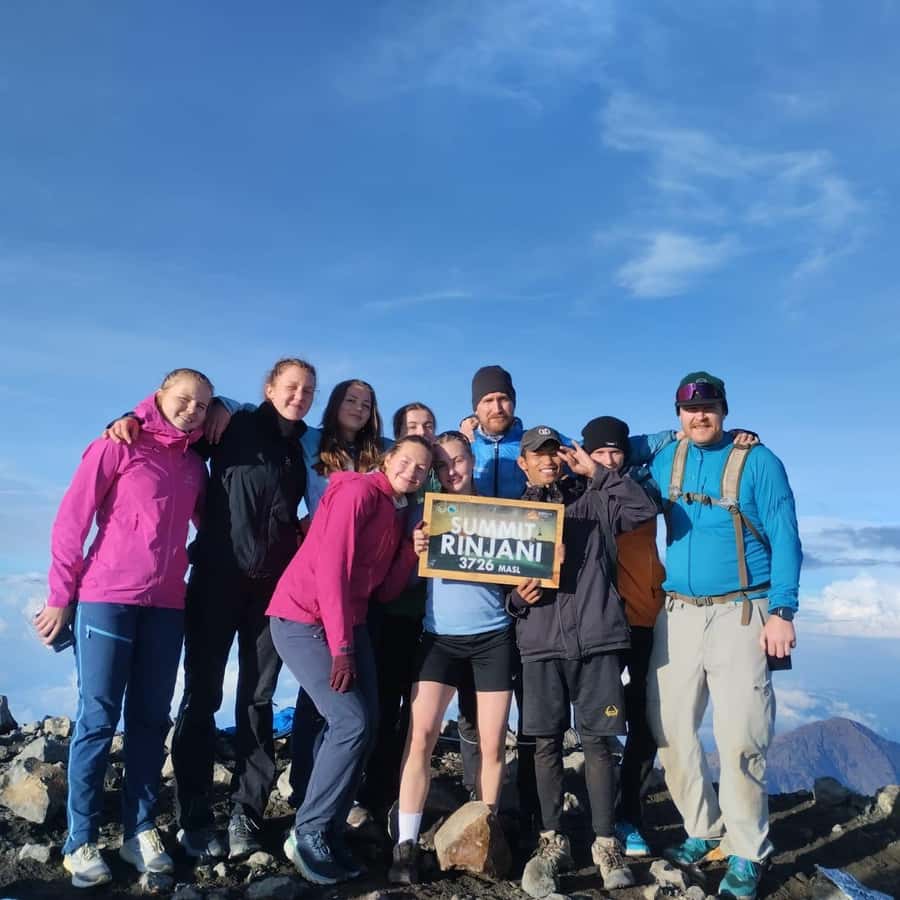
This is a guided 2-day, 1-night Mount Rinjani summit trek that rolls multiple costs into one price. You’re not just paying for a guide. You’re also covering insurance, porters, camp setup, most trekking gear needs, and full meal support during the hike.
That bundled feel matters on Rinjani. A summit trek is where small extras become big stress. When meals, water, cooking gear, and camp basics are handled, you can focus on the real job: walking uphill while the air gets thinner and the light changes fast.
The price is also attractive for how much is included, but it’s not “all-inclusive” in the clothing and gear sense. You still need to show up prepared with the right basics, especially for early mornings and dark trail sections (more on that below).
Getting to the Start: Senaru Pickup and a Small-Group Pace
Your pickup is included from selected hotels, and there’s also transportation pick up from Senaru included. That takes away the most annoying part of planning: getting from where you’re staying to the trail access area without coordinating rides yourself.
The group size is limited to 4 participants, which is a big deal on a summit trek. When you’re in a large group, you end up doing the same work twice—first walking, then waiting. With a smaller group, the guide can better manage pacing and breaks, which is important because Rinjani isn’t a steady “easy hike.” It’s effort management.
There’s also some practical comfort here. You’ll be traveling in a pickup truck for part of the transfer, and that can be rough on the back. If you’re sensitive to long bumps, pack patience and wear supportive footwear from the start.
Day 1: The Work Begins and You’re Fed While You Climb
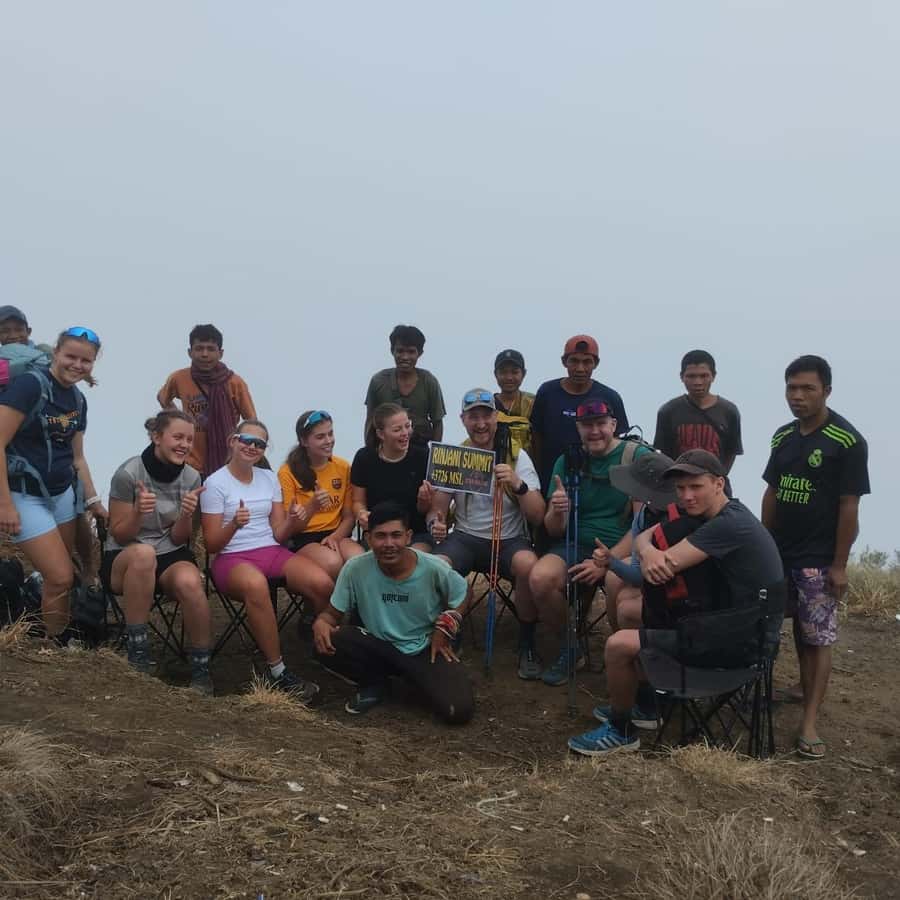
Day 1 is where you start building the rhythm for a real mountain. The guided trek is designed around reaching the summit on Day 2, so Day 1 is about forward progress, stamina, and settling into the pace with your guide and porters.
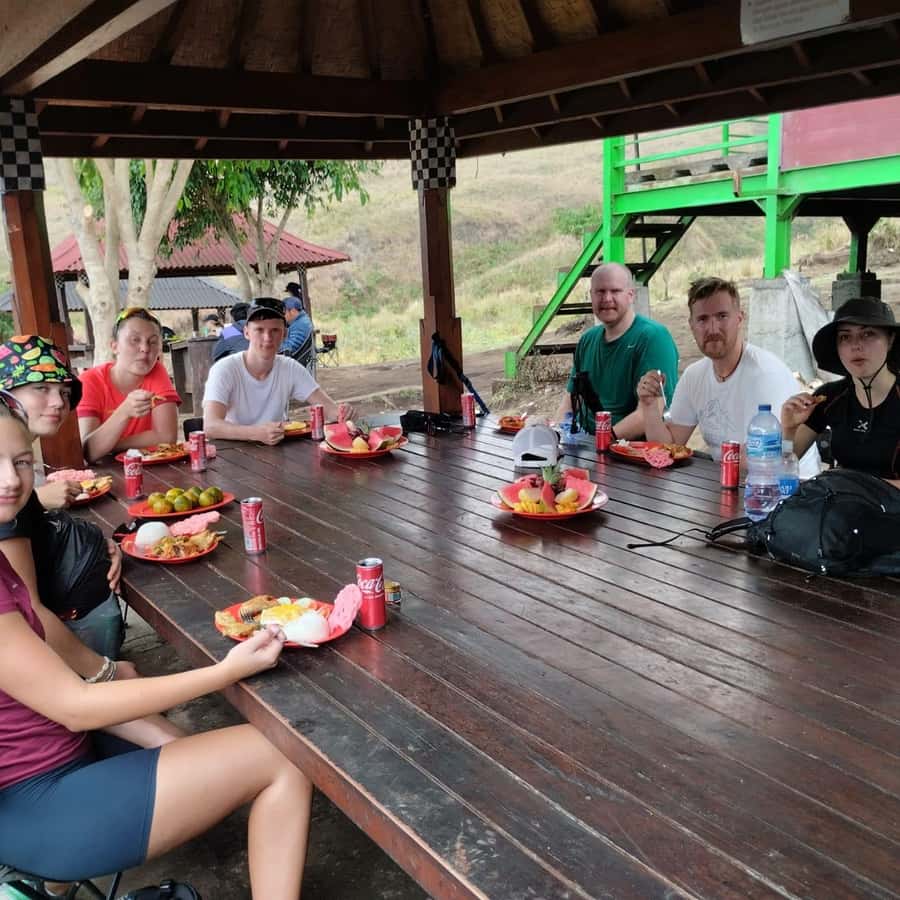
Meals start during the trek, and they’re scheduled for the climb. You get breakfast, lunch, and dinner, plus extra snacks and water along the way. That may sound like standard package talk, but on a summit trek it matters. Proper fueling reduces the chance you stall when the gradient rises and the air feels thinner.
Porters play a big role early. They’re there to help carry parts of the gear, while the camp setup continues in the background. You’ll feel the difference between trekking with weight and trekking with energy. If you’ve ever tried to do a mountain camp with everything on your back, you’ll understand why this is such a relief.
Overnight on the Mountain: Camping Comfort You Can Count On
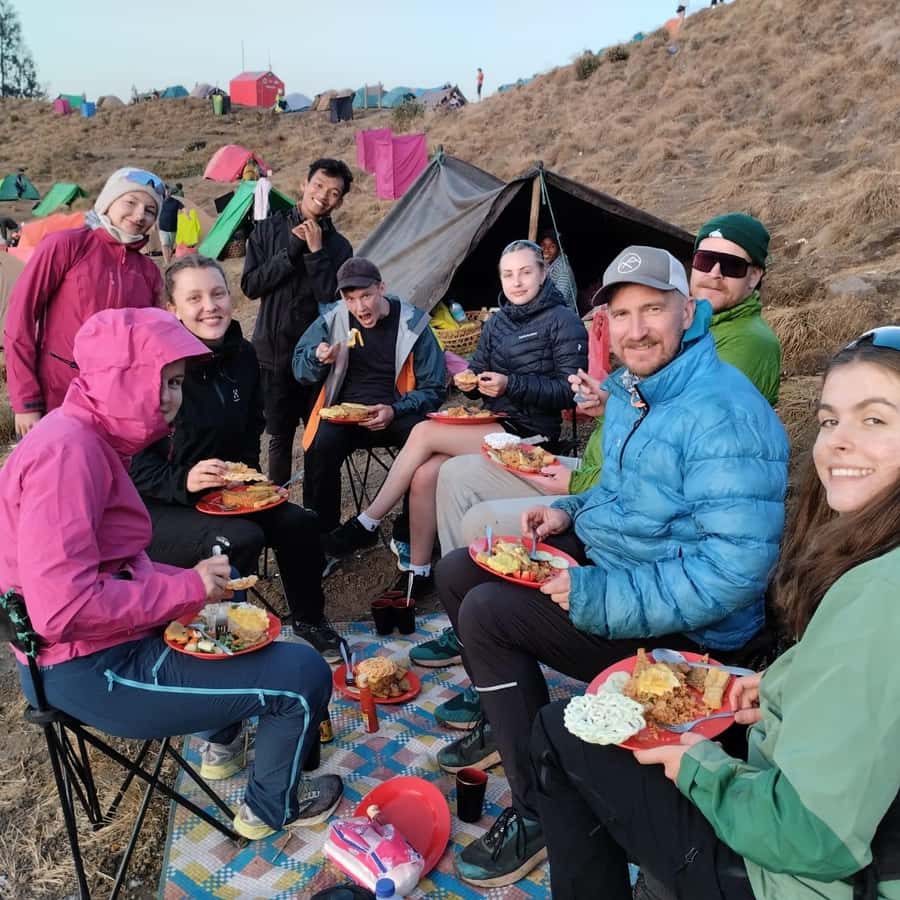
You’ll spend the night on the mountain. The package includes overnight essentials like tents, toilet tents, and mattresses, plus cooking gear for meal prep.
That’s the difference between a “survive the night” trek and one where you can recover enough to climb again. Rinjani nights can be cold and windy, so it’s smart that the fundamentals are handled for you rather than leaving camp logistics to luck.
There’s also a small reality check. Even well-run trekking teams can run into gear problems. On one trek, a tent closure issue cropped up and didn’t get fully fixed, despite the guide’s attempt. It wasn’t a deal-breaker for everyone, but it’s a reminder: mountains are messy, and weather or equipment quirks can happen.
If you hate uncertainty, bring your own calm. The guide crew does the heavy lifting, but your mindset still matters. You’ll sleep better if you treat this as camp recovery, not a hotel night.
Day 2 Summit Push: Why the Final Ascent Demands Mental Fitness
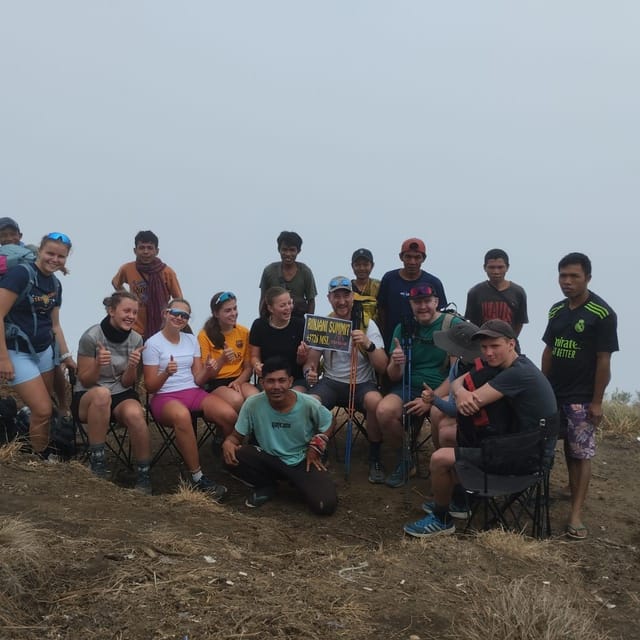
Day 2 is the summit day, and the vibe changes fast. The final climb is where the trek becomes truly challenging. Even strong hikers can struggle, and not everyone reaches the top—so you should go in with realistic expectations and a steady pace plan.
I’d call this your “show me your discipline” day. When steep sections hit, you can’t rely on motivation alone. You need controlled breathing, short stops, and the willingness to move when your legs feel done.
This is where good guides make a difference. You’ll meet English-speaking leadership, and the team behind it is local. You may hear guide names like Apok, Ijan, Salma, or Arif during different trips. That matters because these people aren’t just talking—they’re managing pace, safety, and morale as you work upward.
Also: the trek includes a flashlight/headlamp requirement for you personally (it’s not included). If you’re starting early or walking in low light, a headlamp is one of those items that keeps you from tripping and keeps your hands free.
Meals, Snacks, and Water: More Than Fuel, It’s Timing
Food on Rinjani isn’t just about calories. It’s about timing. You need something in your stomach before the hardest segments and you need snacks between meals so you don’t crash.
This trek includes meals (breakfast, lunch, and dinner) and also extra snacks and water during the trek. That helps you avoid the common problem of under-eating early and then feeling wrecked later.
The trekking cooking gear is included too, so the process of heating, serving, and keeping things workable is part of the package. You can arrive knowing you won’t be stuck living off random snacks from a convenience shop mid-climb.
If you’re picky about food, you should still be okay for a summit trek. The bigger issue usually isn’t taste. It’s whether you can eat enough while moving uphill. Plan to eat even when you don’t feel like it. Your future legs will thank you.
Guides, Porters, and the Human Side of Staying Safe
A summit trek is a lot more than a view. Safety depends on decisions made when visibility drops, the weather shifts, or someone’s energy dips.
This package includes a local English-speaking guide and a local porter team. That combination matters. The guide manages route and timing. The porters manage carry and camp support. Together they reduce the load on you so you can focus on ascent and staying steady.
One thing I appreciate is the team attitude. People describe staff as friendly and helpful, and they emphasize support that feels attentive rather than rushed. That shows up in little ways too: guides helping with questions before you leave, and the crew keeping water and snack supply ready during tougher stretches.
There’s also a strong owner presence in some interactions, with helpful communication and a kind approach noted from Sa. That kind of behind-the-scenes support often means fewer surprises for you.
What to Bring (and What Star Rinjani Covers)
The package includes trekking camping gear and camp setup basics. Your job is to show up with personal items that keep you safe and comfortable.
What Star Rinjani includes
You can expect items like:
- Tents, toilet tents, and mattresses
- Cooking gear
- Local porter support
- Meals during the trek (and extra snacks and water)
- Trekking insurance
- Equipment coverage described as tents, toilet tents, mattresses, and mountain or requested gear
What you must bring
Bring:
- Comfortable shoes
- Change of clothes
- A camera
- Cash
- Clothes that can get dirty
- Daypack
- Flashlight
- Charged smartphone
Not included items you should plan for:
- Trekking poles
- Head light/flash light
- Jacket and clothing
If you’re traveling light, this is where your prep really counts. Cold nights plus early starts are a bad match for inadequate layers. If you don’t have the right jacket, your hike can feel harder than it needs to be.
Safety, Fitness, and Month-by-Month Reality on Rinjani
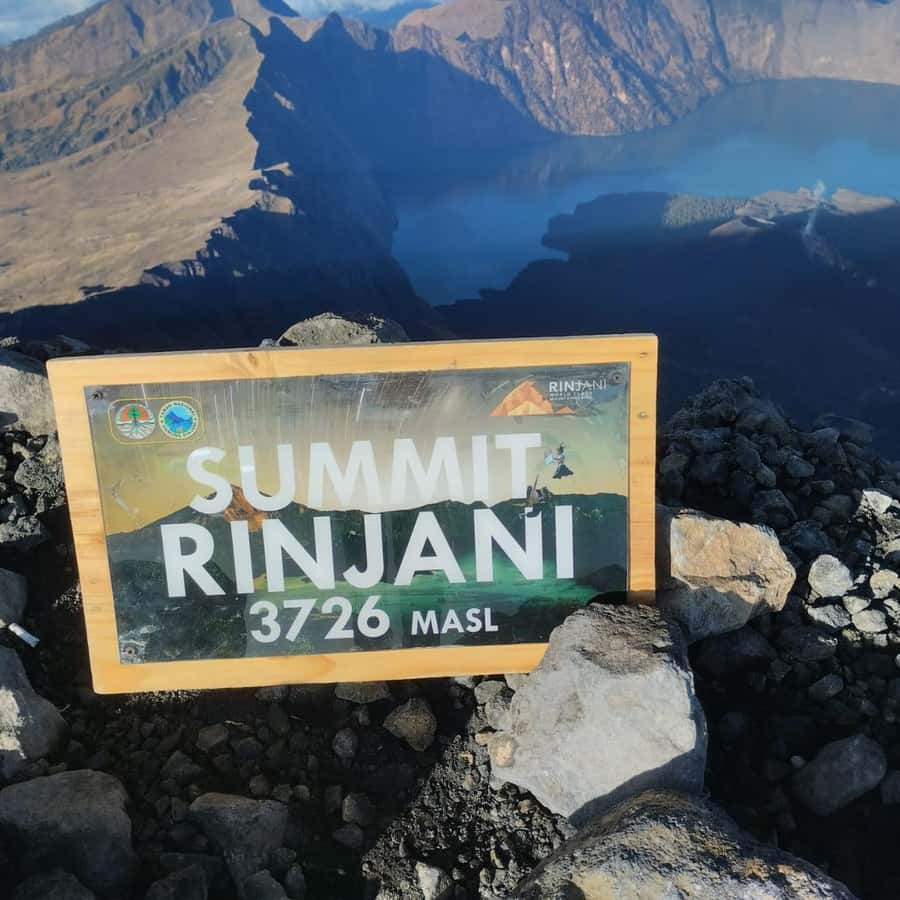
Rinjani is a volcano trek, and it demands respect. This package is not suitable for pregnant women, people with altitude sickness, or people with low fitness. If you’ve struggled with breathlessness on hikes before, take that seriously and consider a different level of trek.
Trekking insurance is included, which is a comfort factor. But insurance doesn’t remove the need for good judgment. You still need to move at a pace you can sustain and communicate if you feel off.
Weather and timing are also key. Rinjani trek access is closed in January, February, and March because of the rainy season. So if your travel dates fall in that window, you’ll need alternate months.
Price vs Value: Where the Money Goes and How to Get the Most Out of It
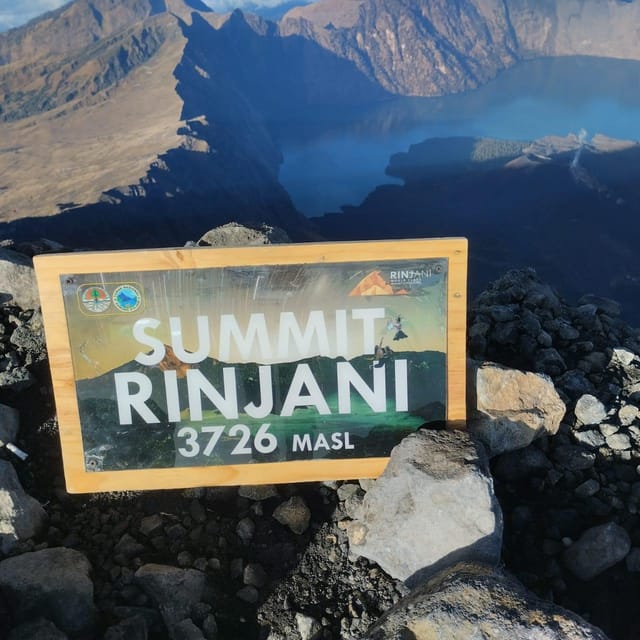
At $126 per person, this trek is priced for affordability while still including the big-ticket trek costs. You’re getting:
- Pickup from selected hotels (plus Senaru transport pickup)
- Guide and porter support
- Meals, snacks, and water during the trek
- Overnight gear and camp setup items
- Trekking insurance and cooking gear
What’s not included changes your real out-of-pocket cost. You may need to rent or bring:
- Trekking poles
- A headlamp/flashlight
- A jacket and suitable clothing
- Drop-off after the trek
So the smartest way to judge value is this: decide whether you already own the gear you need. If you do, $126 is a strong deal for a summit trek with meals and camp support. If you don’t, budget extra for the missing essentials so you’re not forced into rushed rentals at the last minute.
Practical Tips That Make the Summit Day Less Miserable
A few small choices can make a big difference on summit day:
- Pack a daypack that’s easy to access without stopping every two minutes.
- Bring clothes that can get dirty. You’ll be on rocky ground, and you don’t want to baby your outfit.
- Carry cash. You don’t want to be stuck needing change when you might need a small purchase.
- Use a flashlight you trust. A smartphone screen is not a substitute for a real light when you need it fast.
Also, keep your expectations clean. This is not a stroll to a viewpoint. It’s a guided climb that can be physically punishing, and that’s part of why it’s memorable.
Should You Book This 2-Day Rinjani Summit Trek with Star Rinjani?
Book it if you want a guided summit trek with meals, an overnight camp setup, and English support, and you’re fit enough to handle steep climbing for long stretches. The small group size also suits people who dislike waiting around and want a more controlled pace.
Skip it if any of these apply: you’re pregnant, you deal with altitude sickness, your fitness level is low, or you’re not ready for the final ascent challenge. Also avoid trying in the rainy-season closure months of January to March.
If you’re in the sweet spot—healthy, motivated, and prepared with the right gear—this trek’s structure makes it feel like good value. You’re paying for the mountain experience, but also for the practical stuff that keeps you from turning the trip into a logistics puzzle.
FAQ
Is this trek a 2-day, 1-night Mount Rinjani summit experience?
The activity is described as a 2-day 1-night guided summit trek, and the duration field also shows duration as 1 day. You should confirm the exact schedule and starting times when you check availability.
Where do you get picked up?
Pickup is included from selected hotels, and transportation pickup from Senaru is also included.
How big is the group?
It’s a small group limited to 4 participants.
Is there a guide, and do they speak English?
Yes. You’ll have a local English-speaking guide.
Do you get porter support?
Yes. Local porter support is included.
Are meals included?
Yes. Meals during the trek include breakfast, lunch, and dinner, plus extra snacks and water.
What trekking gear is provided?
The package includes trekking equipment such as tents, toilet tents, and mattresses, along with cooking gear.
What gear is not included that I should bring?
Trekking poles are not included. Head light/flash light is not included. Jacket and clothing are also not included.
Is trekking insurance included?
Yes. Trekking insurance is included.
Are there months when Rinjani trekking is closed?
Yes. The trek is closed in January, February, and March due to the rainy season.
Who is this trek not suitable for?
It’s not suitable for pregnant women, people with altitude sickness, and people with low level of fitness.