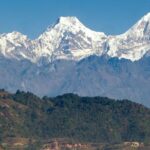
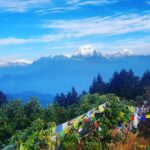
Ridge walks with big Himalayan payoff. This Kathmandu Valley Rim Hike takes you out of Kathmandu’s streets and into real day-to-day valley edges, with village paths, forest cover, and mountain views that change hour to hour. Chisapani and Nagarkot anchor the trip, and the walking route gives you a feel for the less-visited side of the Kathmandu Valley.
I especially like two things: first, the focus on viewpoints from Chisapani hill and the famed scenic Nagarkot area. Second, the guide experience can genuinely make the hike easier to enjoy, and one name that comes through in strong feedback is Riman, praised for being kind and helpful.
The main thing to consider is effort: this is still multi-hour walking, and day one includes a climb of about 1,000 meters toward Chisapani.
In This Review
- Key Things I’d Bet On
- Why This Rim Hike Feels Like More Than a View Walk
- Sundarijal to Chisapani: Your First Big Climb and View Payoff
- Nagarkot: The Sunrise-Ready Day Two
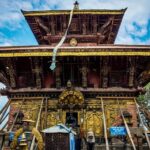
- Down to Changunarayan Temple: Day Three’s Calm Finish
- Pickups, Private Setup, and How the Trip Stays Smooth
- Price and Value at $381: What You Actually Get
- Walking Time, Fitness Expectations, and What to Plan For
- Who Should Book This Kathmandu Valley Rim Hike
- Should You Book? My Take
- FAQ
- Where does the Kathmandu Valley Rim Hike start?
- What time does the hike start?
- How long is the Kathmandu Valley Rim Hike?
- What is the route for the three days?
- What is included in the price?
- What is not included?
- Is pickup offered?
- Is this a private tour?
- What fitness level do I need?
- What is the cancellation policy?
Key Things I’d Bet On
- Sundarijal → Chisapani gives you your first strong view window after a real climb
- Jungle and village walking means more than just scenery, you’ll pass through lived-in countryside
- Chisapani hill panoramas can include Dorje Lakpa, Langtang, Ganesh Himal, Gaurisankar, and Everest-range views
- Nagarkot is the hike’s “wow” stop, especially for sunrise viewing
- Changunarayan temple is a meaningful final landing before you head back to Kathmandu
- Private tour setup keeps the pace aligned with your group, not a crowd
Why This Rim Hike Feels Like More Than a View Walk
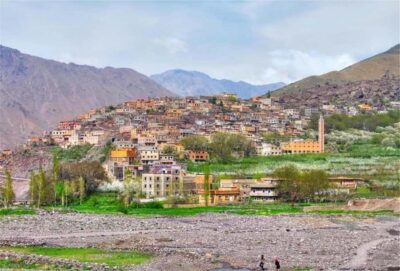
This trek works because it doesn’t treat the Kathmandu Valley like a postcard. You’re walking north of the city along rural routes where farms, local paths, and forest patches shape the day. That matters, because you can get mountain views anywhere in Nepal. But getting them while also seeing how people live just outside the valley is what makes this feel like a trip, not a commute.
The route is short enough to fit a simple 3-day plan, yet long enough to let the scenery breathe. One day leads you to Chisapani, another ties into Nagarkot, and the final day brings you down toward Changunarayan temple. You’re moving through different “moods” of the region: forest walking, hillside viewpoints, and then a gentle finish.
Also, this is set up to be approachable. The trek is described as suitable for any fitness level as long as you can walk multiple hours per day. That’s the practical part: you don’t need to be a mountain athlete. You do need to be comfortable walking steadily on uneven paths.
You can also read our reviews of more tours and experiences in Kathmandu.
Sundarijal to Chisapani: Your First Big Climb and View Payoff
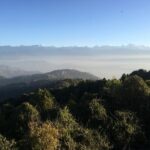
Day one starts with the drive to Sundarijal, then you hike toward Chisapani. The climb is a key detail here: you’re heading upward, and the route includes an ascent of about 1,000 meters on the way. That’s why this day feels like the backbone of the whole trek. Your legs set the rhythm early, and then your reward comes as the hills open up.
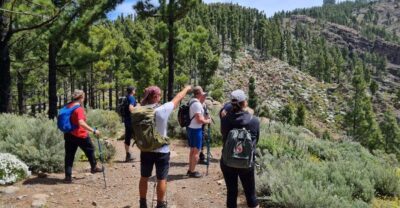
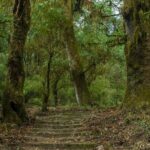
As you walk, you’ll spend time in jungle-like terrain, with different vegetation along the way. The description specifically calls out flora and fauna, which is a reminder that you’re not just watching mountains from a trail. You’re moving through a living hillside environment, so the pace often becomes less about speed and more about noticing what’s around you.
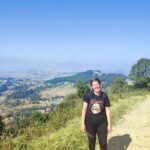
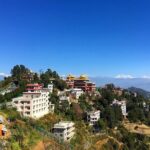
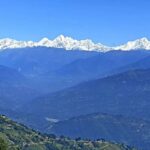
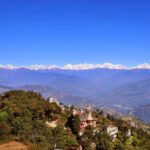
When you reach Chisapani hill, the views are the headline. You can look out toward a cluster of major peaks and ranges, including Dorje Lakpa, Langtang, Ganesh Himal, Gaurisankar, and parts of the Mt. Everest range. Whether the visibility is crystal-clear or a bit hazy depends on the day, but the intent is clear: this stop is built for panoramic mountain viewing.
Possible drawback: because day one includes that significant climb, you’ll want to manage energy and not treat it like an easy flat walk. If you pace well, you’ll reach the viewpoints feeling like you earned them. If you rush, you’ll get to the views tired and less interested in standing around.
Nagarkot: The Sunrise-Ready Day Two
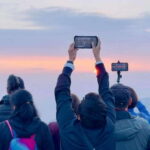
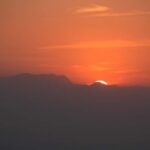
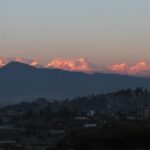
Day two shifts focus. You hike toward Nagarkot, one of the Kathmandu Valley’s most famous scenic spots. The highlight here is striking sunrise views, so the day is best planned around getting to position early and not rushing the experience.
This is also where the trek’s “rim hike” idea really shows. From the higher ridge area near Nagarkot, you’re effectively looking outward over the valley’s edge, and you can start to feel the geography of the region instead of just catching peaks in the distance.
The walking on this day is still described as multi-hour hiking, but the bigger difference versus day one is that your attention moves toward timing and pacing for views. You’re not just climbing; you’re trying to be in the right place when the light changes.
One more thing: this route is described as heading through areas that are “least visited.” That doesn’t mean it’s empty. It does mean you’re more likely to feel like you’re on a trail with fewer interruptions and fewer tour-group patterns. For me, that usually makes the hike feel more personal, and it helps the sunrise moment land better.
Down to Changunarayan Temple: Day Three’s Calm Finish
On the final day, you hike down toward Changunarayan temple, then you drive back to Kathmandu. The tone changes here. After a climb day and a ridge/view day, day three tends to feel more like transition: you’re working your way toward the finish line rather than pushing hard for a big ascent.
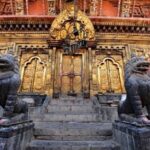
The route specifically mentions the trek leads you down to the temple area. Even without extra cultural details spelled out, it’s a satisfying ending because it gives the hike a destination, not just an exit. It also means the last day has structure. You know where you’re headed, and you can slow into it.
After the temple stop, you get transport back to Kathmandu. That matters for a short trek. It keeps the overall plan from turning into a “one more thing” marathon. When your day ends with a drive, you also get a chance to recover in a real way, especially if you’ve been hiking since morning.
If you’re the type who likes a clear finish and predictable logistics, day three is a good match.
Pickups, Private Setup, and How the Trip Stays Smooth
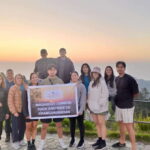
This is a private tour/activity, and the setup says only your group participates. That’s a practical advantage. Even on a short trek, group pacing can be the difference between enjoying the walk and feeling like you’re constantly playing catch-up.
Pickup is offered, and the schedule starts at 7:15 am from View Nepal Treks & Expedition P. Ltd., 24 Thamel Marg, Kathmandu 44600, Nepal. The trip ends back at the same meeting point.
Transport is handled by a private vehicle (car/jeep/mini bus/Hiace/tour bus depending on the number of people). That helps on a 3-day plan because you’re not coordinating multiple transfers on your own. It’s also one less stress point if you’re arriving from elsewhere in Kathmandu.
Guides are provided, with language options listed as English, Chinese, Spanish, German, and others. The key practical point: you’re not stuck trying to interpret a route and hope you’re going the right way. You also don’t have to figure out timing for viewpoint stops.
One more detail that affects comfort: the included accommodation is 2 nights in trekking lodging. That matters because it means you’re not spending time booking and comparing places mid-trip. You can focus on the hike.
Price and Value at $381: What You Actually Get
At $381 for about 3 days, this price sits in the “mid-range” zone for a short Nepal trek. The value comes from how the essentials are packaged together.
What’s included:
- 2 nights accommodation in trekking lodging
- All food during the trekking days: breakfast, lunch, dinner
- A guide for trekking, with multi-language support
- Private transportation for the route, depending on group size
- All pick up and drop to the airport
When a trek price includes food plus guide plus transport, you’re paying for the hard-to-source parts. Walking days in Nepal often come with a lot of logistics: meal timing, route guidance, and getting you from Kathmandu to trailheads and back. This setup covers those pieces.
What’s not included:
- Food and hotel in Kathmandu (before/after the trek)
- Soft and hard drinks
- Visa, and international flights
- Tips for guide and driver
- Personal expenses and any services not mentioned
So the value story is this: if you’re already planning Kathmandu hotel nights and you’ll cover your own drinks, you’re basically paying for the hiking program itself. And because the trek is short, you get mountain views and rural walking without committing to a bigger multi-week budget.
My practical take: the $381 feels more reasonable if you want convenience and don’t want to spend your limited time in Nepal micromanaging transport and meals. If you prefer total independence and plan to arrange guide and lodging yourself, you may be able to do it cheaper. But you’ll work harder for that freedom.
Walking Time, Fitness Expectations, and What to Plan For
This trek is described as suitable for any fitness level, as long as you can walk for hours each day. That’s your real benchmark. Don’t get hung up on the phrase any fitness level. Get honest about your walking ability on uneven ground and your comfort with a steady pace.
Day one includes that about 1,000-meter climb to reach Chisapani. That’s the day you should prepare mentally and physically for. Day two is another multi-hour walk to Nagarkot, with the added pressure of getting the timing right for sunrise viewing. Day three is a hike down toward Changunarayan temple, which generally feels easier than a climb, but you’re still on your feet.
Also, the route includes jungle walking and passes through areas with different vegetation and potential wildlife. Practically, that means you’ll want to slow down enough to enjoy the trail. If you sprint through, you’ll miss part of what makes the hike worth it.
If you’re someone who likes short trips but hates “tour-bus only” days, this one works. You get to stretch your legs, see peaks, and still finish in time to return to Kathmandu and not feel trapped on the trail forever.
Who Should Book This Kathmandu Valley Rim Hike
This hike is a good fit if you:
- Want a short trek that still feels like the countryside
- Care about viewpoints from Chisapani hill and Nagarkot sunrise
- Prefer a private format where your group sets the pace
- Like having a guide handle route and timing, including multi-language support
- Are comfortable with multi-hour hiking days and at least one more intense uphill section
It’s also a smart choice if you want something north of the city that feels less like a straight tourist loop. The description emphasizes rural farm villages and areas that don’t get as much attention, and that’s exactly the kind of contrast that makes a Kathmandu-area trip more memorable.
Should You Book? My Take
If your goal is a short, scenic trek that pairs mountain views with real valley-edge walking, this is an easy yes. You get a structured 3-day plan, guide support, and built-in food and lodging for the trek itself. The inclusion of transport and airport pickup adds real comfort, especially if this is your first days in Nepal.
I’d think twice if you want a super easy stroll with no meaningful climb. Day one’s ascent toward Chisapani is the main effort point, and the rest is still walking.
My recommendation: book it if you want the Kathmandu Valley rim experience without the long trek commitment. Just go in ready for hours on your feet, and you’ll be in the right mindset to enjoy the views when they open up.
FAQ
Where does the Kathmandu Valley Rim Hike start?
It starts at View Nepal Treks & Expedition P. Ltd., 24 Thamel Marg, Kathmandu 44600, Nepal.
What time does the hike start?
The start time is 7:15 am.
How long is the Kathmandu Valley Rim Hike?
It runs for about 3 days.
What is the route for the three days?
You travel from Sundarijal to Chisapani on the first day, hike to Nagarkot on the second day, then trek down to Changunarayan temple on the third day and drive back to Kathmandu.
What is included in the price?
Included are 2 nights accommodation in trekking lodging, all food during the trekking days (breakfast, lunch, dinner), a trekking guide, and transport by private car/jeep/mini bus/tour bus depending on the group size, plus airport pickup and drop-off.
What is not included?
Not included are food and hotel in Kathmandu, soft and hard drinks, personal nature expenses, Nepal visa, international airfare, tips for guide and driver, and any services not mentioned as included.
Is pickup offered?
Yes, pickup is offered, and airport pickup and drop-off are included.
Is this a private tour?
Yes. It’s private, and only your group will participate.
What fitness level do I need?
You should have moderate physical fitness and be able to walk multi hours per day. The trek is described as suitable for any fitness level as long as you can do that.
What is the cancellation policy?
Free cancellation is available. You can cancel up to 24 hours in advance for a full refund.