REVIEW · MONTREAL
From Montreal: Mont-Tremblant National Park Hiking Day Trip
Book on GetYourGuide →Operated by Bonjour Nature, coop · Bookable on GetYourGuide
One hour outside Montreal can feel like a different country, fast. This Mont-Tremblant National Park day trip mixes guided orientation with self-paced trail time, so you get local context up front, then the freedom to hike your own rhythm. I also like the built-in breaks: time for a forest picnic and an afternoon stretch near Chute-aux-rats. The one thing to keep in mind is that the hike itself is not guided the whole way, and signage can be hit-or-miss, so good footwear and following the plan matter.
I like that it’s straightforward logistics: meet at Metro Radisson, a quick stop for last-minute picnic supplies, then you’re in the park with a clear schedule and options depending on how hard you want to push. If you want a clean day outdoors without renting a car, this is a practical choice. Just remember it runs rain or shine, so pack for weather and bring insect repellent.
In This Review
- Key things I’d plan around
- Metro Radisson to Mont-Tremblant: The schedule that keeps the day fun
- The guide briefing: where the day gets smarter
- Morning hiking in the park: choose a trail and settle into your pace
- Noon picnic: a midday pause that actually helps your hike
- Chute-aux-rats in the afternoon: river rail, waterfall views, and summer swimming
- Afternoon options: Mont-des-Cascades, L’envol, and Le Geai Bleu
- Mont-des-Cascades: panoramic reward
- L’envol and Le Geai Bleu: choose your style
- Getting the most from the $72 price: what you pay for, and why it’s fair
- What to pack for a hike that runs rain or shine
- Who this trip fits best (and who may want to skip it)
- Should you book this Mont-Tremblant day trip?
- FAQ
- Where do we meet for the trip?
- What time does the day start and end?
- How long is the roundtrip travel time?
- Is park entry included?
- Is the hike guided the whole time?
- Where does the afternoon option to see the waterfall take you?
- Can I go swimming at Chute-aux-rats?
- What should I bring?
- What language is the guide available in?
- What happens if it rains?
- Is this tour suitable for wheelchair users?
Key things I’d plan around
- Metro Radisson pickup at 8:00 AM: an easy start for a Montreal day trip, with roundtrip transportation included
- Guide briefing + map time: you get regional topography and trail orientation before you go off on your own
- Noon picnic in the forest: you’ll have time to reset midday without rushing your hike
- Chute-aux-rats by river rail: a standout afternoon stop, and swimming may be possible in summer
- Pick your difficulty: routes like Mont-des-Cascades or alternatives such as L’envol / Le Geai Bleu let you match your energy
Metro Radisson to Mont-Tremblant: The schedule that keeps the day fun
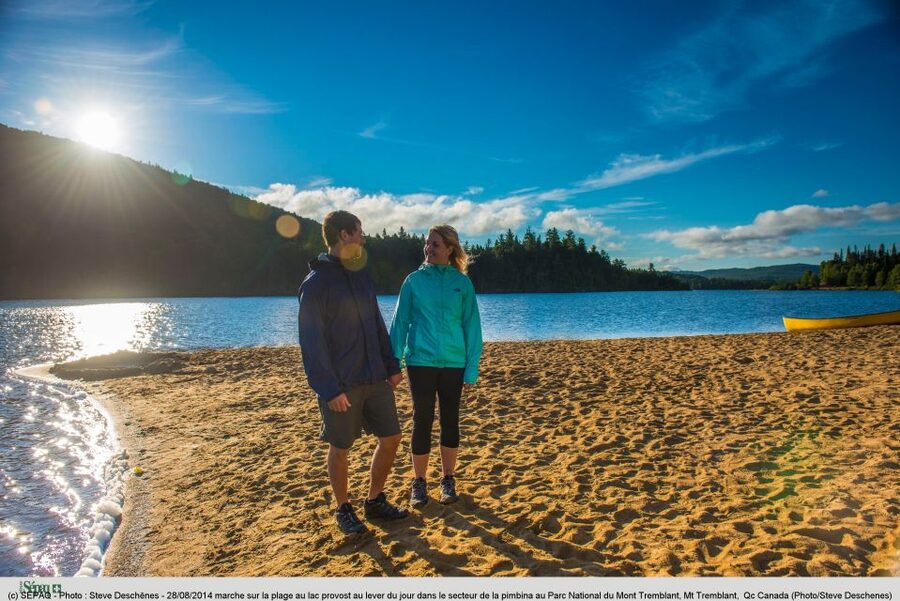
The day starts with a simple beat: you arrive at Metro Radisson in Montreal at 8:00 AM, then hop onto the minibus (look for the Bonjour Nature logo). The ride to Mont-Tremblant National Park takes about one hour, which is key. It means you’re not spending most of your vacation commuting, and you still get a real hiking day.
You’ll be back at Metro Radisson around 6:00 PM after returning to the minibus at 4:00 PM. That timing is nice because you can plan dinner back in town without needing a second night or a rushed post-hike scramble.
Two small practical notes from what’s been experienced on this trip:
- The departure vehicle is often a minibus/van, so when you arrive, take a quick second to confirm you’ve found the right one with the logo.
- There’s a grocery store stop en route for last-minute picnic purchases, which is a big deal if you want to eat simply but well.
You can also read our reviews of more tours and experiences in Montreal.
The guide briefing: where the day gets smarter
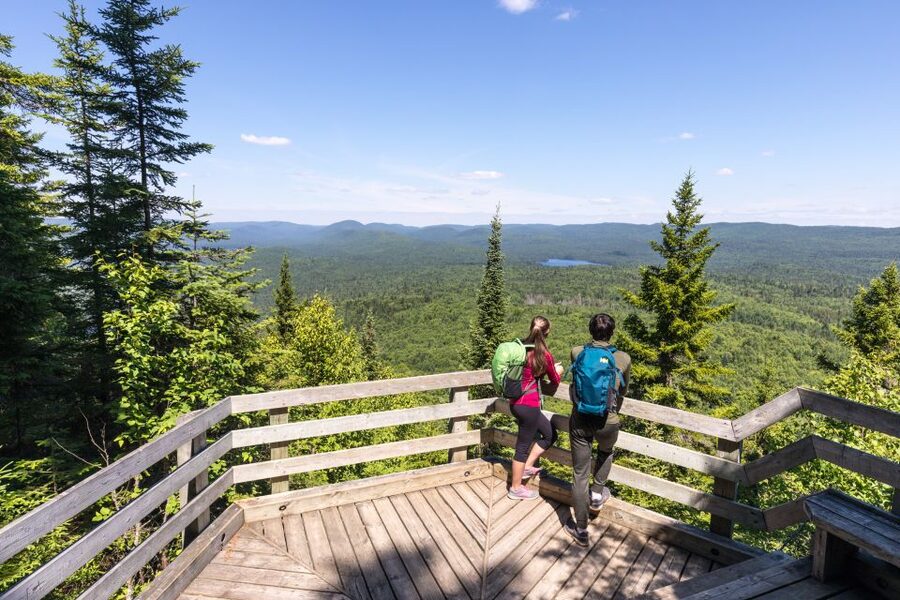
This tour isn’t “follow the leader for the whole day.” It’s more like: get oriented, then hike with confidence. Early on, you’ll meet your guide and get background on the region, topography, and history—the kinds of details that make a trail feel more meaningful than just walking.
Guides vary by day, but the names that have led groups include Sylvie, Jean-François, and Luc, and they’re described as friendly and responsive. The big practical payoff: you can ask questions right before you depart, and that helps when trail signage isn’t perfect or when you’re deciding between options.
Also, you’ll be given a map of the hike and enough guidance so you don’t feel lost the moment you step away from the group. Since the hike isn’t guided turn-by-turn, this pre-hike setup is the difference between a relaxing independent hike and a stressful one.
Morning hiking in the park: choose a trail and settle into your pace
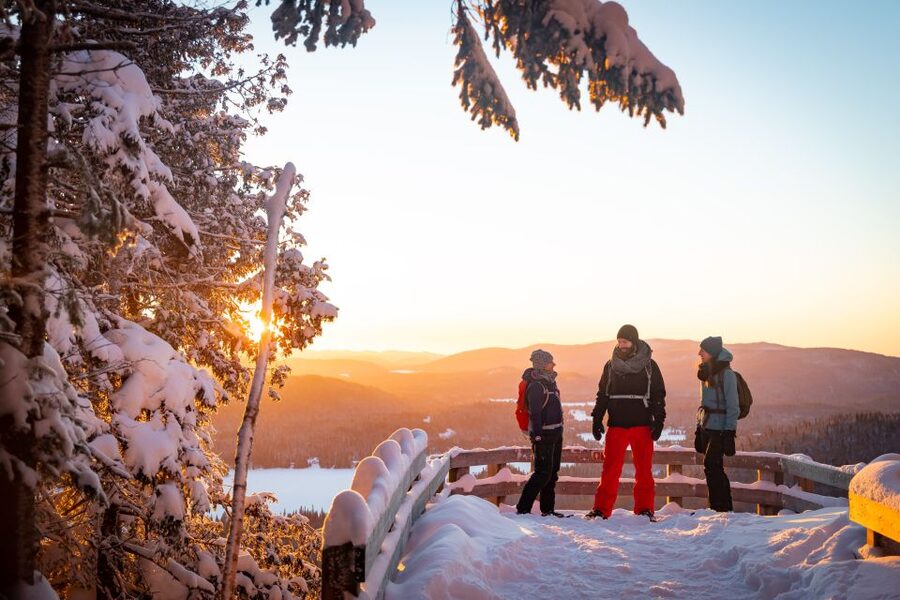
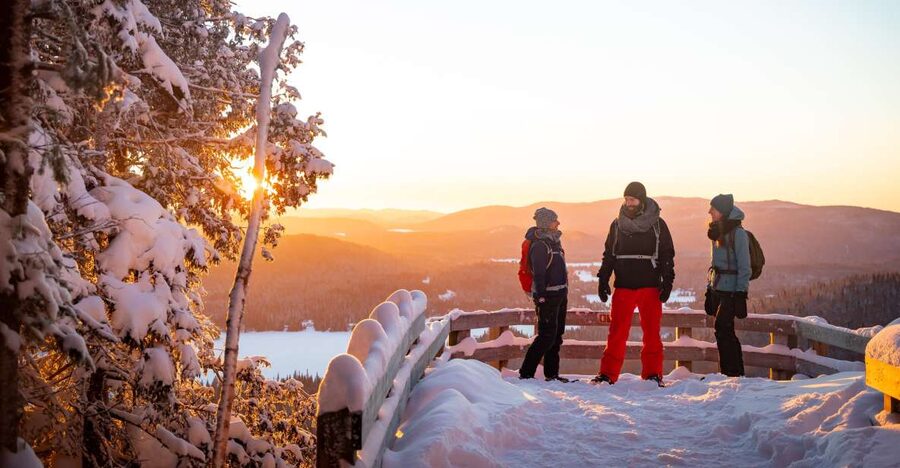
Once you arrive in the park, you choose your trail and begin your hike. The emphasis here is on being out in nature for real: lush forest, scenic views, and the chance to spot local wildlife.
What I like about this approach is that it doesn’t force you into a single “one size fits all” route. If you want a steeper climb, you can aim for it. If you’d rather cruise and enjoy the surroundings, you still get a full hiking block before lunch.
One caution: signage can be limited on some routes. On tough or less obvious trails, it helps to stay calm, follow your map, and stick to the plan you discussed at the start. If you’re the type who panics when a path isn’t clear, bring extra patience—and maybe choose a slightly easier-sounding option for your first hike.
Noon picnic: a midday pause that actually helps your hike
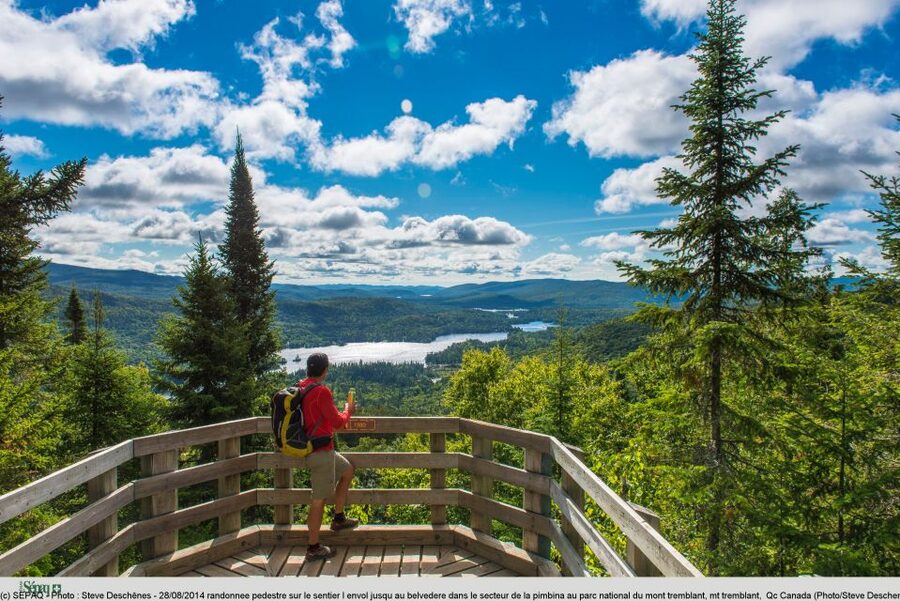
Around noon, you’ll have time to stop for a picnic lunch. This is where the trip gets more than just “transport + hiking.” Eating outside in the woods changes the feel of the day. You reset, cool down, and you’re not racing to beat a hard deadline.
You should assume lunch is on you, so use that grocery stop on the way to pick up something simple. The easiest winning strategy: pack food that doesn’t require re-heating and bring a small bag so you can leave the area clean.
If you want to keep things comfortable, plan for the basics:
- Water is mandatory (more on packing later)
- A light layer matters, because forest temperatures can shift
- If insects are active, repellent helps a lot
Chute-aux-rats in the afternoon: river rail, waterfall views, and summer swimming
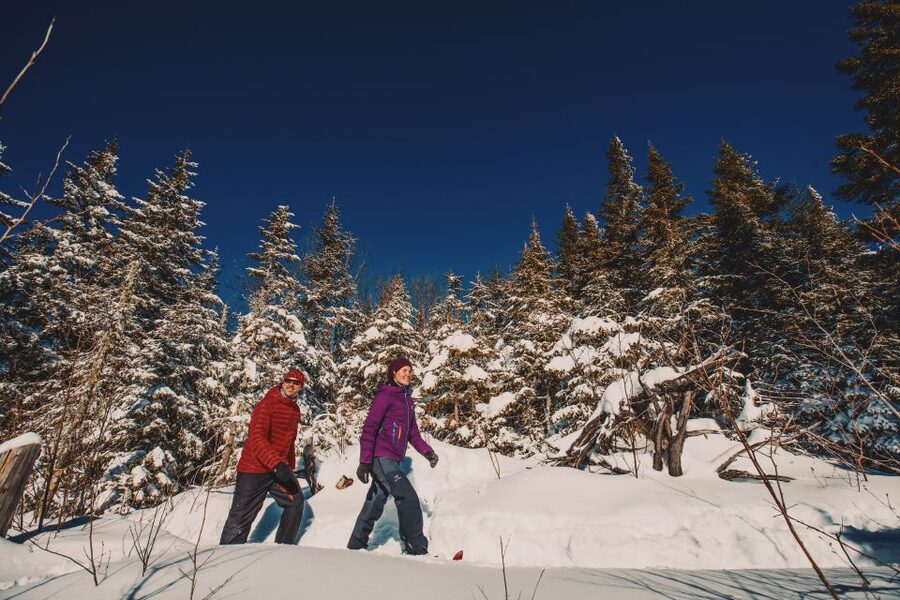
In the afternoon, you can go toward Chute-aux-rats, reached by following the river rail. This is one of the trip highlights because it’s a different hiking mood than a steep climb: you’re tracking along the water, and the scenery feels more open and cooling.
In summer, swimming is possible at Chute-aux-rats. That detail is big if you’re deciding whether to bring swimwear. Even if you don’t swim, the spot is a good place to linger. It’s a nice “arrive, breathe, and enjoy” moment before heading back.
There’s also a practical reality to keep in mind: trails and access can change. If a section is closed on your day, your guide may help you figure out an alternative way to still see the falls area. The key is to stay flexible and let the guide’s plan lead.
Afternoon options: Mont-des-Cascades, L’envol, and Le Geai Bleu
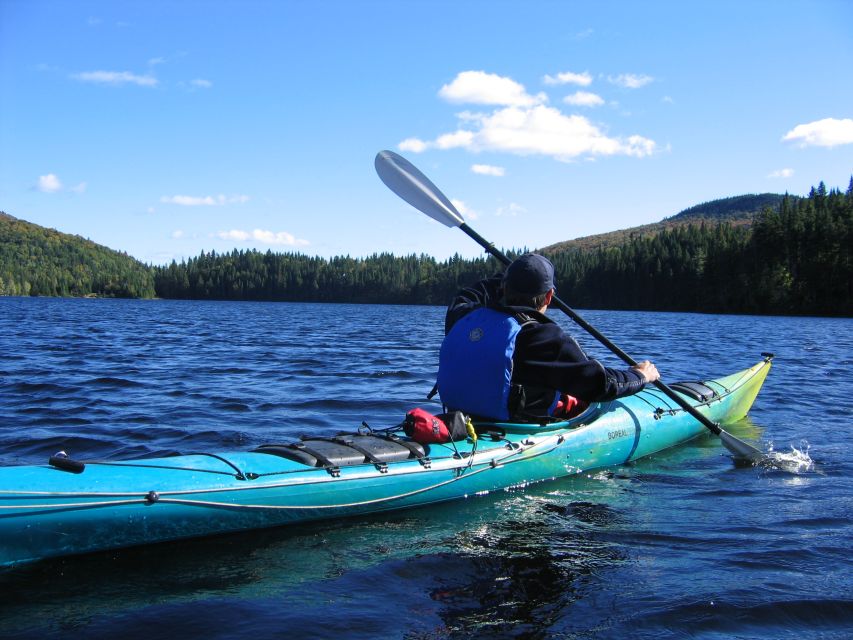
You don’t have to repeat the same type of hike in the afternoon. If you have energy, you can choose to push upward for bigger views, or you can go for a more relaxed walk.
Mont-des-Cascades: panoramic reward
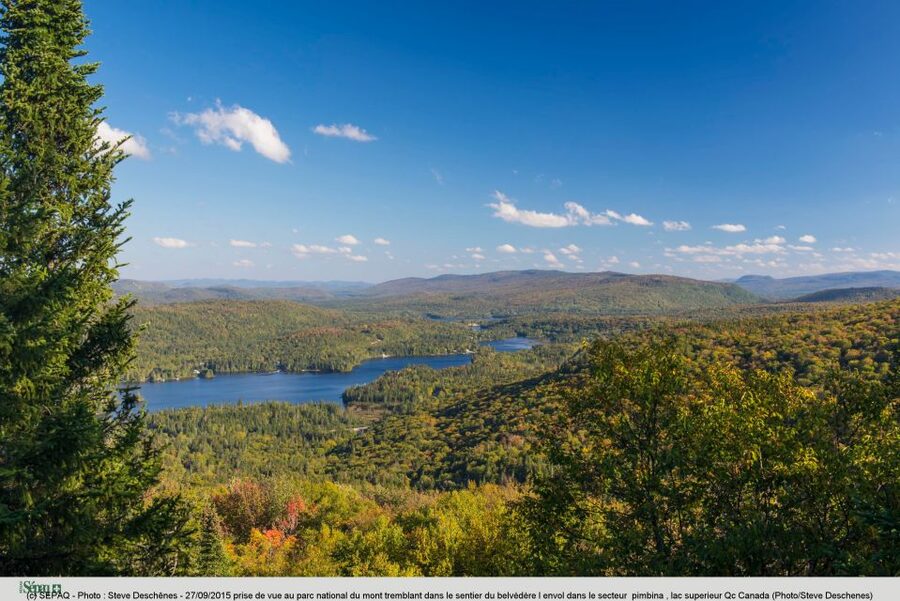
Hiking to the top of Mont-des-Cascades is the “big payoff” option. The point is a panoramic view that makes the effort feel worth it. If you like sweeping overlooks and photo-worthy angles, this is the route that matches that mood.
L’envol and Le Geai Bleu: choose your style
Other choices include L’envol viewpoint and Le Geai Bleu. These can work well if you want variety without committing to the most intense climb.
One practical note: some routes can feel rough around the edges—overgrowth, fewer obvious signs—yet they can still be active and lead to a destination (including a cabin on the Le Geai Bleu-style route). Don’t assume that “looks abandoned” means “not passable.” This is exactly where your map and early briefing pay off.
Getting the most from the $72 price: what you pay for, and why it’s fair
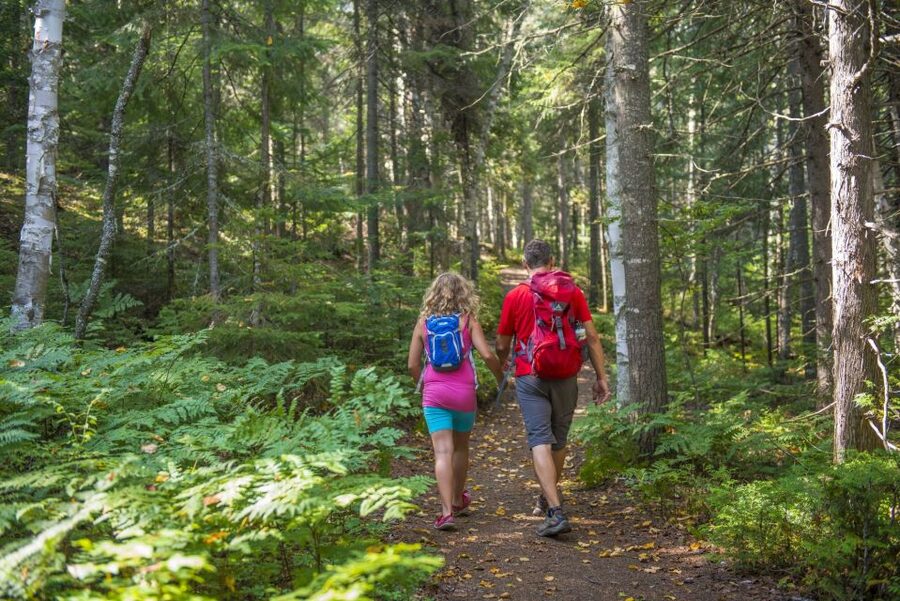
At $72 per person for a one-day trip, the value comes from three things that are actually included:
- Roundtrip transportation from Montreal
- Entry to Mont-Tremblant National Park
- A guide at the start, with orientation on the area and trail options
For a car-free day, transportation alone can be the deciding factor. Add in park entry and a guide who helps you plan your hike, and the price starts to make sense—especially if you’re hiking for the day and not trying to piece it together yourself.
What isn’t included is important to know:
- Your lunch/picnic supplies are effectively on you (the grocery stop helps with that)
- You’re responsible for bringing the right gear, from shoes to insect repellent
If you want the cheapest possible day outdoors, you could DIY it with public transit and a picnic. But if you value convenience, clear timing, and someone helping you get oriented quickly, this price is a solid deal.
What to pack for a hike that runs rain or shine
This tour runs rain or shine, and that changes what you should bring. Even if the forecast looks mild, pack like you’ll be outside all day in changing conditions.
Bring:
- Hiking shoes (real traction matters on forest paths)
- Water
- Biodegradable sunscreen
- Insect repellent
- Weather-appropriate clothing and outdoor layers
A quick “don’t overthink it” tip: wear clothing you’re okay getting a little dirty. Forest hikes are like that. Also, bring a small day bag so you can keep essentials together—water, repellent, and any layers.
Who this trip fits best (and who may want to skip it)
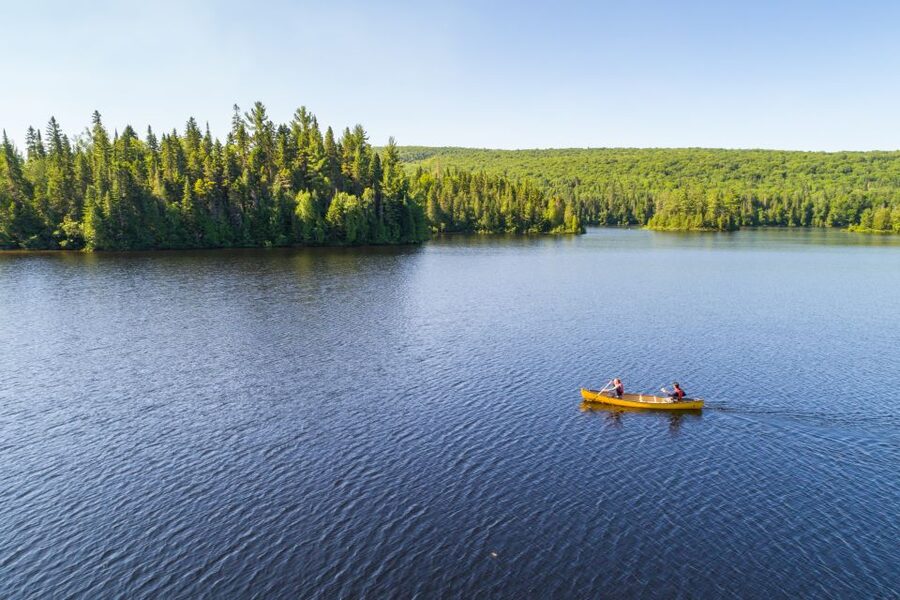
This is best for people who enjoy hiking but don’t want to manage a full logistics puzzle. You should be comfortable:
- Walking trails for a good chunk of the day
- Using a map and following guidance at the start
- Choosing between routes based on your energy
It’s not suitable for wheelchair users, since it’s a hiking-focused day in the park.
If you’re traveling solo in Montreal, it can be a good option too because the pickup point is easy via the Metro, and the day has a clear shape even though the hike options differ. If you’re a casual hiker, you’ll likely want to pick a less intense trail in the morning and save the big climb (like Mont-des-Cascades) only if you feel good.
Should you book this Mont-Tremblant day trip?
Book it if you want a car-free, well-timed outdoor day with a guide briefing, park entry, and real hiking choices. It’s especially worth it if you like the idea of a forest picnic at noon and an afternoon focused on Chute-aux-rats, with swimming as a summer bonus.
Skip it if you need a fully guided hike turn-by-turn the whole time, or if you’re sensitive to unclear signage and want everything spelled out step-by-step. This trip works best when you’re comfortable hiking independently after a strong start briefing.
If you’re in Montreal and craving a nature reset without the stress of planning, this is one of the better ways to do it in a single day.
FAQ
Where do we meet for the trip?
You meet at the meeting point for the minibus/vehicle with the Bonjour Nature logo at Metro Radisson in Montreal.
What time does the day start and end?
You arrive at Metro Radisson at 8:00 AM. You return and are back at Metro Radisson around 6:00 PM, after leaving the minibus at 4:00 PM.
How long is the roundtrip travel time?
The bus/coach ride is about 1 hour each way (so roughly 2 hours total driving), with hiking and breaks in between.
Is park entry included?
Yes. Entry to Mont-Tremblant National Park is included.
Is the hike guided the whole time?
No. The hike is not guided turn-by-turn. You meet with a guide at the beginning of the trip for orientation and trail information.
Where does the afternoon option to see the waterfall take you?
One afternoon option is to follow the river rail to Chute-aux-rats.
Can I go swimming at Chute-aux-rats?
In summer, swimming may be possible at Chute-aux-rats.
What should I bring?
Bring hiking shoes, water, biodegradable sunscreen, insect repellent, and weather-appropriate outdoor clothing.
What language is the guide available in?
The experience is available in French and English.
What happens if it rains?
The tour takes place rain or shine.
Is this tour suitable for wheelchair users?
No, it is not suitable for wheelchair users.