REVIEW · URZULEI
From Orosei or Dorgali: Gorropu Canyon Guided Hike
Book on GetYourGuide →Operated by Jebel Sardinia · Bookable on GetYourGuide
A canyon that feels built for slow watching. The Gorropu Gorge guided hike in Sardinia’s Supramonte is one of those days where your senses stay busy—rock walls, rivers, birds, and plant life you’d never notice without someone pointing them out, including the guide Sergio.
I really like the combination of small-group pacing (up to 8 people) and hands-on nature focus, from the slim chances of spotting golden eagles to searching for the purple Aquilegia Nuragica. The main drawback to plan around: the Gorropu canyon entry fee (€6 per person) is not included and must be paid on the spot in cash, and the walk includes uneven, sometimes technical canyon terrain.
In This Review
- Key things that make this hike worth it
- Why Gorropu Canyon hits so hard in Supramonte
- Pickup from Orosei or Dorgali: the day starts in a Land Rover
- From the Flumineddu River to strawberry trees and holm oaks
- The moment you step into Gorropu Gorge: walls, water, and first photos
- Wildlife and endemic plants: what you should keep your eyes on
- Birds and mammals you might spot
- Amphibians and secretive canyon life
- Plants: look for Aquilegia Nuragica and more
- The canyon walk itself: boulders, tricky steps, and the lunch break
- How the route pacing and fitness level really matter
- Price and value: is $77 fair for this day?
- What to bring so your day stays comfortable
- Who should book this Gorropu canyon hike
- Should you book this hike?
- FAQ
- Where does pickup happen for the Gorropu Canyon hike?
- How much does the tour cost, and is the canyon entry included?
- What group size should I expect?
- What languages are the guides available in?
- What should I bring for the hike?
- Is this hike suitable for kids, pregnancy, or medical conditions?
Key things that make this hike worth it
- Local guide Sergio helps you read the canyon—dangerous plants, animals, and the landscape’s cues
- Small group (max 8) keeps the hike controlled, safer, and easier for photos
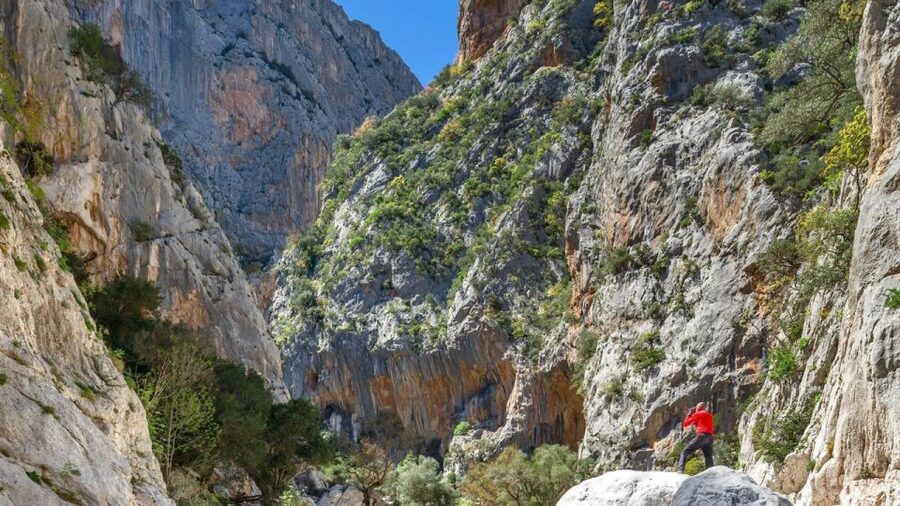
- Gorropu’s rock walls and hidden water spots give you scenery that changes every turn
- Wildlife and endemic plants aren’t just trivia; you’re actively looking for them
- River crossings and boulder steps make the route feel real, not staged
Why Gorropu Canyon hits so hard in Supramonte
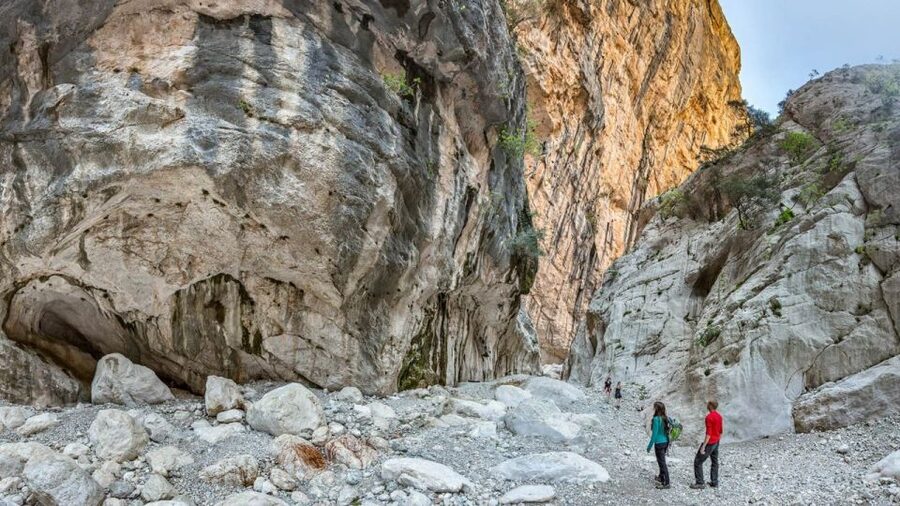
Gorropu isn’t the kind of place you admire from a lookout and then forget. You walk through it, and the canyon walls start to feel like a room with no roof—high, steep, and close enough to make you slow down. In Supramonte, that’s the point: nature stays front and center.
The hike also mixes big drama with small details. You get sweeping views of Italy’s deepest canyon plus the kinds of quiet moments that only happen when you’re actually on the ground—small waterfalls, river sounds, swallows calling overhead, and plants growing where you’d never expect them.
You can also read our reviews of more tours and experiences in Urzulei.
Pickup from Orosei or Dorgali: the day starts in a Land Rover
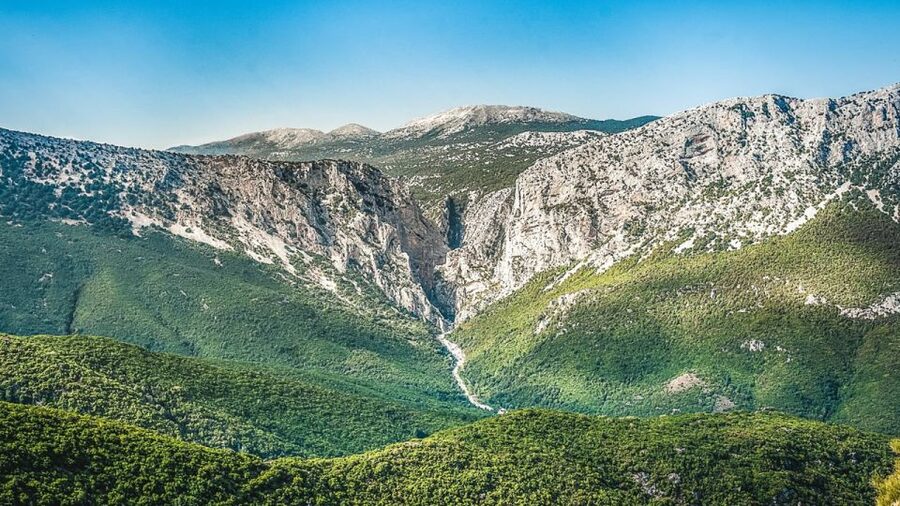
Your day runs like a proper excursion: you’re picked up from set points and carried toward the trailhead. In Orosei, pickup is at 8:30 AM. In Dorgali, it’s 9:00 AM, and the transfer is in a Land Rover/SUV type vehicle.
The drive is about 45 minutes, which helps you get to the Supramonte area without turning the whole morning into a long transit slog. Once you’re at the parking area, you’re not waiting around—you’re geared up to start.
I also like that this is guided from start to finish, not “here’s the trail.” You cross into the route with context, and it changes how you see what’s ahead.
From the Flumineddu River to strawberry trees and holm oaks
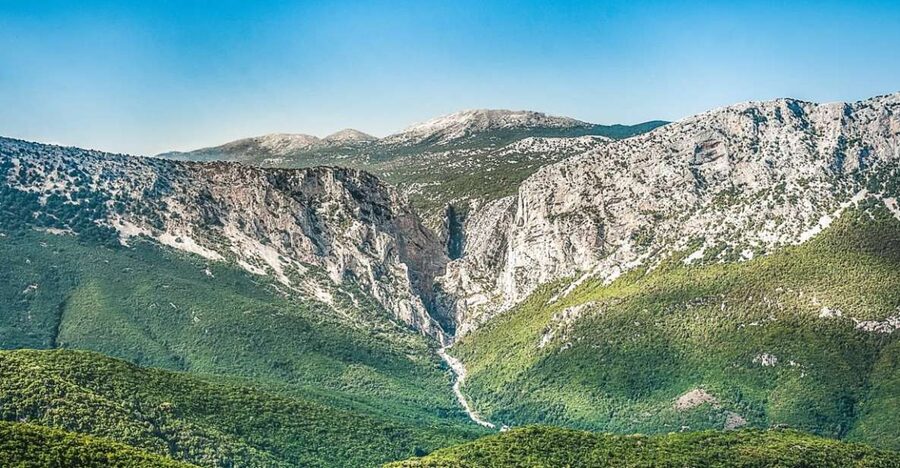
The hike begins with motion and variety right away. After parking, you’ll cross the Flumineddu river on foot and enter a forest where strawberry trees grow. That shift matters. Early on, you’re not staring only at cliffs—you’re walking through living shade and getting a feel for how water and limestone shape the area.
Then the route moves under holm oaks and through Mediterranean shrubs lining the walls of Mount Oddeu. This is where the canyon starts to “announce” itself. You’re getting guided toward the rocky ravine entrance, and the terrain starts to tighten.
This is also a good time to slow down and look for the guide’s cues. Sergio’s approach (friendly, safety-minded, and full of field details) is the kind of thing that makes you notice patterns fast—what’s growing where, and what animals tend to use the same corridors.
The moment you step into Gorropu Gorge: walls, water, and first photos
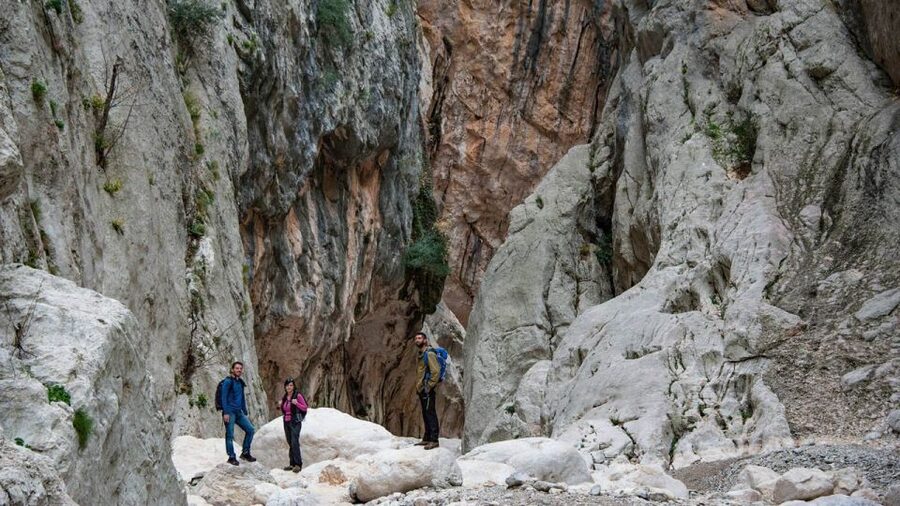
Once you enter Gorropu Gorge, the scale becomes obvious. You’re surrounded by about 500 meters of high rocky walls, and the canyon keeps pulling you forward like it’s narrowing your choices.
Expect sound and light to change as you go. You’ll hear small waterfalls and get that echo-y feel that comes from moving deeper into a gorge. And yes, you’ll want to pause for photos—this is a place where the view doesn’t look flat from one angle. Different bends show different textures in the rock and different pockets of water.
There’s also a steady rhythm to the walking. It’s not nonstop strain, but it isn’t a casual stroll either. This is a hike designed to match the terrain—descents, uneven footing, and sections where the canyon forces you to pay attention.
Wildlife and endemic plants: what you should keep your eyes on
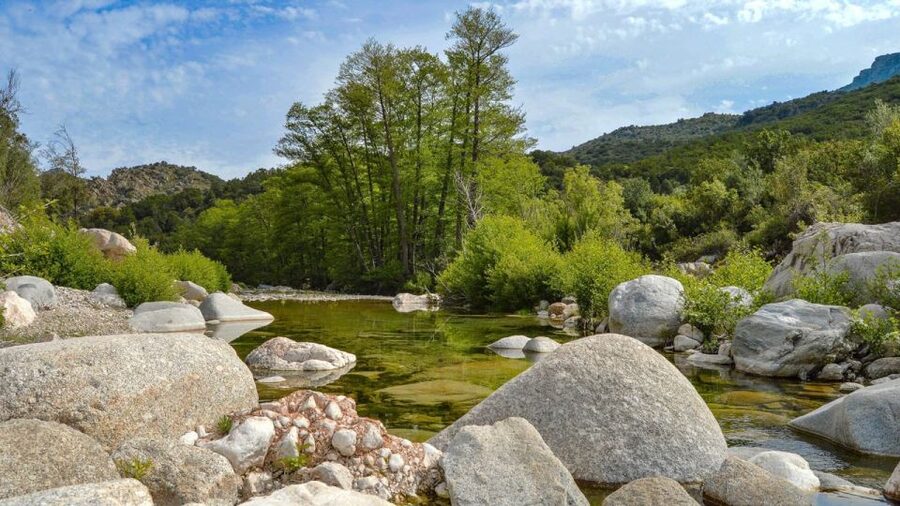
One reason this hike stands out for me is that the guide doesn’t treat wildlife like a lottery ticket. You actively search for things that make sense in the habitat.
Birds and mammals you might spot
On the route, you might watch the skies for golden eagles flying in pairs. You also might spot mouflons—small groups cavorting among the limestone rocks or riding high on ridges. You’re not guaranteed either sighting, of course. But having specific targets makes your scanning much more rewarding than random guessing.
Amphibians and secretive canyon life
The canyon is also a strong place to look for hidden animals. You might see Speleomantes lizards (the kind you typically only spot when you know what you’re looking for) and the Sardinian Euproctus salamander, which is rarer than it sounds.
The cool part here is how the guide connects these species to the environment—water availability, rock cover, and microhabitats inside the gorge. That turns the search into something you can actually understand, not just hope for.
Plants: look for Aquilegia Nuragica and more
Sergio helps you hunt for Aquilegia Nuragica, a purple endemic plant tied to the Gorropu Canyon. You’ll also learn to notice older specimens of mock privets (Phillyrea latifolia) and yews (Taxus baccata) that appear along the slopes.
Even if you don’t catch every species, you’ll come away with a better sense of how this ecosystem works. When a guide points out why a plant is where it is, the canyon stops being just scenery and becomes a living system.
The canyon walk itself: boulders, tricky steps, and the lunch break
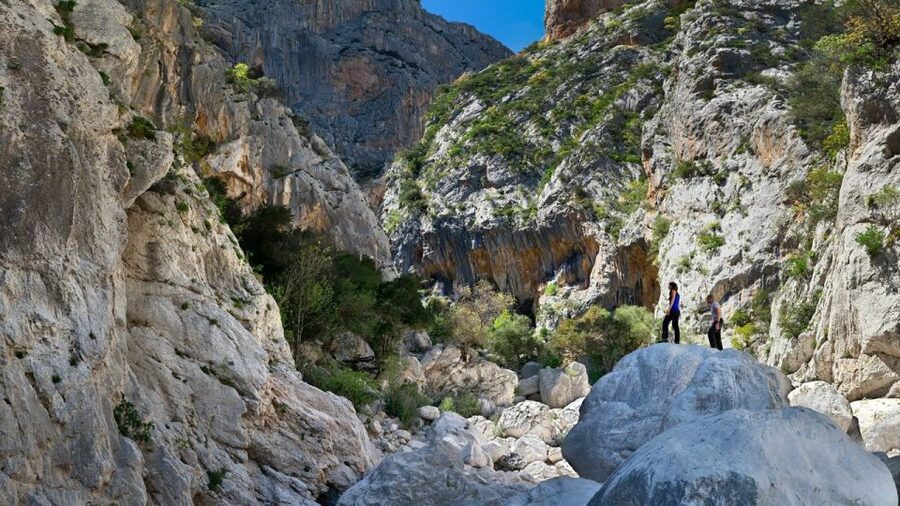
As you descend deeper, the terrain becomes more hands-on. You’ll move between massive boulders, and there are sections that require using your legs and being careful with your footing. This is where the small group size helps, because you can keep an eye on each other and still follow the guide’s safety instructions.
At some point, you’ll stop for a break. This is your chance to eat your packed lunch that you brought from home. It’s also a smart moment to hydrate, since the gorge environment can feel warmer during exertion and cooler once you pause.
After the break, you double back toward the car park for the ride back to your pickup point. The return usually feels like a win because you’ve already done the hardest work: getting into the canyon and moving through it on foot.
How the route pacing and fitness level really matter
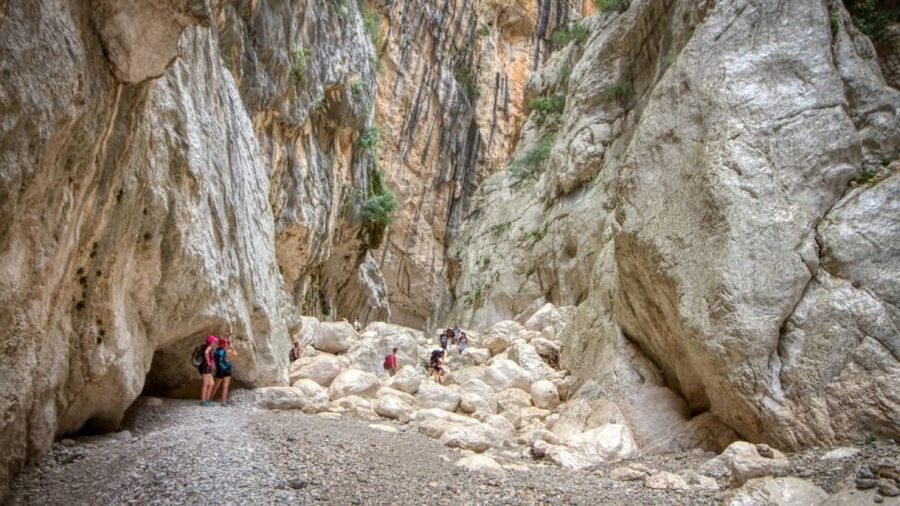
The tour recommends a moderate physical fitness level. That’s a fair description, because the walk includes uneven ground and canyon steps. It’s not a gentle walking tour, and you should assume you’ll get your legs working.
It’s also not a good match for everyone. It’s listed as not suitable for wheelchair users and for people with heart problems or pre-existing medical conditions. It’s also not suitable for pregnant women, and children under 6 years can’t join.
If you’re traveling with older family members, don’t just ask whether they like hiking. Ask whether they’re comfortable with rocky footing and a route that can feel more technical than expected.
On the flip side, if you’re generally active and you like being outside, you’ll probably enjoy the honest pace. This hike rewards attention, not speed.
Price and value: is $77 fair for this day?
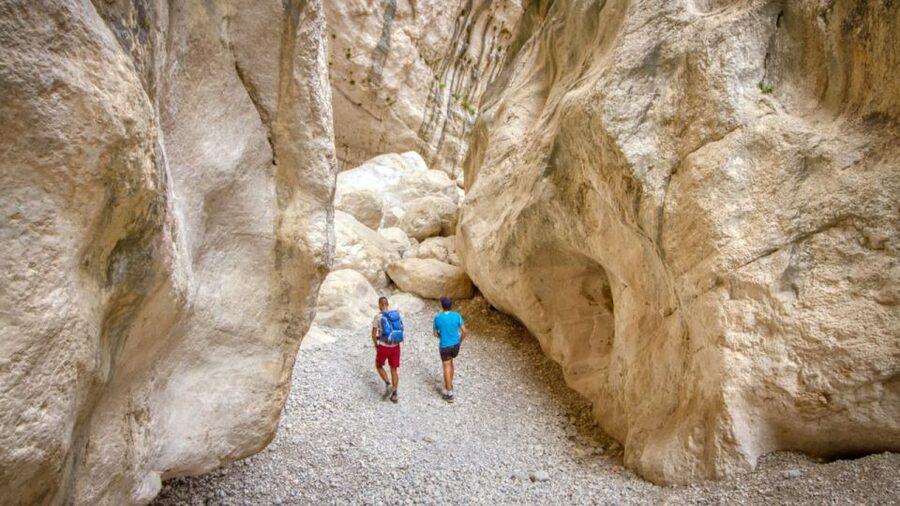
The price is $77 per person for a 1-day experience with a guide plus pickup and drop-off from set places. That’s not only a hiking cost—it’s also transportation support and guided interpretation while you’re in the canyon.
Just don’t miss the extra expense: Gorropu canyon entry is €6 per person, paid on the spot in cash. Also plan for food: food and drinks are not included, so your packed lunch is part of the deal.
When you balance it out, the value comes from three places:
- You’re paying for a guide who points out plants, wildlife, and canyon details you’d miss alone
- The pickup from Orosei or Dorgali saves time and hassle
- The small group size keeps the experience focused and safer on rocky sections
If you were trying to DIY this with multiple variables—getting there, finding the right trail, and knowing what’s worth noticing—your time would likely cost more than the guide fee.
What to bring so your day stays comfortable
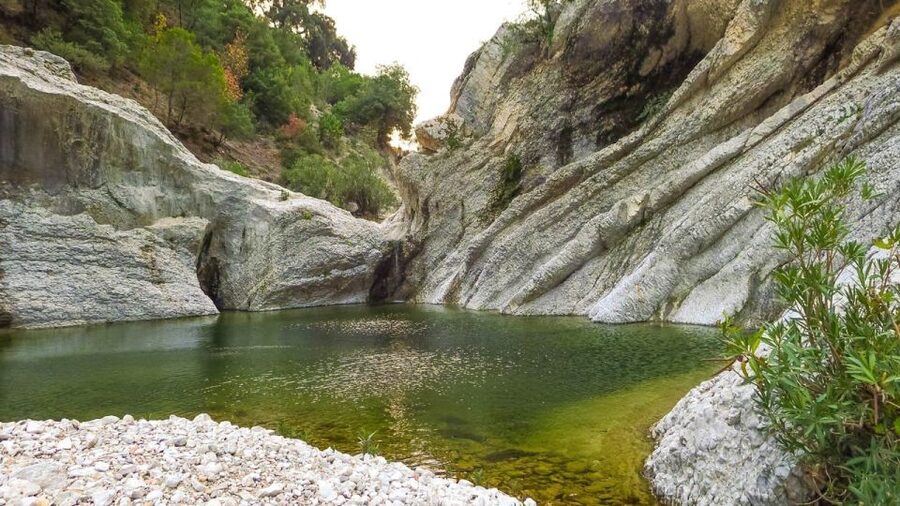
Packing is simple, but don’t wing it. Bring:
- Water
- Sunglasses
- Sun hat
- Packed lunch
The canyon gives you shade in sections, but you’ll still be exposed during walking and stops. A hat helps with glare and heat, and sunglasses save you from squinting through the most photogenic moments.
If you tend to run cold, consider a light layer. Gorge weather can shift as you move deeper and then back out.
Who should book this Gorropu canyon hike
This is a great fit if you want:
- A guided nature hike focused on real field details
- Epic canyon views plus chances to spot animals and endemic plants
- A day trip that runs cleanly from Orosei or Dorgali
It’s especially appealing if you enjoy learning on your feet—how to look for specific plants like Aquilegia Nuragica, or how to read the canyon for wildlife cues like golden eagles or mouflons.
It’s not the best pick if you need wheelchair access, have serious medical limitations, or want an easy walk. Also skip it if you’re going with very young kids who can’t manage a rocky hike with an adult.
Should you book this hike?
I’d book it if your idea of a perfect Sardinia day is walking into a dramatic canyon with a guide who makes the route feel safe and alive. The combination of Sergio’s safety focus and the guide’s plant-and-animal spotting approach is exactly what turns Gorropu from a pretty place into a memorable one.
Book it only if you’re comfortable with moderate fitness and uneven canyon terrain. And do remember the cash part: you’ll need €6 per person for entry.
If that all fits your group, you’ll come away with views that you don’t just photograph—you actually remember as you walk through them.
FAQ
Where does pickup happen for the Gorropu Canyon hike?
Pickup is offered from set places: Orosei at 8:30 AM and Dorgali at 9:00 AM.
How much does the tour cost, and is the canyon entry included?
The tour is $77 per person. Gorropu canyon entry is not included and costs €6 per person, paid on the spot by cash.
What group size should I expect?
This is a small group experience limited to up to 8 participants.
What languages are the guides available in?
The live tour guide is available in English, French, and Italian.
What should I bring for the hike?
Bring sunglasses, a sun hat, water, and a packed lunch.
Is this hike suitable for kids, pregnancy, or medical conditions?
Children must be accompanied by an adult, and it’s not suitable for children under 6. It’s also listed as not suitable for pregnant women and for people with heart problems or pre-existing medical conditions.