REVIEW · SOFIA
From Sofia: Snowshoe Hike on Vitosha Mountain
Book on GetYourGuide →Operated by V Travel Ltd · Bookable on GetYourGuide
Fog, then sun, then blizzard is the point. This Vitosha Mountain snowshoe hike from Sofia takes you into the oldest nature park in the Balkans, with big domes and peaks created by volcanic activity and later shaped by geology over ages. You’ll work toward the massif’s high point, Cherni Vrah (Black Peak), when conditions let you.
I especially like two things. First, you don’t have to hunt down gear: the tour supplies snowshoes and trekking poles. Second, the guide approach is practical and flexible, and the named guide Georgi is praised for pacing, making preparation easier, and adjusting the plan when weather turns ugly.
One drawback to take seriously: you’re walking in snow for about 4–5 hours with a 400m positive altitude gain, and the weather can be harsh. If you’re not comfortable in wind, cold, and slippery footing, this is the kind of day that can feel more work than fun.
In This Review
- Key Things That Make This Snowshoe Hike Worth Your Time
- Vitosha’s Winter Draw: Close to Sofia, Big on Mountain Feel
- Sofia Pickup, Bus Ride, and That Midday Breather
- Gear You Actually Need, Plus What to Pack Anyway
- Vitosha Hiking Phase: From Forest Snow to Ambitious Terrain
- Golden Bridges: Why This Stop Breaks Up the Day
- Cherni Vrah and the Summit Reality: Plan for Wind
- Georgi’s Guide Style: Pace, Choices, and Photos
- Price and Value: What $116 Buys You
- Who Should Book (and Who Should Skip It)
- Should You Book This Snowshoe Hike on Vitosha?
- FAQ
- How long is the snowshoe hike?
- Where does the tour start in Sofia?
- Do I need to bring snowshoes or trekking poles?
- Is the guide available in English?
- How long will I be walking in snow, and how much climbing is there?
- What should I bring with me?
- Are meals included in the price?
- What is the weight limit for this tour?
- Who is this tour not suitable for?
- Is there free cancellation and a pay-later option?
Key Things That Make This Snowshoe Hike Worth Your Time
- Snowshoe day with real winter uncertainty, not just a calm stroll
- English-speaking guidance from Georgi, with a track record of adjusting routes in fog/wind
- Gear included: snowshoes and trekking poles, so you travel lighter
- Focus on Vitosha’s geology and terrain, from volcanic origins to granite shaping
- Cherni Vrah aiming game, where summit plans follow what the sky allows
- Golden Bridges stop that adds variety instead of repeating the same path
Vitosha’s Winter Draw: Close to Sofia, Big on Mountain Feel
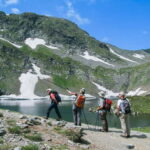
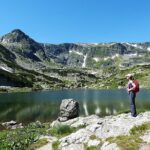
Vitosha is one of the most visited winter escapes from Sofia for a reason: it delivers serious mountain time without needing complicated travel days. The massif sits in the oldest nature park in the Balkans, and the scenery is unmistakably Vitosha—massive domes and peaks that feel dramatic even when you’re just walking through a snowy forest.
What makes this hike extra interesting is the “why” behind the terrain. Vitosha wasn’t built by simple tectonic pressure alone—it’s tied to volcanic activity. Later, slow folding of granite layers and gradual uplifts shaped what you see today. In winter, those forms matter more, because snow and wind exaggerate the height and distance, even when visibility drops.
If you want Bulgaria winter without turning it into a resort day, this is a strong option. You’ll be outside for most of the day, moving, adjusting, and learning how winter changes the experience minute to minute.
You can also read our reviews of more tours and experiences in Sofia.
Sofia Pickup, Bus Ride, and That Midday Breather
The day starts in Sofia, with hotel or accommodation pickup included. There’s one notable exception: on Fridays, the tour starts and ends from the Serdika meeting point. The rest of the week, the pickup is from your place in Sofia, so you don’t need to time a bus or wrestle with transfers.
After pickup, you’ll ride by bus/coach for about 1 hour to reach the hiking area. Expect a 30-minute break along the way (listed at H77H+M9 Sofia). That half hour is useful. It’s not a long lunch event, but it gives you time to double-check your layers, hydrate, and get ready for the snowwalking.
The practical takeaway: this is a moving day, not an all-day sitting plan. When winter weather turns, the schedule is built to keep momentum and keep people safe.
Gear You Actually Need, Plus What to Pack Anyway
This tour includes snowshoes and trekking poles. That’s a big value point because snowshoe rentals plus poles can add up fast, and buying gear you’ll use once is a hassle. You’re also much more likely to get the right fit for the snow and trail type when the guide provides it.
You still need to come prepared for winter conditions. The tour guidance calls for warm clothing, sunglasses, a hat, sunscreen, gloves, water, and warm shoes. Also plan for wind and waterproof layers. One review advice theme was spot-on: waterproof hiking shoes and wind-blocking, waterproof outerwear matter a lot, and blizzard conditions can make visibility tough.
A tip that shows up in the experience reports: snowboarding goggles can be helpful in a blow-your-face snowstorm. You might not need them on a calm day, but if weather flips, they can save your ability to keep moving comfortably.
Before you go, think in layers you can vent and re-close fast. Winter hiking is rarely one-temperature weather.
Vitosha Hiking Phase: From Forest Snow to Ambitious Terrain
The itinerary is built around hiking the Vitosha massif, with the day designed to get you close to the biggest domes and peaks. In winter, you’ll feel those shapes through the way snow settles and the way the wind funnels along ridges.
This part is where the “different perspective” claim becomes real. Snowshoes change your relationship with the surface: instead of sinking and slipping as easily, you glide more evenly over packed snow. That helps you cover distance and keep a steady rhythm, even when trail conditions vary.
The effort level matters. You’re walking in snow for 4–5 hours overall, with 400m positive altitude gain. That’s not an extreme mountaineering profile, but it is sustained winter movement. You’ll want solid legs and a calm pace. If you try to race, you’ll burn out faster than you’d expect.
Also, Vitosha weather can change quickly. One experience report described starting with foggy, snow-capped views, then moving through forest, with blue sky appearing before a blizzard showed up. The key lesson for you: trust the guide’s plan. Options exist for low visibility, and the route may shift so you still hike safely and still enjoy the mountain.
Golden Bridges: Why This Stop Breaks Up the Day
After the main Vitosha hike stretch, the plan includes a section near Golden Bridges. Even if you’ve never heard the name before, the real value here is variety. Winter hikes can start to feel repetitive when it’s the same kind of slope and the same kind of views. Adding a second hiking segment helps you experience different terrain textures and angles.
It’s also a smart way to handle real-world conditions. If fog and wind limit what you can see (and how comfortable it is to continue), the guide can keep the hike interesting while staying flexible. In the experience stories tied to this tour, Georgi is praised for using different options depending on weather.
For you, Golden Bridges is the part that can turn a tough weather day into a “we still made it work” day. If you’re the type who gets cranky about changing plans, this tour style is the opposite: it’s a mountain day with weather as a variable, not weather as an interruption.
Cherni Vrah and the Summit Reality: Plan for Wind
Cherni Vrah (Black Peak) is the massif’s highest point, and the tour is set up with a summit aim when conditions allow. One report specifically mentions reaching around 2,052m and still making the summit even after a blizzard arrived and visibility got rough. Another story describes reaching about 20 minutes from the maximum but choosing not to push farther because the wind made the panorama impossible.
That’s actually the best summit lesson for you: the goal isn’t just to “hit a number.” It’s to hike with a guide who respects conditions. When wind is intense and views are blocked, pushing on can add risk without reward.
So how do you think about success on this hike? If you reach the summit or near-summit, great. If you don’t, you can still have an unforgettable winter day—snowshoe power, changing light, and a route that keeps moving.
Pack mindset matters. If you show up expecting perfect skies, winter will humble you. If you show up ready to work with what the weather gives, you’ll enjoy it far more.
Georgi’s Guide Style: Pace, Choices, and Photos
The guide on this tour is English-speaking, and the named guide Georgi appears in multiple experience accounts with strong praise. What stands out is not just friendliness—it’s the operational skills: preparation help, pace management, and route adaptation.
Pace shows up again and again in the feedback. Georgi is described as keeping a good pace and assessing physical condition before deciding how far to push. That matters for you because winter hiking punishes poor pacing. If you start too fast, you’ll be tired by the time the route gets steep or exposed.
Another practical detail: photos. At least a couple of experiences mention Georgi taking photos during the hike. It’s a small thing, but it saves you from spending the whole day fiddling with your camera or missing the best moment.
One more useful detail from the experience notes: Georgi has been described as speaking English and Russian in at least one situation, which can help if your group includes people who need a different language support line. Don’t count on that for every booking, but it’s a nice sign the guide is comfortable communicating.
Price and Value: What $116 Buys You
At $116 per person for a 7-hour outing, this isn’t a “cheap and cheerful” activity. But it’s also not just paying for a guide and a route on paper.
You’re paying for:
- Hotel pickup and drop-off in Sofia (or Serdika meeting point on Fridays)
- A bus/coach ride to the mountain area
- An English-speaking guide
- Snowshoes and trekking poles
- A day plan that targets Vitosha’s highlights and keeps adapting when weather changes
Meals are not included, so you’ll need to handle food on your own. But think about the trade: you avoid the expense of renting snowshoe gear and the hassle of trying to line up equipment the day of.
When I look at the value, I see this as best for people who want a guided winter experience but don’t want to figure out gear and route logistics on their own.
Who Should Book (and Who Should Skip It)
This hike is not suitable for people with mobility impairments or heart problems. There’s also a weight limit listed: people over 264 lbs (120 kg) shouldn’t do this tour.
If you’re healthy, comfortable walking on snow, and willing to layer up for cold and wind, you’ll likely enjoy it. This is a winter hike with real movement: you’ll be out in snow for hours, and the day includes climbing with a 400m positive gain.
It’s also a good match if you’re the type who likes learning while walking. The tour is built to show you why Vitosha looks the way it does and why winter makes it feel different from summer. You’re not only chasing views; you’re understanding the mountain.
If your winter style is more about short walks and cozy stops, this one may feel too active.
Should You Book This Snowshoe Hike on Vitosha?
Book it if you want a genuine winter mountain day from Sofia, with gear handled for you and a guide who can adapt when visibility disappears or wind ramps up. You’ll love it most if you’re prepared for snow, you can handle about 4–5 hours on snowy ground, and you’re okay with the day running by mountain conditions, not by perfect weather forecasts.
Skip it if you’re sensitive to long cold walks, you have heart-related concerns, or you’re not comfortable with slippery winter footing. Also skip if you’d struggle with the idea that the summit might change based on conditions.
This is the kind of tour where success looks like smart choices, steady pace, and making the most of whatever the sky hands you.
FAQ
How long is the snowshoe hike?
The total duration is 7 hours.
Where does the tour start in Sofia?
Pickup is included from your hotel or accommodation in Sofia. The notes also say that on Fridays the tour starts and ends from the Serdika meeting point.
Do I need to bring snowshoes or trekking poles?
No. Snowshoes and trekking poles are included.
Is the guide available in English?
Yes. The tour includes an English-speaking guide.
How long will I be walking in snow, and how much climbing is there?
You’ll be walking in snow for 4 to 5 hours, with a 400m positive altitude gain.
What should I bring with me?
Bring warm clothing, sunglasses, a hat, sunscreen, gloves, water, and warm shoes.
Are meals included in the price?
No. Meals are not included.
What is the weight limit for this tour?
People over 264 lbs (120 kg) are not suitable for the tour.
Who is this tour not suitable for?
It’s not suitable for people with mobility impairments or heart problems.
Is there free cancellation and a pay-later option?
Yes. You can cancel up to 24 hours in advance for a full refund, and there’s a reserve now & pay later option.