REVIEW · STOCKHOLM
From Stockholm: Archipelago Hike to Landsort Lighthouse
Book on GetYourGuide →Operated by Lake Life Stockholm · Bookable on GetYourGuide
A lighthouse hike in the Stockholm archipelago feels special. This Öja Island trek turns into a full day of rugged nature, 17th-century navigation history at Landsort lighthouse, and coastal leftovers from the 1980s. You get a real sense of living on the edge of the map, not a quick sightseeing dash.
I love the mix of active hiking and guided stops, especially the way the route includes forest paths, rocky shoreline, and a bird ringing station—plus a natural pool you’ll likely want to photograph twice. I also like that the day is built around food and comfort outdoors, with lunch and fika that can turn into a cozy BBQ when the weather cooperates. One possible drawback: the hike runs about 11 km (easy to intermediate, with a shorter option), and in wet conditions trails can be muddy and slick.
In This Review
- Key highlights worth planning for
- From central Stockholm to the quiet south archipelago
- The ferry to Öja: why it sets up the whole hike
- Öja Island village: remote island life, not a theme park
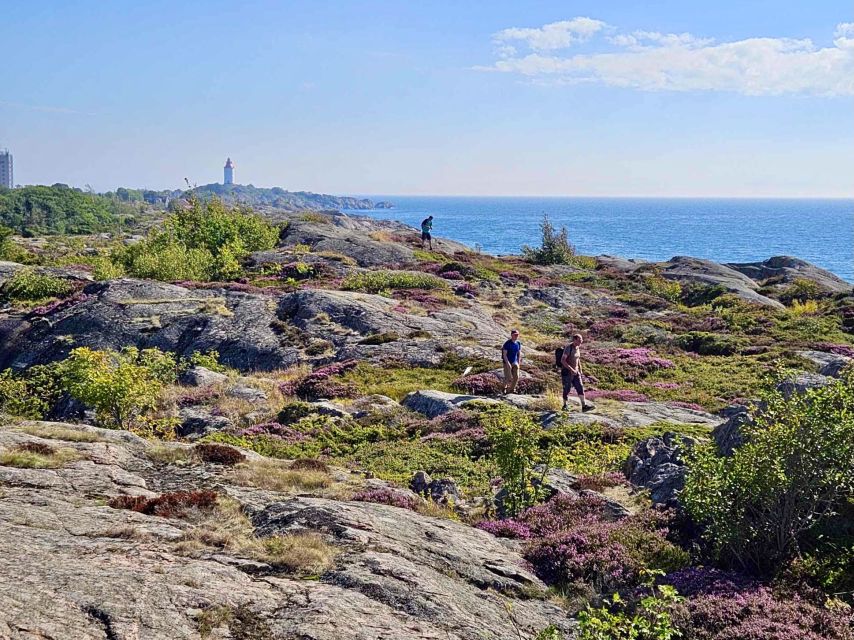
- The 11 km hike: rocks, forest, birds, and that natural pool stop
- Lunch and fika: outdoor food with real island timing
- Landsort lighthouse: Sweden’s oldest light and a guided walk
- Cold War coast relics: abandoned artillery battery along the way
- Timing, walking style, and what to wear
- Group dynamics: why the guide can make or break the day
- Price and value: what you’re really paying for
- Who should book this Archipelago Hike?
- Should you book the Archipelago Hike to Landsort Lighthouse?
- FAQ
- How long is the tour?
- Where do I meet in Stockholm?
- How big is the group?
- What languages does the guide speak?
- What’s included in the price?
- How long is the hike on Öja Island?
- Do we visit Landsort lighthouse?
- Is the Cold War area part of the tour?
- What should I bring, and can I cancel?
Key highlights worth planning for
- South-archipelago access without guesswork: van ride, ferry transfer, then a true remote island start
- Öja hike variety: rocky terrain, forest sections, a bird ringing station, and even a natural pool
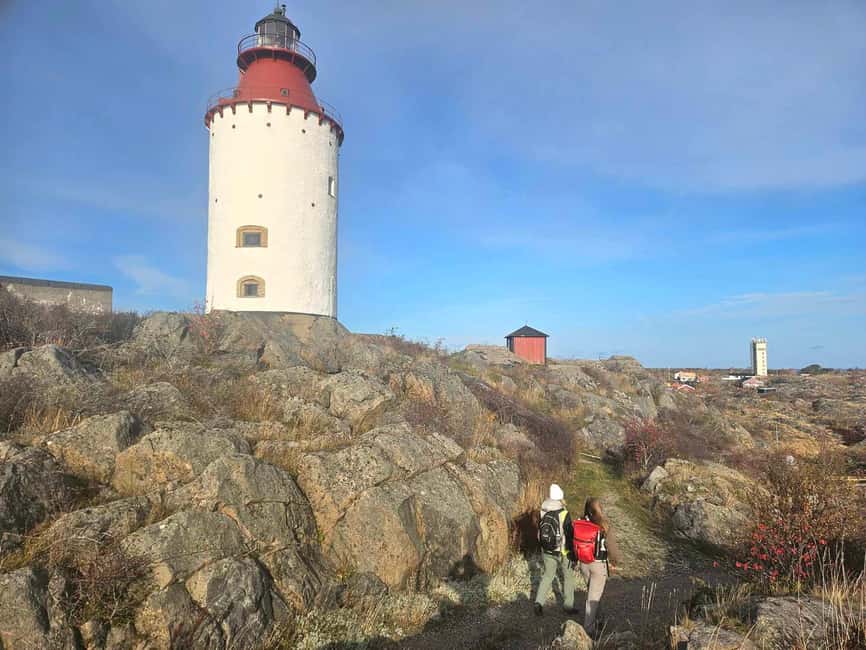
- Landsort lighthouse visit: a guided stop at Sweden’s oldest lighthouse, built in the 1600s
- Cold War coast relics: abandoned coastal battery infrastructure tied to the 1980s
- Small group size (up to 8): more time with your guide, fewer bottlenecks on narrow paths
- Outdoor lunch and fika: you’re not stuck with a snack-only plan; in good weather it may become BBQ
From central Stockholm to the quiet south archipelago
This is the kind of day trip that starts with movement and ends with a slower pace. You’ll meet at the main entrance of Stockholm Centralen (at the statue of Nils Ericson), then get picked up and driven about 75 minutes to the outer edge of the southern archipelago. That ride matters because it helps you reach a part of Sweden that feels worlds away from the city.
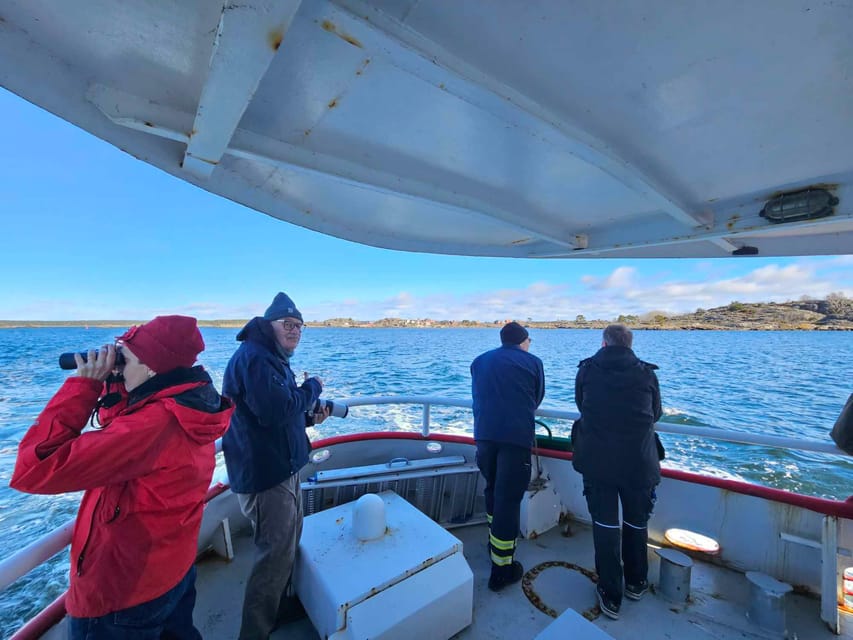
Once you’re there, the ferry transfer to Öja Island becomes part of the experience, not just transit. A boat ride of about 30 minutes sets the mood: open water, shifting light, and that unmistakable archipelago feeling that you can’t replicate from land. If you’re the type who likes having the whole day “count,” this timing is a plus.
The group stays small, limited to 8 participants, so you’re less likely to lose the guide’s attention. You also get the benefit of a route that’s planned end-to-end, with transportation and ferry tickets included. That’s value in practice, because you don’t have to figure out connections while you’re watching the weather.
You can also read our reviews of more tours and experiences in Stockholm.

The ferry to Öja: why it sets up the whole hike
You’re taking a ferry to Öja Island, and that trip is exactly what makes this tour feel like an actual excursion. The archipelago isn’t one destination—it’s a chain of islands and micro-worlds. By starting the day with water transfer, you quickly move from the “idea of islands” to real island time.
The ferry also helps your legs on arrival. Instead of immediately slogging uphill from a mainland dock, you step into the hike after a short, calm travel moment. It’s a small thing, but on a 9-hour day, small pacing choices add up.
If weather isn’t perfect, don’t ignore the reality of maritime conditions. You’ll want rain gear on hand (more on that later), and you should treat the day as outdoors-first, not indoor-first.
Öja Island village: remote island life, not a theme park
After you land on Öja Island, you step into an idyllic village with only a handful of residents. That detail changes how you experience the day. You’re not surrounded by crowds or tour buses; you’re walking into a place where the coastline, daily routines, and nature are the main characters.
This is where the small-group format helps. With fewer people on the move, it’s easier to stroll at a human pace while your guide sets context—what you’re seeing, why it matters, and how the island fits into the Stockholm archipelago.
If you like simple moments—quiet houses near the water, an open sky, and the sense that the horizon is doing most of the talking—you’ll feel it here. It’s the kind of start that makes the rest of the hike feel earned.
The 11 km hike: rocks, forest, birds, and that natural pool stop
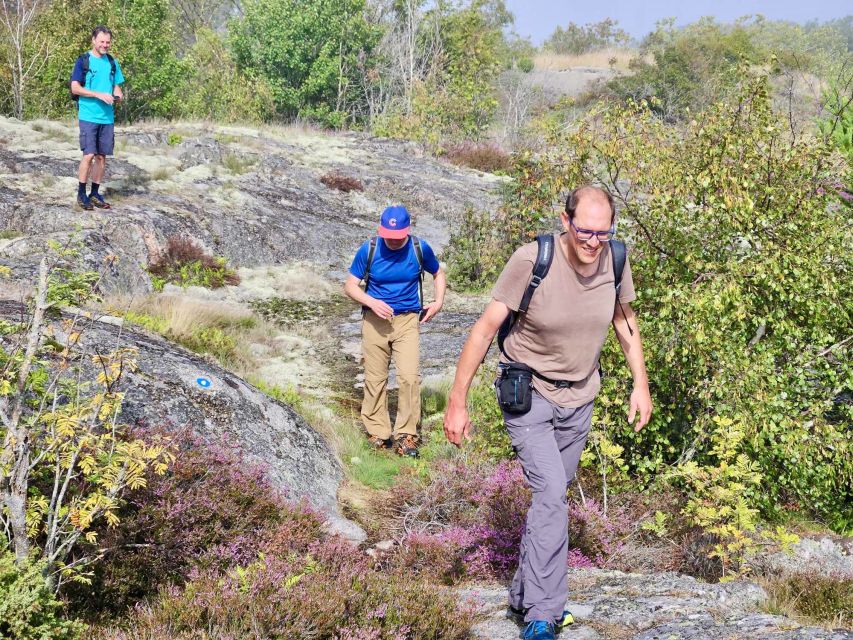
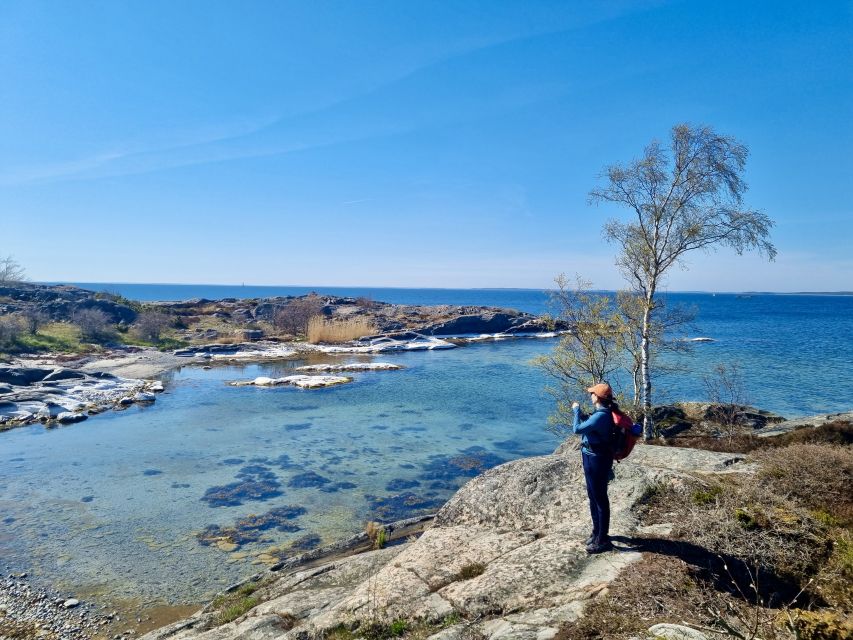
The heart of the day is the Öja hike, about 11 km total, classified as easy to intermediate. There’s also an option to shorten the hike, which is important if you’re fit but not keen on doing the full distance. This tour is built for people who want movement, not a sit-and-photo tour.
What makes the walking more interesting than a generic nature stroll is the mix of terrain:
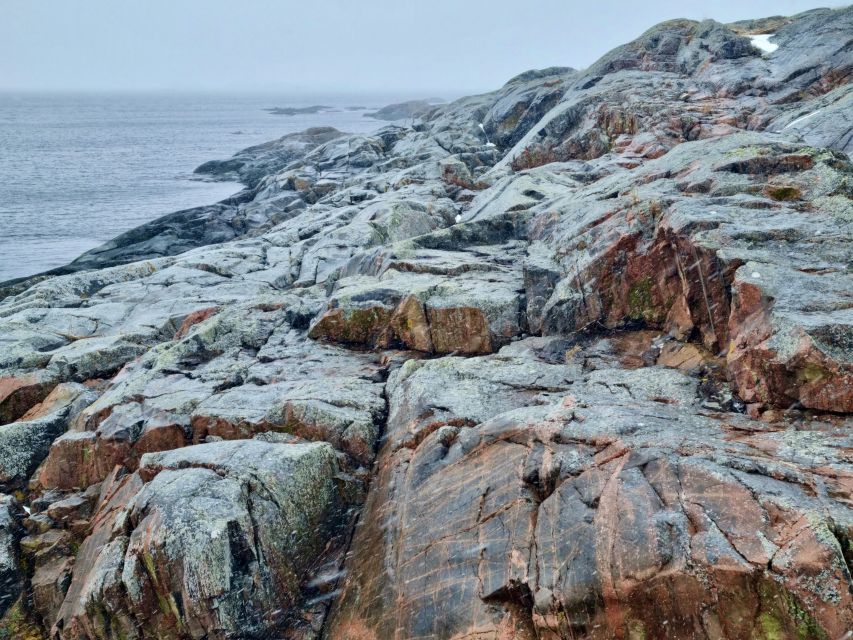
- Rocky shoreline sections that make you pay attention to footing
- Forest paths that break up the view and bring quieter air
- A bird ringing station, where you learn how the island supports study and tracking of wildlife
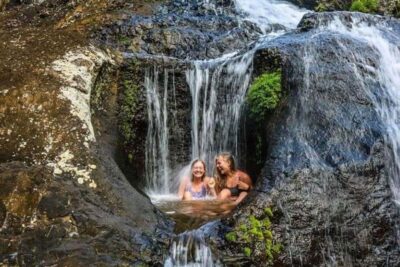
And then there’s the natural pool. You might not know what to call it when you see it, but you’ll recognize the impulse to stop. It’s one of those small island features that feels local and practical rather than staged.
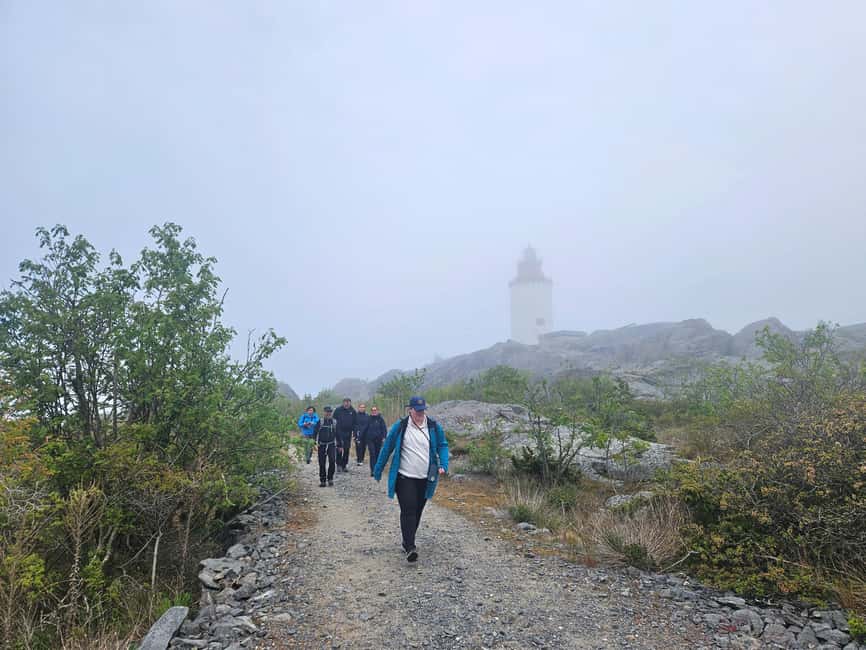
In October (and in any rainy stretch), the paths can be partly muddy from earlier weather. You can handle it, but you’ll want proper hiking shoes and a rain shell. Your waterproof backpack support helps, but the ground still has its own opinion.
This hike is also a great fit if you like learning by walking. Your guide doesn’t just point; they connect the dots between ecology, island life, and the coastline you’re moving along.
Lunch and fika: outdoor food with real island timing
You’ll get a break for lunch (about 45 minutes) and fika during the middle of the hiking day. This is a meaningful design choice. Rather than eating after you’ve exhausted yourself, the plan places food at a point where you still feel ready to enjoy the next stretch.
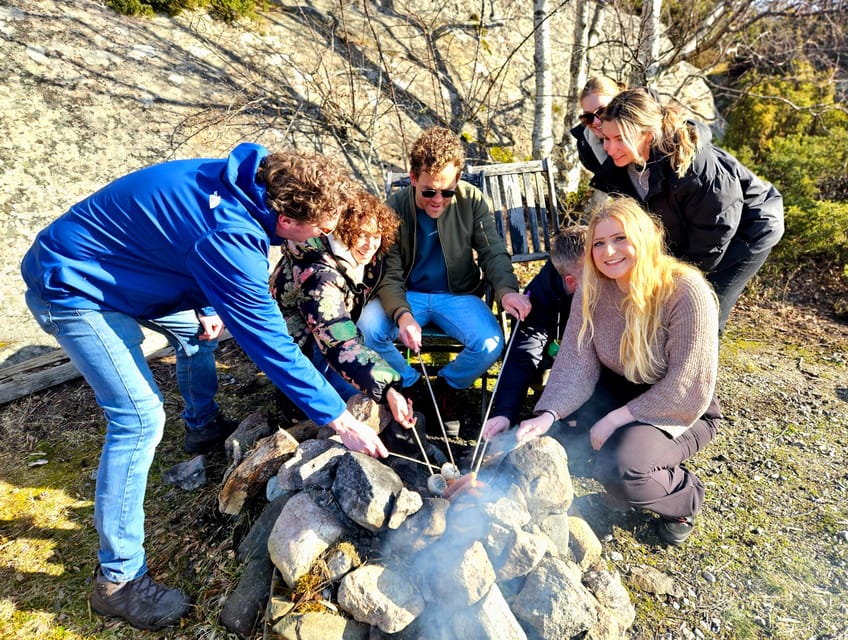
The lunch is outdoors, and in good weather it can turn into a cozy BBQ setup. That’s not just a nice extra. BBQ-style outdoor meals slow the day down. You linger. You talk. You start noticing details like the way seabirds move or how the light changes on the water.
One of the most memorable moments from past days described this lunch as so good that curious goats wandered close to the group. I can’t promise that sort of wildlife cameo, but it’s a good reminder that on Öja, you’re not sealed off from nature.
If weather is less friendly, you’ll still have the structure: a break, water, and a snack-style rhythm that keeps you steady for the lighthouse and coastal relic portion later.


Landsort lighthouse: Sweden’s oldest light and a guided walk
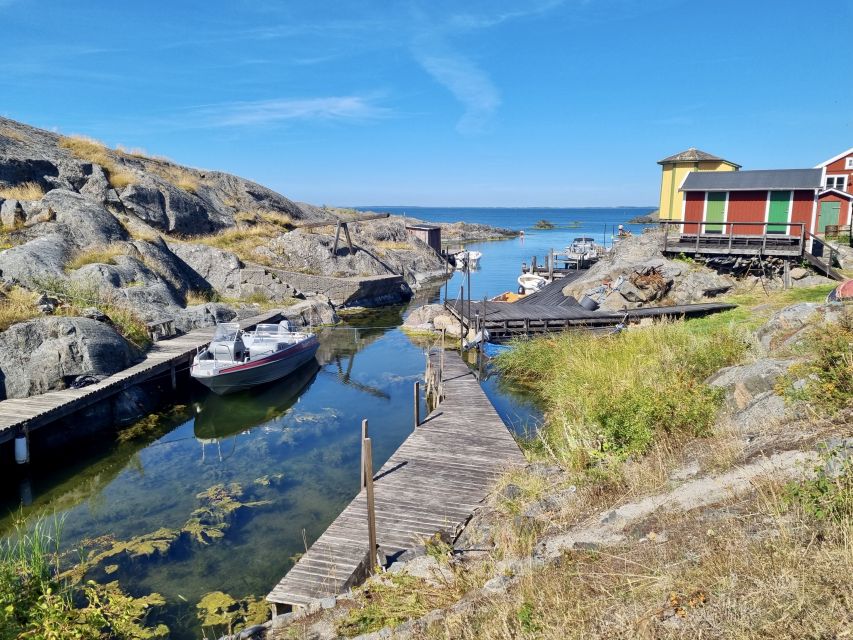
After your hiking time on Öja Island, you’ll head to Landsort for the lighthouse portion. The visit includes a photo stop, guided tour, sightseeing, and a walk, totaling about 1.5 hours. This is where the day becomes more than a hike—it turns into a story about navigation, safety at sea, and why Sweden built lighthouses where it did.
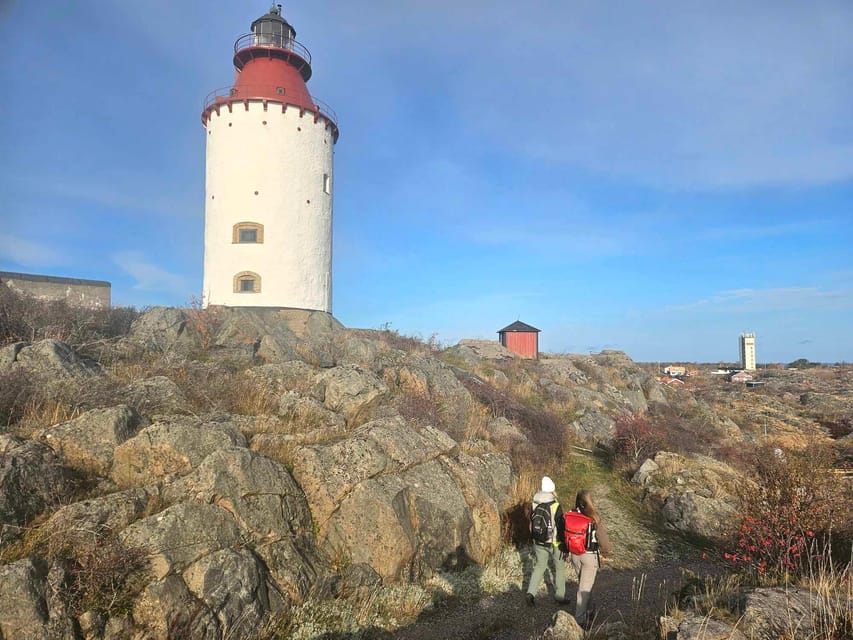
Landsort lighthouse is built in the 17th century and is known as Sweden’s oldest lighthouse. That combination—age plus specific location—matters. You’re seeing history on the very coast where it earned its purpose, not in a museum context removed from real maritime weather.
During the stop, you’ll also get the kind of details that make historic places feel less dusty. The guide’s job here is to connect the physical structure of the lighthouse and its surroundings to how ships would have relied on it.
Tip that will help you enjoy the lighthouse part: pace yourself. First do the photo stop and quick overview, then use the guided walk time to ask questions. If you try to rush everything at once, you’ll miss how the site’s viewpoint shapes the entire experience.
Cold War coast relics: abandoned artillery battery along the way
The tour doesn’t stop at maritime history. You’ll also see remnants of the Cold War era, including coastal battery infrastructure from the 1980s and abandoned artillery battery structures. This part is especially interesting if you like the way modern history quietly “hides” in plain sight.
These relics don’t get described like a dramatic war story. Instead, you experience them by walking through the coastal terrain they were built to defend. That makes the history feel practical: the island’s shape, the vantage points, and the idea of controlling sea approaches.
It’s a good contrast to the lighthouse. One symbol is about guiding ships. The other is about guarding territory. Seeing both in the same area helps you understand how coastal places can shift roles over centuries—navigation to defense, then back to nature and memory.
If you’re sensitive to heavy historical themes, treat this as outdoors history rather than a full battlefield lesson. The tour frames it as relics and infrastructure, so it stays grounded in what you can actually see.
Timing, walking style, and what to wear
This is a 9-hour day, which is long enough that you need to plan like it’s your main outing, not an extra activity. You’ll be moving from central Stockholm in the morning, ferrying to Öja, hiking, stopping for lunch, visiting Landsort, then returning late afternoon or early evening.
You’ll also want to remember that island trails aren’t always “path-perfect.” Even when routes are clear, rocks, wet ground, and occasional slick spots are part of island hiking. Your best preparation is simple:
- Hiking shoes with grip
- Rain gear, since conditions can change fast near the water
The tour provides comfortable waterproof backpacks for the hike (unless you prefer using your own). That’s a real help if you’re traveling light and don’t want to buy or pack extra gear just for one day.
Because you’re walking a planned distance, you should bring a mindset for steady effort. If you prefer very short outings, choose the shorter option rather than trying to power through all 11 km.
Group dynamics: why the guide can make or break the day
Small groups are one thing. A good guide is another. The best part here is how guides turn the hike into a guided walk with stories you can use.
In the days that have stood out, guides have shown a real knack for practical nature talk. Simas, in particular, has been described as sharing lots of information about the island and the lighthouse, including noticing and naming berries and mushrooms along the route. That kind of detail gives you a second way to enjoy the scenery: by learning what to look for while you walk.
Even if you’re not trying to identify plants, the guide’s ability to answer questions builds confidence. You’re less likely to wonder, Am I looking at the right thing? You also get a smoother day flow because you’re moving with purpose.
And because the group is small, the pace stays more flexible. When someone needs a slower step, it’s easier for the guide to adjust than in a larger group.
Price and value: what you’re really paying for
At $198 per person for a 9-hour experience, this isn’t a bargain snack tour. You’re paying for a full day package: van pickup and drop-off in central Stockholm, roundtrip ferry tickets to Öja, an English/German/Swedish guide, guided lighthouse time, outdoor lunch and fika, and hike-ready waterproof backpacks plus water.
Here’s how I think about the value: the cost is anchored to logistics and guide time. You’re getting transportation out to the outer archipelago, ferry coordination, and structured stops that would be hard to assemble on your own without spending extra time and energy figuring routes. Add the lighthouse guided portion and the interpretive Cold War relic segment, and the day stops being “just a hike.”
For you, the best value signal is this: it’s an all-in day with minimal stress. You can show up with hiking shoes and rain gear and let someone else handle the schedule. If that matches how you like to travel, the price feels more reasonable.
If you’re budget-focused and already comfortable planning ferry and hiking logistics, you could try to DIY. But if you want a guided route that includes the lighthouse and those specific coastal relics, this package makes sense.
Who should book this Archipelago Hike?
This tour is a strong match if you want more than a view. You want a day with walking, outdoor food, and guided context across nature, maritime history, and coastal 1980s-era relics.
It’s especially good for:
- People who enjoy hiking on varied terrain without doing extreme distances
- Travelers who like guided learning but still want fresh air and movement
- Anyone visiting Stockholm who wants an authentic-feeling day outside the usual city loop
- Couples and small groups who don’t want to be swallowed by crowds
If you hate wet trails or you’re worried about slick footing, treat the hike rating and “matschy paths in wet spells” as a heads-up. Choose the option to shorten if you want a lighter day.
Should you book the Archipelago Hike to Landsort Lighthouse?
If your idea of a great Stockholm day includes ferry time, a real island hike, and a guided visit to a major historic site, I think you’ll enjoy this. Landsort lighthouse gives the day a strong anchor, while Öja Island keeps it grounded in nature and island life.
Book it if you’re excited by details: bird ringing station stops, a natural pool moment, Cold War coastal relics you can actually walk past, and a lunch plan that can turn into BBQ weather. Also book it if you want help with gear and logistics—waterproof backpacks, water, transport, and guide coverage.
Skip or reconsider if you’re looking for an easy stroll with minimal walking, or if muddy, slippery ground would stress you out. The tour can be adjusted with a shorter hike option, but it still is built around being outdoors most of the day.
FAQ
How long is the tour?
The duration is 9 hours.
Where do I meet in Stockholm?
You meet at the main entrance of Stockholm Centralen (Central station) at Centralplan 15 / Vasagatan, by the statue of Nils Ericson.
How big is the group?
The group is limited to 8 participants.
What languages does the guide speak?
The guide speaks English, German, and Swedish.
What’s included in the price?
It includes pickup and drop-off at a convenient meeting point in central Stockholm, transportation by van with air conditioning, roundtrip ferry tickets to Öja island, outdoor lunch and fika, comfortable waterproof backpacks for the hike (unless you use your own), water, and a guide.
How long is the hike on Öja Island?
The hike is about 11 km and is described as easy to intermediate, with an option to shorten.
Do we visit Landsort lighthouse?
Yes. You’ll visit Landsorts fyr with a photo stop and a guided tour, plus sightseeing and a walk.
Is the Cold War area part of the tour?
Yes. You’ll see relics of the Cold War era, including an abandoned artillery battery and coastal battery infrastructure from the 1980s.
What should I bring, and can I cancel?
Bring hiking shoes and rain gear. You can cancel up to 24 hours in advance for a full refund.